


Before there was Hollywood, Maine made its mark on the silent film industry.
In the early 20th century, Maine’s forests, lakes, rivers and coastline made the perfect backdrop for films made by small, local production companies.
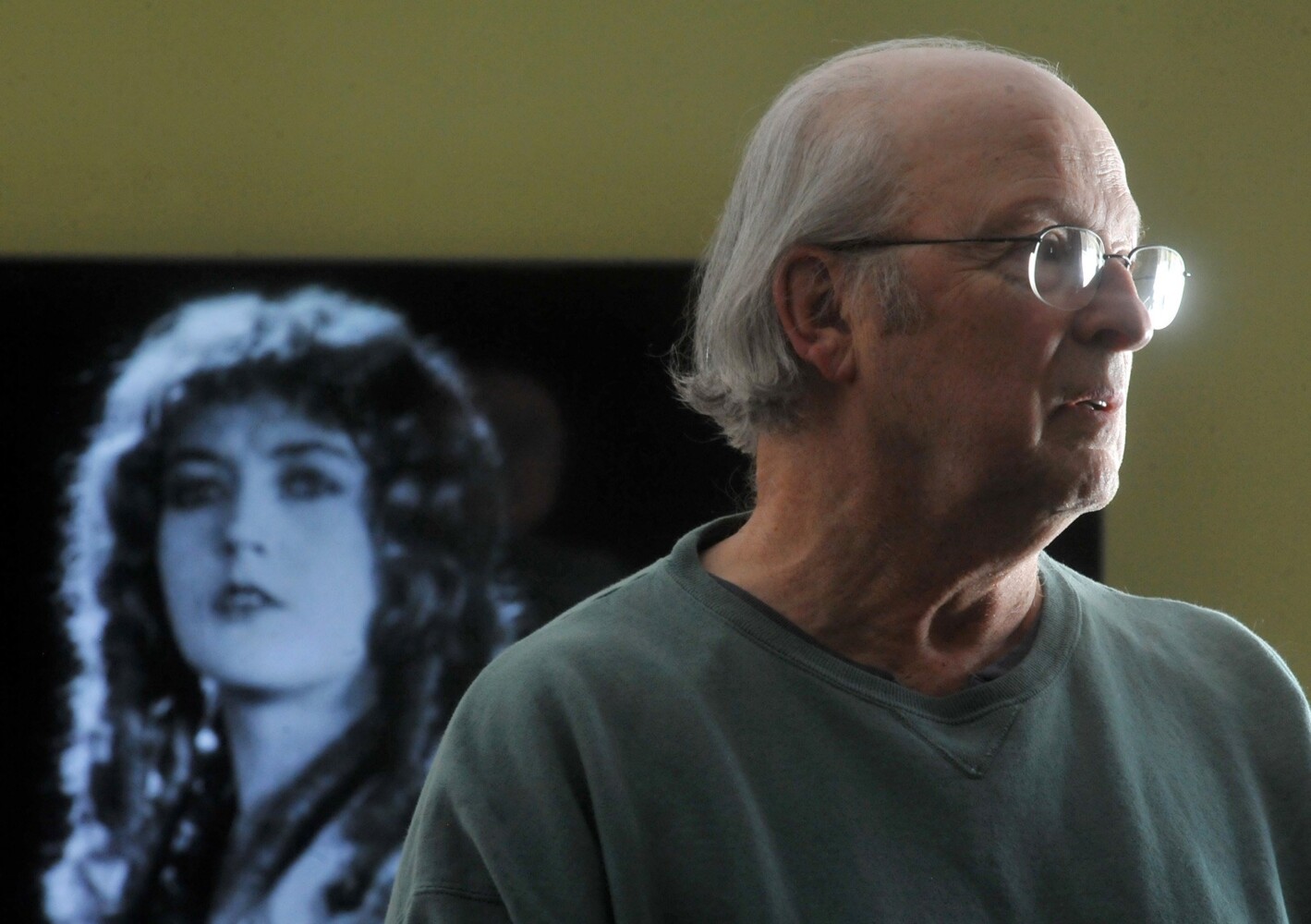
Local silent film expert and restorer Ed Lorusso, a Belgrade resident, will host the fourth annual silent film festival “Up in Maine” on Aug. 29, showcasing three films shot in Maine that haven’t been screened in more than 100 years.
A theme of this year’s festival is “Saved from Oblivion,” because each of the films sat in archives for decades, some even beginning to decompose, before Lorusso located and digitized them.
Now, the public will have a chance to look into the past and see silent scenes of Maine over a century ago.
THE MAINE CONNECTION
Up until the mid-1920s when the film industry was centralized in Hollywood, it was made up of small, specialized studios across the country, including several in Maine.
In 1919, silent film actor Edgar Jones came to Maine and created Edgar Jones Productions with William B. Williamson and Blaine Viles. They built a film studio in Augusta and produced 25 films between 1919 and 1921, six of which Lorusso has found in archives and digitized.
All of Jones’ films debuted at the Colonial Theater in Augusta between 1919 and 1921, which Williamson owned.
Lorusso’s festival normally takes place in the theater every year but will move to the University of Maine in Augusta’s Farber Forum this year while the theater undergoes renovations.
Jones set out to make North Woods dramas based on topics like the lumber industry. Many films were shot outside on location, featuring places like the Kennebec River and the forests of central Maine.
“It gave people a real look and an idea what Maine was like,” Lorusso said. “The writing was very much tied into where the story took place, I mean, so that the location was actually part of the story, and with these films, because they were filmed on location, it gave them an authenticity.”
While the movies Lorusso has screened throughout the years are more than 100 years old, sometimes they feature still-familiar locations like Water Street in Augusta, providing an interesting connection for local viewers now.
“You get to see these things that you remember from youth, or you remember your parents talking about,” Lorusso said. “I think even just generally, it’s just amazing for people to see these films that were done in Maine with Maine actors who were mostly forgotten now … and to realize that there really was a film history here up until the mid-’20s.”
THIS YEAR’S LINEUP
This year’s festival will showcase three films, one produced by the Edgar Jones Production Company.
“Three and a Girl,” from 1920, was shot in Augusta and directed by Jones. It stars Jones, Carlton Brickert and Ben Hendricks Jr. as partners who run a lumber company. After hiring a girl from the city, played by Edna May Sperl, they begin to compete for her attention.
Interior scenes in the film were shot in a three-sided cabin set in Gannett Woods in Manchester the winter.
“You can tell in the film that they’re outside because even when they’re in the cabin, you can see their breath,” Lorusso said. “They’re obviously all freezing, and they’re all wearing layers and layers of clothes.”
When Lorusso located “Three and a Girl” in archives at the Library of Congress, the 35-mm film had begun to decompose, and he had to act quickly to digitize and save it.
Of the 25 films Jones made in Maine, Lorusso has located six.
The festival will also feature “God’s Country and the Law,” directed by Sidney Olcott and produced by Pine Tree Pictures. Released in 1921, it is currently the oldest surviving feature-length film produced and shot in Maine, according to Lorusso.
Although it was shot in the Sebago Lake area, the film follows a couple, played by Gladys Leslie and Fred C. Jones, who live an idyllic life in the Canadian wilderness until they are disrupted by an odd stranger, played by William H. Tooker. The film is based on the writings of James Oliver Curwood.
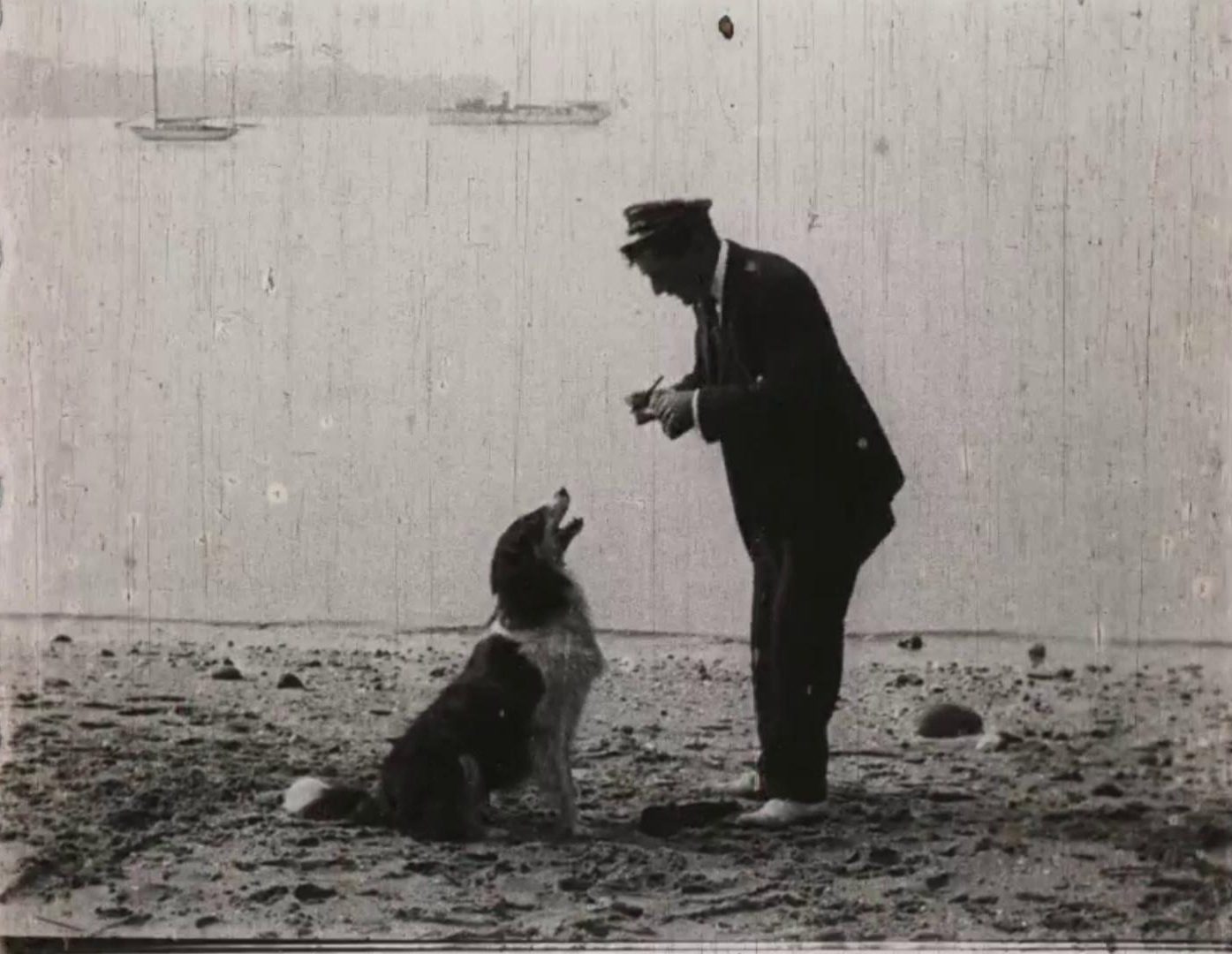
Audience members will also have a chance to view “Jean Rescues,” a 1911 film starring Jean the Vitagraph Dog, a collie from Maine that starred in more than two dozen films for Vitagraph Studios.
Directed by Laurence Trimble, Jean’s owner, and shot in the Portland area, the film follows Jean as she makes a new friend, played by Leo Delaney, and rescues him from drowning in the ocean.
“It was said with Jean that Jean got as much fan mail as any of the human actors at the Vitagraph Studio,” Lorusso said.
The festival will also feature live music from Jeff Rapsis, a film accompanist from New Hampshire who improvises the music on the spot. When films played at Colonial Theater in the early 1920s, they were accompanied by a five-piece orchestra.
“With the live music … you get a sense of performance as well as seeing the movie,” Lorusso said. “This is what movies would have been like when you went to the Colonial Theater in 1921 to watch this Edgar Jones film.”
IF YOU GO
The “Up in Maine” festival will be 1-3 p.m. Aug. 29 at Farber Forum at Jewett Hall on the University of Maine at Augusta, 46 University Drive. Tickets are $10 and are available on the Colonial Theater website at augustacolonialtheater.com.

We invite you to add your comments. We encourage a thoughtful exchange of ideas and information on this website. By joining the conversation, you are agreeing to our commenting policy and terms of use. More information is found on our FAQs. You can update your screen name on the member's center.
Comments are managed by our staff during regular business hours Monday through Friday as well as limited hours on Saturday and Sunday. Comments held for moderation outside of those hours may take longer to approve.
Join the Conversation
Please sign into your CentralMaine.com account to participate in conversations below. If you do not have an account, you can subscribe here. Questions? Please see our FAQs.