

Sometimes when you’re vacationing in Maine, you need to buy bread.
Over the past several years, I steadily checked off various boxes on my Maine travel bucket list — Rangeley, The Forks, Aroostook County, Vinalhaven — until way Down East, beyond Bar Harbor, was the only major destination left.
This summer, it was time to visit Eastport.
I mapped out a five-day tour of coastal Washington County in July that included camping at the newly upgraded Cobscook Bay State Park, hiking along the incomparable Cutler Coast, crossing the Canadian border to see Franklin Roosevelt’s summer cottage on Campobello Island and visiting the iconic candy-striped West Quoddy Head lighthouse, all culminating in a two-night stay in a geodesic dome in Eastport, booked for a reasonable price through Airbnb.
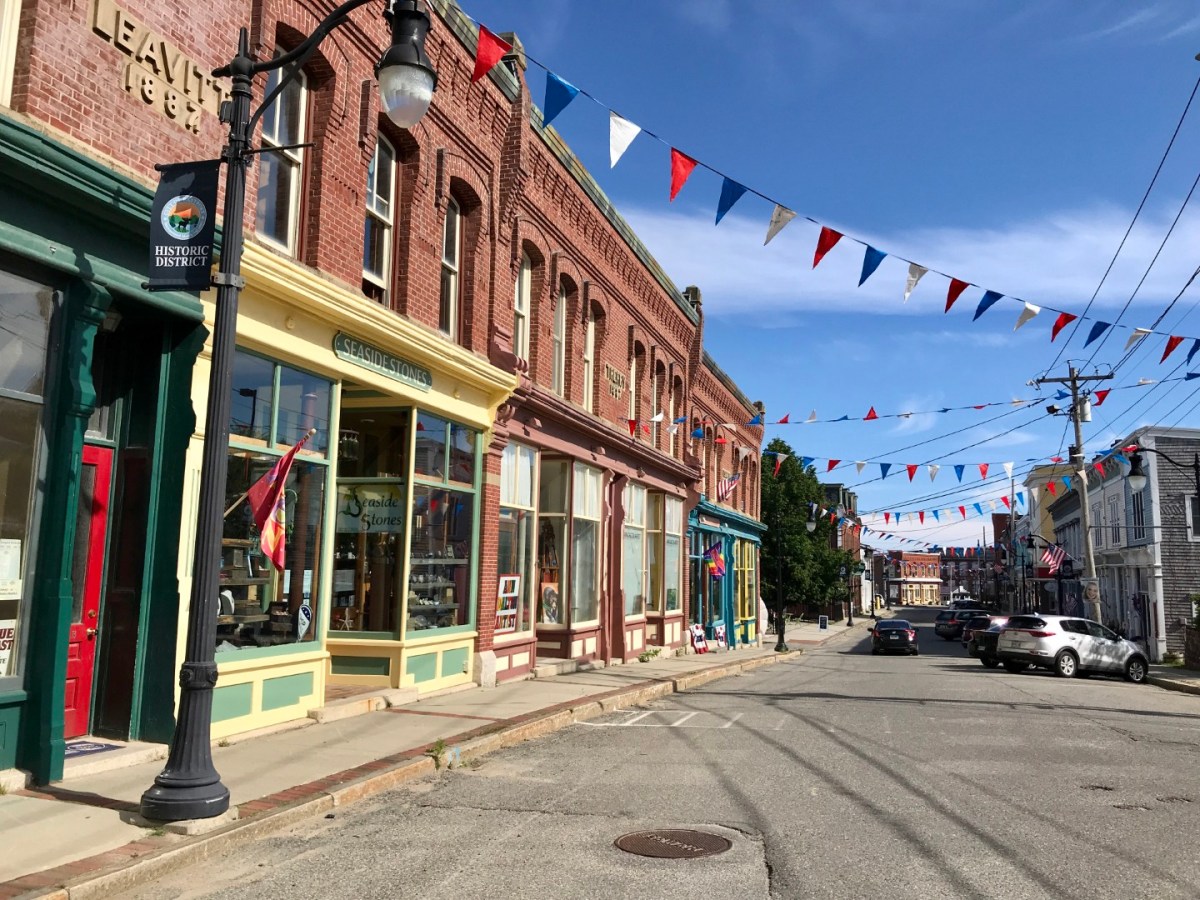
With few preconceived notions about the state’s easternmost and least populated city of less than 1,300 residents, I was delighted to find a charming downtown with an impressive number of shops and restaurants packed into a half-mile, harborside strip of ornate brick buildings.
There were nowhere near as many storefronts filled 18 years ago, when Michael Morse and his wife moved from Raymond and opened Eastport Breakwater Gallery.
“This historic downtown to us just seemed like it had potential, and it turned out to be true,” said Morse, now president of the Eastport Area Chamber of Commerce.
On a rainy afternoon, over a bowl of mussels inside one such establishment where my seat looked out onto a former Masonic Hall, I read what I could pull up about the city’s history, whenever my cellphone managed to access any data.
I was vaguely aware of the area’s association with the sardine industry but was shocked to find out that Eastport, even before turning to canning fish, had at one point in the 1800s been the country’s second-largest trading port after New York City, a result of its relative proximity to Europe, deep waters and dramatic tides that prevent ice from forming.
At the height of the fishery around the turn of the 20th century, there were 18 sardine factories in town and more than 5,000 residents. Imagining the bustling scene on the street below, it was easy to envision the potential for Eastport’s future. Clearly, with the renovation work happening at the Masonic Hall, the new cocktail bar and gift shop that have recently opened downtown and the 40-some cruise ships booked to make stops in the port through the fall of 2027, others can see it, too.
Before heading back to my accommodations for the night, I stopped at Look Lobster and purchased a tub of crabmeat, thinking I’d mix it with mayonnaise and pile it into rolls for an easy, no-cook dinner at the stove-less dome. That also required stopping at the IGA on the way, but when I pulled into the store’s parking lot, there were no other cars. I assumed it was closed.
Searching for whatever service I could, I tried to identify any other options for some basic provisions in town but came up empty, not even a convenience store to be found. Soon, another customer pulled in and entered the IGA, which, it turned out, was still open for another couple hours — until 7 p.m. I was relieved in the moment but had to wonder what people who live there do if they need something in a pinch in the evening.
Less than two months later, the problem became much bigger than that for residents of Eastport and the neighboring Passamaquoddy reservation. On Sept. 3, the IGA’s owner retired with no one willing to immediately take over. Although the Farmers’ Union in nearby Perry has staples and some fresh produce, the nearest full-sized grocery store is now 30 miles away in Calais.
The most pressing concern, of course, is for locals who rely on the market and not people in vacation rentals trying to build a charcuterie board, but having a grocery store will also be crucial to supporting the growth of the tourism industry, as the chamber aims to do.
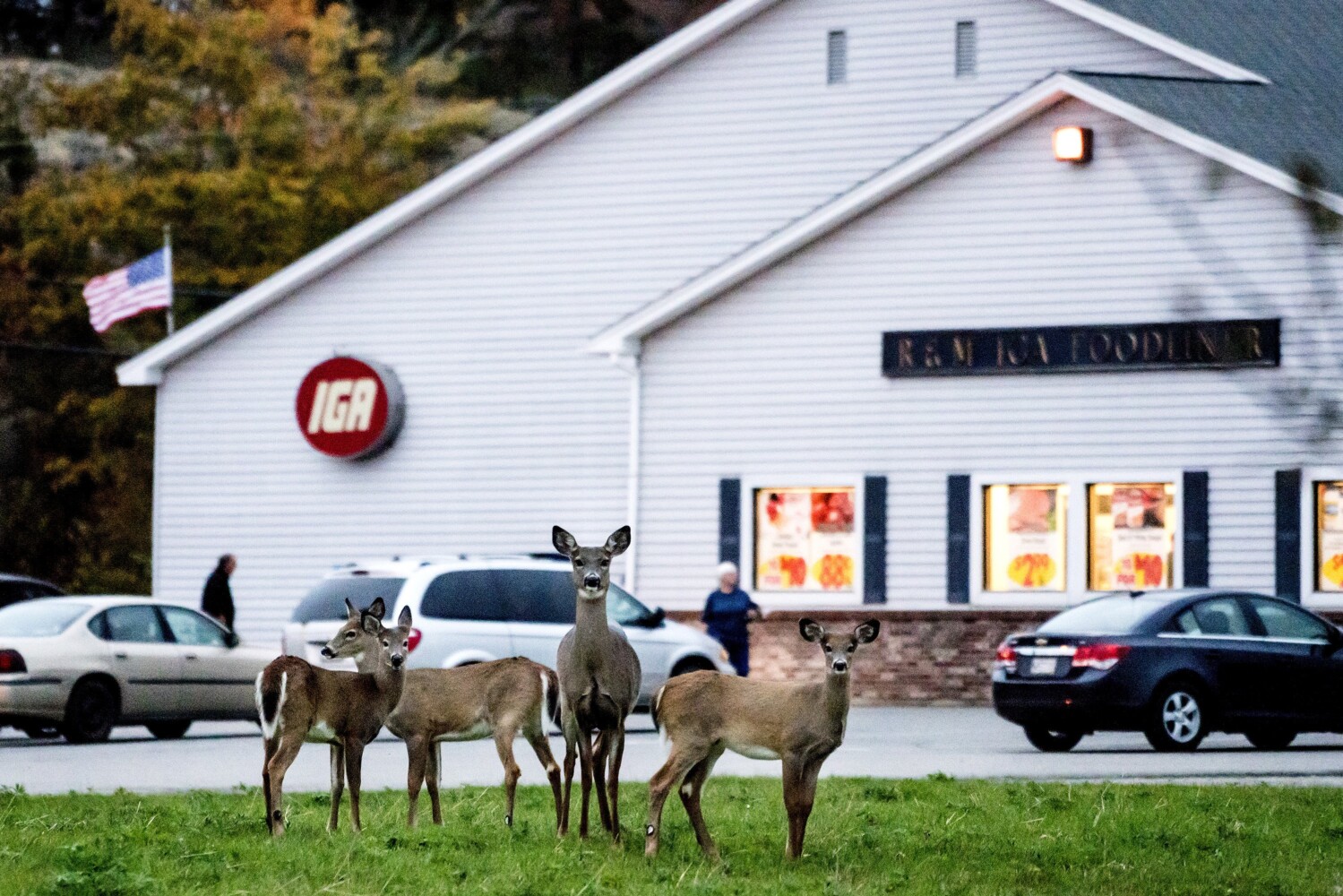
It’s understandable why there’s been hesitation among potential buyers of the IGA, including Edwards Brothers Supermarkets and the Passamaquoddy Tribe in Sipayik, which voted Tuesday not to pursue the purchase. The store’s former owner said that she had to work every single day just to turn a small profit.
Although the lack of dinnertime shoppers the day I was there only supports that, there’s also reason to believe change could be coming.
The day after the IGA closed, I got an email from a PR firm with the results of a survey conducted by an AI marketing platform that ranked Eastport No. 2 on a list of the country’s most underrated travel destinations. Despite the source, I can’t disagree.
As in-state travel gets more expensive with expanded shoulder seasons keeping accommodations costly for most of the year, more Mainers are likely looking to the farther reaches of our state and lesser-known nooks and crannies when planning their getaways. I know I have been.
With a packed schedule of community events (if you miss the Pirate Festival this weekend, there’s a witch-themed one next month) and plenty of activities and attractions nearby, Eastport is poised to benefit from travelers seeking a more authentic, accessible Maine destination than the increasingly overrun spots.
“The comment that we get is that this is a real small town. We’re not pretending to be something else,” said Morse, the chamber president, who doesn’t recognize Bar Harbor as the same place it was when he was growing up on Little Cranberry Island.
Right now, Morse said, Eastport is suffering from a drop in Canadian visitors and economic uncertainty everywhere. In light of that, the prospect of taking over the IGA is probably more daunting.
In terms of tourism, it’s a bit of a chicken-or-the-egg situation: Visitors require amenities that require a certain amount of business to survive. If the city is going in the direction it appears to be, though, whoever takes the risk of buying the grocery store now should also reap the rewards.

We invite you to add your comments. We encourage a thoughtful exchange of ideas and information on this website. By joining the conversation, you are agreeing to our commenting policy and terms of use. More information is found on our FAQs. You can update your screen name on the member's center.
Comments are managed by our staff during regular business hours Monday through Friday as well as limited hours on Saturday and Sunday. Comments held for moderation outside of those hours may take longer to approve.
Join the Conversation
Please sign into your CentralMaine.com account to participate in conversations below. If you do not have an account, you can subscribe here. Questions? Please see our FAQs.