

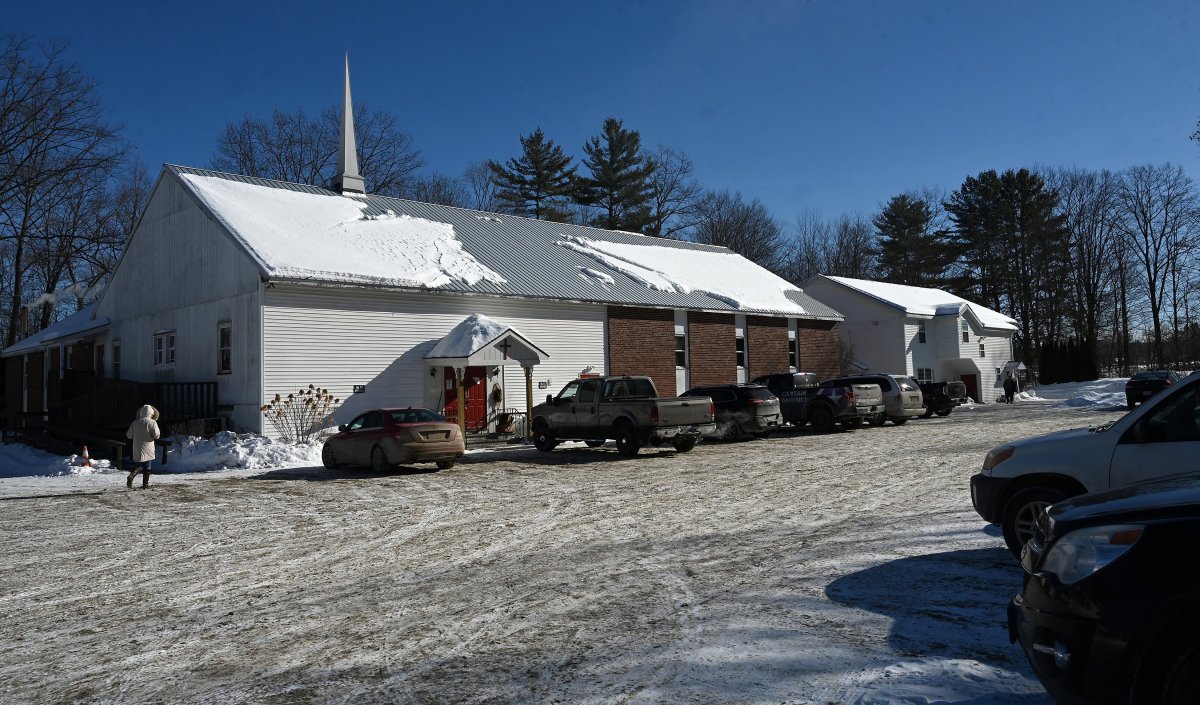
SKOWHEGAN — A judge has given a church that has long housed homeless people 30 days to move people out, marking the latest development in the town’s monthslong effort to get the church to address code violations.
The Trinity Evangelical Free Church at 12 McClellan St., which runs Shelters By Jesus, intends to continue housing the families and children that have been living in the church. Families will be moved to the church’s adjacent men’s shelter, its pastor, the Rev. Richard Berry, said.
Plans are in the works to prepare that building, which has not been subject of the recent legal clash, for that move in the coming weeks, Berry said in a phone interview Monday.
Town attorney Kenneth Lexier, of the Skowhegan law firm Mills, Shay, Lexier & Talbot, said Monday that Judge Jon Haddow made his ruling from the bench after a hearing Friday at the Skowhegan District Court. A written order from the judge is expected to follow, Lexier said. The 30-day period began Friday, meaning people need to be moved out by around Sunday, Oct. 18.
A court clerk in Skowhegan said Monday nothing further had been filed in the case.
The hearing Friday came two days after the town filed a land use citation and complaint against the church in court. The town said the church was not permitted for the current use of the church as a shelter, and the building lacked fire alarm and sprinkler systems, both deemed necessary under life safety codes for its actual use as a shelter.
The town sought a preliminary injunction ordering the church to remove all occupants of the church building and civil penalties of $100 to $2,500 per day per violation.
The church’s attorney, William Milasauskis, of the The Law Office of Scott Hess in Augusta, did not return messages Monday.
Berry said a contractor hired by the church is scheduled to meet with Skowhegan’s code enforcement officer this week to see what is needed to move people into the men’s shelter.
“We’re not closed down,” Berry said.
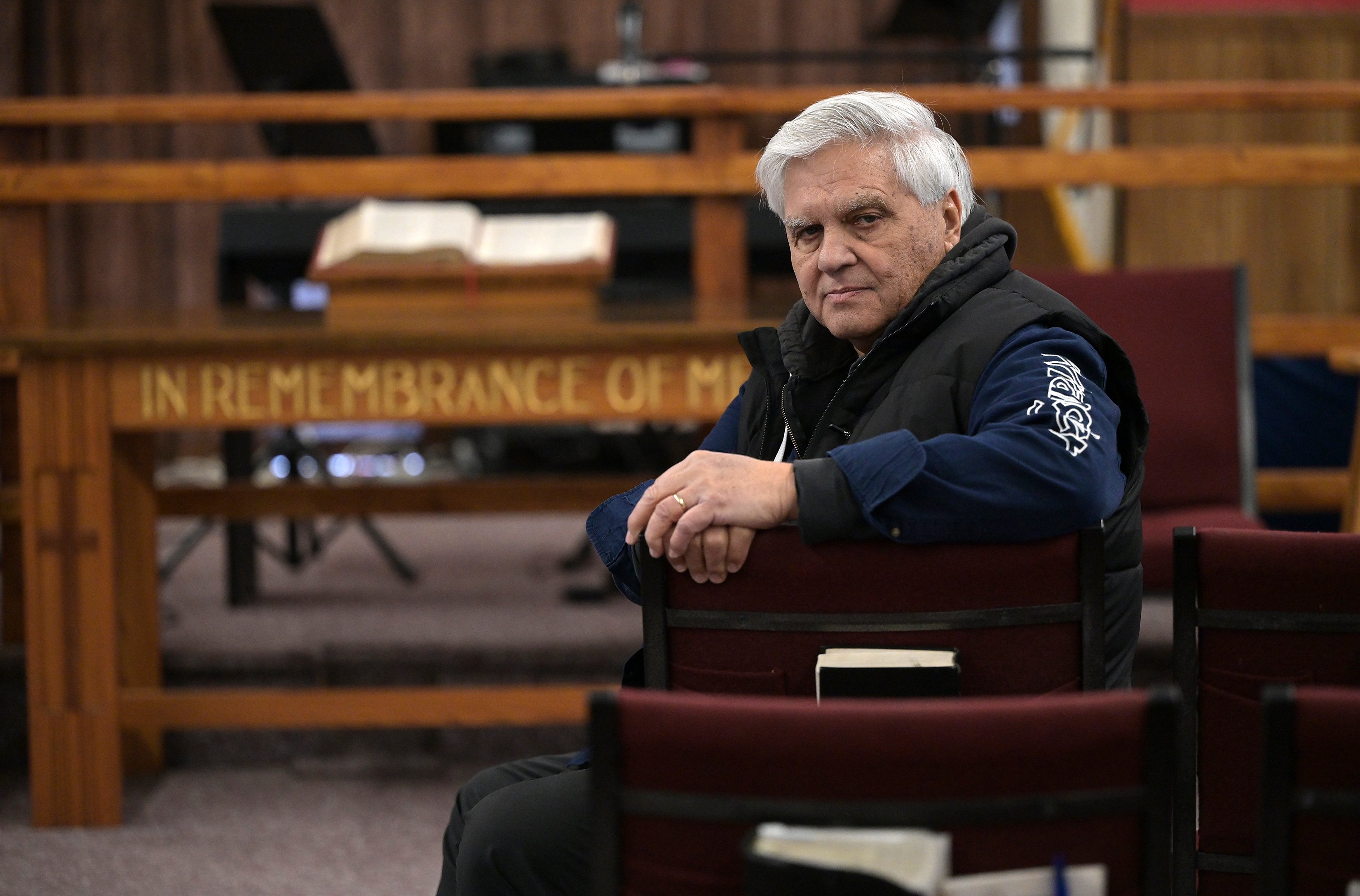
He is hoping to have the men’s shelter building ready to go by the 30-day deadline for vacating the church.
“Whatever we’ve got to do, that’s what we’ve got to do,” Berry said.
In daily videos on his Facebook page, Berry has said his organization is also continuing to fundraise for building new shelter space on the property. Town voters enacted a new ordinance in June setting out permitting requirements for homeless shelters in town.
The recent faceoff between the town and the shelter began when local and state officials found 27 code violations during an inspection Dec. 23, 2025.
The inspection, which involved the Office of State Fire Marshal, was initiated in response to complaints that people were living in the church building, town records show. The town had also been working with the shelter in the months prior to address a bedbug problem.
The church was inspected under the provisions for occupancy as a “hotel” because of the number of people living there, fire inspectors wrote in a report. That was one of the violations, too — that the building is registered as an assembly space and never applied for change in occupancy.
Skowhegan Code Enforcement Officer Aaron Crocker issued a notice of violation in January.
The shelter appealed the notice to the town Zoning Board of Appeals, which in February upheld the violations. Church Chairman Ken Allen’s main request to that board was for more time to fix the problems — but the board’s only authority was to determine whether town officials were correct in finding the violations during the inspection. Allen, at the February hearing before the board, said his organization had addressed 21 of 27 of the violations.
According to the town’s complaint filed in court last week, in late March, the town sent a letter to Allen allowing for an extension of time to address the violations.
This spring, Allen also contacted the office of Gov. Janet Mills, seeking an extension on the deadline to comply.
A spokesperson for Mills said she had no such authority. Her office also noted there were public safety concerns with the church’s violations, a letter sent to local state legislators says.
Around the same time, in May, Lexier sent the church a cease and desist letter, demanding that adults and children living in the church be moved out immediately. The letter said the facility remained in violation of national fire protection codes that require a supervised sprinkler system and a monitored fire alarm system.
The town placed a placard deeming the church an “unsafe building” later in May.
And in June, the Skowhegan select board authorized taking legal action against the church.
The complaint filed last week alleged the church changed the use of property from a religious assembly space to a “facility for transient occupation” without review and permitting by the town. It also alleged the church was out of compliance for codes for that kind of facility, which require a monitored fire alarm system and a supervised sprinkler system.
Berry, who has been pastor at the church since 1992, said previously he started offering shelter space on the property 18 years ago. The shelter, funded by donations to the religious organization, also runs a food pantry and serves meals.
The men’s shelter next to the church was built in 2011. Berry said he started letting families stay in the church in the years after the men’s shelter opened.
Town records show several instances in which local code enforcement and the state fire marshal’s office have been involved with issues at the shelter, dating as far back as 2009.

Comments are not available on this story. Read more about why we allow commenting on some stories and not on others.
We believe it's important to offer commenting on certain stories as a benefit to our readers. At its best, our comments sections can be a productive platform for readers to engage with our journalism, offer thoughts on coverage and issues, and drive conversation in a respectful, solutions-based way. It's a form of open discourse that can be useful to our community, public officials, journalists and others.
We do not enable comments on everything — exceptions include most crime stories, and coverage involving personal tragedy or sensitive issues that invite personal attacks instead of thoughtful discussion.
You can read more here about our commenting policy and terms of use. More information is also found on our FAQs.
Show less