

WATERVILLE — A children’s camp in Belgrade has secured a protection from harassment order against a neighbor following an armed confrontation in August and “years of problems.”
Judge Charles Dow granted the order Monday in Waterville District Court after the two sides reached an agreement.
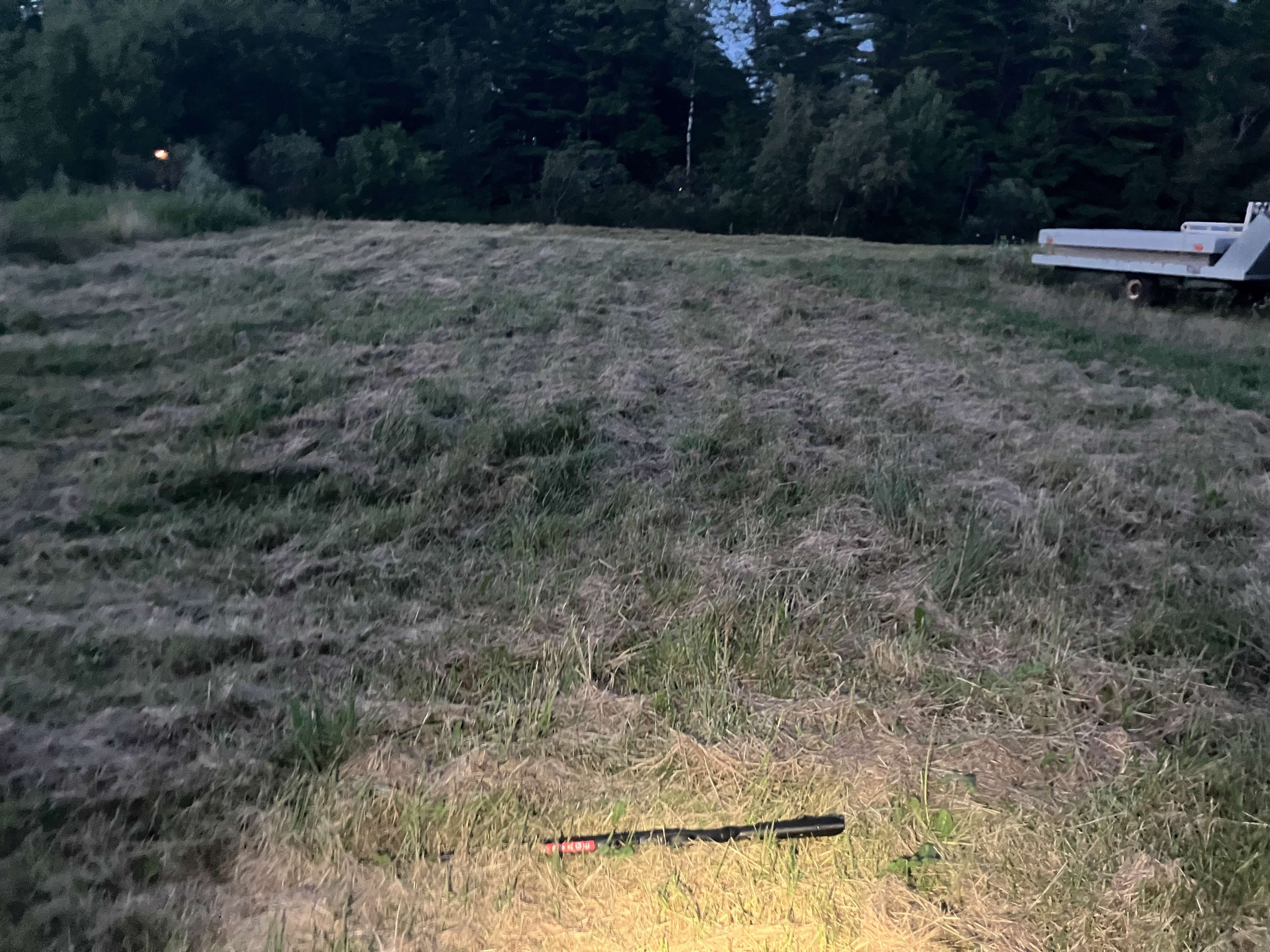
Nathan Hewett, 36, allegedly fired about 20 shots from a semi-automatic rifle near Camp Modin on Aug. 7 after a dispute with the camp’s security guards. At the time, about 400 campers and staff members were at the camp. No one was injured.
Attorney Aaron Baltes, representing Camp Modin and Hewett’s attorney, William Bly, agreed to the protection order before the case moved to a trial. Hewett will be blocked from the camp premises and from having any contact with camp personnel for one year.
In the camp’s complaint against Hewett, Pascal Cohen, the camp’s owner and executive director of the Jewish summer camp, and security guard Timothy Black described a repeated pattern of harassment from Hewett, particularly when Hewett is intoxicated. Hewett is suspected of using alcohol during the incident, according to court documents.
Cohen, owner and executive director of the Jewish summer camp, began seeking a protection order after the alleged shooting.
Hewett is charged with reckless conduct with a firearm, criminal threatening with a dangerous weapon, terrorizing with a dangerous weapon and discharging a firearm near a dwelling. Under the conditions of his bail, he is barred from accessing dangerous weapons and using alcohol.
Law enforcement officers seized 23 firearms from Hewett’s property following the incident, many of which were semi-automatic. Kennebec County Sheriff’s Deputy Tyler Johnson stated in his affidavit for probable cause that Hewett is suspected of having an antisemitic bias.
Hewett’s dispositional conference — a nontestimonial hearing where the involved parties discuss the merits of the evidence, defense and motions with a judge — is scheduled for Nov. 10. at the Capital Judicial Center in Augusta.

Comments are not available on this story. Read more about why we allow commenting on some stories and not on others.
We believe it's important to offer commenting on certain stories as a benefit to our readers. At its best, our comments sections can be a productive platform for readers to engage with our journalism, offer thoughts on coverage and issues, and drive conversation in a respectful, solutions-based way. It's a form of open discourse that can be useful to our community, public officials, journalists and others.
We do not enable comments on everything — exceptions include most crime stories, and coverage involving personal tragedy or sensitive issues that invite personal attacks instead of thoughtful discussion.
You can read more here about our commenting policy and terms of use. More information is also found on our FAQs.
Show less