


The images of Olympic glory that are etched in people’s minds are often the same athletes. And, often, the same sports…
When people think of the Summer Olympics, they think of Michael Phelps winning eight gold medals in swimming in 2008. Or the Dream Team — with Michael Jordan, Magic Johnson and Larry Bird, among others — that set the standard for men’s basketball dominance in 1992. Or gymnast Kerri Strug landing a vault on a hurt ankle in 1996.
The biggest names — swimmer Mark Spitz, sprinter Florence Griffith Joyner, or sprinter Usain Bolt — belong to those sports as well. Track and field gets the headlines. Or swimming does. Or gymnastics. Or basketball.
But the Olympics are the pinnacle for several niche sports as well. Sports that fly under the radar, but feature just as much drama, tension, athletic prowess and challenge as the offerings that take up the spotlight.
Those sports and disciplines are on the national stage for the next 18 days, but they’ve also been able to build roots and followings in America. Even in the state of Maine.
Here’s a local perspective at some of the lesser-known, yet captivating, events that will be taking place in Tokyo:
SPORT CLIMBING
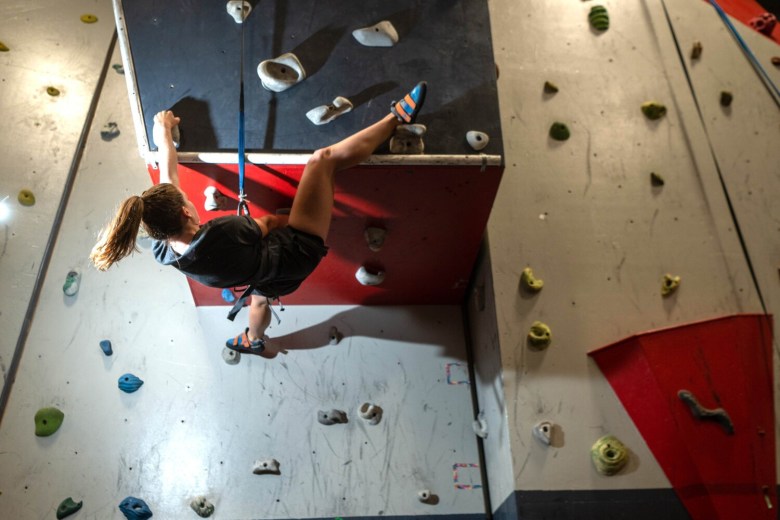
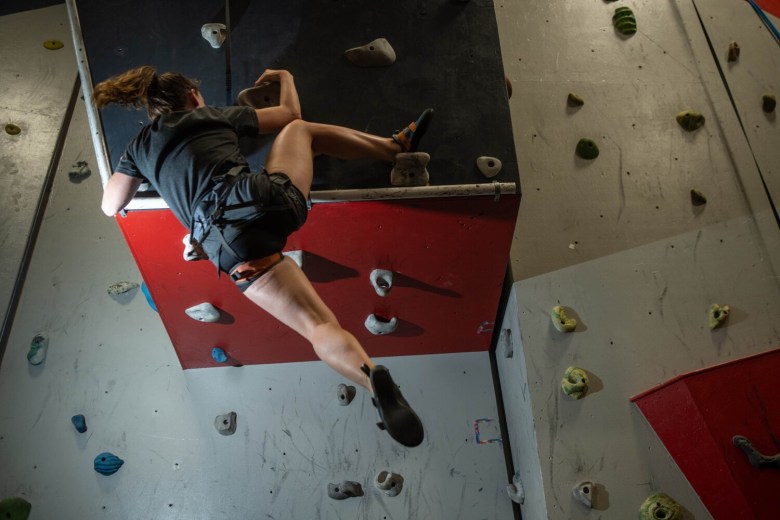
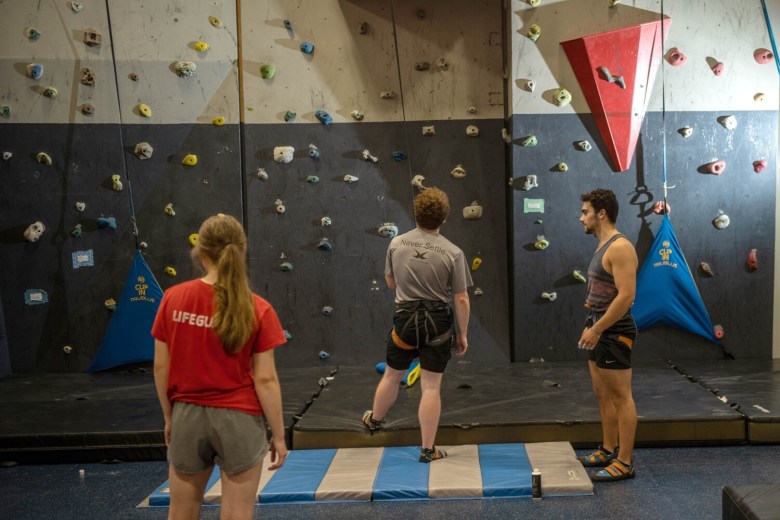
Megan Simeone likes that sport climbing is a new addition to the Olympics. Simeone, 20, of Burnham, is not enthusiastic about the format Olympic organizers chose for scoring. Climbers will be scored by combining how they fare in the three climbing disciplines: speed climbing, lead climbing and bouldering.
“Normally, people specialize in one of them. It’d be like if you had to qualify in all the events in swimming. Nobody does that,” Simeone said Tuesday as she waited to take a turn on the climbing wall at Waterville’s Alfond Youth and Community Center.
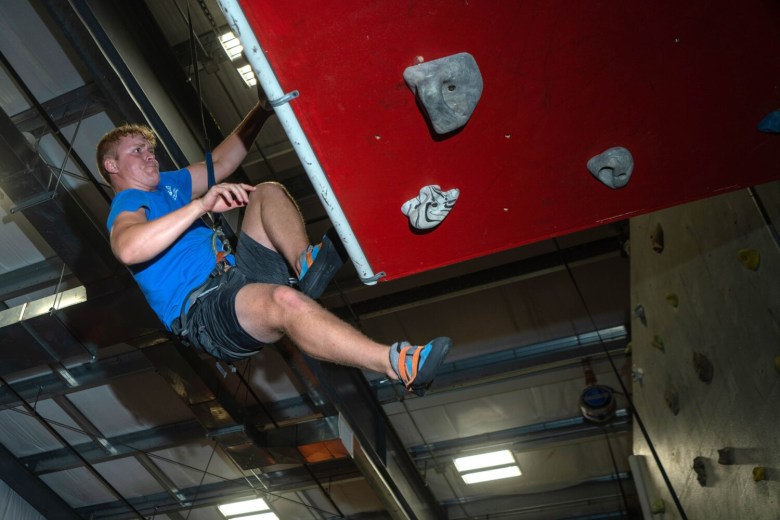
Speed climbing is just that — rock climbers scale the wall as quickly as possible without any falls. Lead climbing involves climbing a wall that could be as tall as 50 feet in a fixed amount of time. Bouldering involves climbing over the most obstacles on the route up the wall.
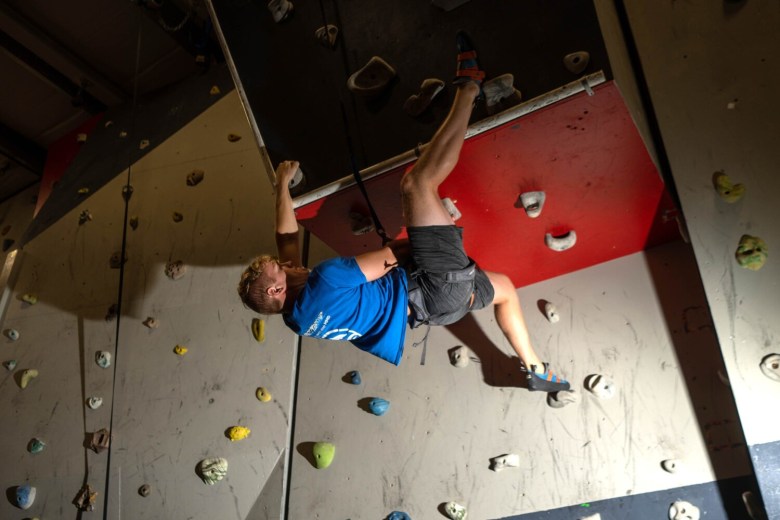
Simeone and Eric Booth, 19, of Winslow, point to bouldering as their favorites. Simeone and Booth are teammates on the Wheaton College swim team and frequently use the AYCC’s climbing wall.

“I swim in college and I’m a sprinter, and (bouldering) is as close to sprinting you can get,” Simeone said.
“Bouldering is just more fun,” Booth added, rubbing chalk on his hands in order to get a better grip on the wall’s obstacles.
During Tuesday’s climbing session, Booth and Simeone each took multiple routes up the AYCC’s climbing wall.
HAMMER THROW
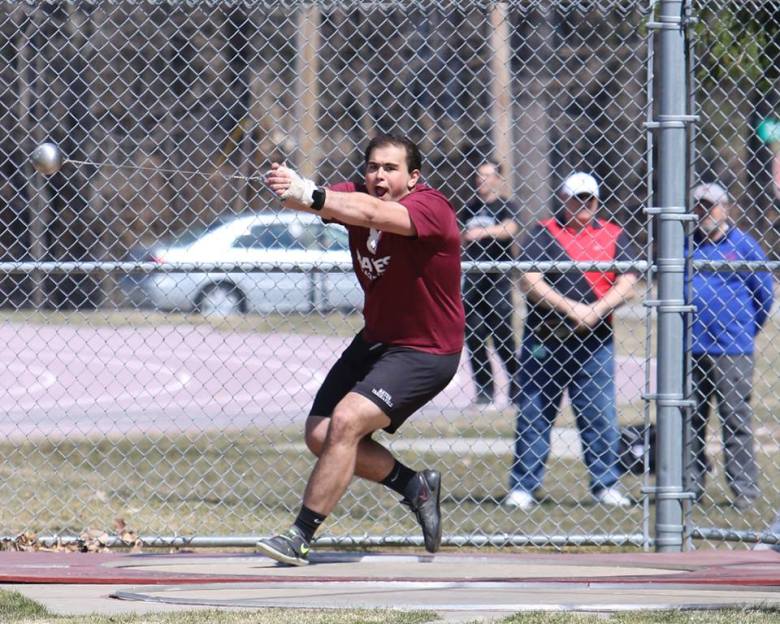
The event’s name is kind of a misnomer. The track and field hammer is not a hammer. It’s not like the axe throw at a lumberjack competition. The hammer you’ll see thrown during the Olympics is a heavy ball attached to a chain.
And, wow, it flies.
Nick Margitza, a 2012 Waterville Senior High School graduate, knows all too well.
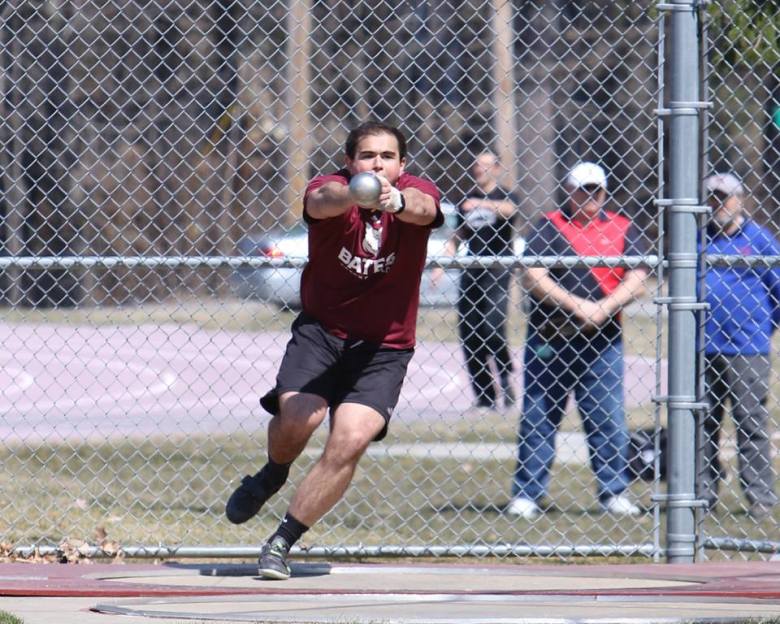
“The shot we throw is the exact same weight as the hammer, 16 pounds,” said Nick Margitza, who was the New England Small College Athletic Conference champion in the hammer throw while competing for Bates College in 2016. “A good thrower can throw the shot between 50 and 65 feet. A good hammer throw is 200-plus feet. As a freshman coming into Bates, that was a cool attraction.”
The men’s hammer is 16 pounds, while the women’s is 8.8 pounds, 4 kilograms. Hammer throw is not offered in many high school track and field programs for a handful of reasons, safety and cost of equipment among them.
A good hammer throw is a combination of grace and strength, said Rachael Bergeron, a Waterville native who went on to win the America East Conference title in the hammer at the University of Maine. Also crucial to the event is building up speed and force before releasing the hammer at just the right time. Getting the steps of the spin correct is pivotal as well. A former dancer, Bergeron found the hammer easy to pick up.

“Being in dance, I was used to spinning and spotting,” said Bergeron, who works for Atwood Labs in Scarborough. “It’s a lot of technique and timing. A decision made in a millisecond can make the difference in a throw.”
Margitza said will cheer for Rudy Winkler. Winkler broke the 25-year old American record in the hammer with a throw of 271-4 at the U.S. Olympic trials in June.
“One thing you’ve got to respect about countries around the world is, track and field’s not just a high school and college thing and then it’s over,” Margitza said. “These guys work at it into their late-20’s. They’re in their prime. They get stronger.”
FENCING
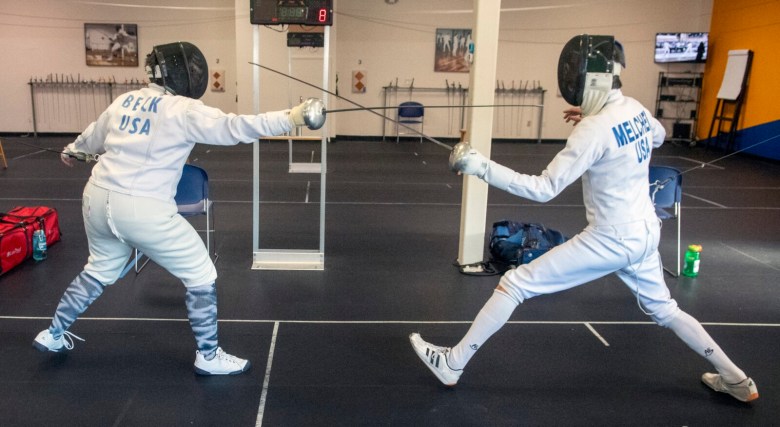
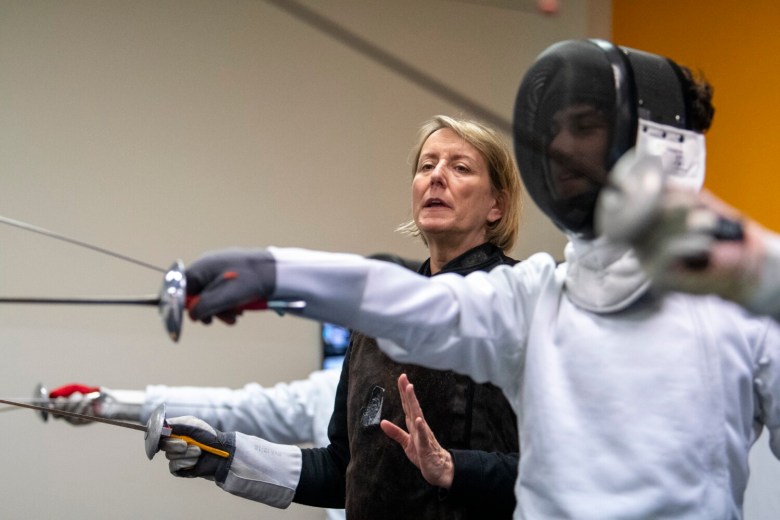
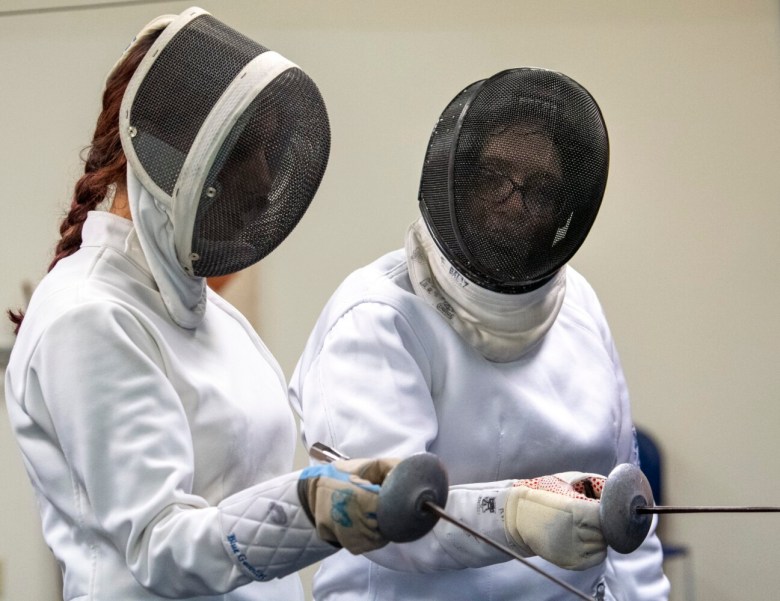
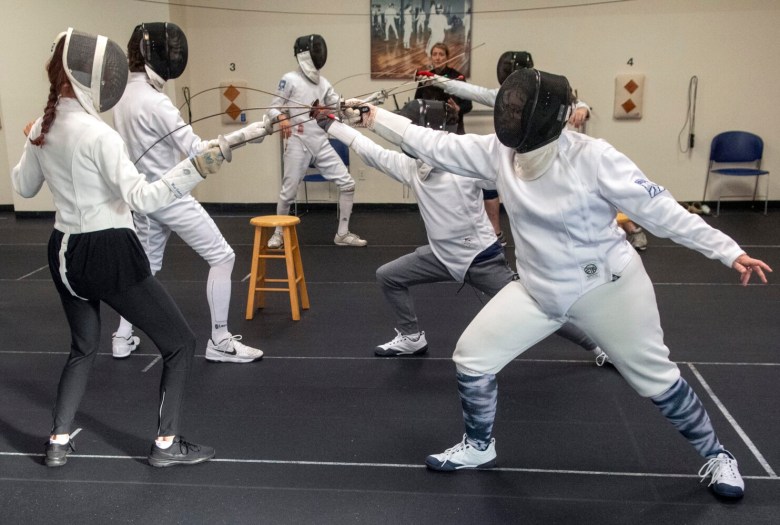
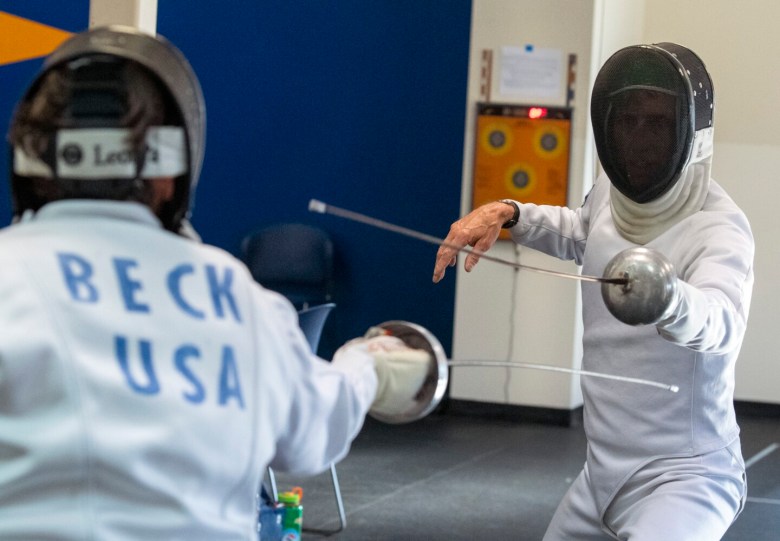
Fencing, an Olympic sport since 1896, is divided into three disciplines: foil, epee and sabre.
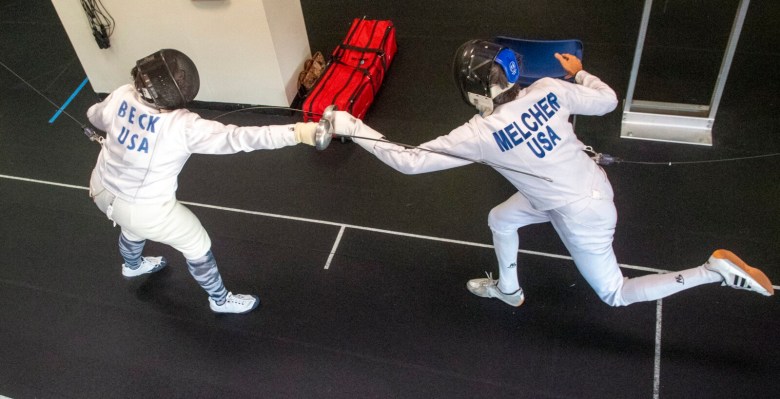
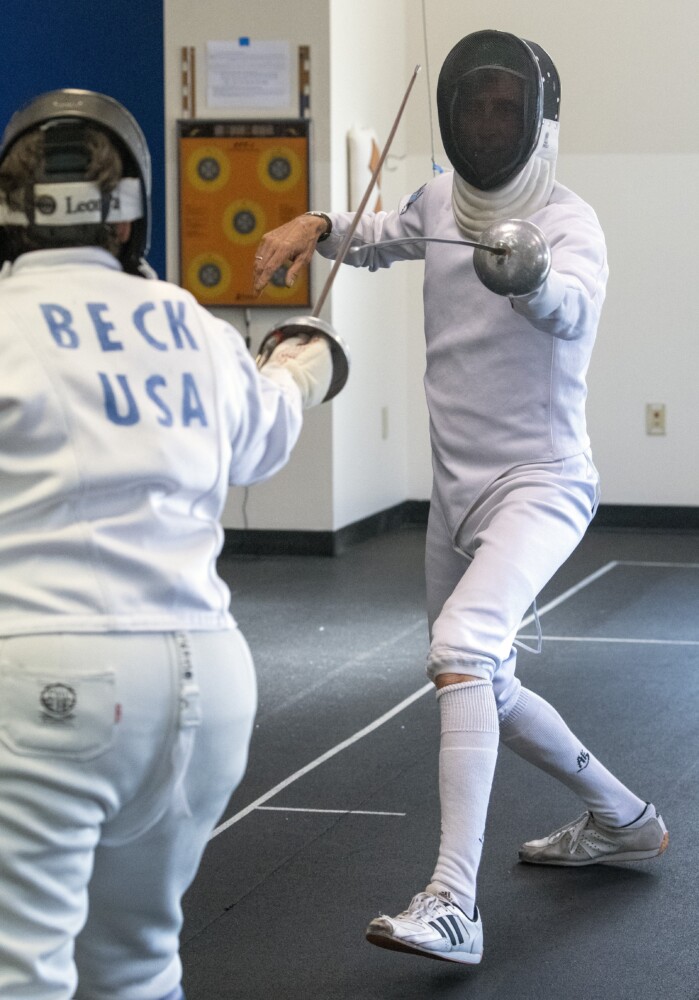
Each discipline features a different sword. A foil blade is light and flexible, with a rectangle cross section. Foil competitors only score points when their blade hits an opponent’s vest. Epee involves a sword with a heavier thrusting blade, and participants can score points by touching their blade anywhere on an opponent’s body. Sabre fencing involves more of a slashing motion as opposed to the thrusting motion of foil and epee. The target area includes an opponent’s upper body, as well as the head and arms.
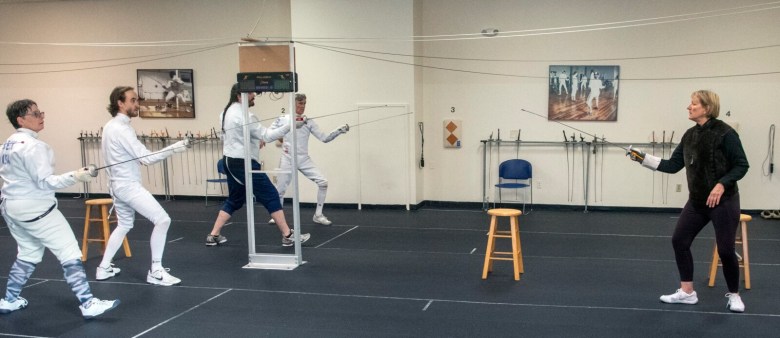
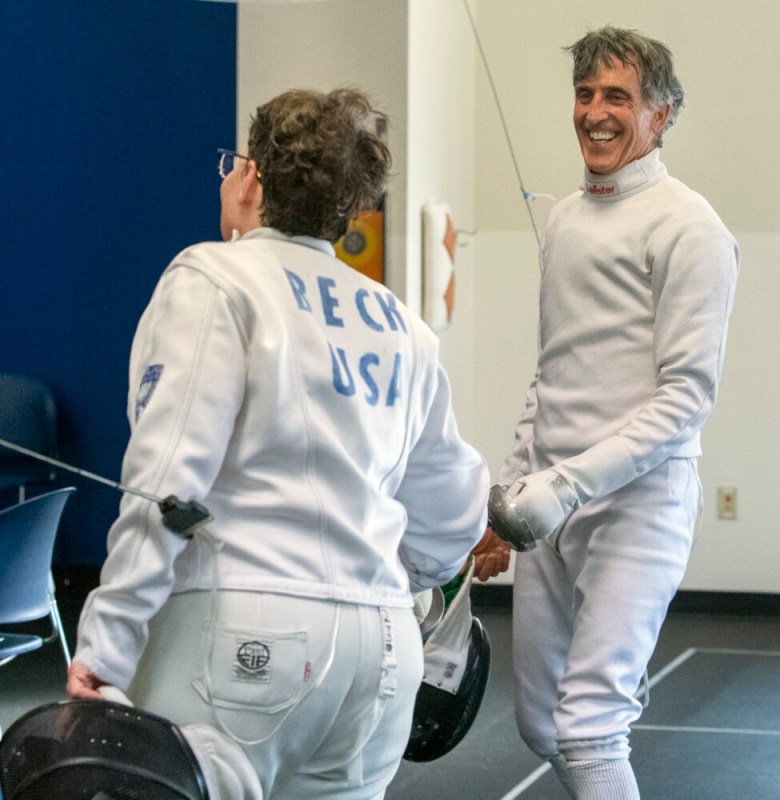
Sara Beck and Charles Melcher are fencing veterans who train at Portland Fencing Center. Beck, 56, said she picked up the sport when she turned 40. She credits the sport with helping her body come back from double hip replacement surgery in 2019.
“In February of 2019, I had the right one done, and then in December of 2019 I had the left one done,” Beck said. “The worst way to take 12 weeks off.”
Beck said she also appreciates the mental aspect of fencing as well.
“What I love about fencing is, I have to concentrate,” Beck said. “I have to focus (on the opponent), or I’m going to get bruises.”
Melcher, 66, got into the sport six years ago thanks to his son, Jack, who also fences.
“It’s a workout,” Melcher said. “Just coming here two to three times a week is aerobic, and that’s great. The other part is, there’s so many parts to learn. So many times I’m thinking, ‘Oh my god, how do I get these parts to fit?’ Because there’s timing. There’s strategies you’ve got to think about in fencing somebody else. It’s that mental part that’s so challenging, along with that physical part.”
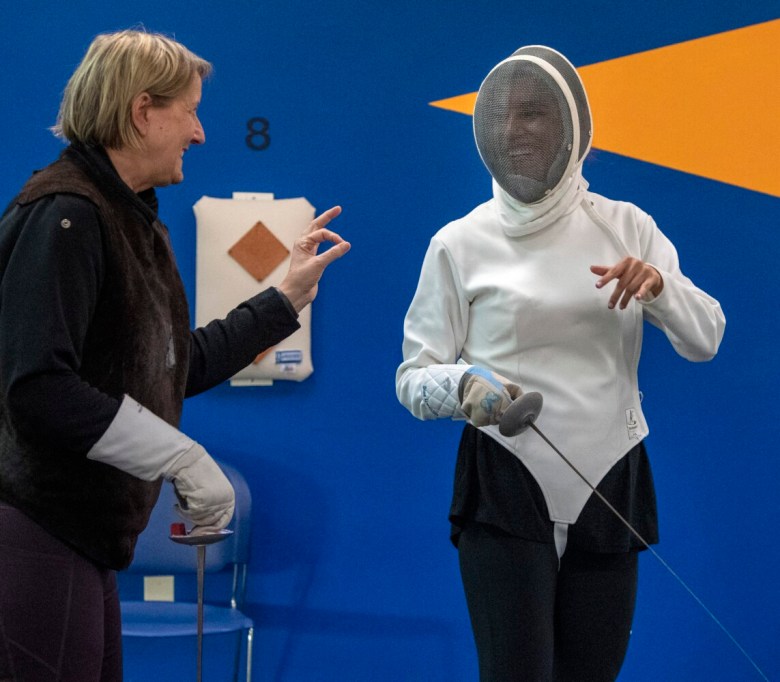
“It’s nice, because I’ve had (Beck and Melcher) since they first started, and they’ve worked and really have come a long way,” added coach Nancy Reynolds, who has been running the Portland Fencing Center since 1997.
Reynolds trains several young students at the fencing club, including 16-year-old Dominic DeGrinney.
“It’s more a singular sport, it’s not a team sport,” DeGrinney said. “There’s also the killer instinct, I guess. Where you’re kind of (in the moment) and have to have to poke someone, get the touch, basically. I don’t get that as much in soccer or lacrosse, which were other sports I played.”
TABLE TENNIS
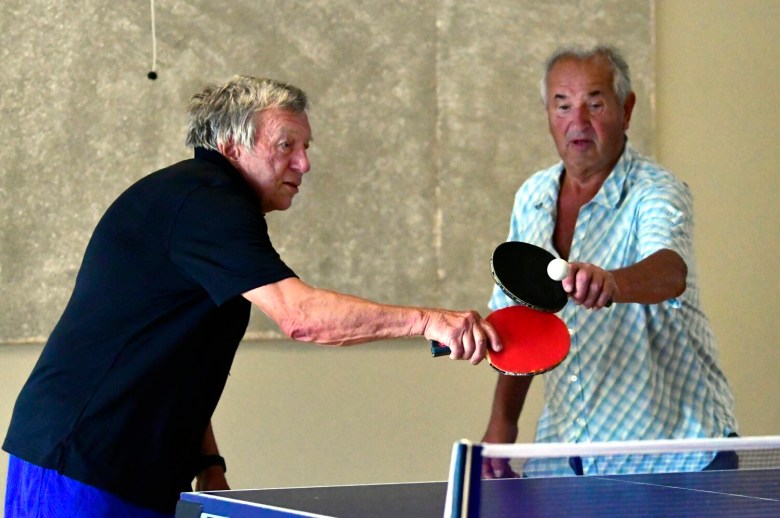
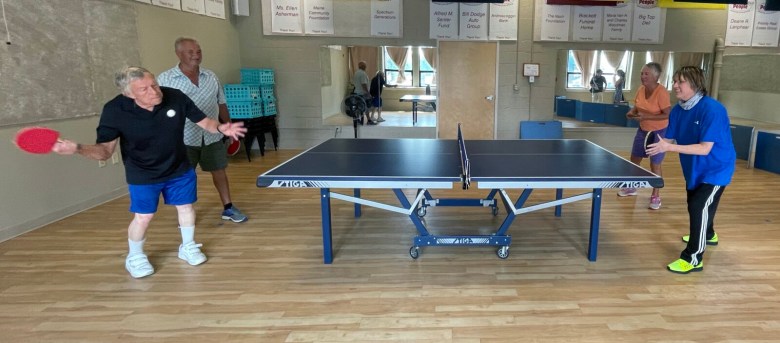
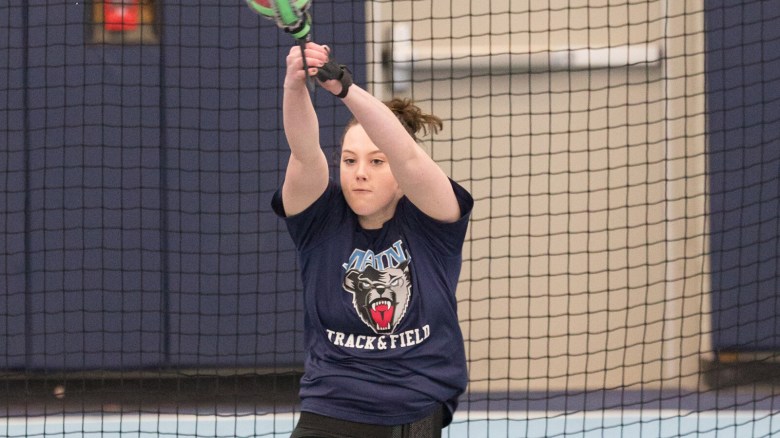
Commonly referred to as ping pong, table tennis is played with two wooden paddles and a hard plastic ball. Traditional tables are 9 feet long and 5 feet wide. They resemble a mini tennis court on a table.
The Guinness World Record for fastest serve is 70 mph. It’s possible some Olympic competitors could reach that speed in competition.
The sport is played recreationally, as well as competitively, throughout Maine.
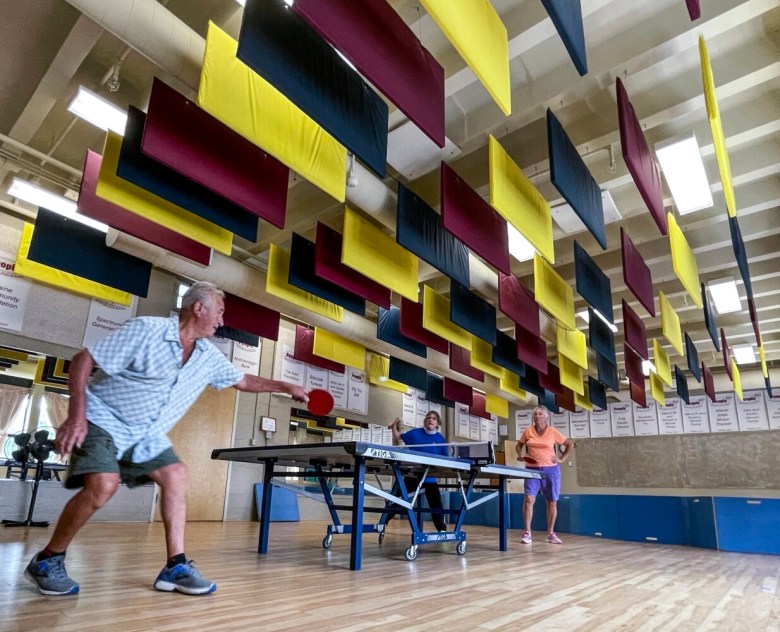
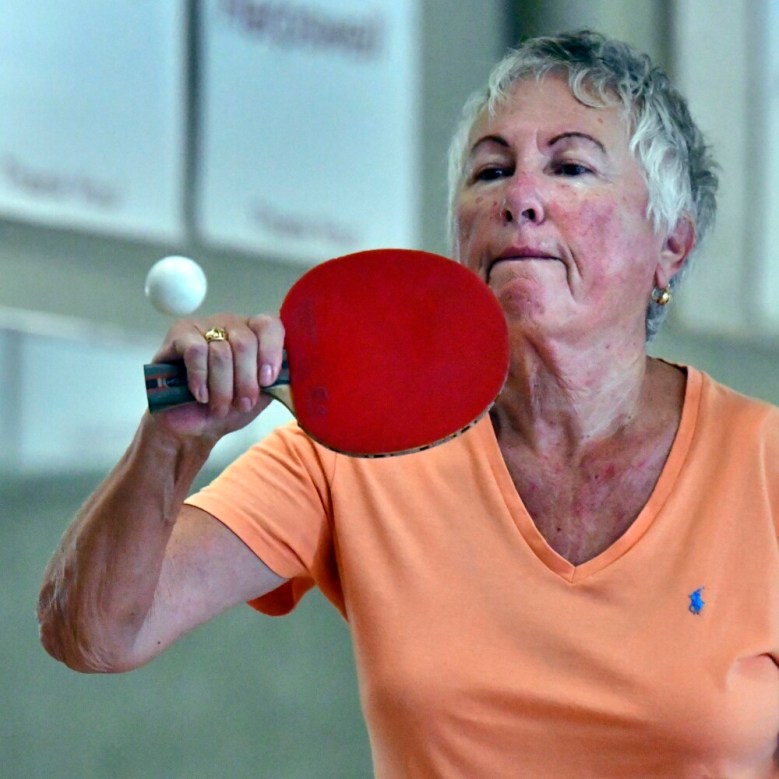
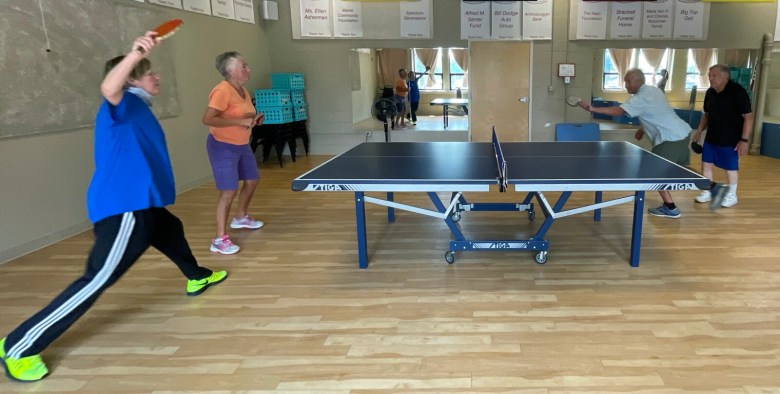
At the People Plus Tennis Club in Brunswick, senior citizens gather for some competitive games each week.
“We have fun,” said Steve Winter, 76, of West Bath, who helps manage the group play at People Plus. “We still have some of the competitive juices flowing. Everyone who plays loves the game. It’s a great leisurely activity for us retired folk.”

Added Chrissy Six, 62, of Topsham: “I love it. There’s something new every day, and it’s always a fun time when you’re playing,” said Six, who added she’s been playing around three years. “You can improve, too, which makes you want to keep on going and continue to get better.”
The Maine Table Tennis Association hosts competitive tournaments each year. It also crowns a state champ.
Sonu Bhatia, 50, of Westbrook, says he’s played competitive table tennis for four decades.
“We have a good scene of quality table tennis here in Maine,” he said. “It’s a game that anyone can play regardless of age or level of skill, which is enticing and helps grow the game.”
SHOOTING
Shooters at the Olympics have several areas in which to compete. There are rifle, pistol and shotgun categories, with the rifle shooters firing from 50 meters, pistol competitors shooting from 25 meters, and shotgun shooters competing in the trap and skeet disciplines.
Trap shooting involves hitting targets fired from one location, while skeet shooting requires competitors to hit targets sent out from two. The targets can reach 70 miles an hour, and Jerald Copp, a national skeet champion as a teenager, said a shooter’s precision and sense of timing is tested.
“Your hand and eye coordination definitely play a part of it,” said Cumberland’s Copp, now 58. “A lot of practice to get the timing down makes a big difference.”
With the targets moving so quickly, Copp said that accuracy can leave even the best shooters at any moment.
“Most definitely,” he said. “There are many times you think ‘I’ve finally conquered it. I’ve finally reached the level that I want.’ And the very next time out to the field, you get knocked down a few pegs.”
Competitive shooting has a strong base in Maine as well, with Scarborough Fish and Game, Capitol City Rifle and Pistol Club in Augusta, and Hampden Rifle and Pistol Club among the establishments holding matches in everything from high-powered rifle to small bore to handguns.
“We shoot all year round,” Scarborough rifle instructor Charles Largay said. “If it’s in the Olympics, we do it.”
The Olympics also feature an airgun category, or rifle and pistol competitions where the guns are powered by compressed air. Airgun has grown locally as well.
“I’ve seen a popularity surge in the air rifles,” Capitol City chief instructor Mike Bolduc said. “(People) can shoot in suburban areas without (inviting) the ire of a neighbor. That enables them to continue to practice their sport uninterrupted.”
CANOE SLALOM
Canoe slalom isn’t the most pleasant sport. Just ask a man who’s done it.
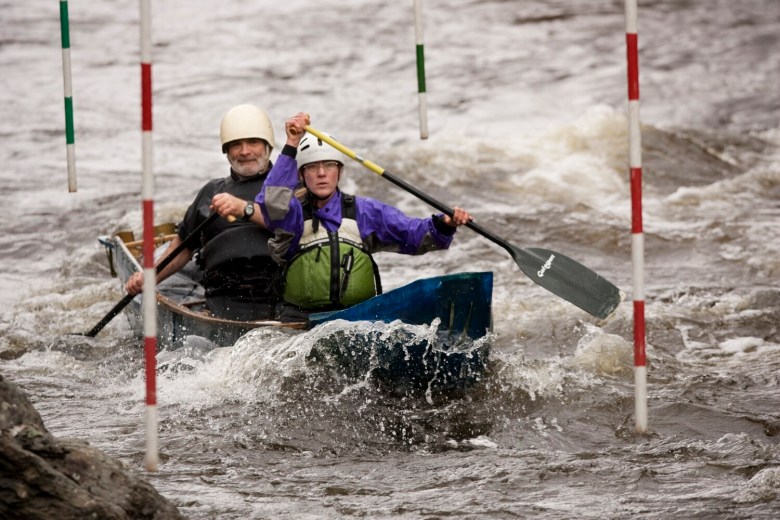
“It’s kind of a hard thing to do,” said Hank Thorburn, 60, of Harpswell, a member of the U.S. team from 1978-85. “The cold water hits you in the face. It’s tough. It’s not for the faint-hearted.
“But once it bites you, it’s over for you. You just do it.”
Canoe/kayak, as it’s known in the Olympics, has been a part of the Summer Games since 1936, and since 1972 has included slalom racing in addition to flatwater sprint racing. Like slalom skiing, paddlers in this discipline go through gates while traversing down through whitewater rapids. There are usually 25 gates and are often so tightly spaced that paddlers have to work their way back upstream and fight through currents to get through.
Thorburn, who was ranked 12th in the world in 1980, said the sport is a physical test, but an exciting one.

“You’ve got to love it. There’s not a lot of glory,” he said. “It takes hand-eye coordination, strength, agility. It’s really quite a sport. If you watch an Olympic slalom guy, it’s pretty impressive, the amount of athleticism they have. It’s a lot of technique. It’s hundreds and hundreds of hours of technical, going around gates and figuring out how the water pushes you.”
The sport is big in Europe, but has a presence in the United States, and in Maine. The Kenduskeag Slalom, held in Bangor every May, is the state’s only slalom race. It is part of the New England Slalom Series that competes throughout the region.
Like Thorburn, race organizer Clayton Cole said the slalom is challenging, but rewarding.
“(It) will improve your boat-handling skills, no matter what other kind of paddling you do,” he said. “You’ll learn to read the water better, you’ll learn better how to maneuver between rocks. … We force people to do stuff they wouldn’t normally do just floating down the river.”
Kennebec Journal/Morning Sentinel writer Dave Dyer and The Times Record staff writer Eli Canfield contributed to this report.






Comments are no longer available on this story