
Watch now: ‘Breakdown in Maine’ a FRONTLINE documentary
The film has been nominated for a George Foster Peabody Award for public service and two news and documentary Emmy awards.
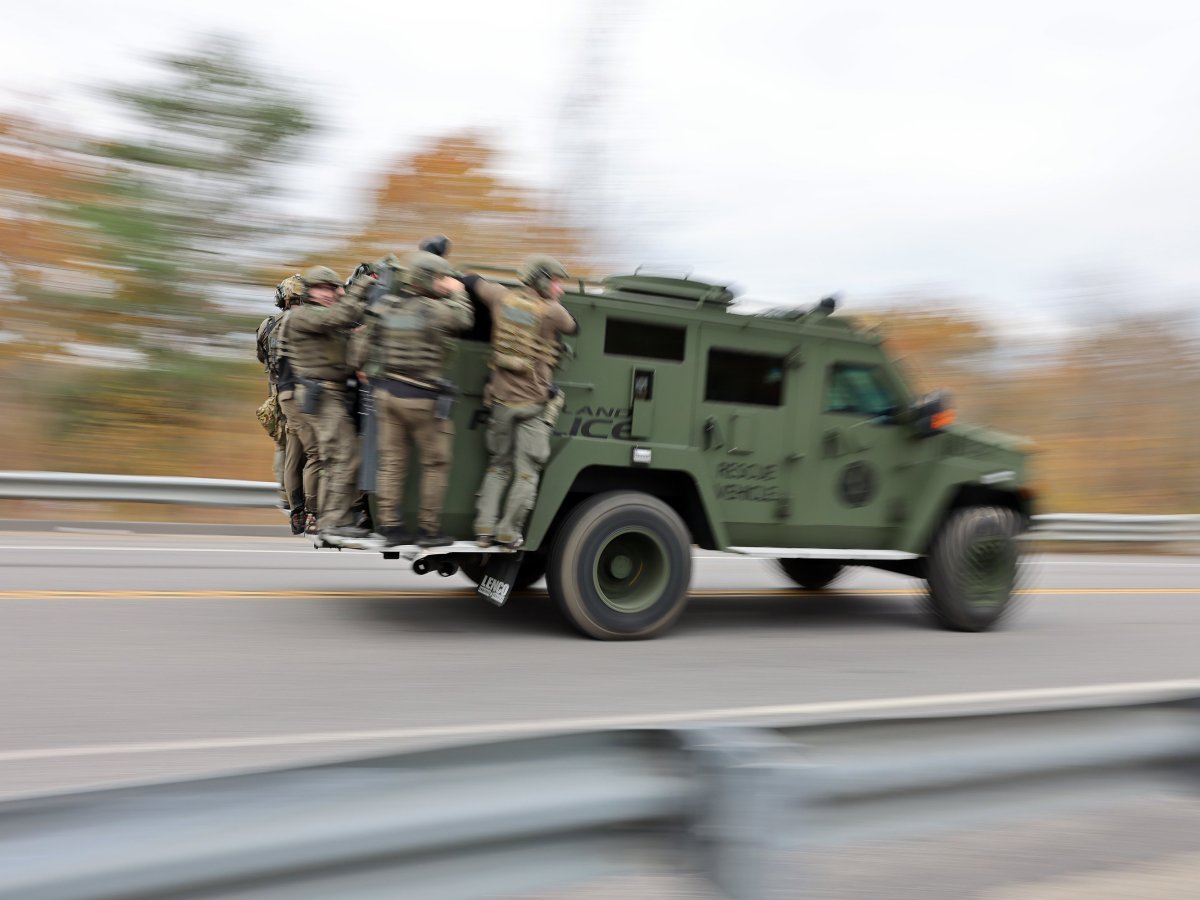
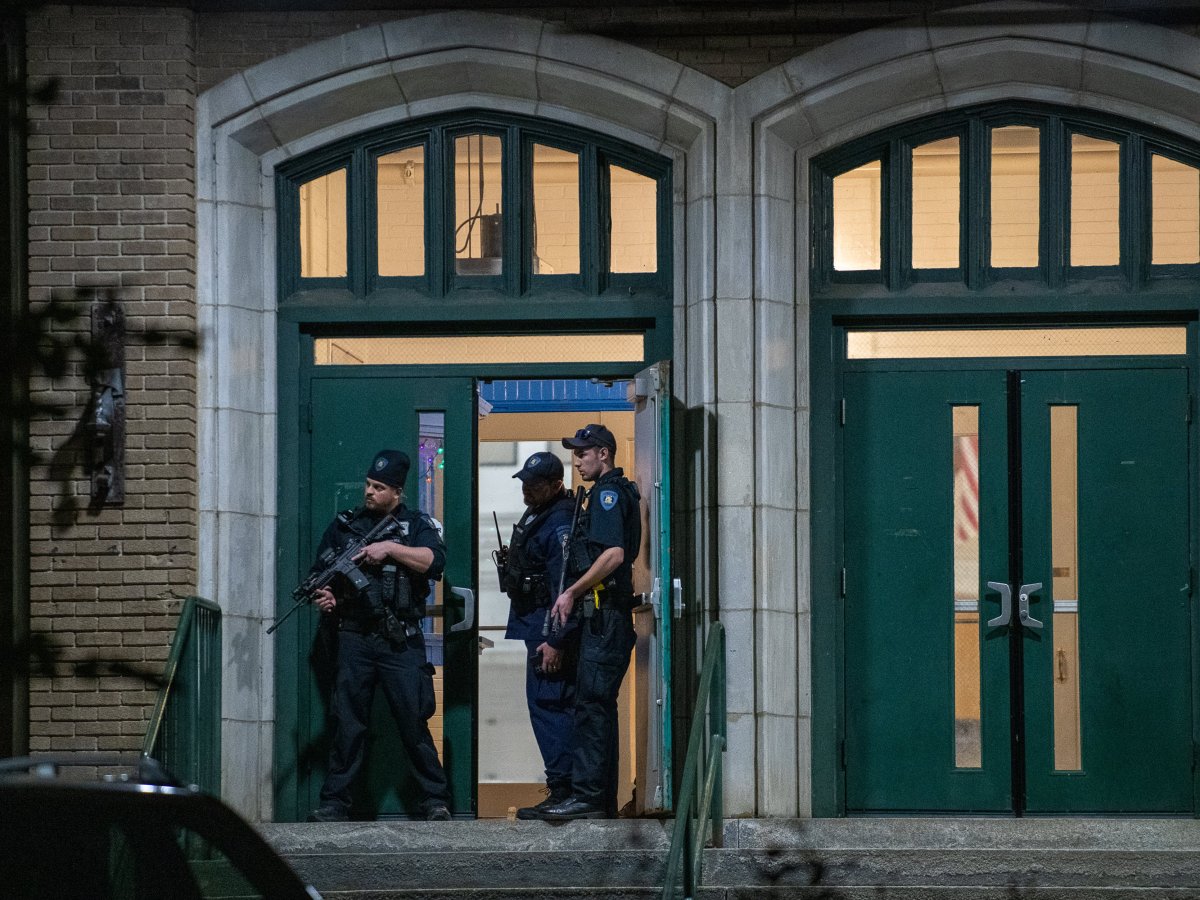
FRONTLINE, the Portland Press Herald and Maine Public investigate the deadliest mass shooting in Maine history and the missed opportunities to prevent it. The documentary examines breakdowns with police, military and mental health care in the lead-up to the Lewiston shooting in October 2023.
Breakdown podcast: Turning anguish into action
Breakdown: Turning anguish into action | Podcast Ep. 1: Did we really survive this?
We meet several people who are trying to recover from the Lewiston mass shooting and learn about the fallout for members of the shooter’s family, who must also contend with his painful legacy.
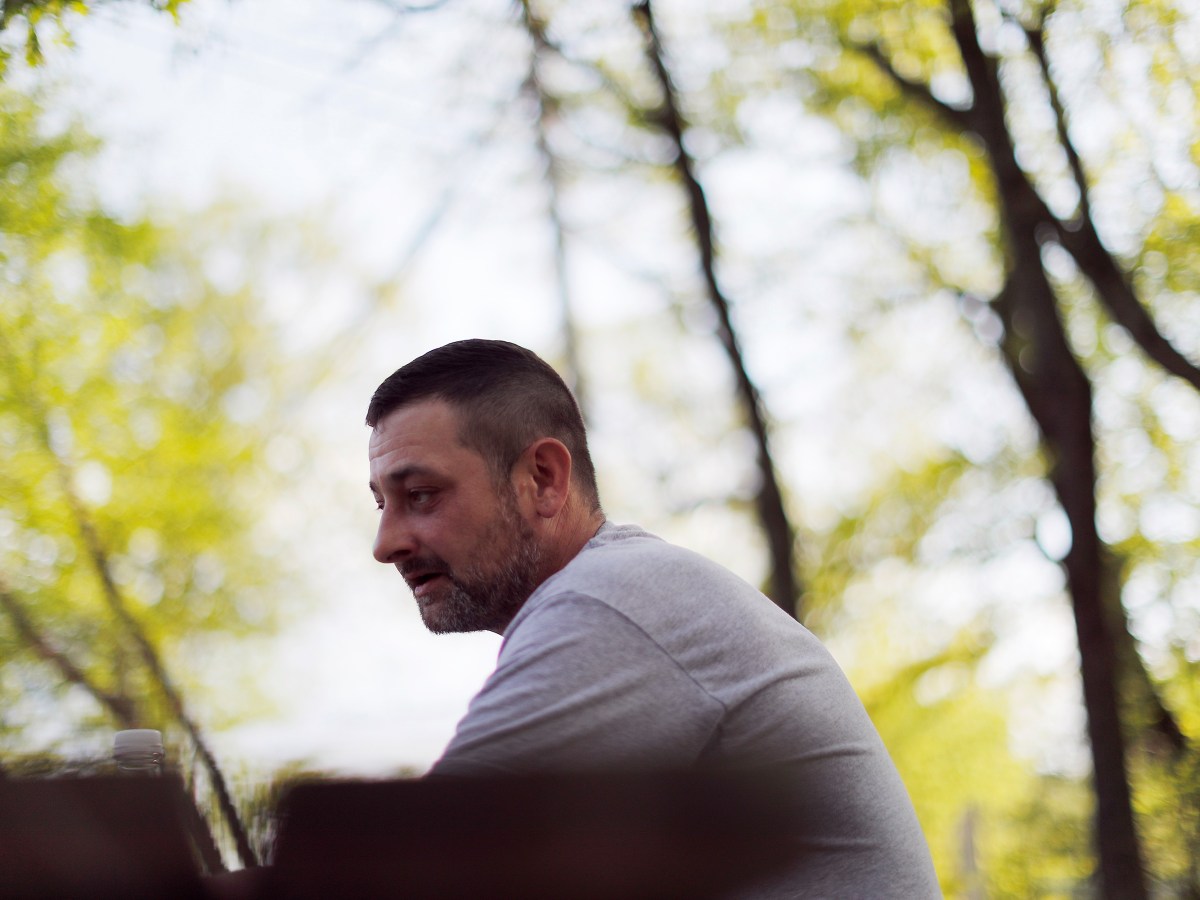
Breakdown: Turning anguish into action | Podcast Ep. 2: ‘I believe he is going to snap’
Six weeks before the attacks, the shooter’s best friend warned that he might snap and commit a mass shooting. Episode 2 begins an examination into the numerous opportunities for intervention.
Breakdown: Turning anguish into action | Podcast Ep. 3: ‘Dereliction of duty’
Episode 3 looks at questionable medical decisions, missed communication and lack of follow up by the Army. Finally, we’ll learn why the shooter’s family believes the military could do more to prevent brain injuries in troops.
STories in this series
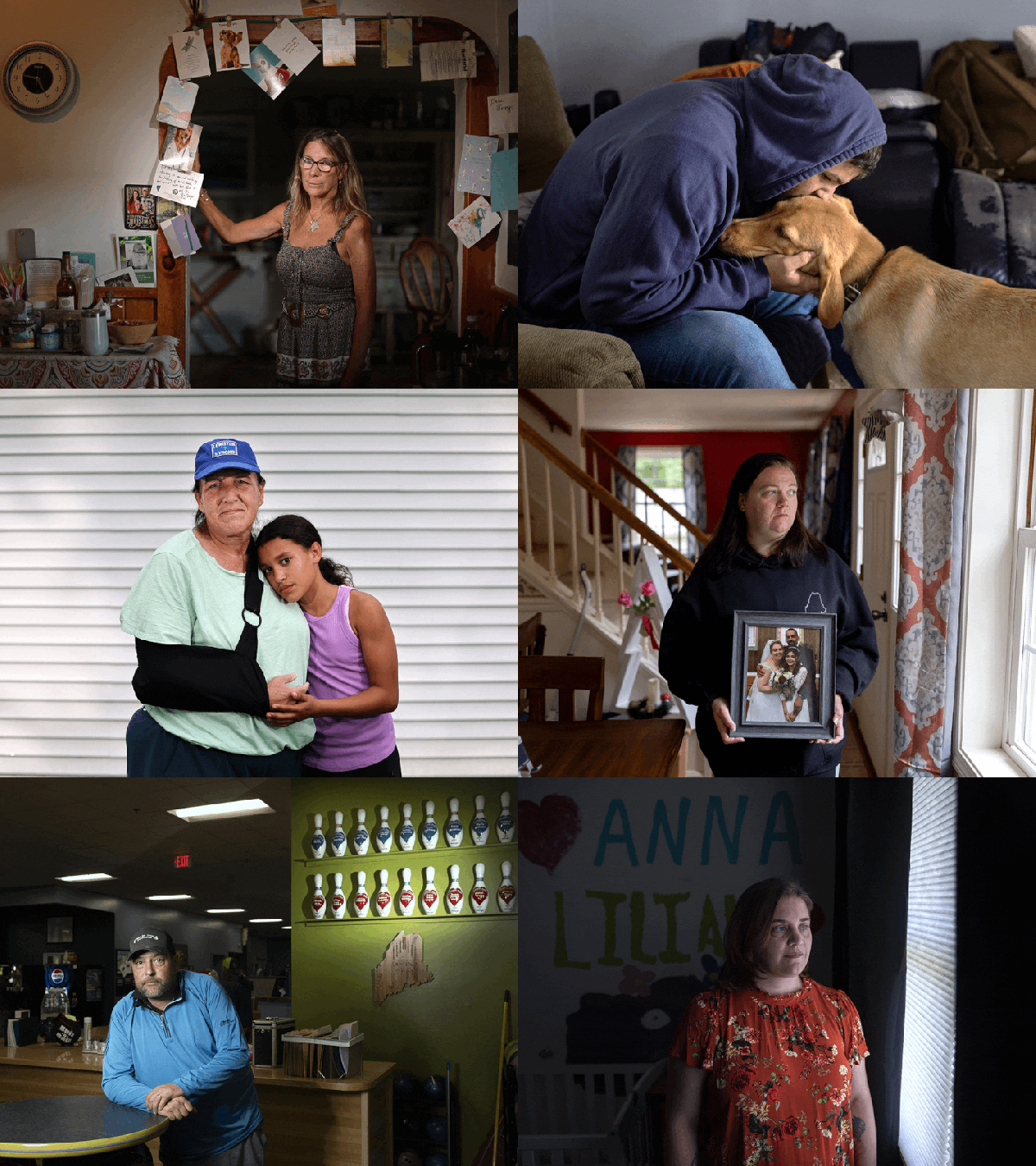
A year after the Lewiston mass shooting, six portraits of grief
18 people were killed, 13 were shot and survived, and many others witnessed the deadliest attack in Maine’s history. A year later, we look at how some have navigated the aftermath.
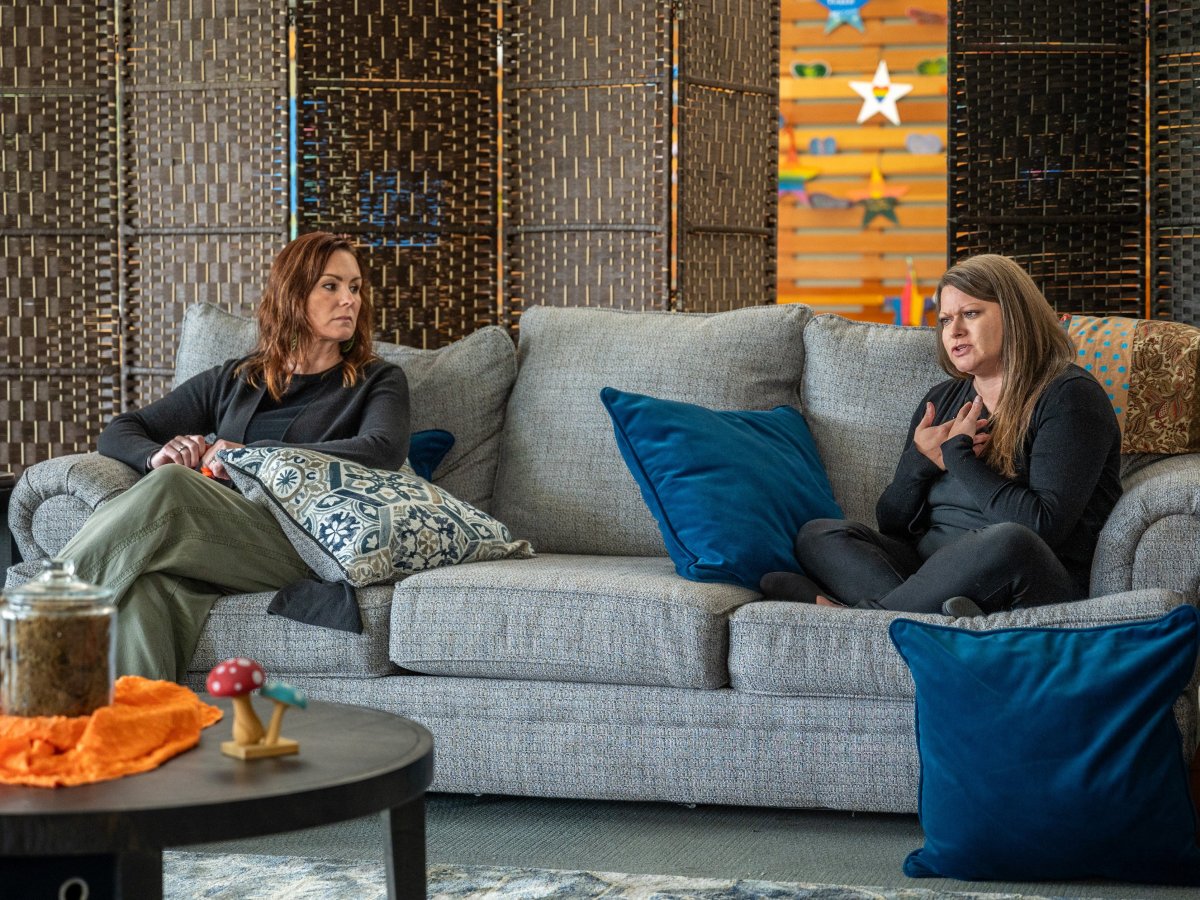
Lewiston counseling center helps community navigate grief from mass shooting
The Maine Resiliency Center opened just 19 days after the mass shooting and has become a critical resource for more than 400 people. Some are trying to keep it open permanently.



Comments are not available on this story. Read more about why we allow commenting on some stories and not on others.
We believe it's important to offer commenting on certain stories as a benefit to our readers. At its best, our comments sections can be a productive platform for readers to engage with our journalism, offer thoughts on coverage and issues, and drive conversation in a respectful, solutions-based way. It's a form of open discourse that can be useful to our community, public officials, journalists and others.
We do not enable comments on everything — exceptions include most crime stories, and coverage involving personal tragedy or sensitive issues that invite personal attacks instead of thoughtful discussion.
You can read more here about our commenting policy and terms of use. More information is also found on our FAQs.
Show less