

A bill designed to reopen the federal government after a record shutdown would also close a loophole that has allowed dozens of fruity, cocktail-inspired, THC-infused beverages to be sold at convenience stores, restaurants and breweries across Maine and the rest of the country.
Unlike similar drinks sold at cannabis shops, the psychoactive ingredient in these beverages comes from hemp.
A provision related to funding the U.S. Department of Agriculture would change the definition of hemp to exclude intoxicating products, effectively shuttering the burgeoning industry.
The legislation, passed by the U.S. Senate on Monday, still needs approval in the House of Representatives.
The beverages are currently permitted by a loophole in the 2018 U.S. Farm Bill that classified hemp as any cannabis plant containing less than 0.3% delta-9 or delta-8 THC by dried weight — and legalized cultivating and selling it. Anything over 0.3% is considered marijuana, which is still federally illegal.
The new legislation imposes a total THC limit of 0.4 milligrams, banning those products and closing the loophole.
Members of Maine’s recreational cannabis community are “relieved” by the change, which they say levels the playing field between two industries that are regulated very differently despite working with what is effectively the same product.
But hemp producers argue that the provision has no place in the bill and will create ripple effects across the industry, denying people access to herbal medicine.
HEMP FARMERS AT RISK
The bill, if enacted, would prevent “the unregulated sale of intoxicating hemp-based or hemp-derived products, including delta-8 [THC], from being sold online, in gas stations, and corner stores, while preserving nonintoxicating CBD and industrial hemp products,” according to a summary from the appropriations committee.
But Lizzy Hayes, a Cornville-based organic hemp farmer, fears the legislation will wipe out the entire hemp industry, not just those making intoxicating products.
The 0.4 mg limit is “outrageously low,” she said, and “will effectively prohibit 100% of hemp products” other than those used for fiber and rope.
“It’s going to be devastating for people who need full-spectrum, non-intoxicating herbal medicine and won’t have access to it,” she said.
Her farm, Panorama Seeds, does not produce any hemp for intoxicating products. Hayes agreed that there should be policy change but called it a “drastic measure” and argued that this was not the right avenue.
“This is a huge industry that is getting crammed along with the continuing resolutions,” she said. “These things should not be included, it should be a separate policy discussion.”
The proposal had been in the agriculture department’s funding proposal for months, but language to close the loophole was removed this summer following disagreements between Republican Sens. Mitch McConnell and Rand Paul.
The issue again became a sticking point during negotiations this week.
KILLING AN INDUSTRY?
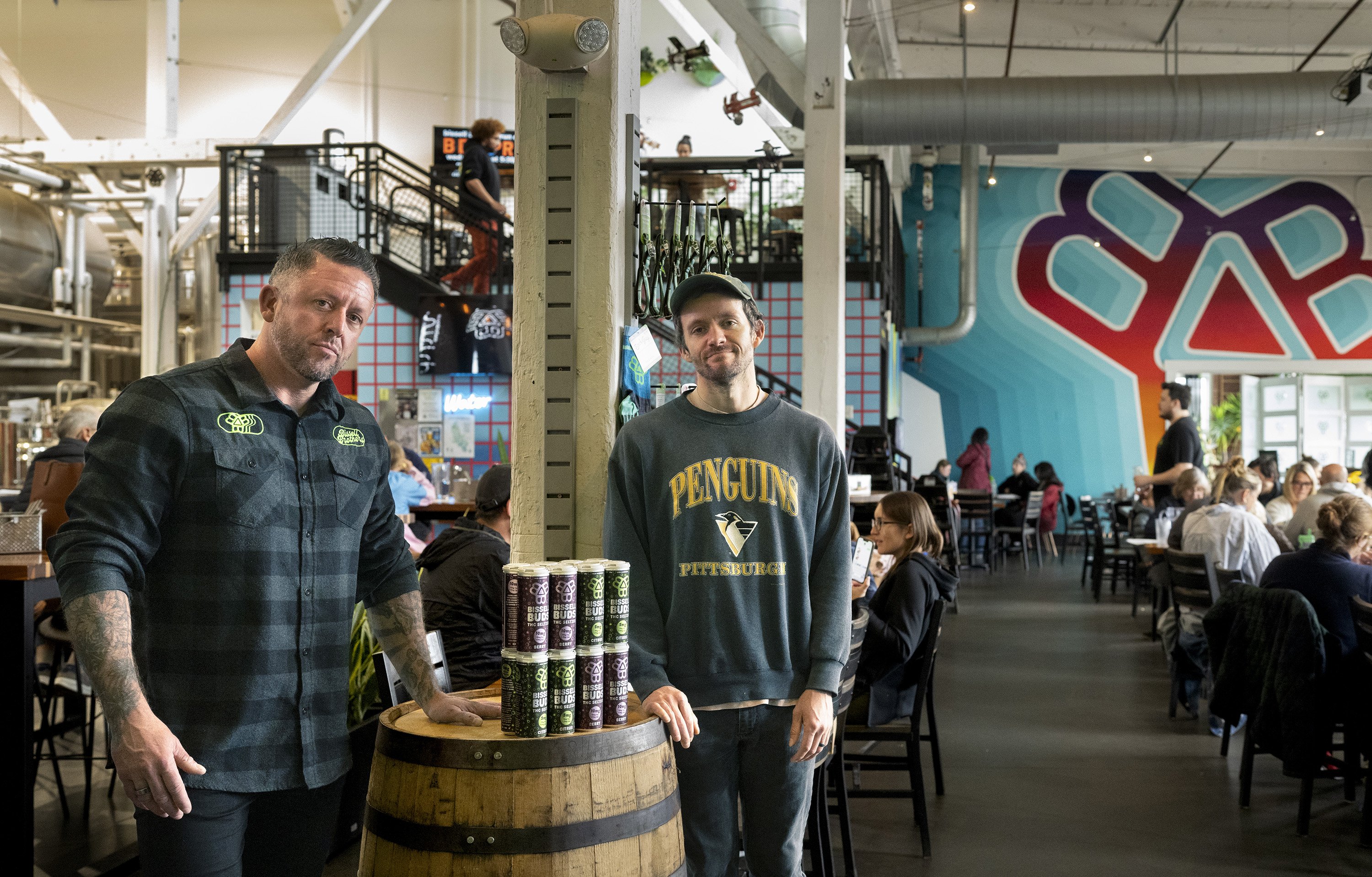
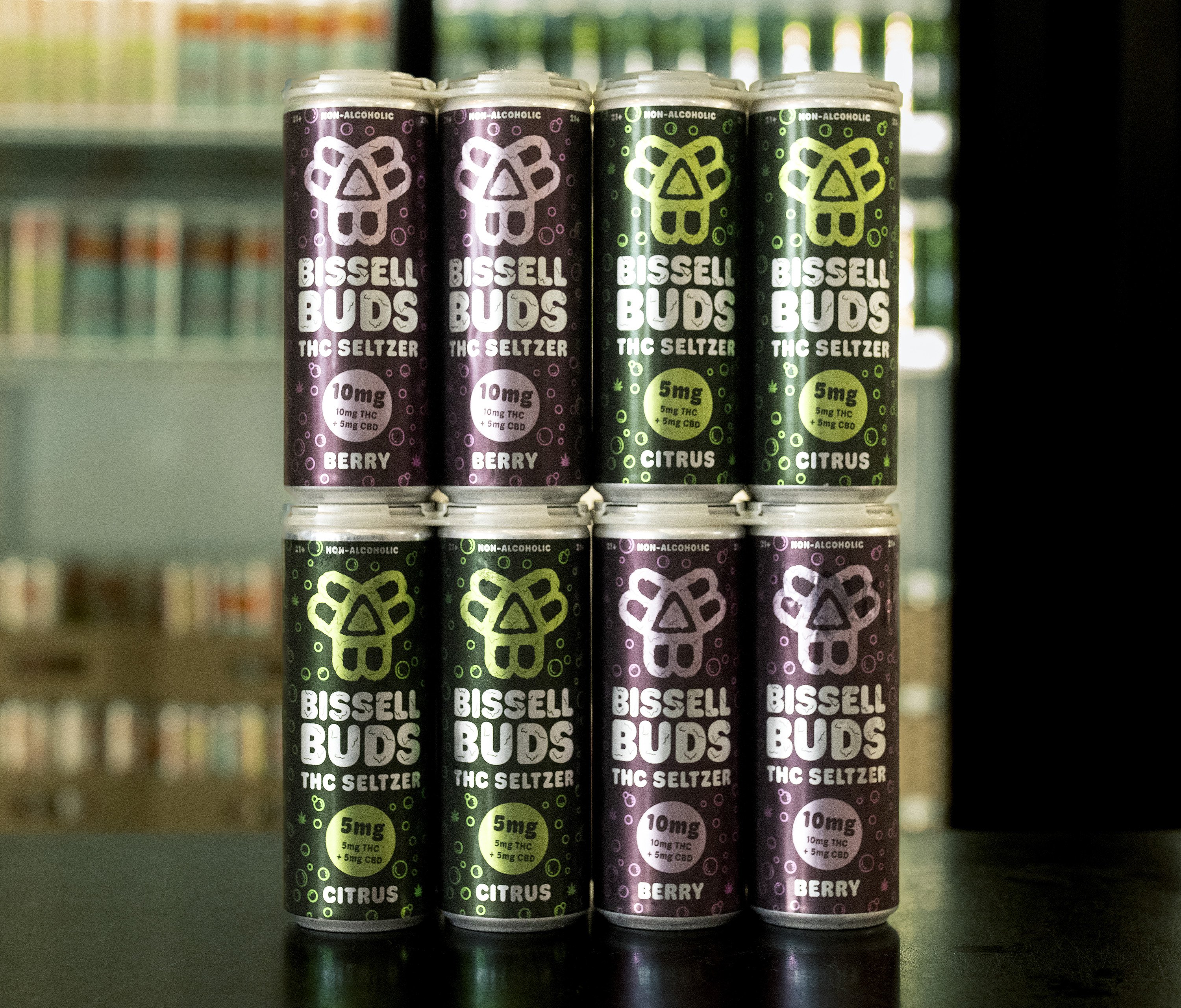
Bissell Brothers Brewing in Portland released its THC beverage, Bissell Buds, in late May as part of a broader effort to diversify its products. Bissell Buds has been the most popular of the brewery’s non-beer options, which also include seltzers and teas, founder Pete Bissell said.
“It’s been so successful,” he said.
So it’s disappointing, if not surprising, that this product may be short-lived, he said. The brewery is still beer-centric, so losing Bissell Buds won’t sink the business, “but zooming out, you’re really just going to kill this industry?” he said.
THC-infused drinks have been a boon for brewers responding to waning beer sales and a growing “sober-curious” demographic.
Bissell Buds, which is zero-calories, is popular among people seeking relaxation, better sleep and other health benefits, so the argument that closing the loophole protects public health doesn’t add up, Bissell said.
“This should be a clear sign to anybody, especially to people that idolize certain politicians, that these people do not have your best interest at heart, especially when it comes to health,” he said.
Bissell said the business is going “full steam ahead” with Bissell Buds until it’s told otherwise, and just released new batches of the 5mg and 10 mg drinks.
“We’ll roll with it as it comes,” he said.
A TALE OF TWO MARKETS
Meanwhile, Matt Hawes, a director of the Maine Cannabis Industry Association, said cannabis business owners aren’t necessarily happy to see the loophole closed, but are “relieved that the regulations might make more sense.”
There has been friction between operators in Maine’s tightly regulated recreational cannabis market and those using hemp-derived THC, which, until this summer, didn’t even have a minimum age requirement.
Cannabis business owners say shops and breweries are selling, essentially, the same product they are — yet dealing with none of the red tape. Recreational cannabis retailers face high taxes and costly requirements to track and test the products for contaminants. They are also not allowed to let customers consume the marijuana on site.
Hawes said the current disparity between how hemp and marijuana-derived THC is managed is “irrational.”
“You can’t rationalize two chemically identical substances having vastly different regulatory schemes,” he said. “It’s hard to describe how it feels. It’s crushing though. And it makes no sense.”
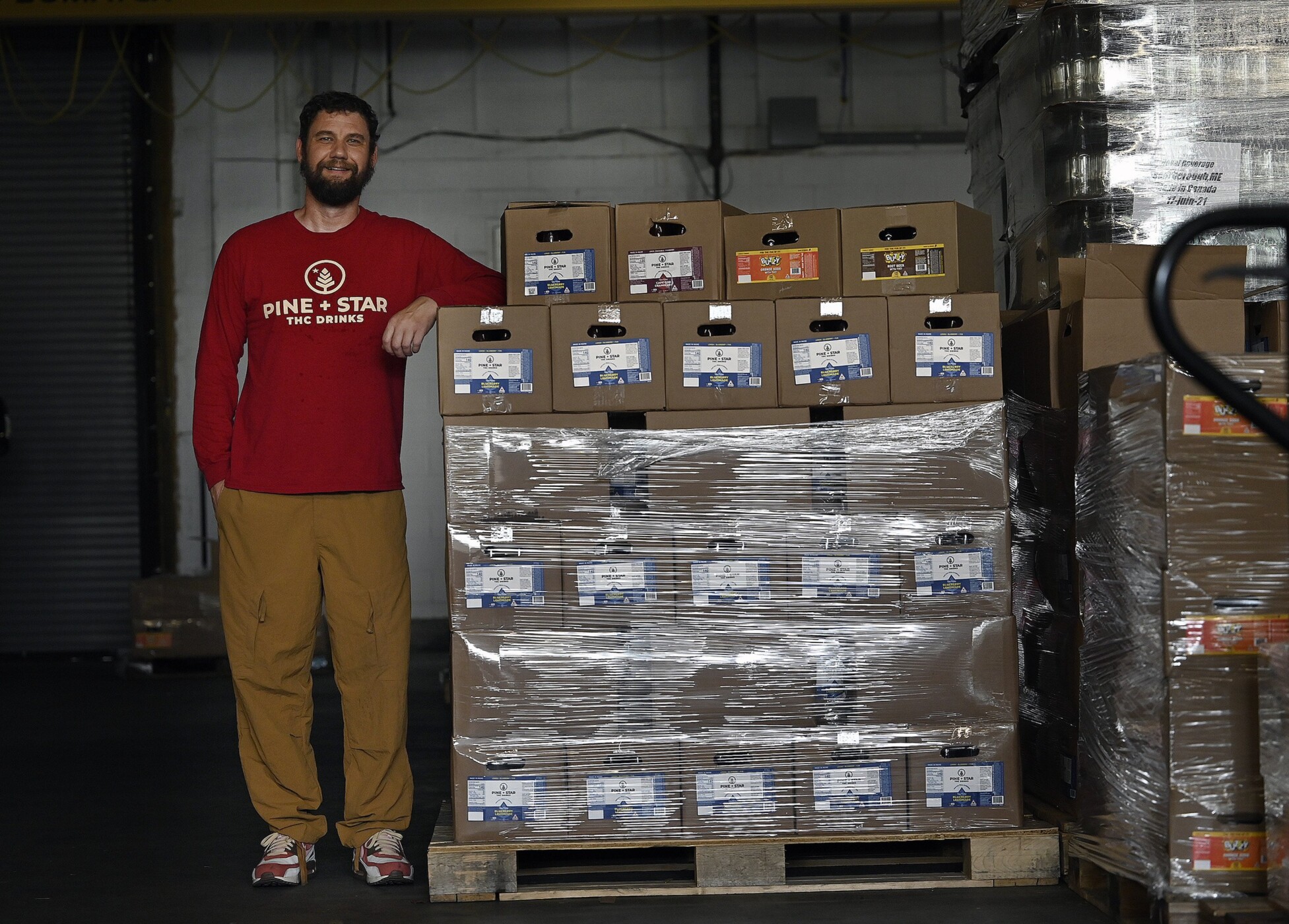
Hawes is the owner of Novel Beverage, a Scarborough-based manufacturer and bottler of cannabis-derived THC-infused beverages.
“I’m regulated in a very different way than the ‘hemp-derived’ operators are,” he said. “… And I thought that was for a reason.”
If the state wants to see THC-infused products easily accessible outside of dispensaries, he said, it should take another look at the cannabis regulations.
He takes no issue with hemp, but he’s glad to see the definition corrected.
People are calling the products “intoxicating hemp,” but he argued that there’s no such thing.
“As soon as the definition is corrected, these plants and products will just be legally defined as marijuana again, which is what they’ve always been in reality.”

We invite you to add your comments. We encourage a thoughtful exchange of ideas and information on this website. By joining the conversation, you are agreeing to our commenting policy and terms of use. More information is found on our FAQs. You can update your screen name on the member's center.
Comments are managed by our staff during regular business hours Monday through Friday as well as limited hours on Saturday and Sunday. Comments held for moderation outside of those hours may take longer to approve.
Join the Conversation
Please sign into your CentralMaine.com account to participate in conversations below. If you do not have an account, you can register or subscribe. Questions? Please see our FAQs.