


Democrat Graham Platner and Republican President Donald Trump may never sit on the same side of the aisle.
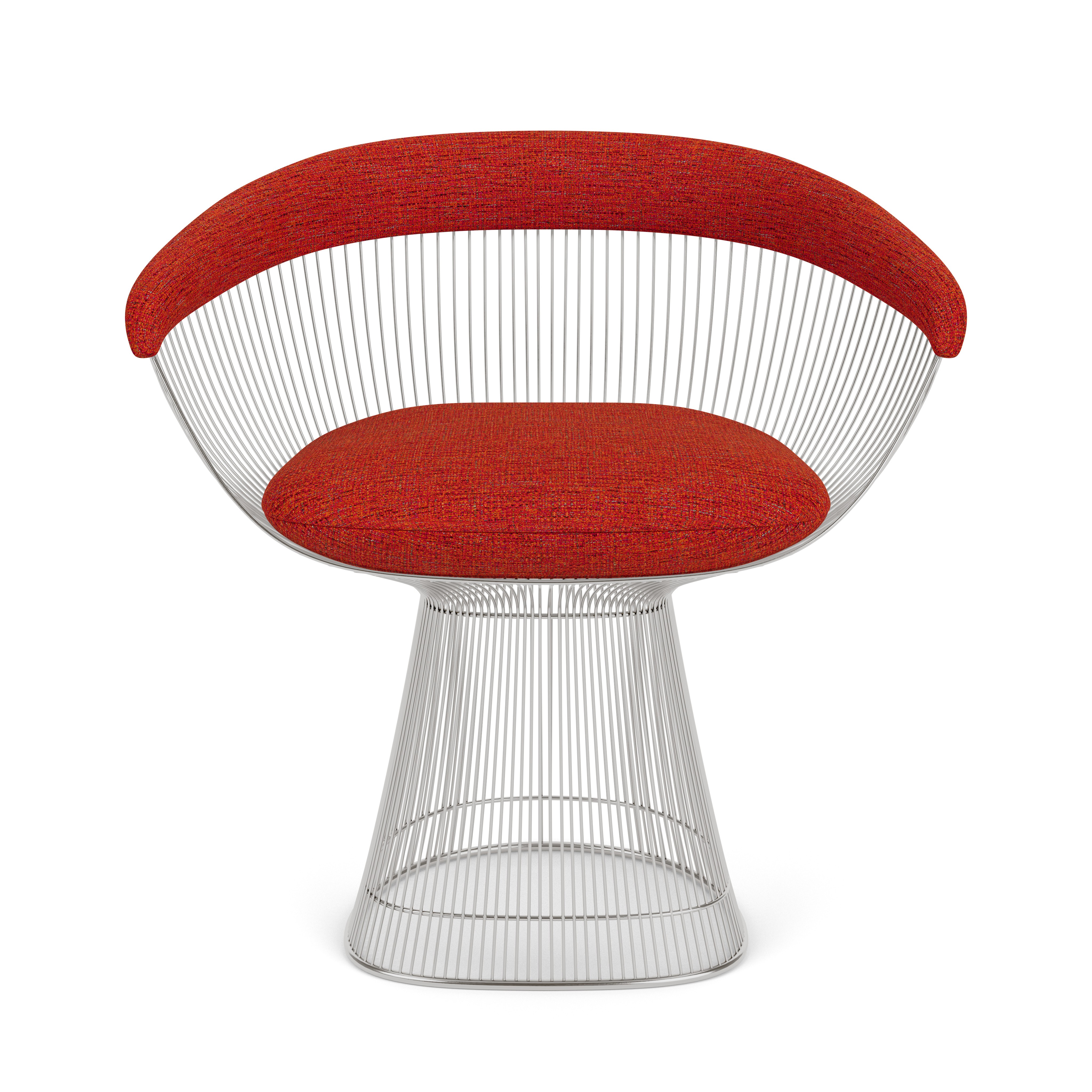
But they would certainly agree to sit in the same chair.
Platner, a candidate for U.S. Senate from Maine, is the grandson of noted architect and designer Warren Platner. Trump has publicly proclaimed his love for the iconic armchairs Platner’s grandfather designed in the 1960s. They are still made today, retailing for about $4,000 and up.
Platner chairs are widely regarded as icons of mid-century design and can be found in the collections of the Carnegie Museum of Art in Pittsburgh, the High Museum of Art in Atlanta and the Cooper Hewitt, Smithsonian Design Museum in New York, among others. They are also a favorite of Hollywood set designers and have popped up in the 2008 James Bond vehicle “Quantum of Solace,” the 2022 Cate Blanchett film “Tár” and the 2021 movie “House of Gucci,” among others.
And they were in Trump’s office, before he became president.
“You’re only the second person who knew what these chairs are. I love them,” Trump told a New York Times reporter who asked about the chairs during a 2010 interview in his Manhattan office. “I’ve had them re-covered recently. I buy the velvet fabric directly from the company, and it costs a fortune, but don’t they look great?”
A video of a Wall Street Journal reporter interviewing Trump in his Manhattan office in 2015 shows at least four of the Platner chairs, upholstered in bright red velvet. The chairs are made up of more than 100 steel rods, used both for the cylindrical base and the fan-shaped chair back.
“The look of the chairs is quite timeless, even though they were designed in the 1960s,” said Paula Benson, editor and founder of Film and Furniture, a U.K.-based website. “They lend themselves well to film because they are incredibly sculptural. They have a very distinctive and elegant look, created painstakingly from steel rods. It’s where furniture meets art.”
Platner, an oyster farmer and former Marine who lives in Sullivan, said Thursday he did not know that Trump was a fan of his grandfather’s chairs. But that fact doesn’t change his opinion of the president. One of Platner’s major platform planks is that billionaires need to be stopped from buying elections.
“Someone’s affinity for furniture is not something I actually care about,” said Platner on Thursday, in between campaign meetings in Portland.
Platner said he’s only become fully aware of his grandfather’s influence as an adult. He wasn’t particularly close to his grandfather and didn’t see him all that often. Growing up in Maine, he’d visit his grandparents’ home in Connecticut — which Warren Platner designed — maybe once or twice a year. He saw and even sat in some of his grandfather’s celebrated chairs, although he didn’t know they were a big deal then.
As he got older, he started to understand the influence his grandfather and his chairs have had on pop culture. He remembers seeing one of the chairs in “Quantum of Solace” and on an MTV show. He was serving in Iraq in 2006 when his grandfather died, and found out after a fellow soldier saw Warren Platner’s obituary in the New York Times.
“As I kid, I didn’t really understand,” Platner said. “It’s always been sort of bemusing to me. I’d see his chair somewhere and think, ‘That’s my grandfather’s chair. That’s kind of neat.'”
Platner, 41, burst onto the political scene in August, seeking the Democratic nomination to challenge Republican U.S. Sen. Susan Collins in the 2026 race for her seat. He got the backing of progressive icon Vermont Sen. Bernie Sanders, and national media attention.
He’s been sharply criticized for a tattoo that some people say is linked to Nazis, which he has recently covered up. He’s also drawn negative attention for comments he made on social media calling white rural Americans racist, and posts he made about sexual assault in the military and police officers, for which he’s apologized. While Platner’s campaign literature promotes him as a champion of the working class and an oyster farmer from rural Maine, critics try to portray him as someone from a family of privilege.
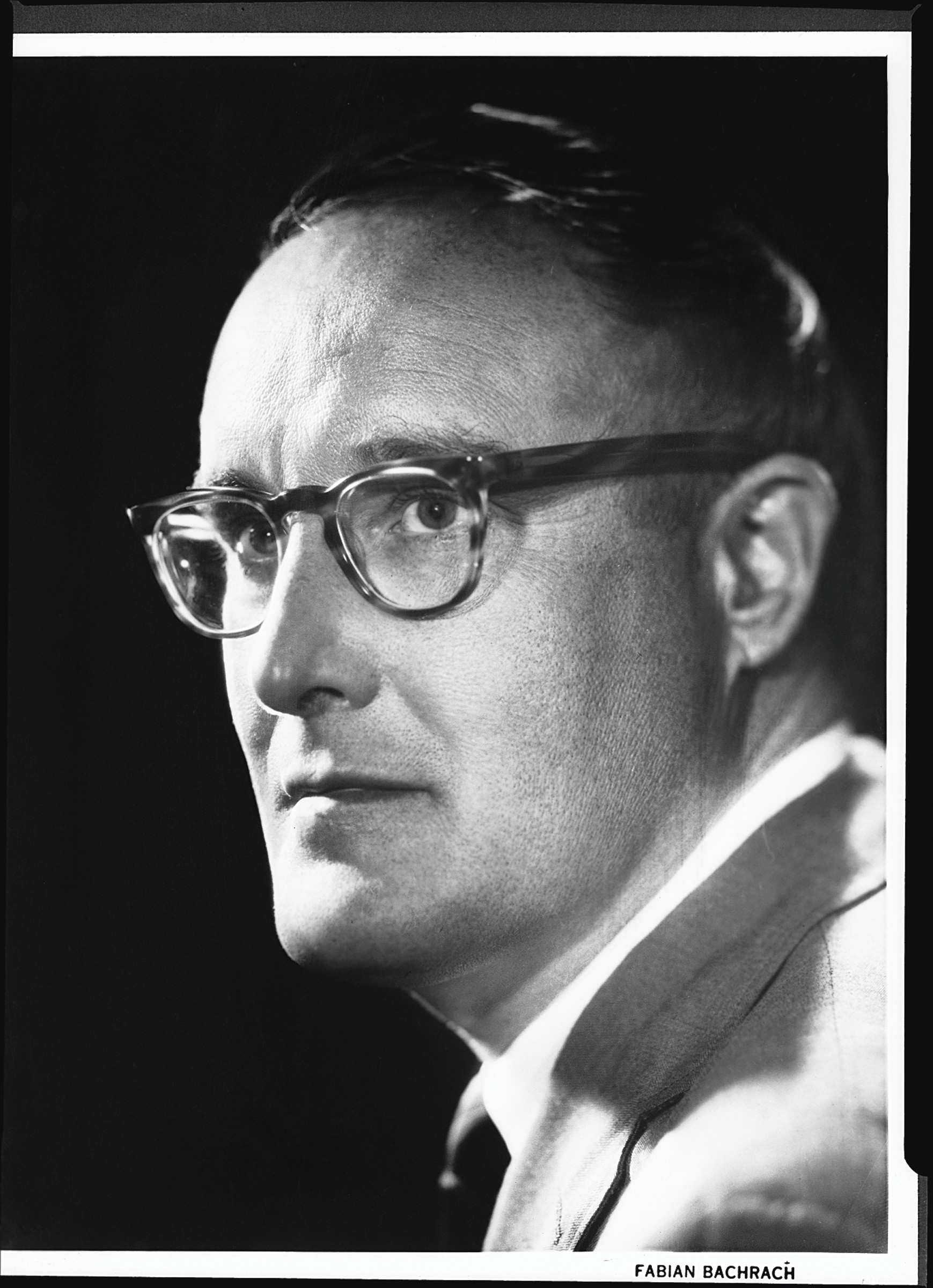
Warren Platner died in 2006 at the age of 86 in Connecticut, well-known enough to garner an obituary in the New York Times. The obit’s writer said Platner’s furniture collection “has proved to be an enduring icon of 1960’s Modernism.” He had also designed several prominent interiors in New York, including the offices of the Ford Foundation and the original Windows on the World restaurant, which had been on the 107th floor of the north tower of the World Trade Center.
He graduated from Cornell University with a degree in architecture and worked in the firms of renowned architects Eero Saarinen and Kevin Roche. He introduced his own line of chairs, ottomans and tables in 1966, produced by furniture-maker Knoll. He was inducted into Interior Design magazine’s hall of fame in 1985. A collection of his drawings, photos, correspondence and other records were donated to Yale University by his son, Bronson Platner, Graham Platner’s father.
The Knoll website currently shows 10 Platner pieces for sale, including the armchair, a lounge chair, an easy chair and several tables. The armchair is listed as regularly selling for $4,595 to $7,895. But this week they were 25% off, bringing the price range down to $3,446.25 to $5,921.25.
It’s unclear whether Trump’s Platner chairs are in the White House. The White House press office did not answer an email asking if Trump had brought the chairs to the Oval Office. The Trump Organization in New York did not return an email asking if Trump still has his Platner chairs in his Manhattan office, or any new ones.

Warren Platner also designed a desk that continues to influence style and pop culture 60 years later. David Schlesinger, set decorator for the current hit TV series “Severance,” told the Film and Furniture podcast that a desk Platner designed is the show’s design “lynchpin” and “carries the entire DNA of the show.”
Platner designed a desk for the John Deere company headquarters in the 1960s. That desk inspired the desk in the show, which is a focal point of the interior of the Lumon Industries building, Schlesigner said. Employees at Lumon Industries undergo a surgical procedure to completely sever their work lives from their personal lives. They have no memory of their personal life while at work, and no memory of what they did at work when they go home.
But at least they have a nice desk.

We invite you to add your comments. We encourage a thoughtful exchange of ideas and information on this website. By joining the conversation, you are agreeing to our commenting policy and terms of use. More information is found on our FAQs. You can update your screen name on the member's center.
Comments are managed by our staff during regular business hours Monday through Friday as well as limited hours on Saturday and Sunday. Comments held for moderation outside of those hours may take longer to approve.
Join the Conversation
Please sign into your CentralMaine.com account to participate in conversations below. If you do not have an account, you can register or subscribe. Questions? Please see our FAQs.