

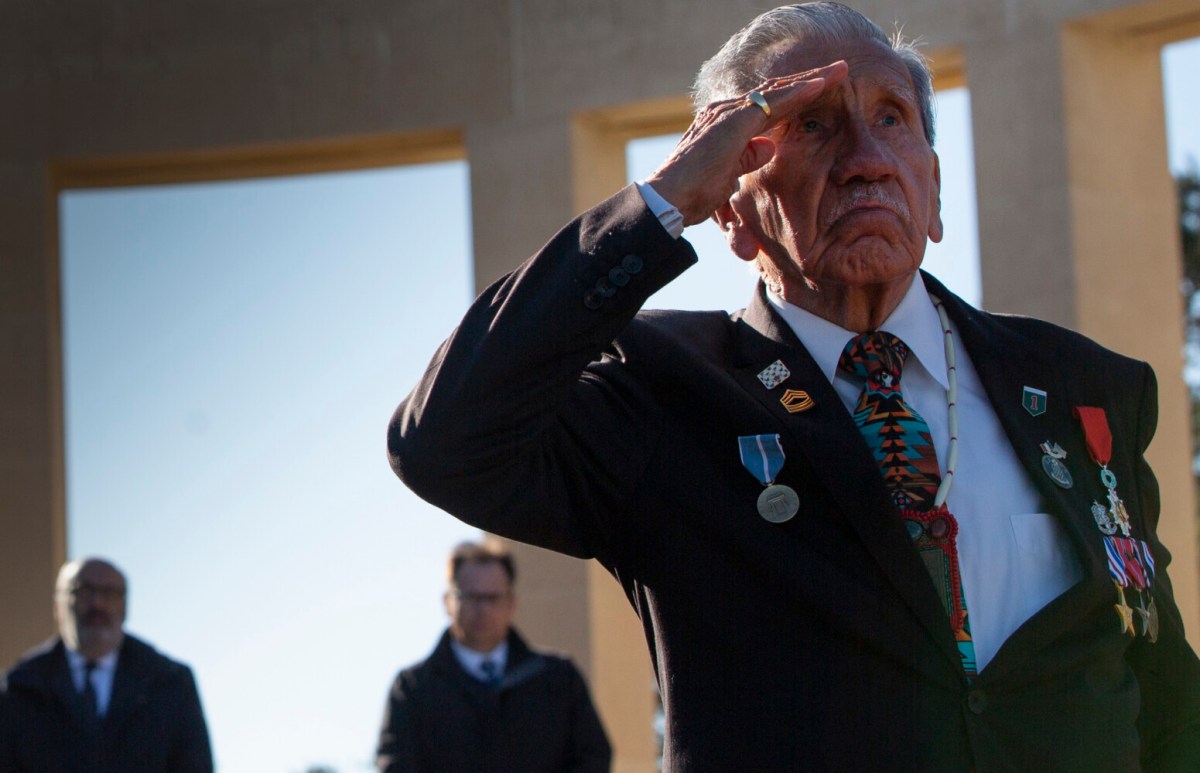
Charles Norman Shay graduated from Old Town High School in 1942, and two years later was an Army medic landing on the beaches of Normandy during one of the pivotal battles of World War II.
He saw fellow soldiers ripped apart by waves of bullets, and frantically tended to the wounds of hundreds of dead and dying men. The ghosts of the fallen called him back to Normandy the rest of his life. He attended D-Day commemorations and eventually moved to France, near the battle site.
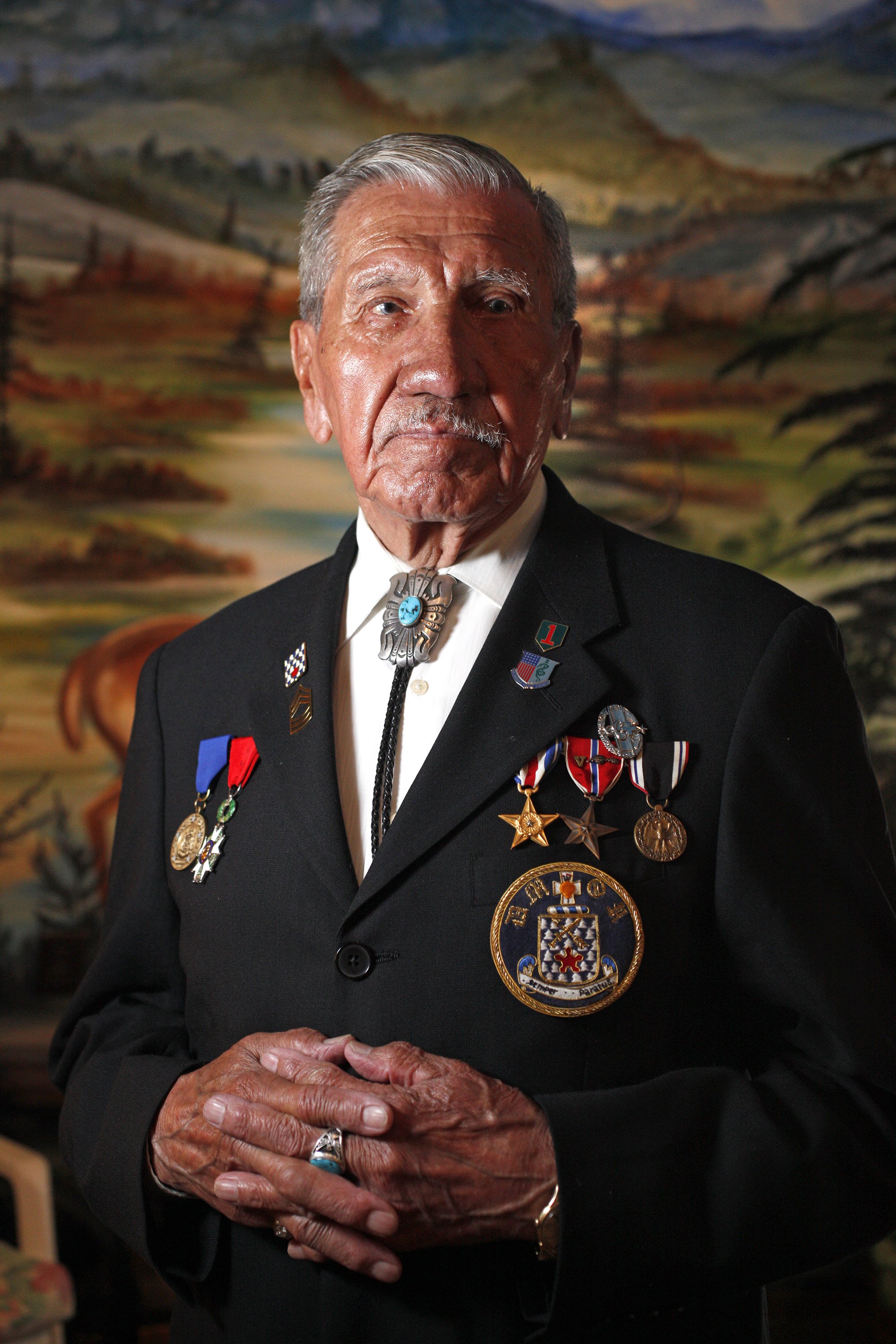
“I go back to remember all the comrades in arms I left there that are still wandering around on the beach,” Shay told the Press Herald in 2014.
Shay, a Penobscot Nation elder, died Wednesday at his home in Bretteville-L’Orgueilleuse. He was 101.
News of his death was posted on Facebook Wednesday morning by the Charles Shay Memorial group, which honors the memory of about 500 Native Americans who landed on the Normandy beaches.
Shay received a Silver Star for his actions during the first wave of attacks on Normandy, when he rescued drowning and wounded soldiers under enemy fire. Later in the war he spent a month in German prison camps, according to his biography on the Penobscot Nation website.
U.S. Sen. Susan Collins, who met Shay several times, including in Normandy on the 75th anniversary of D-Day, said in a statement Wednesday that she was impressed with how humble Shay was, about all he did.
“Meeting Charles, I was struck by his humility and the profound sense of duty to his fellow soldiers that guided him throughout his service,” Collins said.
Shay told the story of his D-Day experience for a History Channel film called “D-Day in HD,” in 2014. The film included interviews with veterans of the battle from all over the country, but Shay ended up being the star, said director Kirk Wolfinger. Shay was in his late 80s at the time.
“He started to talk and I was just gobsmacked. His memory was spot on and his presentation was flawless. His was the most interesting story in the film,” said Wolfinger of Lone Wolf Media in South Portland, which has produced several documentaries for cable networks. “He was so unassuming and his story was the most interesting one we got.”
Donna Loring, a Penobscot elder and former tribal affairs adviser to Gov. Janet Mills, called Shay “a guardian of our history” in a Facebook post Wednesday.
“Charles was more than a warrior — he was a keeper of memory. He honored our ancestors, restored his family’s cultural spaces on Indian Island, and ensured that the stories of Native soldiers would not be forgotten,” Loring wrote. “His work in Maine and in Normandy helped bring long-overdue recognition to Native veterans, and his efforts to preserve Penobscot history strengthened our Nation.”
Shay grew up on Indian Island, near Old Town. After World War II, he reenlisted and was stationed in Austria and later was sent to Japan during the Korean War. He fought in Korea against the Chinese army. After his discharge from the Army he joined the U.S. Air Force Reserve and later went on active duty, and ended up spending more than 20 years in the military. In the 1960s he went to work for the United Nations’ International Atomic Energy Agency, headquartered in Vienna. He retired from that agency after 20 years and came back to Maine and Indian Island around 2003.
Back in Maine, he dedicated himself to preserving and promoting Penobscot cultural heritage. He ran a small museum in his tipi, published booklets by and about Penobscots, and facilitated in the publication of a new edition the 1893 book “The Life and Traditions of the Red Man,” by Joseph Nicolar, who was Shay’s grandfather.
On June 6, 2007, Maine Gov. John Baldacci proclaimed “Native American Veterans History Day” in Shay’s honor. In October of that year Shay revisited the Normandy battlefields during a trip funded by the Maine Humanities Council and the First Division Museum. French President Nicholas Sarkozy awarded Shay the rank of Chevalier in the the country’s Legion de’Honneur.
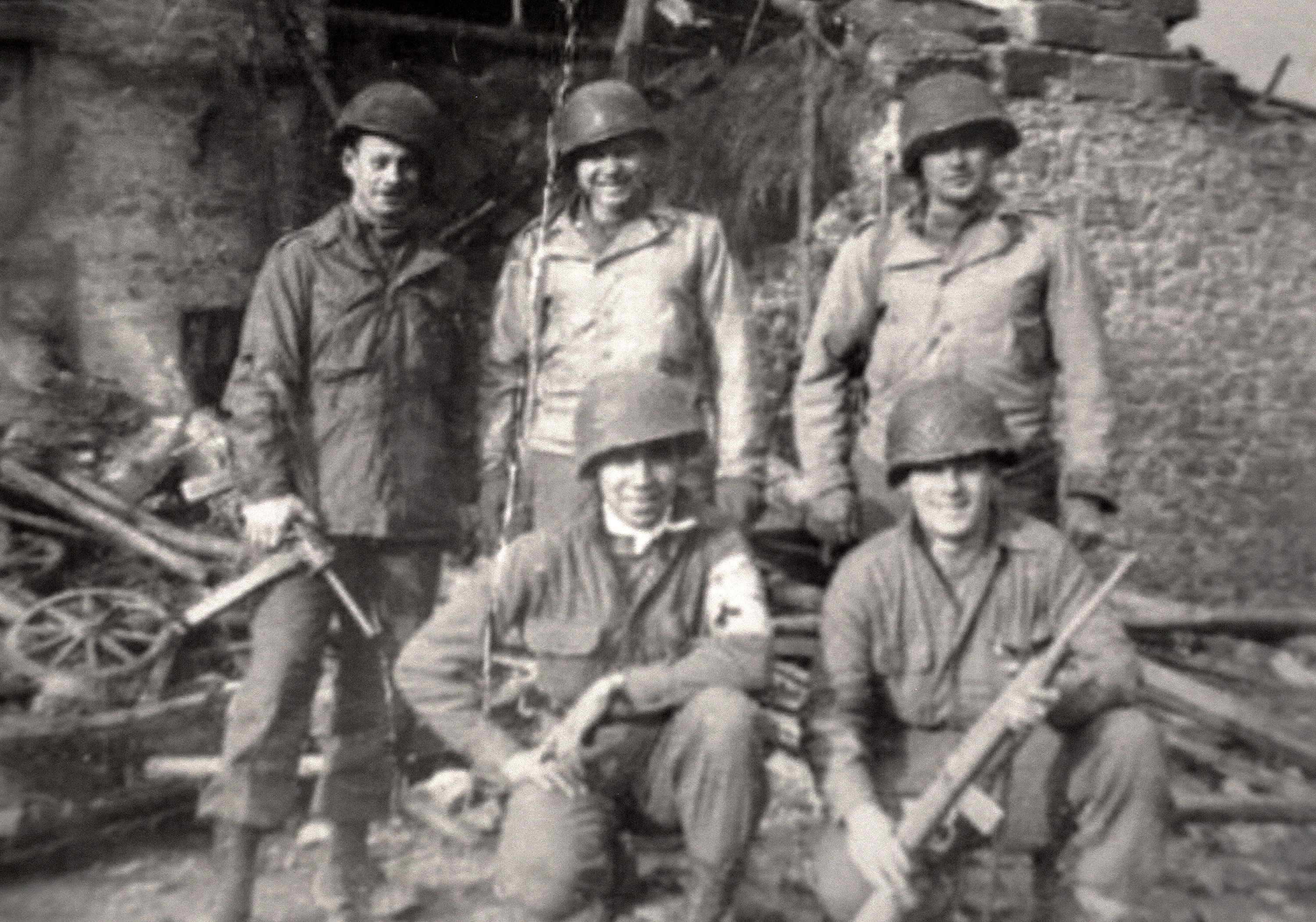
Shay told the Press Herald in 2014 that he talked about his D-Day experiences on film and in person because he wanted people to understand the magnitude of the war. He felt a responsibility to tell stories of World War II , since he was one of the few still around to do so.
“We are disappearing, very slowly. Every day, we are disappearing,” he said.
U.S. Sen. Angus King, who met Shay on Indian Island and also in Normandy for the 75th anniversary of D-Day, said Shay would be remembered for the way he honored his state, his tribe and his country.
“I know he’s going to be missed by his many friends and admirers around the country, but especially on Indian Island,” King said. “My warmest wishes go out to his many family and friends, and it was an honor for me to have an opportunity to meet and get to know one of Maine’s most distinguished citizens.”

Mills said in a statement Wednesday that she was proud to honor Shay’s vision when she signed legislation in 2024 to establish a memorial for Wabanaki veterans in Augusta’s Capitol Park. She said she hoped the memorial would ensure that the “service and courage” of veterans like Shay will be remembered for generations to come.
“On behalf of the people of Maine, I mourn his passing, and offer my condolences to his loved ones, the Penobscot Nation, and to all the people Charles Shay inspired during his remarkable life.”

We invite you to add your comments. We encourage a thoughtful exchange of ideas and information on this website. By joining the conversation, you are agreeing to our commenting policy and terms of use. More information is found on our FAQs. You can modify your screen name here.
Comments are managed by our staff during regular business hours Monday through Friday as well as limited hours on Saturday and Sunday. Comments held for moderation outside of those hours may take longer to approve.
Join the Conversation
Please sign into your CentralMaine.com account to participate in conversations below. If you do not have an account, you can register or subscribe. Questions? Please see our FAQs.