

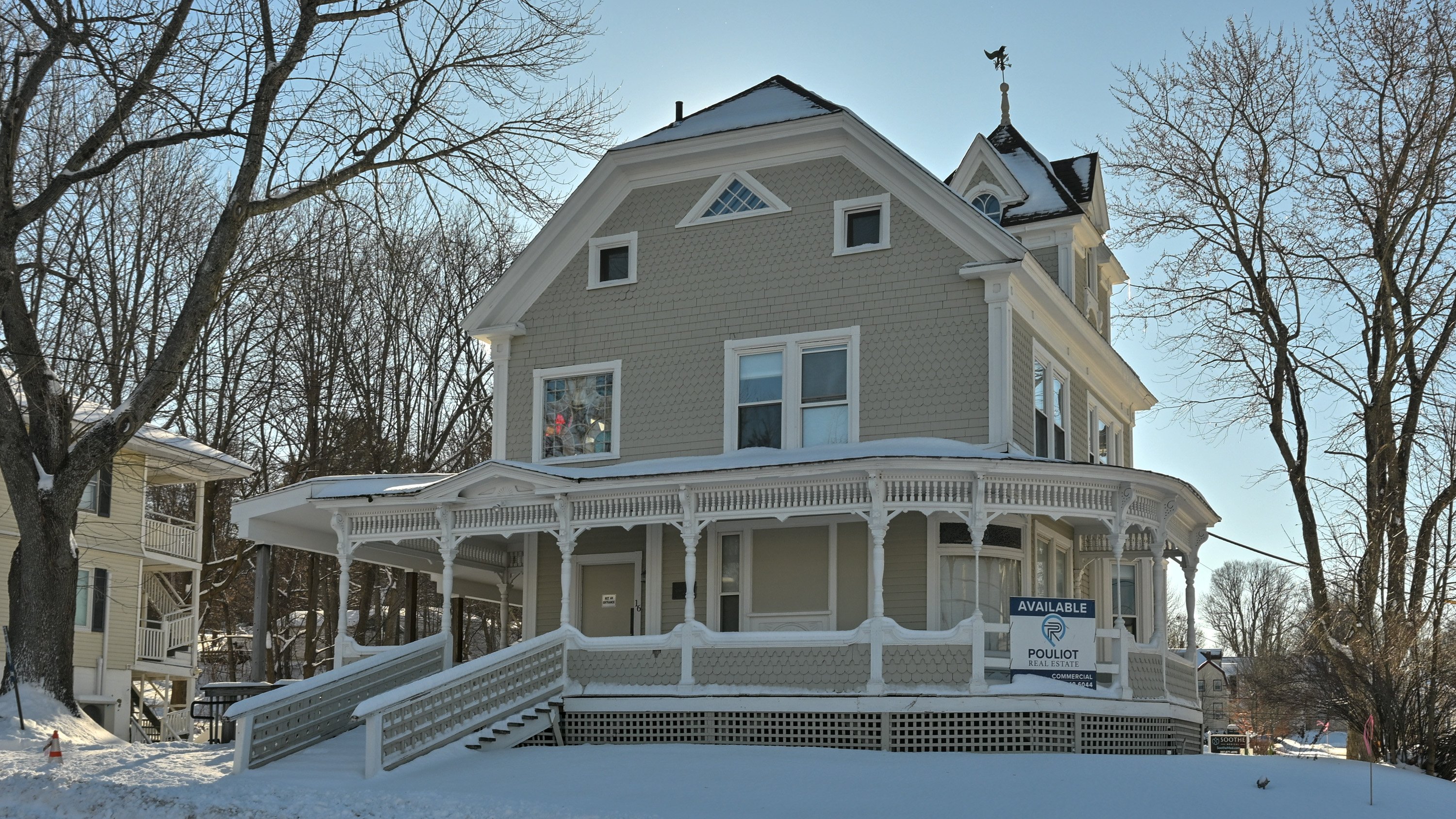
A proposal to open Augusta’s first overnight, low-barrier year-round homeless shelter is prompting city councilors to consider a temporary ban on that or any other new homeless shelters.
Leaders of United Community Living Center in Augusta, an existing daytime homeless services center, want to create a new, 20-bed homeless shelter in former office space at 16 East Chestnut St., nearby their existing, daytime operations at 12 Spruce St.
Betty St. Hilaire, president of United Community Living Center, said the goal is to provide a place where people who are homeless can secure the services and safety they need to break out of the cycle of homelessness. The proposed shelter would fill a gap in services in Augusta, which has a seasonal overnight warming center and a family shelter at Bread of Life, but no low-barrier year-round shelter offering access to wraparound services meant to help people get back on their feet.
“We know we have our work cut out for us, but we consider the goal of providing support to the most vulnerable in our midst as worthy of the effort and believe we can make the case that this project is worth supporting,” St Hilaire said. “We consider the need great and plan to open next fall at the latest if we are able to move the project forward.”
The proposal is set to go to the Planning Board seeking approval for a change of use of the property, from office space to a shelter, which is a conditional use in the zoning district that covers the neighborhood. The neighborhood is a mix of mainly medical-related office buildings and homes on the east side of the Kennebec River, near the Ballard Center.
However, Ward 2 City Councilor Kevin Judkins, a former board member of the United Community Living Center who has previously advocated for having a homeless shelter in Augusta, proposes the city adopt a 180-day moratorium on any new shelters in Augusta.
Judkins said he’s still in favor of an overnight homeless shelter in Augusta, but he wants the city to come up with stronger rules for where and how such shelters may be located and how they should be set up.
Judkins said he fears the city does not currently have standards and requirements in its zoning rules for homeless shelters.
“This is a very specific endeavor and very sensitive for a lot of reasons,” Judkins said. “It’s essential we get this right. There are health and safety standards that need to be looked at and addressed. A low barrier shelter could have sex offenders, felons, and other individuals that would bring concerns to a family living next door. We recognize these types of opportunities do come with some real concerns.”
Judkins acknowledged his proposal for a moratorium, which goes to city councilors Thursday for a first reading, was prompted by the potential for the shelter to be approved at 16 East Chestnut St. at the Planning Board meeting on Tuesday.
He said he still agrees Augusta needs a shelter.
“We absolutely have to do this for the homeless population,” he said. “But we also can’t turn a blind eye to the impact it has on the rest of the population. It’s the type of thing where you’re not going to do two, three or four of these, there’s going to be one. What (officials proposing the shelter) are suggesting may in fact float to the top; we don’t know. We need to do the work first to be certain.”
St. Hilaire said shelter organizers were blindsided by the proposed moratorium and warned if enacted it would “very likely end the project as we originally envisioned it.”
She said she hopes their plans for a shelter, which was a key recommendation of the Augusta Homelessness Task Force, will be allowed to move ahead.
“We believe we have a strong record and sufficient social capital to make a credible case in our favor,” St. Hilaire said. “We are frustrated by the timing of this potential moratorium as we had — after considerable effort and expense on our part — already submitted our application to the Planning Board. This proposed action stops an already far advanced process dead in its tracks.”

Materials in the 120-page application for the project say funding already has been secured to buy and renovate the building. A large-scale fundraising campaign would be launched in January 2026, and a significant portion of funding has already been pledged.
The facility would not be open during the day. But guests could access services and have a place to be nearby at the existing United Community Living Center about a block away on Spruce Street.
Shelter policy states no loitering would be allowed in the neighborhood, and when guests leave the shelter, they would be expected to also leave the neighborhood.
The shelter would be open from 4 p.m. to 8 a.m., and the daytime community center would be open from 8 a.m. to 4 p.m.
Guests could be removed if they take part in violent or threatening behavior, theft or destruction of property, or do anything to endanger the health or safety of anyone. While guests would be allowed to be intoxicated upon arrival, no drug or alcohol use would be allowed on the site. The shelter would offer access to substance use treatment and recovery services.
United Community Living Center officials have an option to purchase the building from Kennebec Pharmacy and Home Care for about $300,000, contingent on the proposal being approved by the Augusta Planning Board in December, according to documents filed with the city.
The Queen Anne-style, 5,700-square-foot building, which was built in 1892 and is listed on the National Register of Historic Places, is known as the Algernon Bangs House.
In 2024 the Planning Board, after hearing from several downtown merchants worried about the potential impact on downtown, rejected a proposal to turn the Green Street United Methodist Church into an overnight homeless shelter with 40 beds.
The city is currently considering a proposal to send out a request for proposals seeking a partner to create and run a 30- to 45-bed low-barrier homeless shelter, potentially on two specific spots that the city may seek to have pre-approved for shelters, part of the Gage Street park or basketball courts off Mount Vernon Avenue near the intersection with Bond Street.
Judkins said that process is still ongoing and could result in an entity proposing to build a new homeless shelter on either of those city-owned properties.

We invite you to add your comments. We encourage a thoughtful exchange of ideas and information on this website. By joining the conversation, you are agreeing to our commenting policy and terms of use. More information is found on our FAQs. You can update your screen name on the member's center.
Comments are managed by our staff during regular business hours Monday through Friday as well as limited hours on Saturday and Sunday. Comments held for moderation outside of those hours may take longer to approve.
Join the Conversation
Please sign into your CentralMaine.com account to participate in conversations below. If you do not have an account, you can register or subscribe. Questions? Please see our FAQs.