

A tie Augusta City Council vote on a proposal to temporarily ban new homeless shelters in the city as an emergency matter will allow a proposal for a 20-bed overnight homeless shelter on Augusta’s east side to move forward this week.
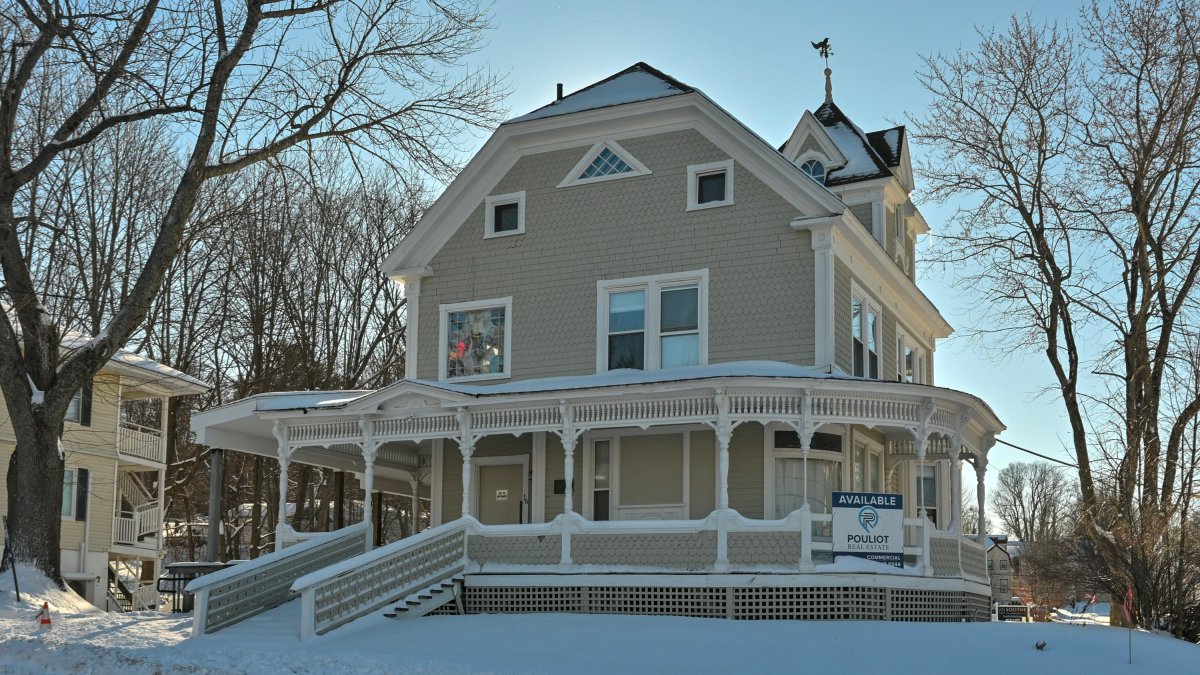
Leaders of United Community Living Center in Augusta, an existing daytime homeless services center, plan to create a 20-bed low-barrier homeless shelter at 16 East Chestnut St., near their existing daytime community center operations at 12 Spruce St.
The proposal is scheduled to go to the Planning Board on Tuesday seeking a change of use of the property, from office space into a homeless shelter.
Betty St. Hilaire, president of United Community Living Center, said in addition to providing a place for homeless people to spend the night, the center would offer “wrapround” services including medical care, counseling services and other assistance. The optional services are intended to help people escape homelessness and regain stability.
However, Ward 2 City Councilor Kevin Judkins, a former board member of the United Community Living Center, proposed the city adopt a 180-day moratorium on new shelters in the city. That would give officials time to craft rules and regulations homeless shelters must follow to be allowed in the city.
Judkins, who previously advocated for having a homeless shelter in Augusta, said his proposal was prompted by the shelter proposal.
Thursday night city councilors heard two hours of often emotional and heated testimony from residents on both sides of the issue. Judkins sought to have the moratorium voted in as an emergency matter in its first reading before the council. This would have side-stepped the city’s normal requirement that such changes take effect only after two readings. Such a move would require a super majority of the council to be in favor, or six councilors, Mayor Mark O’Brien said.
The council voted 4-4 on Judkins’ proposal, meaning the vote failed. And the Planning Board is now free to take up the proposal as scheduled.
As temperatures Thursday night plunged into single digits outside, several speakers said the need for a shelter is so great and urgent the city could not afford any delay.
Resident Chrissie Kingsbury, said she and her fiancé were both helped out of homelessness by the United Community Living Center, Augusta Overnight Emergency Warming Center, and others. She urged councilors to reject the moratorium and allow the shelter to open, so it can provide much needed housing and access to resources.
“If it wasn’t for the (United Community Living Center) helping me, I wouldn’t be housed today,” Kingsbury said, at times stifling tears. “When you put roadblocks up, saying there’s no shelter for (homeless people), they’re left outside freezing, like I just saw a couple in a doorway, while I was walking over here tonight from where I’m housed. Some of these unhoused people would give you their last meal if they had to, they’d help you with anything you’d need. But you see them as not being fit as humans. I’m telling you these programs work, because I’m a success story. These programs work, given time, given resources.”
While a majority of speakers supported the shelter, and opposed the moratorium, the packed City Center chambers also had plenty of supporters of the moratorium on hand.
Several said they aren’t opposed to shelters or helping homeless people, but they felt the city needs stronger rules in place and more information to make well-informed decisions about where shelters should be located and what should be required.
“This pause is not about denying help for those in need, it’s about making sure future shelters in Augusta are built with the right rules, safety measures and standards in place,” said resident and downtown business owner Meg Niles. “The moratorium gives us time to rewrite guidelines so shelters are effective, accountable and safe for everyone — those seeking help and the residents and businesses that keep this community thriving.”
The city is currently considering a proposal to send out a request for proposals seeking a partner to create and run a 30- to 45-bed low-barrier homeless shelter, potentially on two specific spots the city may seek to have pre-approved for shelters: part of the Gage Street park or basketball courts off Mount Vernon Avenue near the intersection with Bond Street.
In proposing the moratorium, Judkins said it is likely only one homeless shelter will be built in the city, and so there should be standards in place to ensure it is done well, safely and on an appropriate site. He said he agrees that a shelter is needed.
In 2024 the Planning Board, after hearing from several downtown merchants worried about the potential impact on the neighborhood, rejected a proposal to turn the Green Street United Methodist Church into an overnight homeless shelter with 40 beds.
Several speakers reminded councilors that creating a low-barrier, year-round, overnight homeless shelter was a key recommendation of the Augusta Homelessness Advisory Task Force, issued several months ago and still not acted upon.
The moratorium could still be voted upon by councilors at their next business meeting, scheduled for Dec. 18, when new councilors take their oaths of office. By then the shelter would have already gone to the Planning Board for consideration as a conditional use in the zoning district where it is proposed.
St. Hilaire said Friday she anticipates moving forward with the application, but said a final decision on that is pending a review of the situation with the group’s board and supporters.
She said the city already has rules in place that regulate shelters.
“There is a process in place, and regulations do exist,” she said after Thursday’s meeting. “All that we ask for is the opportunity to make our case to the community and the relevant city authorities. We do recognize that regulations are important — we support rules and have them ourselves, without them we could not function as an organization. However, we insist that there’s an immediate crisis of people living outside, unprotected from the elements and unable to begin the work of potentially rebuilding their lives.”

We invite you to add your comments. We encourage a thoughtful exchange of ideas and information on this website. By joining the conversation, you are agreeing to our commenting policy and terms of use. More information is found on our FAQs. You can modify your screen name here.
Comments are managed by our staff during regular business hours Monday through Friday as well as limited hours on Saturday and Sunday. Comments held for moderation outside of those hours may take longer to approve.
Join the Conversation
Please sign into your CentralMaine.com account to participate in conversations below. If you do not have an account, you can register or subscribe. Questions? Please see our FAQs.