

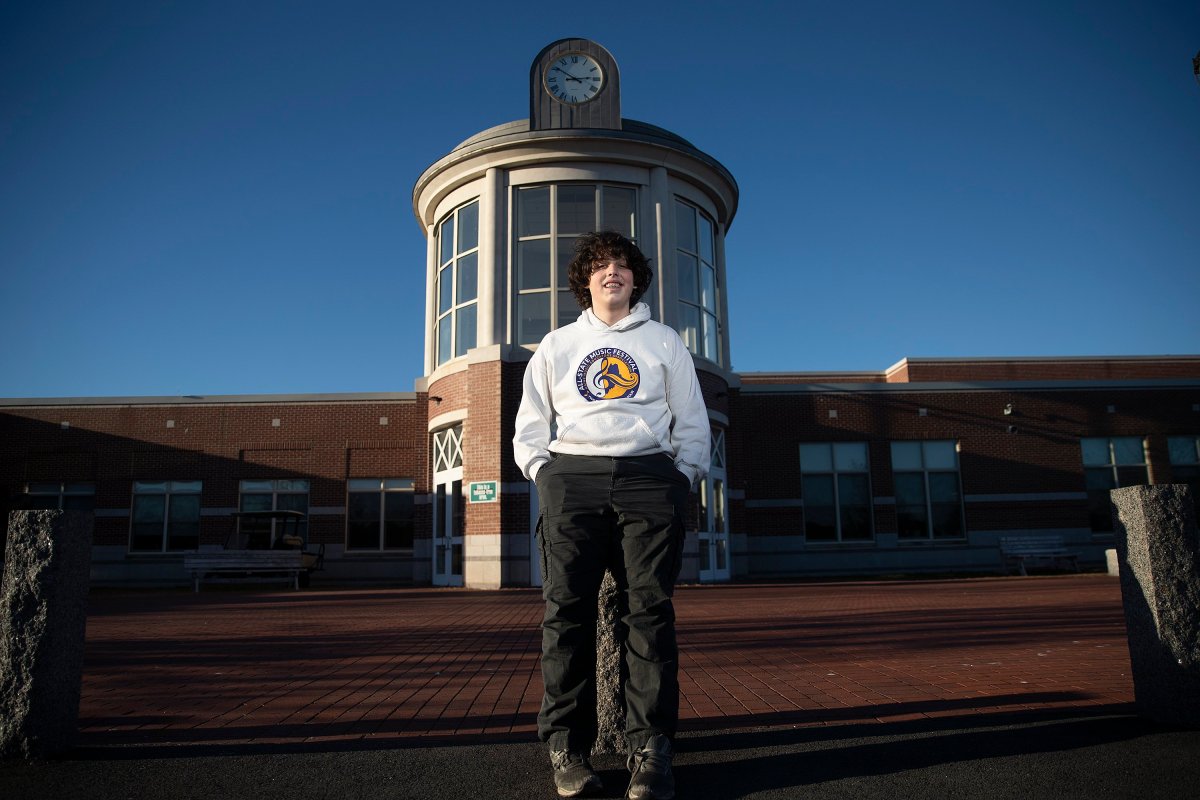
Matteo Hardy‘s classmates are vaping far less than the high schoolers of a few years ago. That’s the good news.
The bad news? It’s more common than ever for Hardy to see his Cony High School peers tucking nicotine pouches into their lips during the school day.
“It’s really easy to have one in in the middle of class. I think that’s why it’s become a big thing,” said Hardy, 17. “Teachers aren’t picking up on it.”
Despite significant reductions in the use of cigarettes and vape products, a small but persistent number of kids — about 1 in 20 — have taken up smokeless tobacco, according to the latest Maine Integrated Youth Health Survey.
The survey, taken anonymously by middle and high school students every two years, also showed teens using alcohol and cannabis less, and reported that their mental health is improving.
The new data is encouraging — particularly after a trend of worsening mental health that began to emerge around 2017 — but also highlights the need to support vulnerable students, said Sheila Nelson, a program manager for the Maine Center for Disease Control and Prevention who focuses on adolescent health and suicide prevention.
Education and public health officials say the survey results show that efforts to increase access to mental health services and substance use treatment are working. A survey by the Maine Department of Education showed that 97% of schools now provide mental health programming and services for students, up from 88% in 2022.
“This trend of improvement in youth mental health and reduced substance use is encouraging and serves as an indication that the essential work to support student well-being must continue,” said Julie Smyth, director of the Department of Education’s Office of School and Student Supports.
SUBSTANCE USE DECREASES
The decrease in vaping among teens comes as welcome news for health officials who have seen the tobacco products as a top public health concern in recent years.
A dramatic rise in vaping — from 16.8% of high school students in 2015 to nearly double that in 2019 — eroded long-term progress in reducing teen smoking in Maine.
But vaping use is now below pre-2015 levels. Just one in eight high school students reported they currently use the products.
Advocacy groups have pushed for a statewide ban on flavored vapes and tobacco, but those efforts have fallen short. They say the ban is needed because companies target youth with advertising and fun flavors even though it is illegal to sell those products to people under 21.
Portland Public Schools has focused on teaching students about the harm of using substances while also educating staff about how to get kids help. High schools in the city connect students who are caught vaping or smoking with a cessation program.
Part of the district’s approach to preventing substance use focuses on making sure students feel connected with the school community, said Sarah Beam, director of student support for the district.
“When students feel comfortable talking to people, they’re more likely to talk about their use and people can target the interventions they need,” she said.
The survey also showed a significant decrease in the number of high school students who reported recent alcohol and cannabis use.
The percentage of high school students who reported having at least one drink of alcohol in the past 30 days has dropped 4 percentage points since 2023 to 16.5%. Reports of cannabis use in the past month decreased by a similar margin in the past two years.
Hardy, a youth advisory board member for Healthy Communities of the Capital Area, a nonprofit public health agency, said those numbers are still “a little shocking.”
“It’s shocking to me because it’s still a problem. I still hear about it and see it regularly,” he said.
Hardy said here was “a huge gap in education” during the pandemic and believes some young people turned to using substances because of stress and isolation. He thinks parents need to focus on regularly talking with their teens about substance use, even if those conversations are uncomfortable.
Nelson, from the CDC, said many young people have the impression that their peers are drinking, smoking or using cannabis much more often then they actually are.
“They think everybody else is doing it, even if they aren’t,” she said. “That mindset is one of the things that makes it hard for a young person to make some healthier choices.”
MENTAL HEALTH IMPROVEMENTS
Educators and public health officials say it’s encouraging to see students overall report significant improvement in their mental health. But the work continues.
The survey asked teens about prolonged stretches of feeling sad or hopeless. The number of teens who reported these longer stretches of melancholy dropped 7 percentage points, from 35% in 2023 to 28% this year.
Suicidal thoughts and attempts among middle and high school students also significantly decreased. But there remained a significant disparity between the mental health outcomes of LGBTQ+ students and their non-LGBTQ+ peers.
LGBTQ+ youth were twice as likely to report feeling sad or hopeless for two or more weeks, the survey found.
“We really need to make sure we are offering extra interventions, extra supports and extra places of mattering for these youth,” said Kristen Kinchla, a research associate with Maine Children’s Alliance. “For the LGBTQ youth especially, research shows their mental health is impacted by things at the state and federal level.”
As communities lose mental health providers, more schools have stepped in to fill the gap by providing those services, said Bear Shea, a mental health specialist with the Department of Education. In some districts, school-based health centers eliminate barriers to care such as the cost of transportation.
Alex Davison, a 17-year-old senior at South Portland High School, said his school community is a supportive place for students seeking help with mental health issues.
“There are lots of supports in place, especially at the high school, that recognize students and their need for safe spaces, mentors and other adults they can reach out to,” Davison said.
But Davison said the work that needs to continue, despite the recent progress.
“It’s still important to provide supports for students and continue that outreach,” he said.
HOW TO GET HELP
IF YOU or someone you know is struggling with a mental health crisis, you can also call the Maine Crisis Line 24 hours a day at 1-888-568-1112.
FOR MORE information about mental health services in Maine, visit the website for the state’s chapter of the National Alliance on Mental Illness.

We invite you to add your comments. We encourage a thoughtful exchange of ideas and information on this website. By joining the conversation, you are agreeing to our commenting policy and terms of use. More information is found on our FAQs. You can update your screen name on the member's center.
Comments are managed by our staff during regular business hours Monday through Friday as well as limited hours on Saturday and Sunday. Comments held for moderation outside of those hours may take longer to approve.
Join the Conversation
Please sign into your CentralMaine.com account to participate in conversations below. If you do not have an account, you can register or subscribe. Questions? Please see our FAQs.