

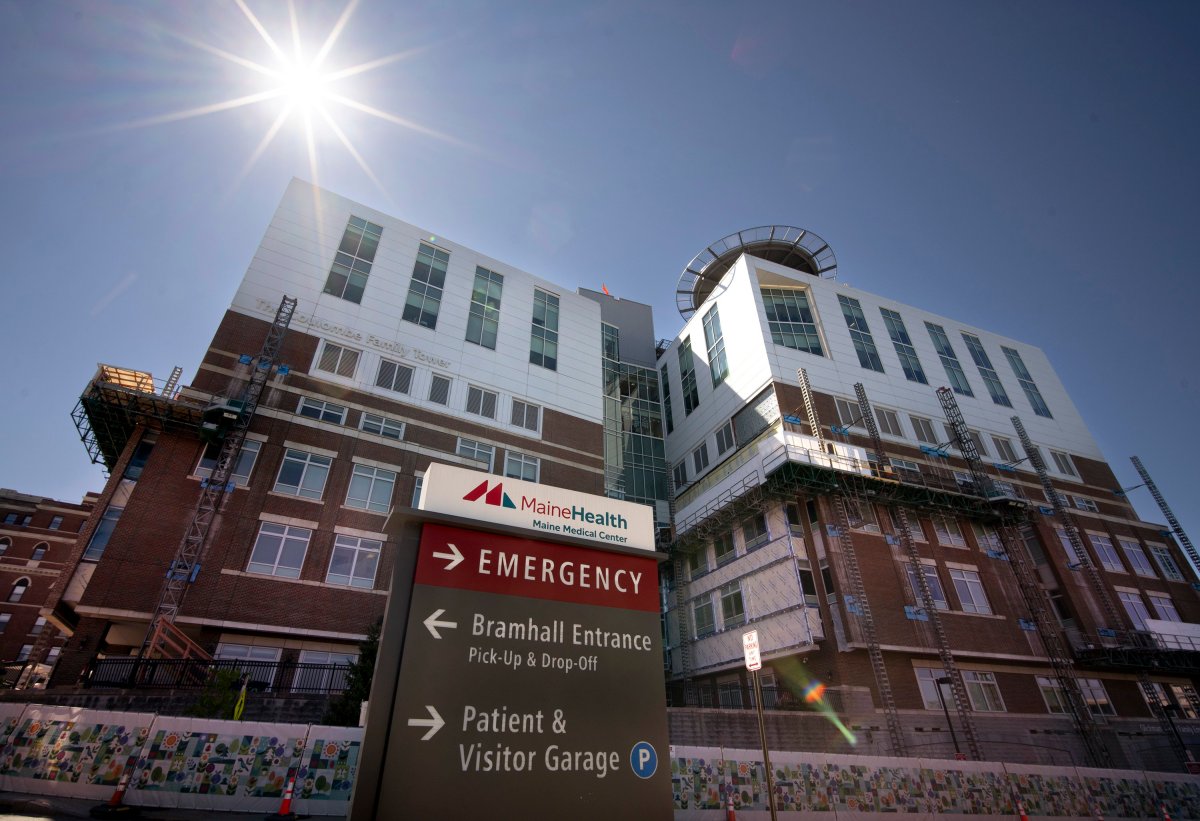
Ambulance crews are taught to take a patient to the nearest hospital in an emergency.
But not every hospital has a full-time trauma surgeon, an open operating room and the ability to begin surgery within 15 minutes of a patient’s arrival. Not every hospital is required to see patients into intensive care and through recovery.
Trauma centers are.
Central Maine Medical Center in Lewiston let its trauma center status lapse on Dec. 1, leaving just two other trauma centers in the state: Maine Medical Center in Portland and Eastern Maine Medical Center in Bangor.
Many worry that it will cause more patients to be transferred to Portland or Bangor for trauma surgery, spending precious time on the road instead of on an operating table. The change might not be set in stone. But will patients notice a difference either way?
Experts discuss what sets trauma centers apart and how the change could impact Maine patients.
What is a trauma center?
Trauma centers are required by the American College of Surgeons to provide around-the-clock, immediate emergency surgery, in addition to a range of regional responsibilities in prevention and education. Certification lasts three years.
Maine Medical Center is a Level I trauma center, which provides comprehensive care for injured patients from prevention to rehabilitation. Level II centers, including Eastern Maine Medical Center, can initiate around-the-clock emergency care for all patients, but lack the comprehensive arc of the first level.
In ending its Level III trauma center certification — a designation for hospitals with around-the-clock trauma coverage, usually in rural areas — Central Maine Medical Center has reverted to a trauma system hospital, which can provide trauma care but may not be prepared for emergency surgery. Any hospital is eligible to become a trauma system hospital, and there are about 30 in Maine.
After stabilizing a patient, a trauma system hospital can coordinate their transfer to a trauma center for surgery.
Why would a facility opt out of trauma center status?
It’s expensive.
A 2019 analysis found it costs the average Level I trauma center $10 million to maintain readiness for 24-hour emergent care, dropping down to $4 million for level IIs. A similar study in 2023 found it costs Level IIIs close to $1.7 million, with 54% spent on clinical medical staff.
Erin Clark, medical director of CMMC’s emergency department, said the hospital ended its trauma center designation to save more than $500,000 each year on administrative overhead and paperwork required by the ACS, like maintaining a trauma registry to track patient data.
She said there would be no change in trauma services after Dec. 1. But there’s also no guarantee that savings will stop at paperwork.
Time and energy are other obstacles, said Charles Morris, chief medical officer for the southern region of MaineHealth, which includes Maine Medical Center. Every three years, trauma centers are visited by the ACS for an extensive review of documents, programs and charts to ensure the facility is meeting standards — all 150 pages of them.
“Even though the site visits are every three years, we are constantly working to maintain all of our data and our infrastructure to make sure that we’re keeping up with the standard,” Morris said.
Where will ambulances take central Maine patients now?
Short answer: It’s not clear.
Maine EMS said trauma patients with serious injuries should be transported to a trauma center if it’s within 45 minutes, and otherwise should go to the closest hospital. While CMMC still has trauma services, they’re not required around the clock. The hospital stopped providing neurosurgery for trauma patients in 2021, and other specialties could be next.
That would mean more transfers to Portland and Bangor, delaying patient care and taking ambulances out of their communities for longer periods, said Wil O’Neal, executive director of Maine EMS.
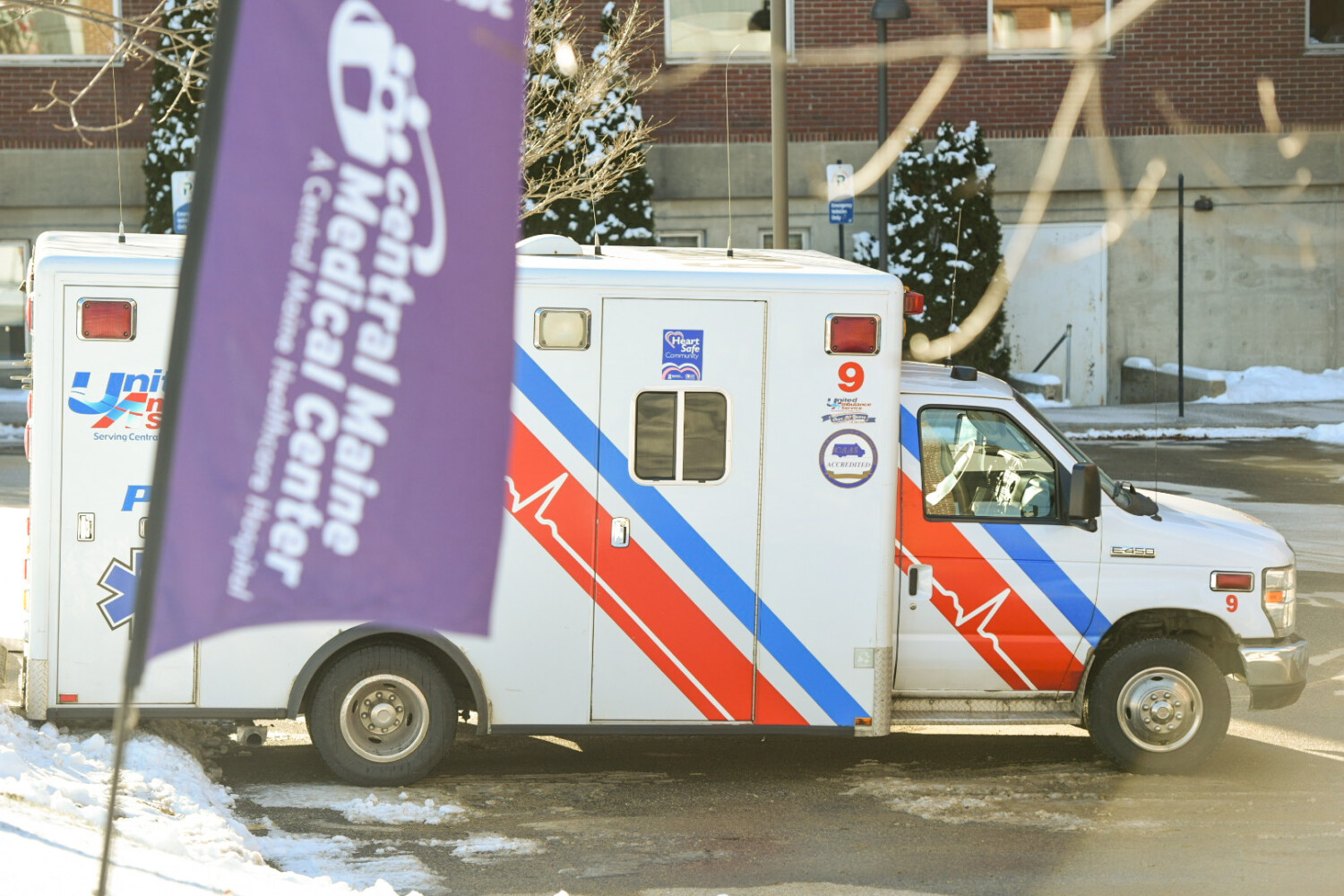
“If I’m having to go to Portland or Bangor now for a patient that I could have gone six or seven minutes away, that means that now, coming back, my community is going to be waiting for an ambulance to get there,” O’Neal said. “And we’re going to have to do some flexing until it’s back in ways that we haven’t had to do before.”
What does this mean for Maine?
It’s never a good thing to level down on trauma care, experts said.
Receiving care at a trauma center lowers the risk of death for injured patients by 25% compared with treatment at non-trauma centers, according to a nationwide study by the Johns Hopkins Bloomberg School of Public Health and the University of Washington School of Medicine.
And closing one trauma center often leads to the simultaneous closure of others, causing trauma deserts, according to a 2024 article about the rising costs of operating trauma centers. These deserts precipitate higher rates of mortality, namely among minority and uninsured groups.
For now, Portland and Bangor’s trauma centers are committed to maintaining their status, officials said. But hospitals are dependent on government payers, Medicaid and Medicare, which set reimbursement rates that many health leaders said are too low to break even — causing hospitals and services to shutter.
“We are doing everything we can to care for the volume of injured patients who have nowhere else to get the level of care they may need,” Morris said. “But it is becoming increasingly hard to do that in the state of Maine.”

Comments are not available on this story. Read more about why we allow commenting on some stories and not on others.
We believe it's important to offer commenting on certain stories as a benefit to our readers. At its best, our comments sections can be a productive platform for readers to engage with our journalism, offer thoughts on coverage and issues, and drive conversation in a respectful, solutions-based way. It's a form of open discourse that can be useful to our community, public officials, journalists and others.
We do not enable comments on everything — exceptions include most crime stories, and coverage involving personal tragedy or sensitive issues that invite personal attacks instead of thoughtful discussion.
You can read more here about our commenting policy and terms of use. More information is also found on our FAQs.
Show less