

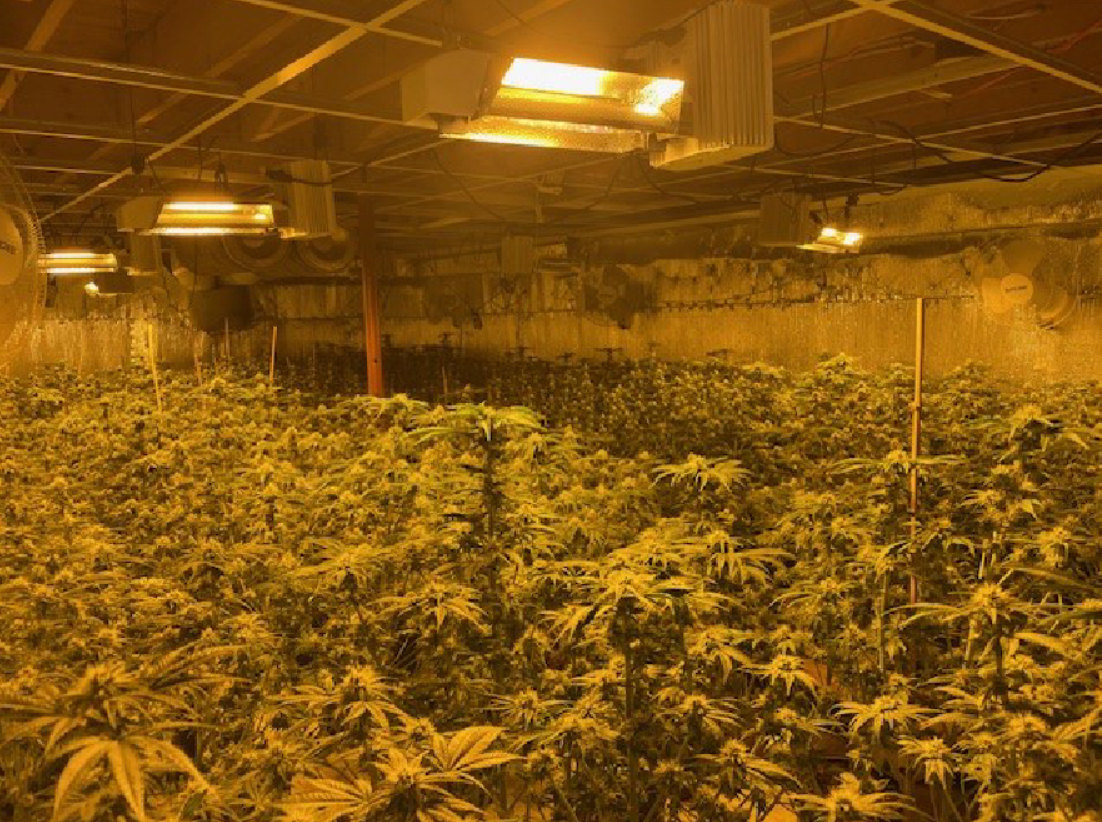
A New York man pleaded guilty in federal court Wednesday to committing mortgage fraud to purchase a house in St. Albans that he converted into an illicit marijuana growing operation.
According to court documents and property records, Ken Yiu, of New York City, purchased 294 Hartland Road in 2020 for $80,000. Yiu indicated in a mortgage application that the property would be his primary residence.
Instead, federal prosecutors allege, he used the property to hide a large-scale cannabis operation.
Since 2020, hundreds of single family homes throughout rural Maine have been purchased by Chinese immigrants from New York and Massachusetts to house clandestine illegal cannabis grows. The operations can grow anywhere from a few hundred to several thousand plants and have often been staffed using forced labor and human trafficking.
Yiu, a U.S. citizen, was interviewed by federal law enforcement about his operation in December 2024. Andrew Lizotte, the assistant U.S. attorney leading the federal investigation into Maine’s illegal cannabis grow houses, wrote in an email that Yiu “admitted selling marijuana he grew at his property in St. Albans to buyers in Massachusetts.”
“A federal search warrant for the property was executed in January 2025. The search confirmed that the property had been used and maintained by Yiu to grow and distribute marijuana,” Lizotte wrote.
Yiu, 49, was arrested in New York in March and charged with committing bank fraud, maintaining a drug-involved premises and making false statements. He faces up to 30 years in prison and fines totaling more than $1 million.
Dozens of illegal Chinese-run “grow houses” have been raided by local and federal law enforcement over the last two years. Chemical testing of cannabis grown at those sites has found dangerous amounts of banned pesticides, toxic fertilizers and black mold.
Over 30 people have been arrested so far in connection with Maine’s illegal grow houses, most of them Chinese nationals.
More than 100 such operations have obtained medical cannabis growing licenses from Maine’s Office of Cannabis Policy, though Lizotte said neither Yiu nor his property was licensed by the state.

We invite you to add your comments. We encourage a thoughtful exchange of ideas and information on this website. By joining the conversation, you are agreeing to our commenting policy and terms of use. More information is found on our FAQs. You can modify your screen name here.
Comments are managed by our staff during regular business hours Monday through Friday as well as limited hours on Saturday and Sunday. Comments held for moderation outside of those hours may take longer to approve.
Join the Conversation
Please sign into your CentralMaine.com account to participate in conversations below. If you do not have an account, you can register or subscribe. Questions? Please see our FAQs.