
No.

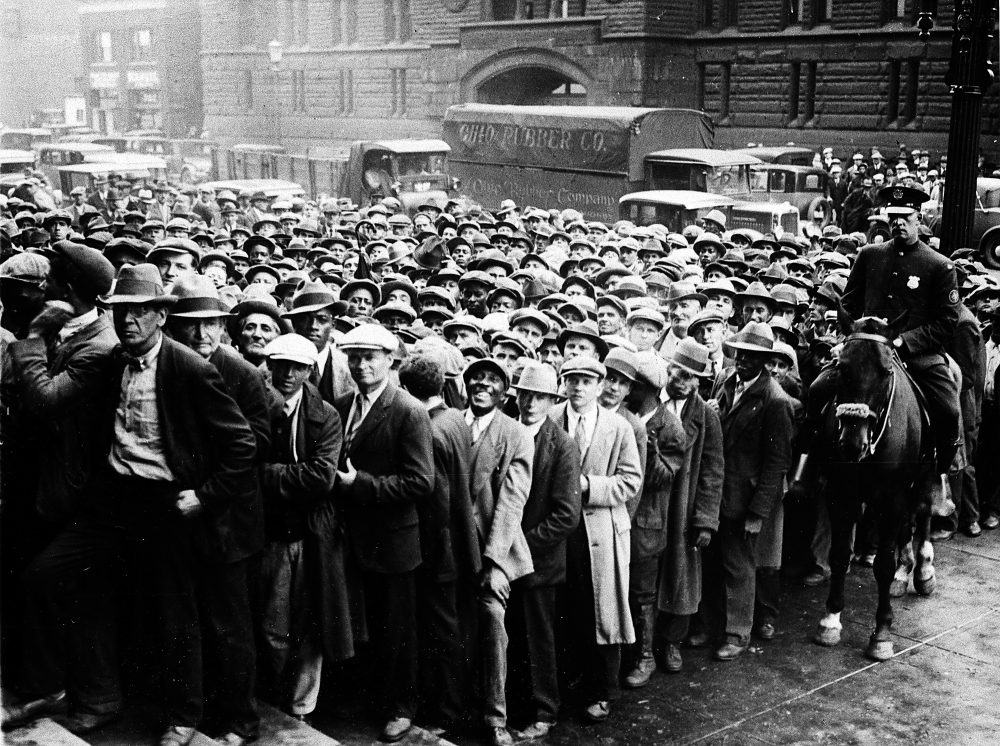
Maine was not too poor to be affected by the Great Depression, which began in 1929. Still, the effects were less severe and took longer to manifest here than in more urban, industrialized states.
According to the Maine Historical Society, Maine’s jobless rate had risen to 15% by 1933, with many families relying on subsistence farming to get by. Many farm families could not afford to pay taxes or mortgages, coastal tourism declined, and some storefronts were boarded up.
Still, Maine’s predominantly rural economy helped cushion the blow, according to Colby College research. With fewer large factories to shut down, the state avoided the catastrophic industrial layoffs seen elsewhere. Many newly unemployed urban workers actually returned home to rural Maine, boosting the population.
By 1935, agencies created under President Franklin D. Roosevelt’s New Deal began helping Maine’s recovery, including programs that provided relief and carried out conservation and infrastructure projects across the state.
This fact brief is responsive to conversations such as this one.
The Maine Trust for Local News partners with Gigafact to produce fact briefs — bite-sized fact checks of trending claims. Read our methodology to learn how we check claims.
Sources
- Maine Historical Society: 1920-1945: The Countryside at Midcentury
- Maine Jewish History Project (Colby College): Depression-era Retailers
We invite you to add your comments. We encourage a thoughtful exchange of ideas and information on this website. By joining the conversation, you are agreeing to our commenting policy and terms of use. More information is found on our FAQs. You can update your screen name on the member's center.
Comments are managed by our staff during regular business hours Monday through Friday as well as limited hours on Saturday and Sunday. Comments held for moderation outside of those hours may take longer to approve.
Join the Conversation
Please sign into your CentralMaine.com account to participate in conversations below. If you do not have an account, you can register or subscribe. Questions? Please see our FAQs.