

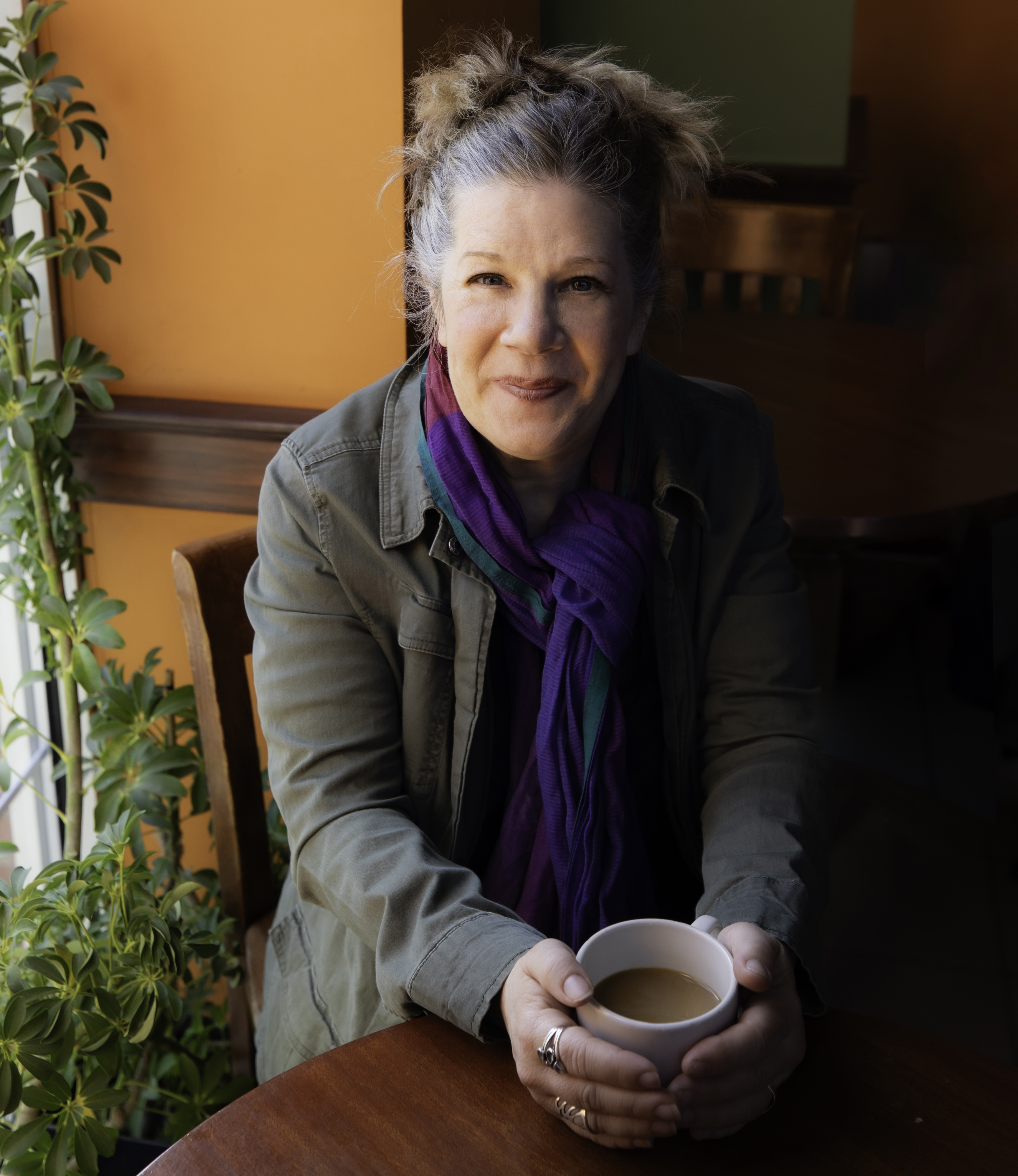
Singer-songwriter Dar Williams released “Hummingbird Highway,” her 13th studio album, in September.
A lengthy North American and European tour kicks off in early February. Prior to that, Williams is playing four shows to close out December. The first is Dec. 27 at Stone Mountain Arts Center in Brownfield.
With a soprano voice that exudes open-hearted warmth, Williams conveys a poetic sincerity to her songwriting. Her music is a source of wisdom, hope, observation and emotional insight. “Hummingbird Highway,” with songs like “All is Come Undone,” “The Way I Go” and “Olive Tree” is the latest example of Williams’ musicianship and career longevity.
From her home in the Hudson Valley area of New York, Williams opened up about the many aspects of “Hummingbird Highway” and what some of her favorite older songs are.
This is your first album on Ani DiFranco’s Righteous Babe label. How did that happen?
We were looking around at releasing the album ourselves and or going with a label. My manager was looking at Righteous Babe. There’s a warmth and attention and a feel for people that they have, which comes from Ani. But at the same time, I didn’t want to go to Ani personally and say ‘Can I be on your label?’ because that’s a horrible thing, you don’t want to do that. We said that this is the label that would be best for me, this is the label where the people understand me the best. We went to all of the people before we went to Ani to give the final thumbs-up. As one would expect, it’s more than a label. It’s been a real family.
When did you write the songs for the album?
I wrote half of each song during the pandemic. You’ve got to wait for the ‘aha’ moments in your songs, and it can be stressful and very personal what you explore on the way to finding the raison d’etre for a song. So I did what I don’t recommend to other people, which is I booked studio time in 2024 and wrote to the deadline. I white-knuckled it into the studio and it was what I needed. I did some (writing) later in the year where I was able to polish some lines. Mostly I just went and sat in a lot of cafes and I sat in rocking chairs, whatever did it. I took a lot of walks.
Can you talk about the title track?
I was on a Cayamo (music) cruise and it stopped for day in Belize. On the way to a spice farm they said there’s a north highway, a south highway and a middle highway called the Hummingbird Highway. I had already been thinking, as they showed us these really cool things in the spice farm, that I wish that my kids could see this, which I think all the time. So I was already aware of the distance, the places I get to go, my exotic touring life and how that harmonizes with and clashes with parenting. As soon as they said Hummingbird Highway, I thought about my career, I thought about touring and all the ways that a hummingbird and a touring artist are similar. Everything moves fast. You’ve got to keep moving to keep going. You eat a lot of sugar. And it’s really colorful. This one image crystalized so many aspects of the touring career. The song started to write itself but it took a long time to write.
Tell me about the album’s cover art.
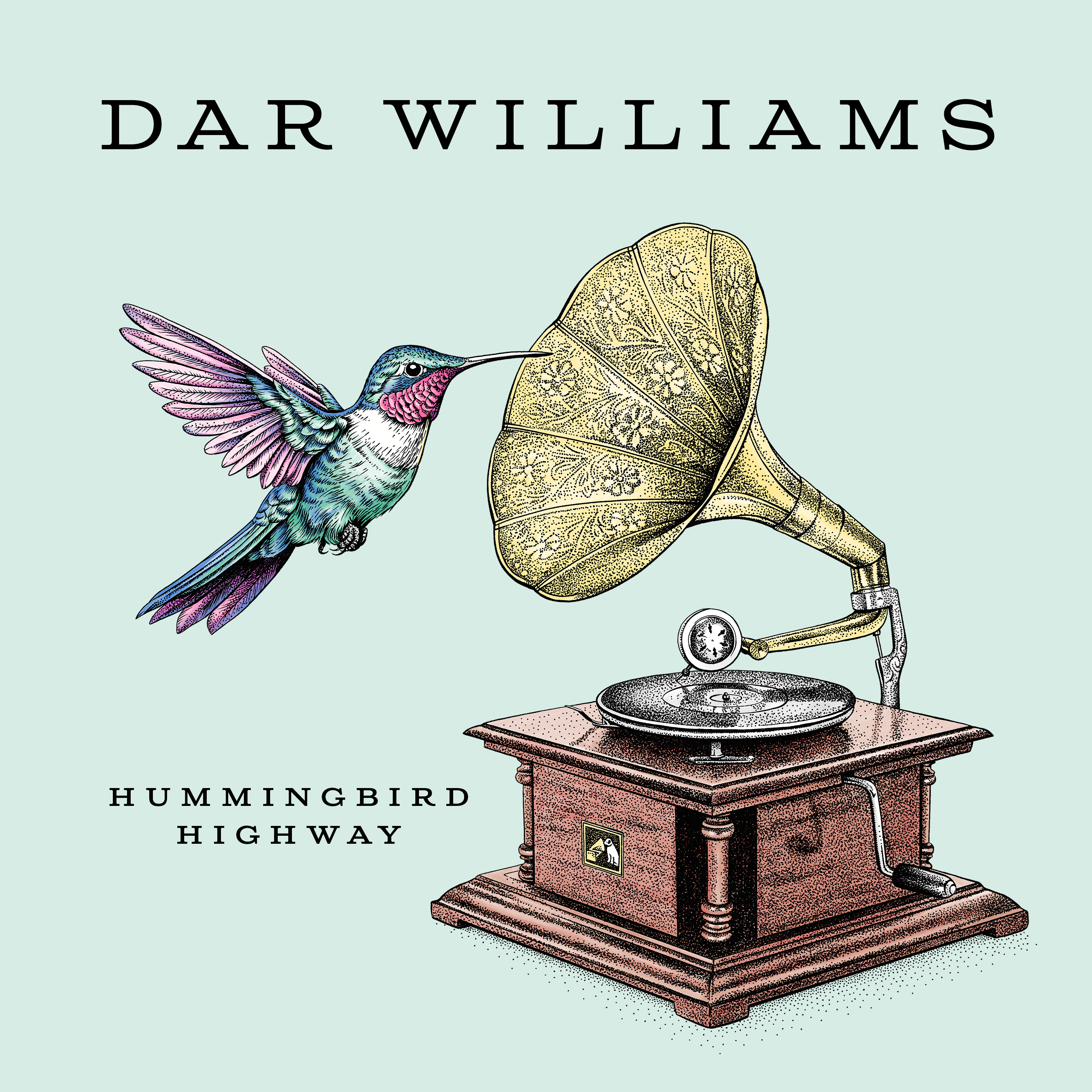
Someone came up to me and asked if I was Dar Williams the musician. He gave me his card and I loved it. His name is Steve Habersang, a graphic designer. He had never done album art before. We gave him this idea of a hummingbird and somehow the forked tail of the hummingbird would became the dividing yellow lines of the highway. So he did it, and it looked like a ’70s jam band thing. That’s not on him, it was our idea. He did a beautiful job, but it wasn’t the right feel. Then he said that on a whim he had this idea, and it’s the cover of the album. I was beyond thrilled.
The song “February” from “Mortal City” (1996) is still a staple of your shows. Why is that?
It continues to feel new because you can kind of hear the audience experiencing it. There’s this thing that I’ve talked to other musicians about, when you can hear the audience listening on certain songs. It’s funny because the person I wrote it about is a very close friend now, so it’s fun to reflect on how far our relationship has gone, even though that song literally has images of being frozen in it. The truth is, life does not freeze, life grows. There’s a lot of myself in that song.
Another core song of yours is “When I Was a Boy” from “The Honesty Room” (1993). You were talking about gender long before other songwriters. Does it still feel special to play it live?
That song launched my whole career and I now realize why, because it was under the surface. I would say to journalists that it was a gender song. They would say ‘why do you think it resonated?’ And I said because there’s feminist songs, there’s feminism and there’s pride, and the themes that go with both. But this is a gender song. Beyond your politics and beyond who you’re sleeping with, there’s this other thing about everyone being male and female in some way. We limit ourselves by limiting our definition of gender within ourselves.
Dar Williams with The Nields
8 p.m. Dec. 27. Stone Mountain Arts Center, 695 Dugway Road, Brownfield, $40. stonemountainartscenter.com.

We invite you to add your comments. We encourage a thoughtful exchange of ideas and information on this website. By joining the conversation, you are agreeing to our commenting policy and terms of use. More information is found on our FAQs. You can modify your screen name here.
Comments are managed by our staff during regular business hours Monday through Friday as well as limited hours on Saturday and Sunday. Comments held for moderation outside of those hours may take longer to approve.
Join the Conversation
Please sign into your CentralMaine.com account to participate in conversations below. If you do not have an account, you can register or subscribe. Questions? Please see our FAQs.