

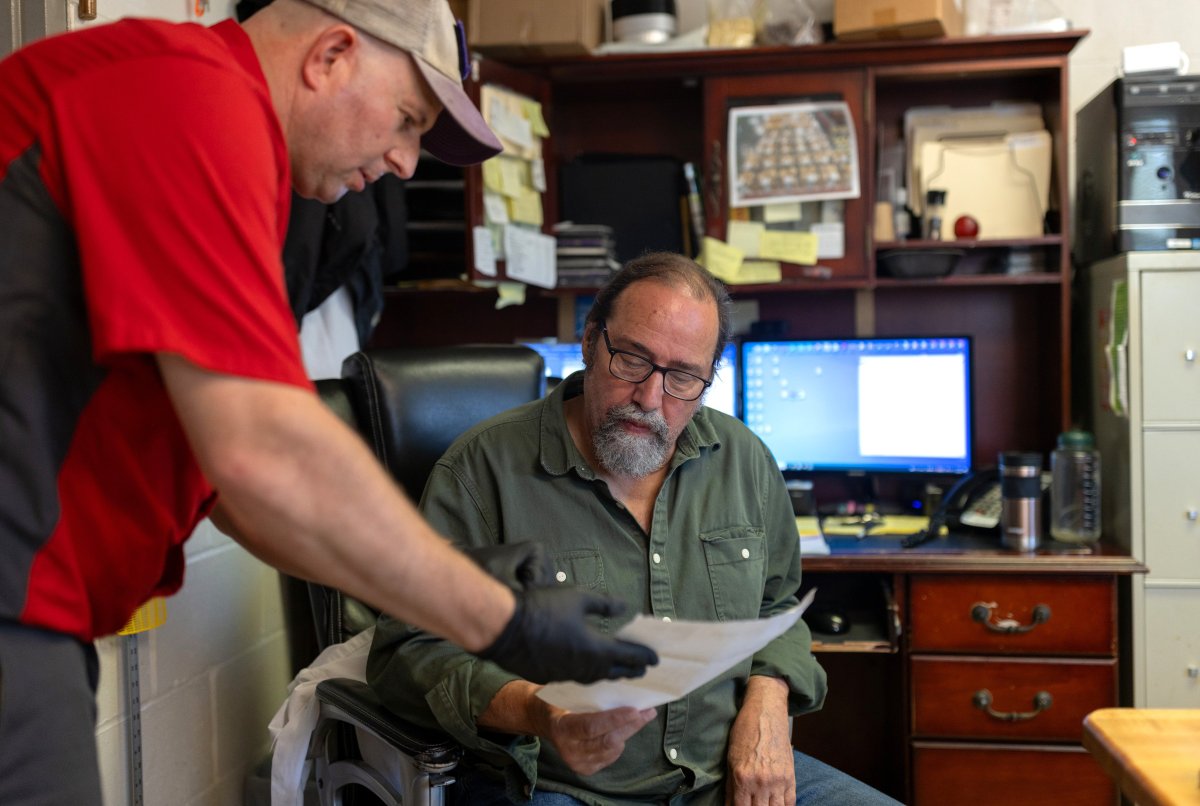
Maine business leaders and immigrant advocates say new restrictions on work permits for asylum seekers will hurt companies, consumers and other workers across a state that relies on new Mainers to fill jobs amid a chronic labor shortage.
The Trump administration this month reduced the valid period for work permits issued to asylum seekers and other migrants from five years to just 18 months — a move that’s expected to increase a yearslong backlog of applications to U.S. Citizenship and Immigration Services.
Critics say this policy change and others will make it nearly impossible for some companies to stay fully staffed, especially in Maine’s seasonal, food production, agricultural and health care sectors.
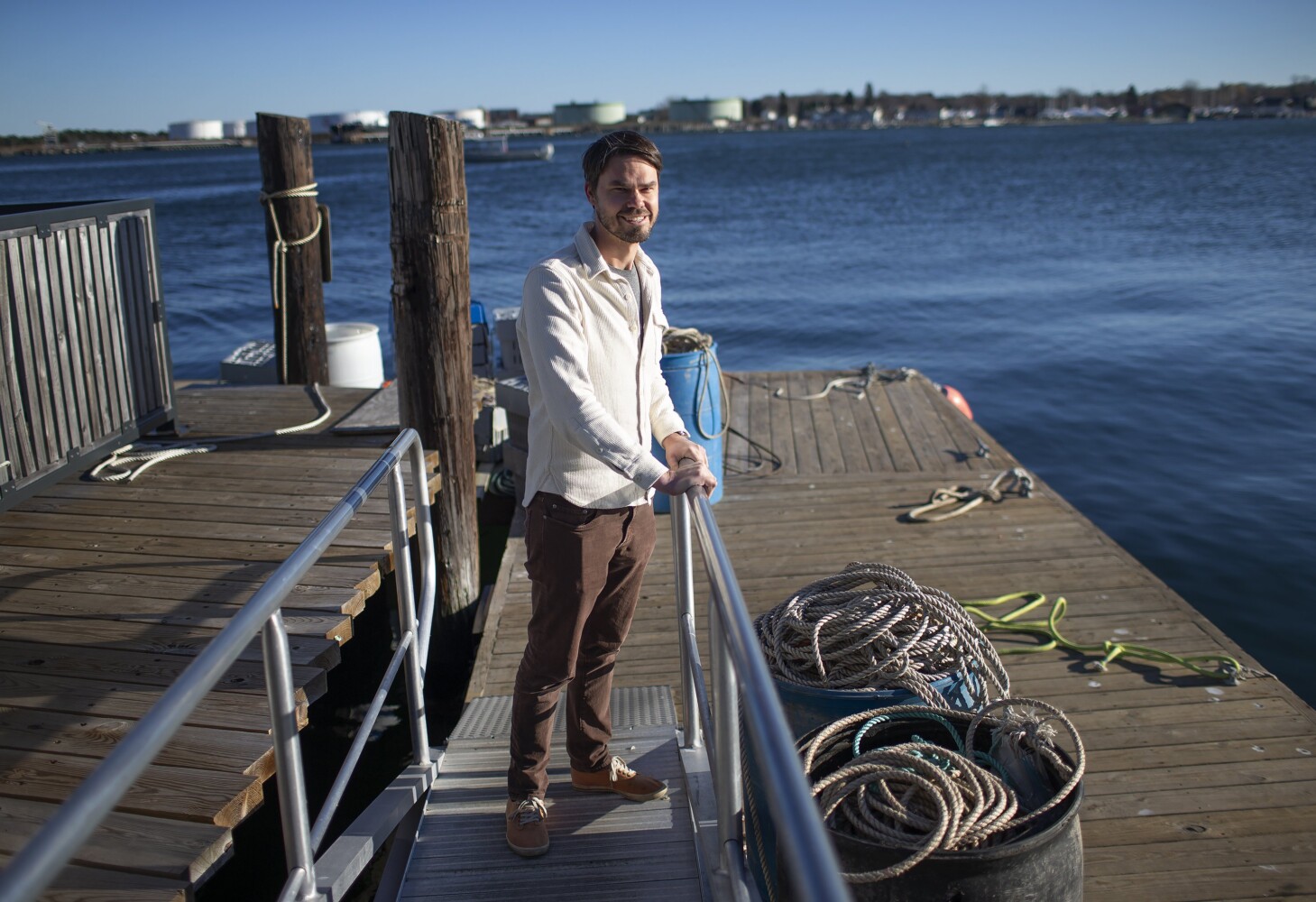
Ben Conniff, co-founder of Luke’s Lobster, a lobster processing, specialty food production and restaurant company, urged the administration to “walk back” the changes.
“People might think that they’re proposing or inputting new rules that just target folks from immigrant populations — they are not,” Conniff said Thursday during an online media briefing that included the Maine State Chamber of Commerce in Augusta.
“They will harm business, create unnecessary red tape and harm communities up and down the supply chain,” Conniff said, “all the way from the original harvester to the end consumer, who either can’t get food on the shelves in the supermarket or will pay vastly more for it.”
Conniff said about 70% of Maine’s lobster harvest is processed at production facilities that depend on workers from immigrant communities. Requiring employed asylum seekers to reapply for work permits every 18 months would create an immense administrative burden for employers, increase an already significant backlog in permit applications and leave companies without enough workers to operate, he said.
“When you cannot staff roles in these production facilities, you cannot produce seafood,” Conniff said. “You will see people in seafood production facilities and all sorts of other production facilities close their doors.”
REACTION TO RECENT SHOOTING
The Trump administration imposed a variety of restrictions on asylum seekers, green card applicants and other immigrants following the Nov. 26 shooting in Washington, D.C., that killed one National Guard member and critically wounded another.
The alleged gunman is an Afghan national who worked with a CIA-organized counterterrorism group before coming to the U.S. in 2021. He was granted asylum in April.
USCIS Director Joseph Edlow said the attack showed that his agency “must conduct more frequent vetting of aliens.”
Now, work permits issued or renewed after Dec. 4 are valid for 18 months instead of five years. The shortened timeline applies to asylum seekers, refugees and other migrants with humanitarian protections.
USCIS also halted all asylum decisions and paused all immigration applications from 19 nations it has deemed high risk: Afghanistan, Myanmar (also known as Burma), Chad, Republic of Congo, Equatorial Guinea, Eritrea, Haiti, Iran, Libya, Somalia, Sudan, Yemen, Burundi, Cuba, Laos, Sierra Leone, Togo, Turkmenistan and Venezuela.
Business leaders say these restrictions will impact hundreds of thousands of migrants and particularly hurt industries such as construction, transportation and food services.
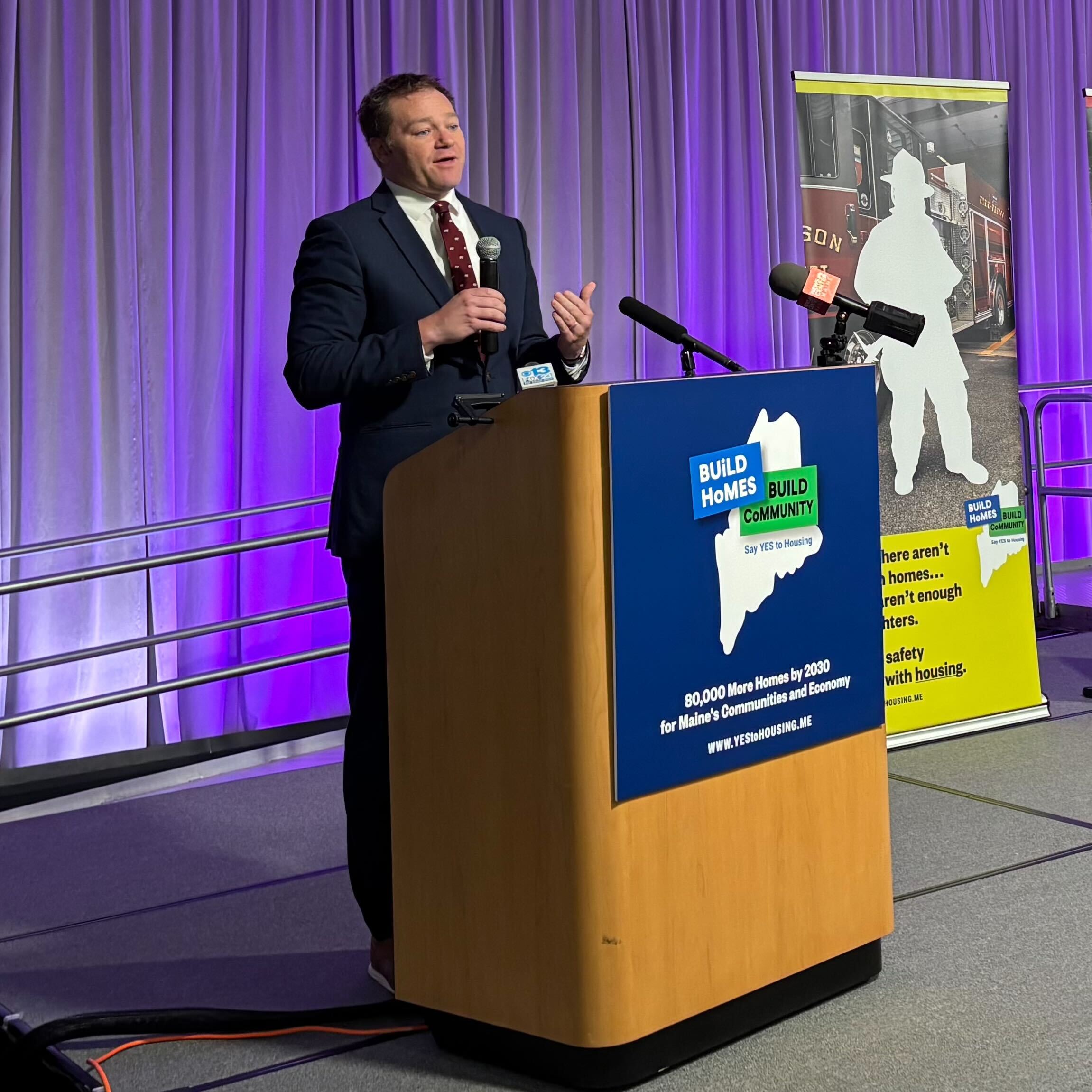
Patrick Woodcock, president and CEO of the Maine State Chamber, said asylum seekers are a critical resource in a state with a labor shortage and no sign of employment growth through 2029.
The loss of those workers will be especially difficult for Maine communities where asylum seekers make up a significant portion of the workforce, he said.
“Ultimately, we need a regulatory framework that makes it easy for our current workforce to continue to participate in our economy,” Woodcock said. “This workforce is working for Maine. It’s working for the United States. We need to ensure that we don’t have unnecessary lapses (in work permits) that are held up in red tape.”
ASYLUM SEEKERS AT WORK
There are at least 3 million asylum seekers in the U.S., including children, and roughly 1.4 million are working, according to fwd.us, an immigration advocacy group.
Maine had about 10,000 foreign-born residents in 2023 who were asylum seekers, humanitarian parolees or had another protected status, according to an October report from the Migration Policy Institute, a nonpartisan immigration policy think tank.
Michael Gagné has hired many asylum seekers, and he openly admits he’s no fan of President Donald Trump or his immigration policy changes. He owns Gagné Foods, a Bath pastry company where about 70% of his 50 employees are asylum seekers and other immigrants.
“I find all of these things are anti-American and run counter to the founding principles of our country,” Gagné said in an interview. “Once you scrape away the racist, anti-immigrant rhetoric and the pretense of a problem, you’re left with the vilification of a whole class of people for the purpose of political gain and the satisfaction of his base.”
Gagné said making his company a welcoming space for immigrants solved a 15-year struggle to fill jobs amid a chronic labor shortage. He helped to establish a public bus route between Bath and Lewiston, where many of his workers live. He also provides interpreter services, pays $18 to $28 an hour and just doled out Christmas bonuses.
“I have a fairly stable and consistent work force because of asylum seekers and other immigrants,” Gagné said. “I just hired three more.”
Gagné said he audits his employees’ work permits every two weeks to make sure they’re up to date in case immigration officials show up.
But in his mind and in this job market, he said, asylum seekers and other immigrants “should be allowed to work and fast-tracked to citizenship.”
MOUNTING IMMIGRATION RESTRICTIONS
Thursday’s media briefing was hosted by WorkPermits.US, which is a project of ASAP (Asylum Seekers Advocacy Project), a nonprofit made up of asylum seekers and advocates that helps them through and lobbies for changes in the asylum process.
Conchita Cruz, ASAP’s co-executive director, said shorter validity periods for work permits could create longer processing backlogs, “making it more and more likely asylum seekers will fall out of the workforce and not be able to support themselves and their families,” the Washington Post reported.
These are only the latest restrictions to the asylum program, which was established for migrants fleeing persecution in their home countries based on race, religion or other factors. Earlier this year, U.S. Customs and Border Protection was authorized to deport most migrants seeking asylum at the U.S.-Mexico border, which has been legally challenged and is expected to go before the U.S. Supreme Court.
The administration also has raised fees for asylum applications and related work permits, including a new $550 fee to apply for an initial work permit, which had been free, according to ASAP.
Many asylum seekers who entered the country via the U.S.-Mexico border under President Joe Biden have obtained work permits while waiting for their asylum claim to be processed, which can take several years.
Lisa Parisio, policy director of the Immigrant Legal Advocacy Project in Portland, said the administration’s changes further extend an already protracted asylum review process and add unnecessary complications and costs for everyone involved.
“These changes to work permit validity periods are very clear examples of the administration’s massively cruel, chaotic and baseless moves on immigration,” Parisio said. “Ultimately, they impact and harm all of us.”

We invite you to add your comments. We encourage a thoughtful exchange of ideas and information on this website. By joining the conversation, you are agreeing to our commenting policy and terms of use. More information is found on our FAQs. You can update your screen name on the member's center.
Comments are managed by our staff during regular business hours Monday through Friday as well as limited hours on Saturday and Sunday. Comments held for moderation outside of those hours may take longer to approve.
Join the Conversation
Please sign into your CentralMaine.com account to participate in conversations below. If you do not have an account, you can register or subscribe. Questions? Please see our FAQs.