

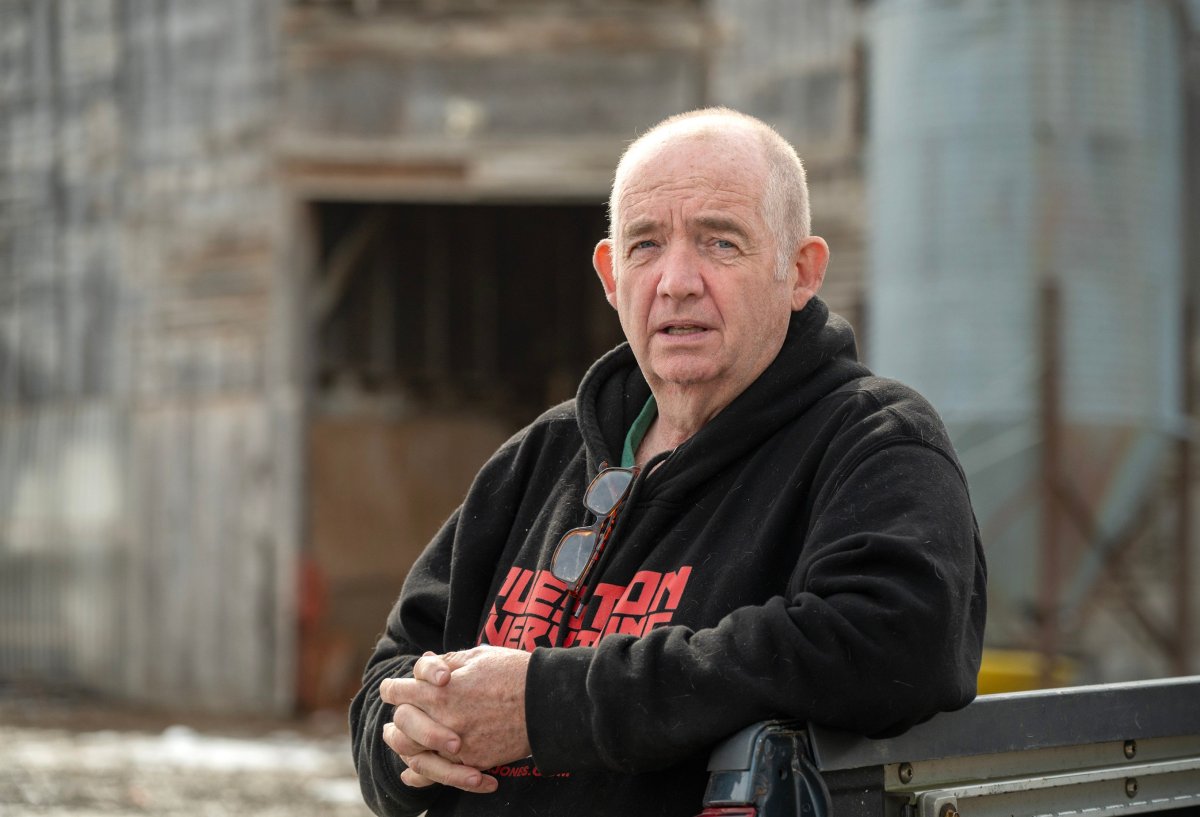
Lawyers have dropped a federal lawsuit against Maine state officials that was filed on behalf of a Mercer turkey farmer who later said he unknowingly became the sole plaintiff in the case.
The attorneys — one from Maine and two from the national, libertarian-leaning Pacific Legal Foundation — filed the voluntary dismissal of Scott Greaney’s lawsuit Wednesday in U.S. District Court in Bangor, according to court records.
The two-page filing simply states the matter was dismissed without prejudice, meaning it technically could be filed again.
“They sent me a letter that said because of my statements in the newspaper, they were dismissing the lawsuit,” said Greaney, the 61-year-old co-owner of Greaney’s Turkey Farm. “I’m like, well, ‘You think?’”
Greaney, who has been in the turkey business 44 years, said the lawyers wrote he could contact them for further discussion. But he said he is moving on.
“I guess lawyers don’t always tell the truth,” Greaney said.
Samantha Romero-Drew and Laura D’Agostino, the two attorneys with the Pacific Legal Foundation who are listed on court filings, did not return phone calls Monday. A spokesperson for the legal organization also did not return a phone call.
A version of the press release posted on the organization’s website and a Facebook post sharing it could no longer be accessed Monday; the link for the webpage with the press release redirected viewers to a general listing of other cases.
Greaney lawsuit dismissal by Maine Trust For Local News
Following the lawsuit’s filing Dec. 12, Greaney said in an interview last week he did agree to work with the Pacific Legal Foundation. Their lawyers had approached him earlier this year with their idea to challenge the legality of racial requirements for two seats on a state board that oversees funds meant to support Maine farmers, loggers and others. It sounded like a good idea, he said.
But Greaney said he did not realize he had signed on to be the sole plaintiff in the lawsuit. And Greaney said he did not know the Pacific Legal Foundation would issue a press release about the lawsuit, which he said was misleading in its characterization that he, specifically, was denied a seat on the board in question because of his race.
Greaney also said he had never met the Maine attorney listed on the lawsuit, Benjamin Hartwell, who has a Gorham law office. Hartwell, who confirmed last week he had never met Greaney, said it is common practice for national legal organizations to work with local counsel to facilitate filings.
Romero-Drew said previously that Greaney had signed an agreement for the organization to represent him. The nonprofit, founded in 1973 and with offices in California, Virginia and Florida, said it was representing Greaney at no cost.
Romero-Drew said the effort was part of a larger initiative to monitor and challenge what the foundation sees as unconstitutional requirements, such as race, to serve on boards and commissions nationwide.
The lawsuit questioned the constitutionality of the composition of the Maine Agriculture, Food System and Forest Products Infrastructure Investment Fund Advisory Board.
The advisory board is tasked with overseeing the investment fund, which was created under state law in 2021. The fund is intended to strengthen Maine’s agricultural, food and forest products industries, prioritizing historically marginalized, underrepresented, and underserved communities; address barriers to capital access for businesses in those communities; expand investments in infrastructure; and establish technical assistance programs.
Per state law, the 17-member board consists of the commissioner of agriculture, conservation and forestry; the commissioner of economic and community development; and 15 people they appoint from various backgrounds, many representing industry groups.
The lawsuit filed on Greaney’s behalf took aim at two seats specifically designated for people “who represent historically underserved racial populations in nondairy farming.”
Those seats are both currently filled, according to the complaint and the investment fund’s webpage. Greaney expressed his interest in serving on the board just before the lawsuit was filed, which he said he did at his lawyers’ request.
Aside from those two seats, the complaint pointed out, a conventional or organic nondairy farmer like Greaney would only otherwise qualify for seats designated for representatives of industry groups representing such farmers, which he is not.
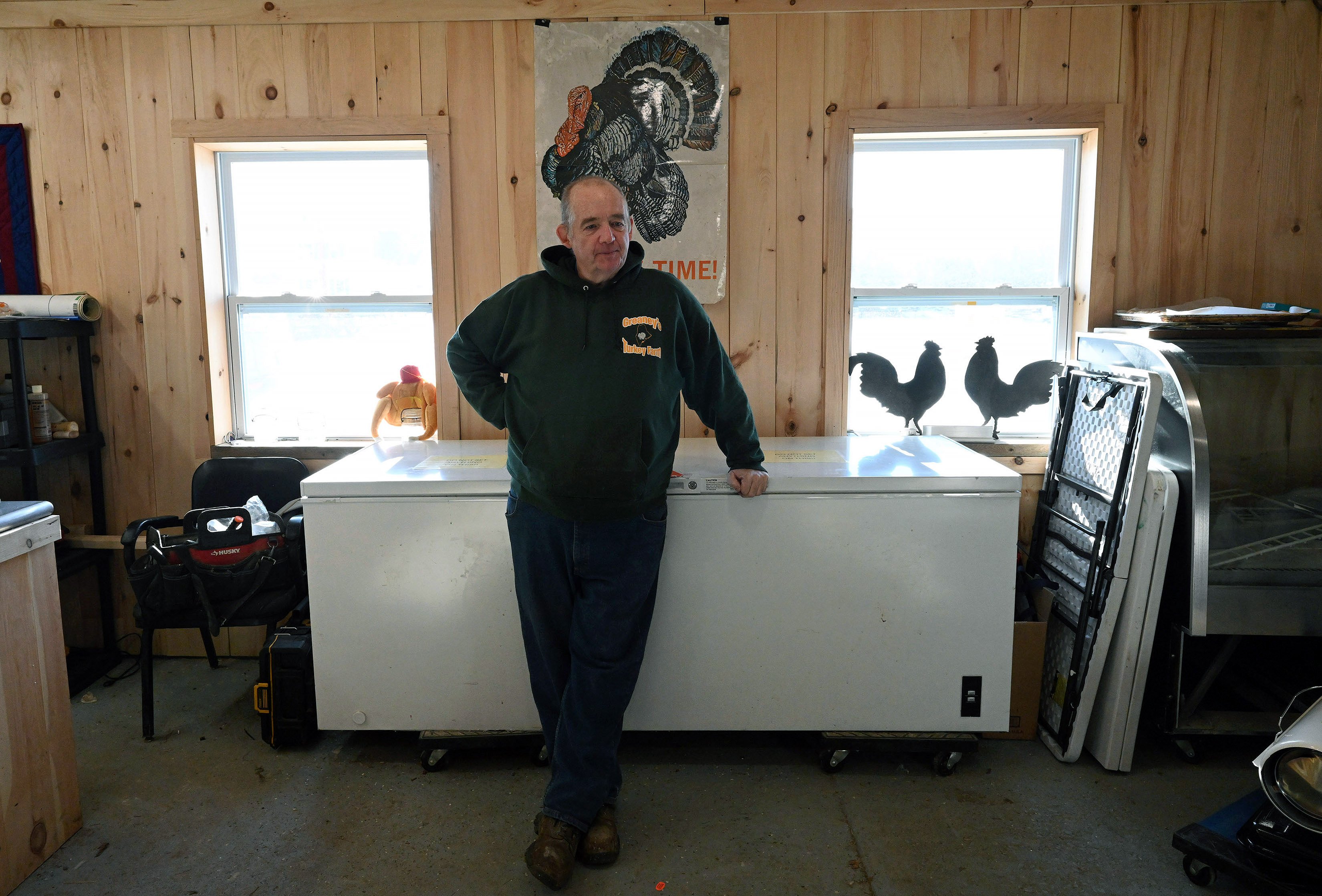
It asked the court to rule that the state law establishing the board violates the 14th Amendment of the U.S. Constitution because of the racial requirements for those two seats.
The complaint named as defendants Amanda Beal, commissioner of the Department of Agriculture, Conservation and Forestry, and Michael Duguay, commissioner of the Department of Economic and Community Development.
Court records show neither Beal nor Duguay had been served with the complaint as of Monday. Spokespersons for their respective departments declined to comment last week.
Greaney, meanwhile, said his wife spoke with a state agriculture official after the lawsuit was filed, and there were no hard feelings. Greaney has insisted the lawsuit was not revenge for a public clash with the department in 2024 over hundreds of turkeys officials told him his business could not sell.
“It’s so crazy,” Greaney said of his legal saga. “You have to laugh at it — and kind of shake your head. We got a lot of feedback from our customers that come to the farm, and they were just shaking their heads, too.”

We invite you to add your comments. We encourage a thoughtful exchange of ideas and information on this website. By joining the conversation, you are agreeing to our commenting policy and terms of use. More information is found on our FAQs. You can modify your screen name here.
Comments are managed by our staff during regular business hours Monday through Friday as well as limited hours on Saturday and Sunday. Comments held for moderation outside of those hours may take longer to approve.
Join the Conversation
Please sign into your CentralMaine.com account to participate in conversations below. If you do not have an account, you can register or subscribe. Questions? Please see our FAQs.