

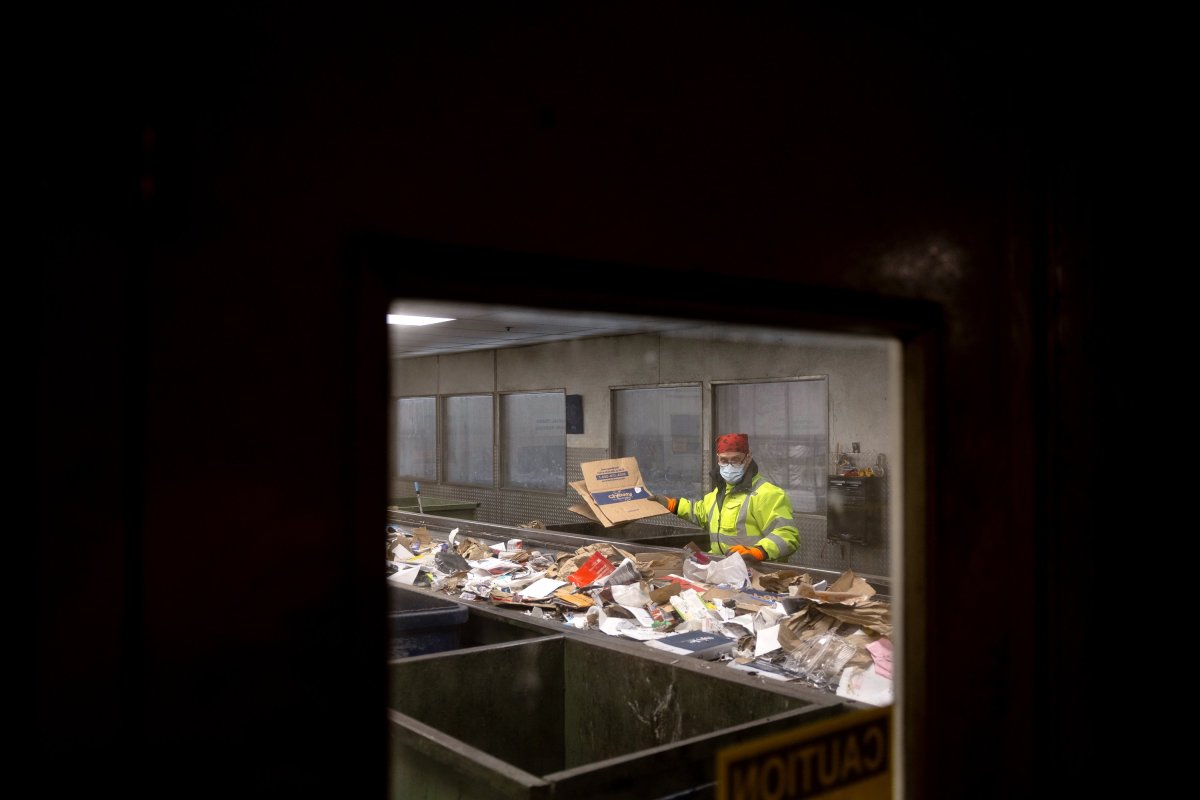
The holidays may bring plenty of joy, but they also bring plenty of waste.
On average, Americans produce up to 25% more waste between Thanksgiving and New Year’s Eve than at other times of year, according to the U.S. Environmental Protection Agency.
For ecomaine, a Portland nonprofit that manages waste for 20 southern Maine communities, the biggest spike comes right after Christmas. According to Lucy Sullivan, the director of communications at the nonprofit, ecomaine sees a 33% increase in both waste and recycling during the first week of January, compared to the last week of December.
Sullivan attributes the increase to the convergence of easy access to cheap consumer goods and the influence of social media. People can now afford to re-create a Christmas trend they saw on social media, with each year having its own new look.
“People used to unpack the family tree ornaments,” she said. “Now they unpack Amazon boxes.”
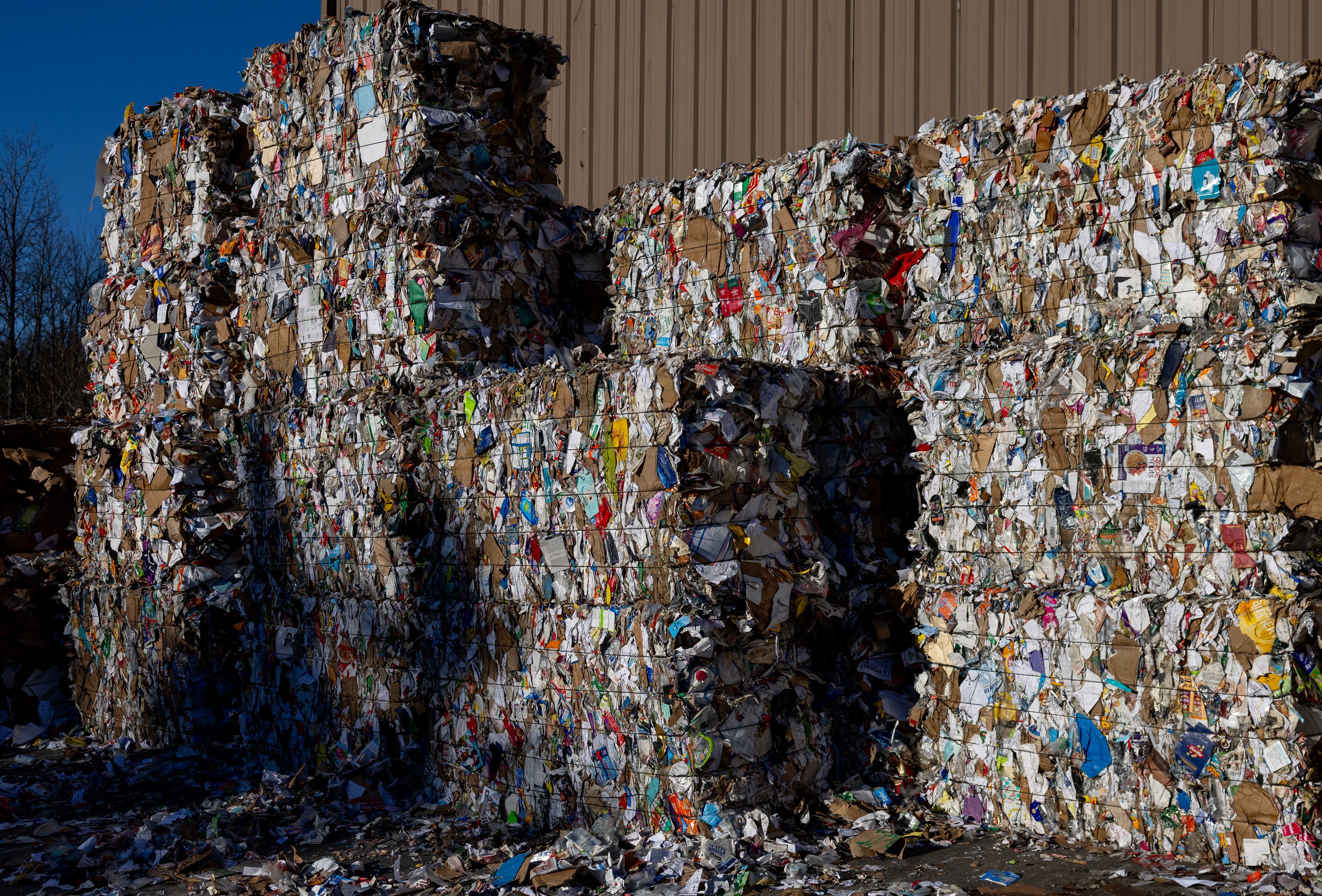
Creating a sustainable holiday cleanup guide in Maine is challenging because waste management is handled town by town, she said. What’s recyclable in one Maine community may not be in the next, leaving the most well-intentioned residents feeling uncertain.
But there are ways to trim the waste without sacrificing what makes the holiday special, Sullivan said.
GIVING CHRISTMAS TREES A SECOND LIFE

Properly disposing of natural Christmas trees is an opportunity to give back to the local environment, rather than adding to the landfill.
With a little planning, trees can continue to provide benefits long after the holidays are over. Coastal communities like South Portland and Phippsburg use discarded trees to prevent coastal erosion and stabilize shorelines. The Maine Department of Environmental Protection suggests rural residents toss them in the backyard to enrich the soil and create wildlife habitat.
Some farms use the trees to prevent runoff during storms. Farms with goats are often happy to accept untreated trees as a winter snack. Check with farms before dropping off trees.
Some communities, like Bath and Portland, offer curbside tree pickup and tree collection programs.
Trees must be stripped of all ornaments, lights and tinsel before they can be recycled. Trees coated with artificial snow must be disposed of as trash because such chemical coatings prevent them from being safely recycled, composted or used as animal feed.
LIGHTS: A TANGLED DISPOSAL PROBLEM
Holiday lights are a common source of recycling contamination. The cords can easily tangle up the complicated sorting machines found in facilities like ecomaine and shut them down, causing costly delays and putting workers at risk, said Sullivan.
Never put them in a curbside recycling bin, Sullivan said.
There are convenient and responsible ways to recycle old or broken lights, including drop offs at local retailers. Staples stores throughout Maine have take-back programs that accept holiday lights, and independent shops, such as We Fill Good in Kittery, also serve as local collection points.
When replacing broken lights, Maine DEP urges residents to consider switching to long-lasting, energy-efficient LED lighting and to remember to turn holiday lights off when they are not in use to conserve power.
RECYCLING WRAPPING MATERIALS
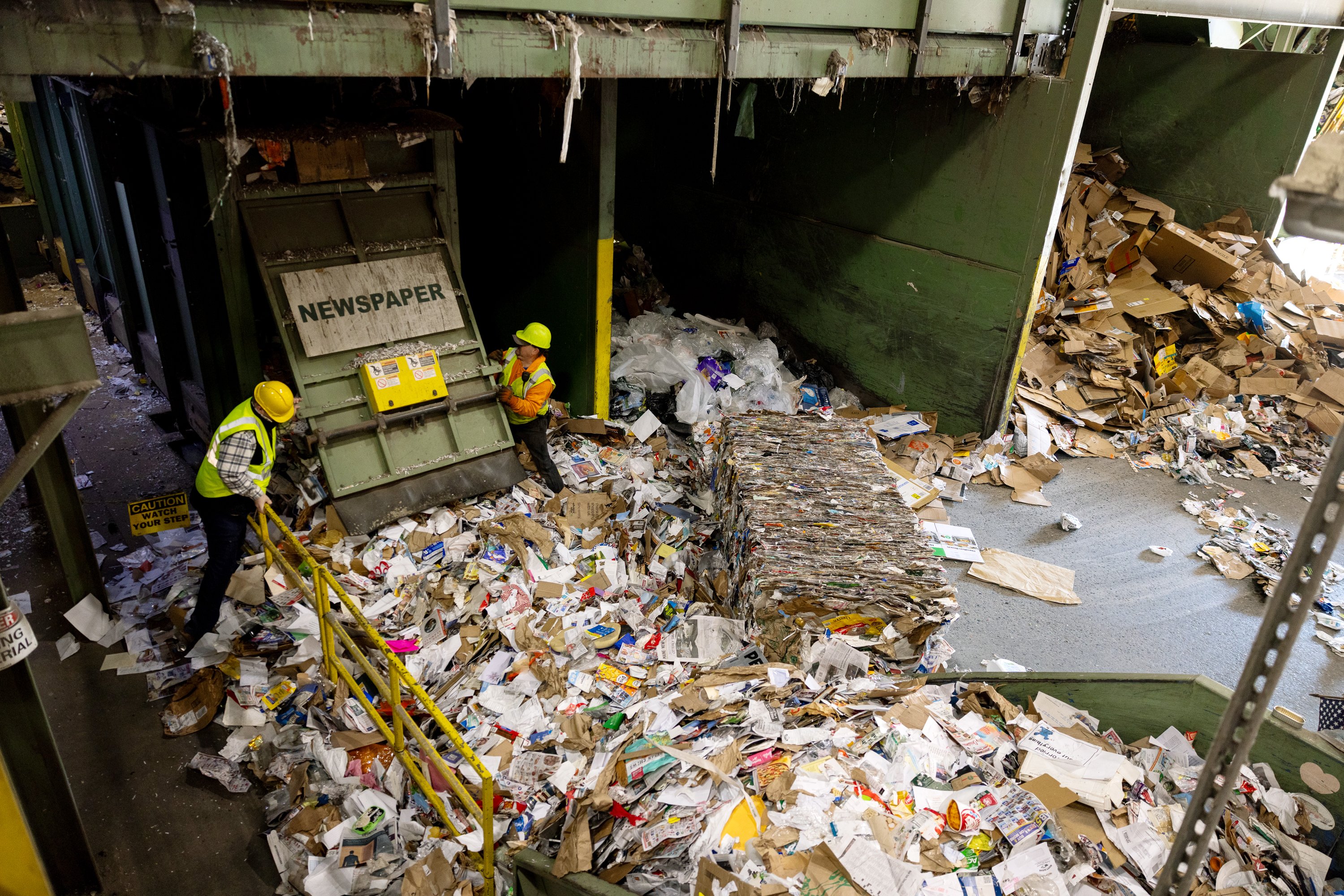
Not all wrapping paper can be recycled. To know if it is recyclable, Sullivan urges people to use the “scrunch test.” Scrunch the paper into a tight ball. If it stays wrinkled and compressed, it is recyclable. If it bounces back, it contains non-paper materials like plastic or foil and must go in the trash.
Sullivan said items that should be kept out of recycling bins include:
- Paper with glitter, foil or a plastic or velvety feel
- Ribbons and bows
- Tinsel
- Gift bags and tissue paper
Peeling off large pieces of tape on wrapping paper is appreciated, but don’t stress over it, Sullivan said.
“A little bit of Scotch tape on your gift wrap is not a deal breaker for recycling,” she said. Some local recycling centers want all paper flattened, but that does not matter to ecomaine.
REDUCING FOOD WASTE
Holiday gatherings often generate a significant amount of food scraps, from vegetable peels to leftovers. According to Troy Moon, Portland’s Sustainability Director, food scraps can make up 40% of a household’s waste stream by weight.
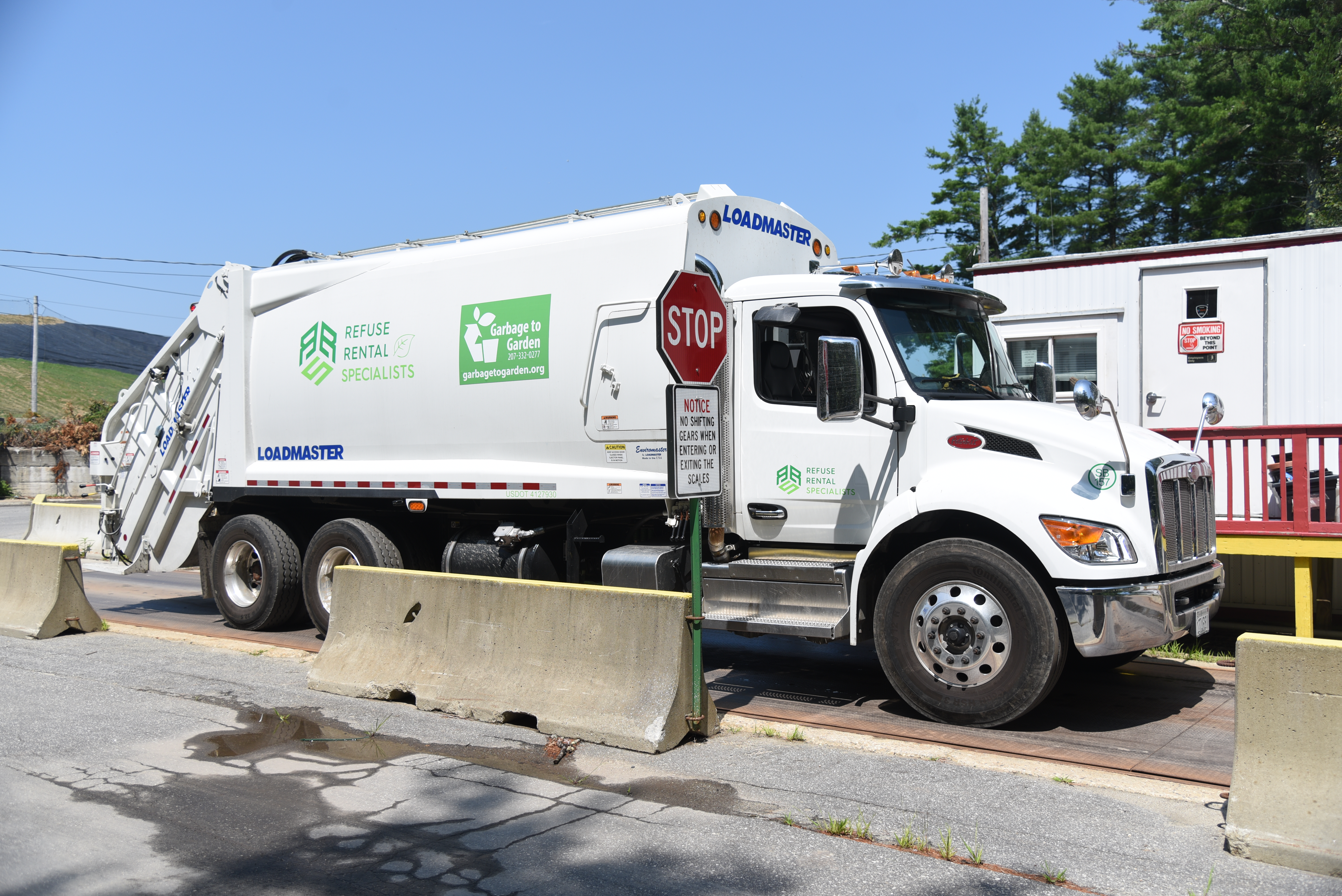
An effective way to manage organic waste is through composting, Moon said. Options include home composting, community-drop off locations offered by municipalities and curbside collection services, such as Garbage to Garden. The holidays are their busiest season, a time when their “trucks are often maxed out,” said Tyler Frank, founder of Garbage to Garden.
Commercial composting facilities can reach high temperatures that allow them to safely break down items unsuitable for backyard piles, like meat, bones and dairy, according to Moon. This diverts more waste from landfills and creates a soil amendment that can be used to enrich the soil in local parks.
PROPER BATTERY DISPOSAL
Sullivan recommends focusing this holiday season on the proper disposal of batteries. It’s imperative, she said, for the safety of waste management workers and the community.
Rechargeable lithium-ion batteries found in modern electronics, if crushed or punctured, can ignite, causing fires. This risk can lead to a “flaming garbage truck” or cause a facility fire that can lead to long-term waste disposal delays, Sullivan said.
At ecomaine, there has been a 53% year-over-year increase in reported battery fires, with 26 reported so far in 2025, Sullivan said. As a result, ecomaine is urging residents to never put rechargeable batteries in their household trash or recycling bins.
Standard alkaline batteries are not a fire risk and can be placed in the household trash, she said.
All rechargeable batteries must be taken to a designated take-back facility. Some retailers offer electronics recycling programs.

We invite you to add your comments. We encourage a thoughtful exchange of ideas and information on this website. By joining the conversation, you are agreeing to our commenting policy and terms of use. More information is found on our FAQs. You can update your screen name on the member's center.
Comments are managed by our staff during regular business hours Monday through Friday as well as limited hours on Saturday and Sunday. Comments held for moderation outside of those hours may take longer to approve.
Join the Conversation
Please sign into your CentralMaine.com account to participate in conversations below. If you do not have an account, you can register or subscribe. Questions? Please see our FAQs.