

In small towns across Maine, fitness rarely looks flashy or complicated, and that simplicity may be exactly why it works. Winter, in particular, often becomes a time to pause and reset, when people plan ahead, build consistency and set New Year’s resolutions focused on movement. For some, that means preparing for spring running and the summer and fall 5K season; for others, it includes building endurance for hiking objectives and longer-term mountain goals once snow melts and daylight returns.
Many people use the turn of the year to set outdoor-focused goals, from trying new activities and keeping up fitness through winter to tracking progress visually or supporting others on the trail, ideas that align with small, repeatable habits that make movement part of everyday life rather than a separate chore.
One New Year’s tradition that fits naturally into this seasonal reset is Maine’s First Day Hike program. Held each Jan. 1 at participating state parks and public lands, First Day Hikes invite residents to begin the year outdoors with a guided or self-guided walk or hike. The hikes range from short, family-friendly outings to longer winter treks, and many parks waive admission fees for the day, making it an accessible way to turn a New Year’s resolution into immediate action.
Rather than relying solely on gyms or formal workout plans, many residents stay active by using sidewalks, school tracks, local trails, home workouts and community events. In small towns, those familiar options make it easier to stay consistent without treating exercise as a separate task. That approach shows up most clearly in everyday movement.
EVERYDAY MOVEMENT
In the Jay-Livermore Falls area, walking and running are part of many residents’ daily routines. Distances may be modest, but consistency over time is what matters. Health officials note that regular movement, even at a moderate pace, plays a role in long-term physical and mental health.
The Maine Center for Disease Control and Prevention encourages adults to aim for at least 150 minutes of moderate physical activity per week, often pointing to walking as one of the most accessible ways to reach that benchmark. That guidance mirrors how many people in small towns stay active by folding movement into daily routines rather than treating exercise as a separate task.
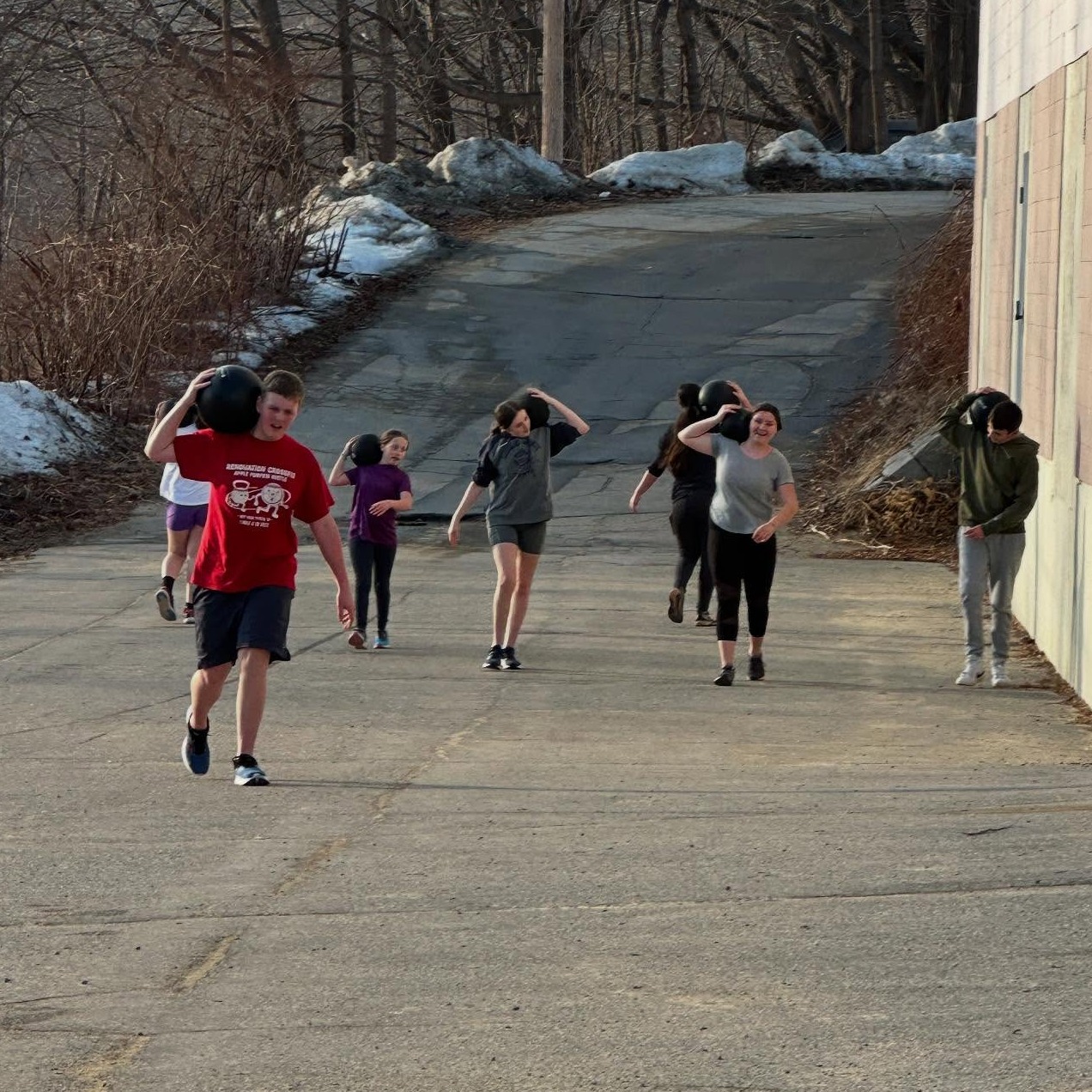
Livermore Falls is also home to fitness facilities such as Fitness Stylz and Renovation Training Company, which provide structured workouts, strength training and indoor options, particularly during winter months. Even with those resources available, many residents continue to rely on walking routes, quiet roads, school tracks and home setups for their day-to-day movement.
Betsy Mancine, owner of Renovation Training Company in Livermore Falls, said everyday activity often matters more than formal workouts.
“Anything people can do to stay active adds to better health,” she said, noting that walking, running, playing with kids, shoveling snow, skiing or snowshoeing all count. “Your body doesn’t distinguish, ‘This was an exercise walk so you get healthy points, but this was playing with your kids so it doesn’t count.’ All activity and exercise adds to a healthier you.”
Mancine said consistency is key: “Whatever is sustainable and where you’ll be consistent wins every time. Sustainable plus consistency equals results.”
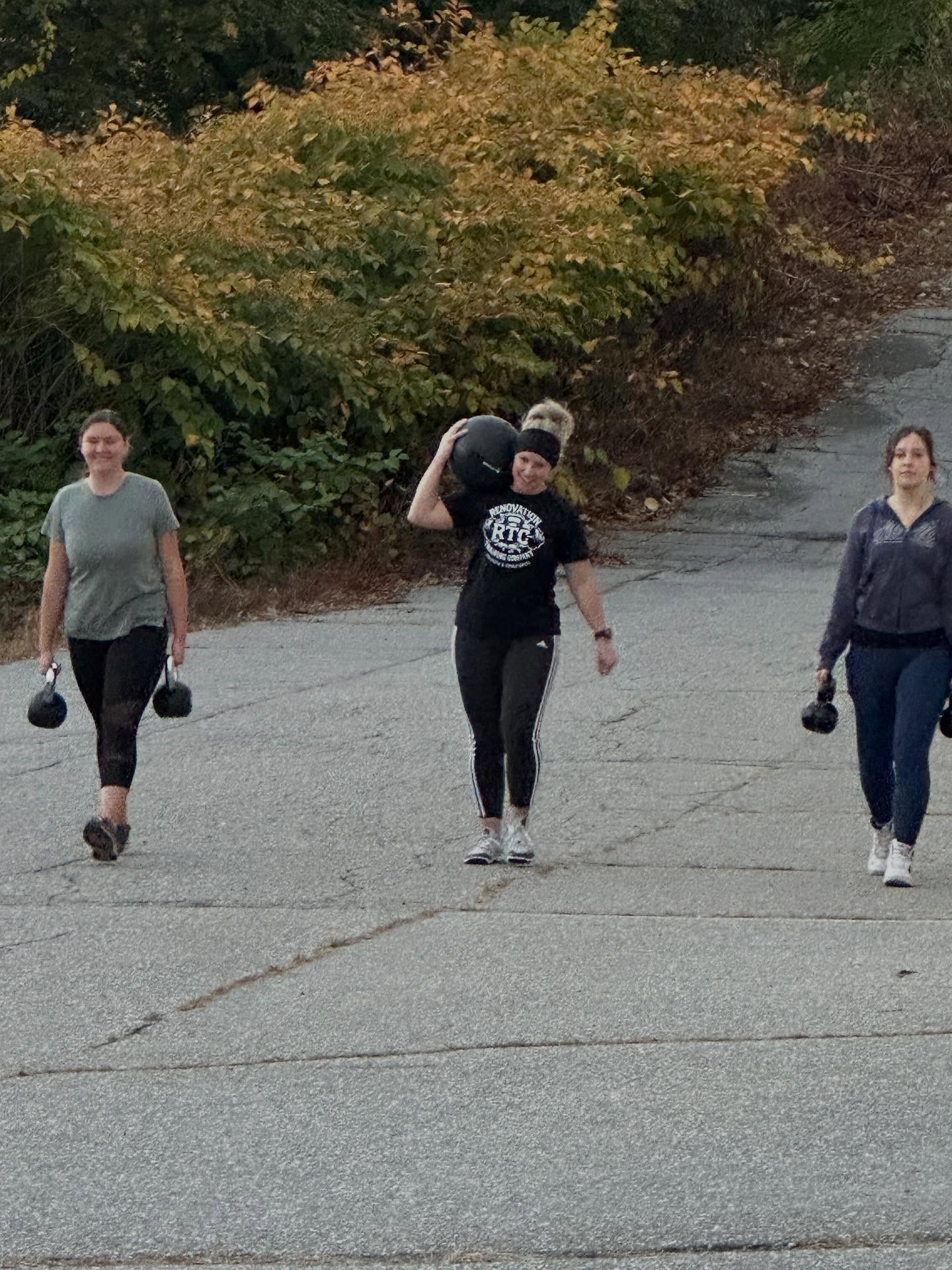
Lisa Berry, of Jay, a functional fitness instructor with 10 years of experience coaching clients ranging from children to seniors ages 6–85, said simple routines tend to last longer, particularly during winter.
“Absolutely. Simple habits last longer, especially during cold weather days,” Berry said. She added that highly structured programs can lead to burnout. “Simple, repeatable activities that can be incorporated into everyday life have greater success of longevity.”
In Farmington, residents combine neighborhood routes with access to the University of Maine at Farmington indoor track and pool during the winter months, and some fitness providers, such as Renovation Training Company, also prioritize outdoor workouts when conditions allow, reflecting the broader role local outdoor spaces play in keeping people active year-round.
LOCAL OUTDOOR OPTIONS
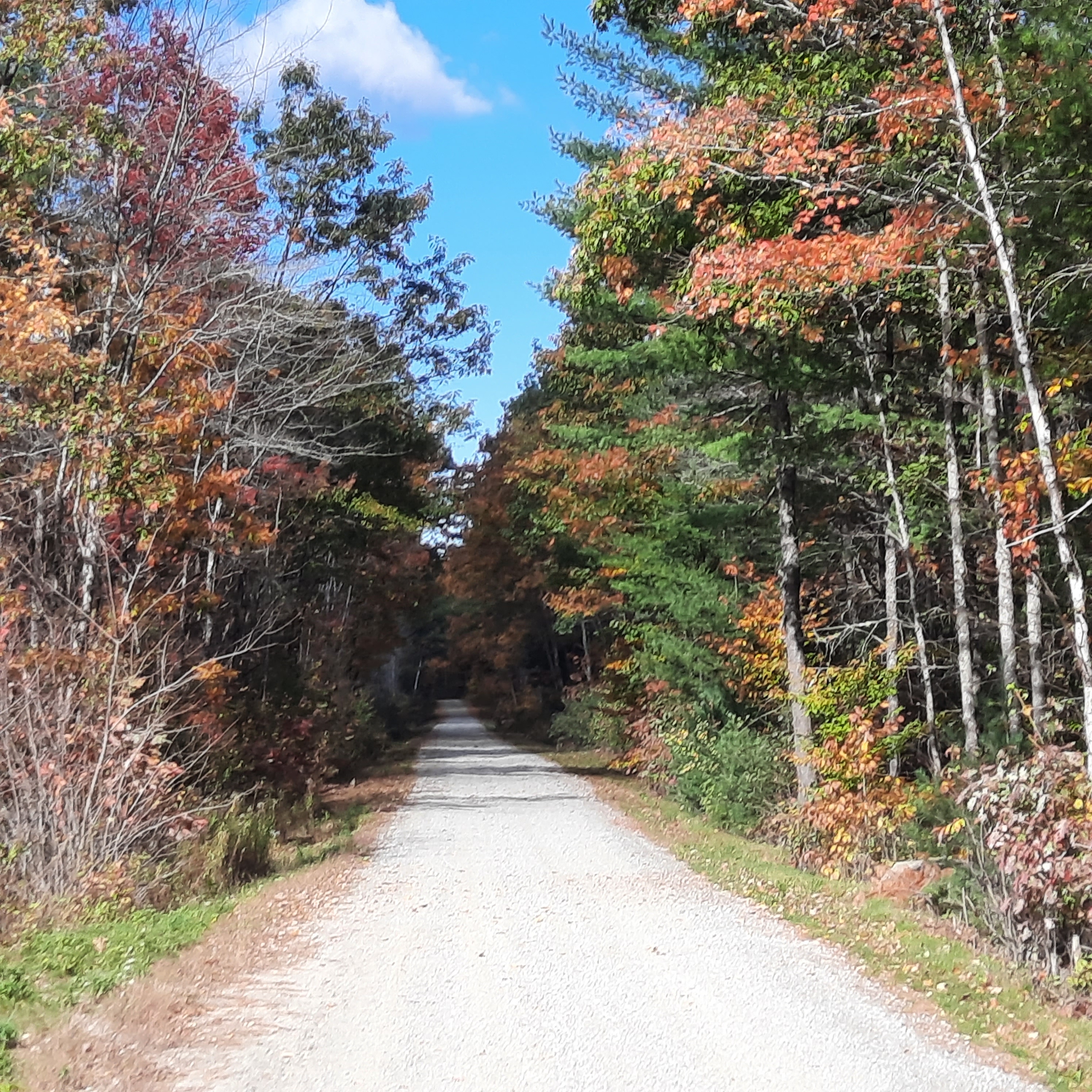
For those who enjoy wooded terrain, several nearby trail systems offer options throughout the year, including winter use such as snowshoeing. In Jay, the Jay Recreation Area Trail System includes multiple interconnected trails, and the nearby French Falls Recreation Area is also used year-round, with residents hiking or snowshoeing the trail network in winter. In the Livermore and Livermore Falls area, places like Spruce Mountain Ski Slope provide a local option for outdoor winter activity, offering downhill skiing with rope tows as another way residents stay active when hiking or snowshoeing are not part of their routine, alongside nearby conservation land that adds hillier terrain to local walking and hiking routes when conditions allow.

Around Fayette, the Headland Loop Trail provides a short wooded loop popular for regular exercise, while the Parker Pond Headland Preserve offers about 2.6 miles of loop trails and Oak Hill Conservation Area provides a shorter, quieter wooded option, all used seasonally depending on conditions.
Across the western mountains, groups like the western Maine conservation organization High Peaks Alliance play a role in everyday activity by maintaining multi-use trail access and fostering community engagement with the outdoors. Based in Kingfield, the alliance works with local partners to protect public lands and promote outdoor recreation across the High Peaks region. The alliance recently announced a leadership transition and the launch of the High Peaks Naturalist Series, a free monthly program of guided walks and talks on conserved lands designed to help people of all experience levels connect with nature. Participants can learn about local ecology and trail history while simply moving through the landscape, reinforcing how public conservation efforts support both recreation and daily activity.
For those who prefer a flat, measured surface, the outdoor track at Spruce Mountain High School is commonly used outside school hours by walkers and runners looking for predictable footing and distance markers, an example of why simple, repeatable activities like walking or jogging remain so effective.
WHY WALKING, JOGGING AND RUNNING WORK
Walking, jogging and running remain among the most effective forms of exercise because they require little equipment, can be adapted to nearly any fitness level, and are easy to measure by time and distance. That simplicity makes it easier to stay consistent and to understand how effort translates into energy use. Regular participation has been linked to improved cardiovascular health, stronger bones, better balance, improved sleep and reduced stress. Maintaining these routines through the winter months can also help people build a base of endurance and consistency that carries into spring and summer activities. For those working toward weight loss or weight maintenance, these activities are effective because they burn calories steadily and can be repeated consistently.
Exercising outdoors adds an additional benefit. Time spent outside provides exposure to nature and changing scenery, which many people find helps clear the mind and reduce mental fatigue. Outdoor walking and running also allow people to acclimate gradually to seasonal conditions, making the transition to longer spring runs, hikes or race training feel more natural. These outings can also offer an opportunity to listen to music, podcasts or audiobooks, turning exercise time into both physical activity and a mental reset. For many people, that effort also raises a practical question: How much energy does that activity actually burn?
TYPICAL CALORIE BURN, MILE BY MILE
Because walking, jogging and running are easy to measure by time and distance, they also offer a straightforward way to think about effort and energy use. Calorie burn varies based on body size, pace and terrain, but commonly cited estimates help put effort into perspective. Walking 1 mile typically burns 60-100 calories, whether on a treadmill, track or road, with uneven trails often requiring slightly more effort. Jogging or running 1 mile generally burns 90-130 calories, with trail running often falling at the higher end due to elevation changes and softer footing. Treadmill workouts can closely match outdoor efforts when pace and incline are comparable, while road running typically falls between track and trail intensity.
For readers who want more personalized estimates, online calculators such as Dave’s Rat Factor or general tools like Calculator.net allow users to enter weight, pace, terrain and distance to better understand individual energy expenditure. For many people, that information helps guide how they mix outdoor movement with workouts at home.
FREE HOME WORKOUTS, OLD AND NEW
For residents who prefer to exercise at home, free online workout videos have become a popular option. Platforms such as YouTube host thousands of full-length workouts, from beginner routines to high-intensity cardio.
Older workout videos continue to find new fans as well. One frequently cited favorite is Billy Blanks’ Advanced Tae Bo, remembered for its energetic music, bold outfits and direct encouragement. While the style reflects the late 1990s, the workout itself remains demanding.
Fitness sources commonly estimate calorie burn for advanced Tae Bo-style routines in the 300-500 calories per hour range. Though it predates modern high-intensity interval training (HIIT) programs, it functions as sustained high-output mixed cardio.
Cardio refers to steady movement that raises the heart rate over time, such as walking, jogging or cycling, while HIIT alternates short bursts of hard effort with brief recovery periods; beginners or those returning to exercise are generally advised to start slowly, modify intensity as needed and build up gradually.
For runners, modern HIIT workouts and Tae Bo–style training can both play supportive roles. Popular current YouTube programs from Nike Training Club, FitnessBlender, Caroline Girvan and Joe Wicks often focus on leg strength, core stability and cardiovascular conditioning that translate well to running. Tae Bo can also help runners improve balance, coordination, hip mobility and muscular endurance.
Some workouts, such as Tae Bo or other kickboxing-style routines, can be tough on the knees. Skipping high-impact moves, reducing range of motion or choosing lower-impact versions can help limit joint strain while still providing a good workout. For many people, building up with lower-impact movement is a stepping stone toward community goals like local 5K races.
THE SMALL-TOWN 5K
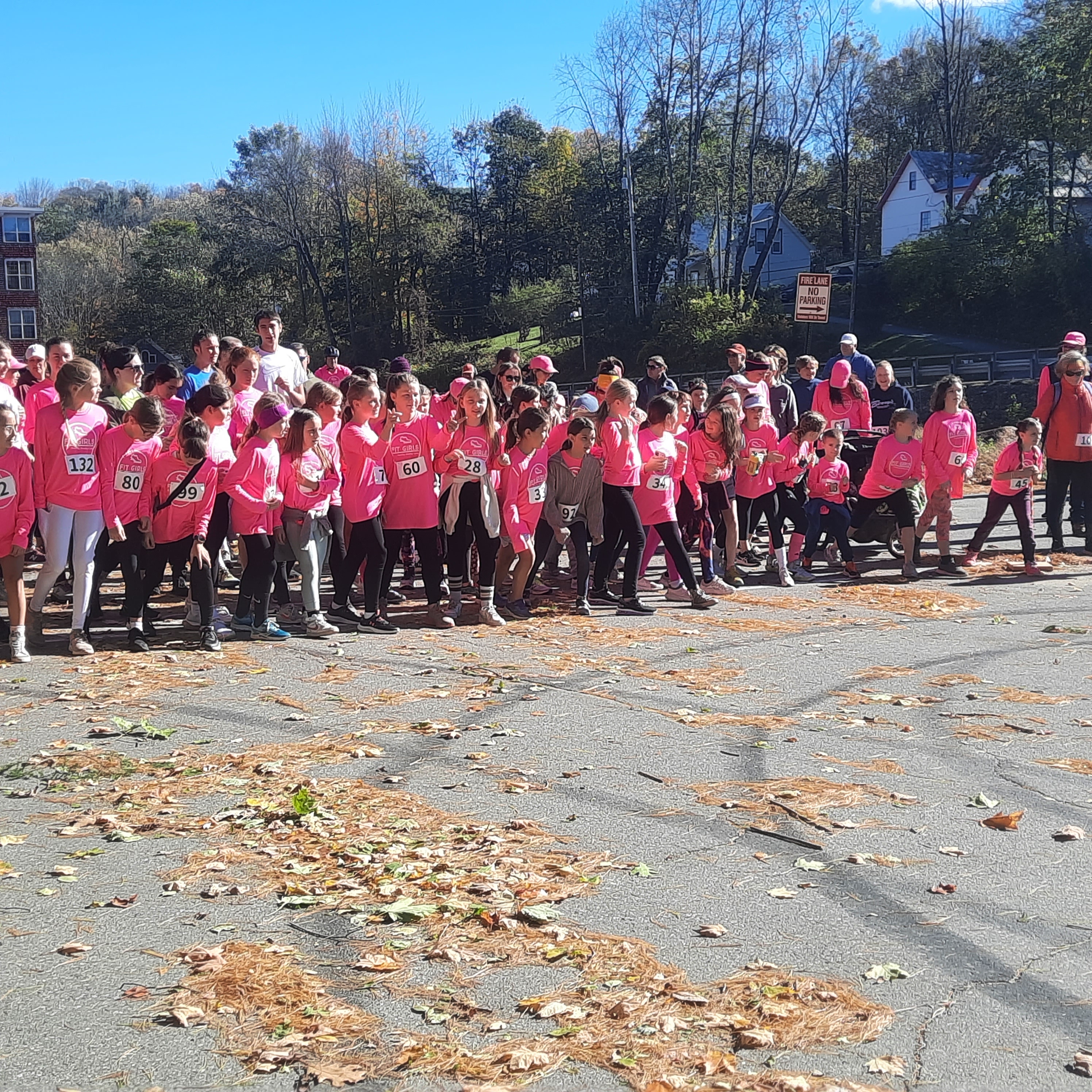
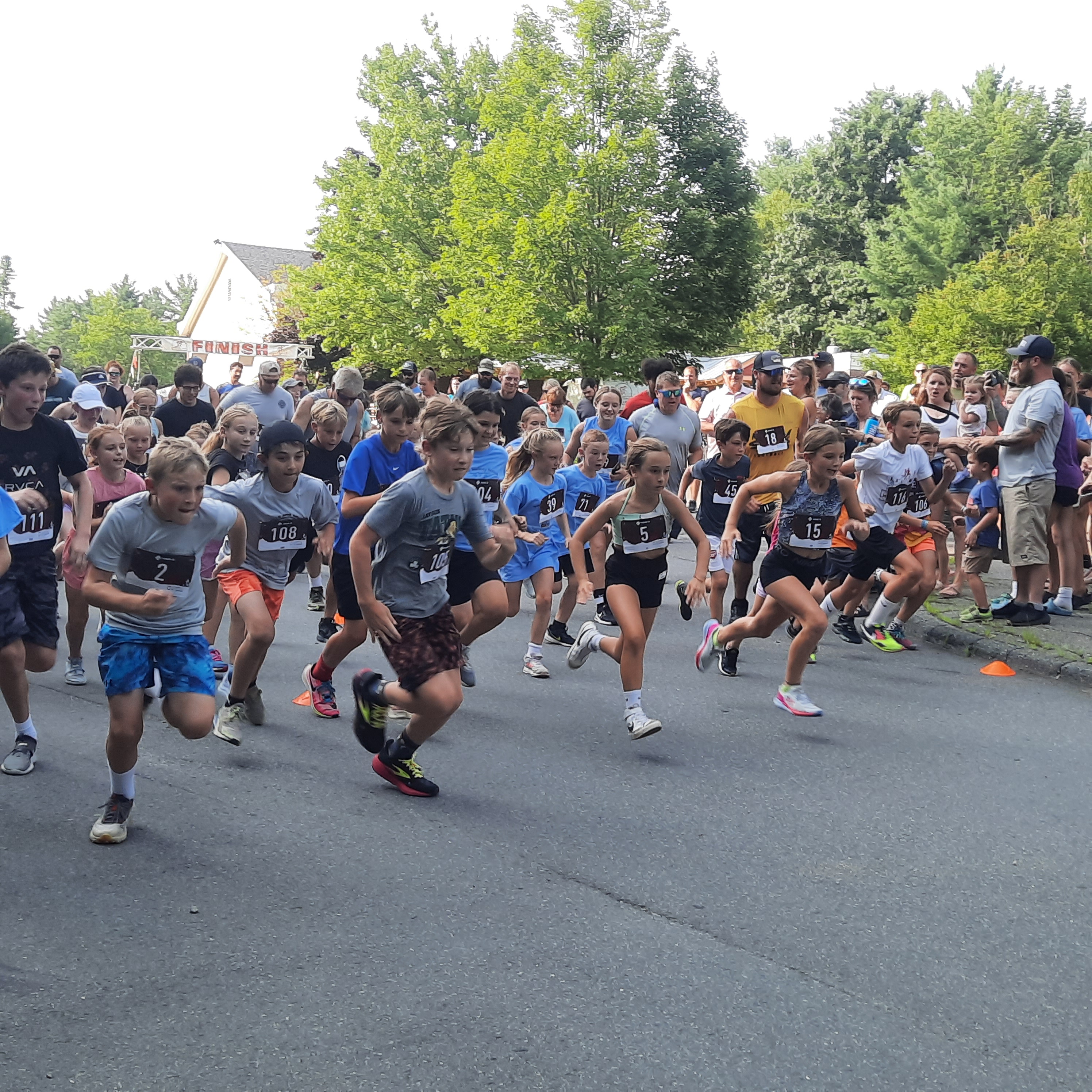
Community road races continue to play a role in small-town fitness culture. In the Livermore Falls Advertiser coverage area, these events are often tied to festivals, libraries and fundraisers, and are designed for walkers and runners alike.
Examples include the Livermore Falls Apple Pumpkin Festival 5K, which typically features a festival-day 5K run/walk and fun run in late September.
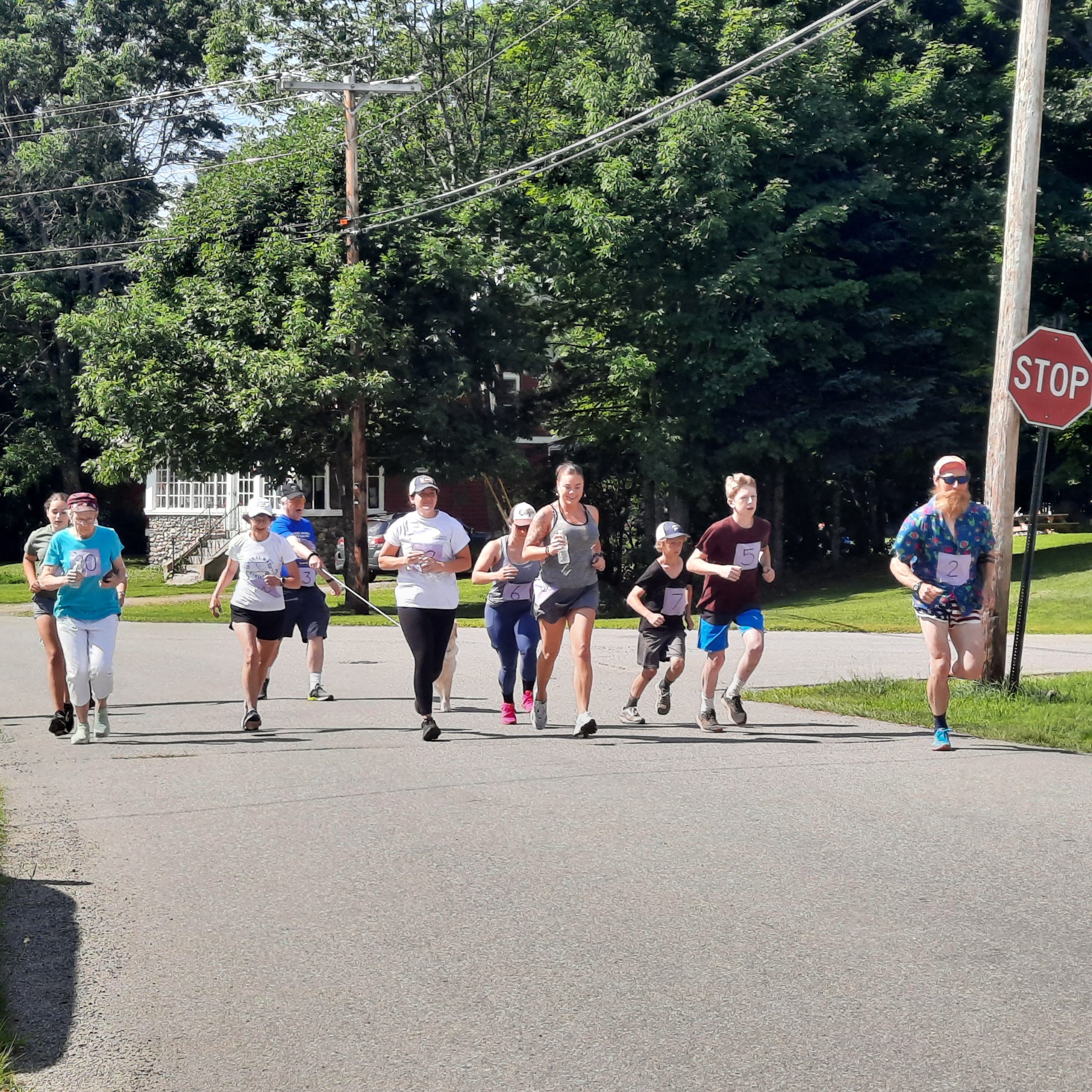
The Wilton Blueberry Festival 5K in early August and the Phillips Public Library 5K in mid-summer are other favorites in the region. Farmington regularly hosts charity and themed races such as the Color Me United 5K, typically held in the late spring, and Strut for the Strays, which usually takes place in the summer, drawing participants from across the region.
Across Maine, larger and more playful 5K-style events add costumes, themes and adventure to the traditional road race. The Sirens & Satellites 5K in Portland is known for its lively atmosphere and costume-friendly vibe. In Franklin County, the Tough Mountain Challenge in Newry adds obstacles, mud and teamwork to the 5K distance. In the western mountains, the Rangeley Stars & Stripes 5K around the July 4 holiday blends patriotic flair with scenic running and community celebration. Those events draw participants with a wide range of experience levels, and many rely on simple training routines to get ready.
SMALL-TOWN TRAINING
Not everyone who trains for a 5K is focused on competition. For beginners, small-town settings offer unique advantages. Quiet roads reduce traffic concerns, and seeing neighbors out walking or running reinforces the idea that movement is part of everyday life rather than a separate activity.
That environment pairs naturally with gradual walk-run approaches such as Couch to 5K, which are designed for people who may not consider themselves runners yet. Couch to 5K is a beginner program that helps people go from little or no running to completing a 5K by gradually mixing walking and short runs over several weeks. These plans typically span eight to 10 weeks and begin with short intervals of walking mixed with light jogging, gradually increasing running time while reducing walking breaks. Many participants repeat weeks, slow their progression or adjust pacing as needed, making the programs flexible and approachable.
Walking-only variations are also widely used and can still prepare participants to complete a 5K distance comfortably. Many Couch to 5K-style plans are available for free through smartphone apps or printable schedules online, allowing people to train at their own pace and on familiar local routes. Along the way, many people choose to track their progress in simple or digital ways.
TRACKING PROGRESS: APPS OR PEN/PAPER
Once walking or running becomes part of daily life, tracking progress can be a helpful next step. Many walkers and runners track activity using apps, watches or devices such as Fitbit, a wearable device that records steps, distance, heart rate and time, and syncs data to a phone or computer. Others use online trackers that allow workouts to be logged manually.
Some people prefer a simpler approach. An old-fashioned running or hiking journal allows users to note where they walked or ran, how long they were out, the distance covered, weather conditions, trail or road conditions, and how the outing felt. Over time, those notes become a personal record of progress and places explored. For families, turning that tracking into a shared activity, such as creating a poster board chart to mark daily, weekly or monthly movement, can make progress more visible and help keep everyone engaged. That kind of consistency becomes especially important as winter conditions begin to shape how and where people stay active.
STAYING ACTIVE IN A MAINE WINTER
Whether tracked digitally or on paper, many routines continue even as winter sets in. For many residents in the Jay and Livermore Falls area, walking and running don’t stop when winter arrives; they adapt. Plowed sidewalks, school tracks, rail trails and packed snow paths often remain usable for much of the season, allowing people to maintain routines year-round. Even shorter outings during daylight hours can help preserve fitness and mental well-being during months when cold temperatures and limited daylight might otherwise discourage activity. Many walkers and runners find that keeping a winter routine, even at a reduced distance or pace, helps ease the transition into spring. In addition to maintaining fitness, winter walking and hiking can improve balance and stability, increase calorie burn due to cold and uneven footing, and provide mental health benefits linked to sunlight exposure and time spent outdoors.
In Franklin County’s backcountry, organizations like Maine Huts & Trails are helping people embrace seasonal movement by offering free guided winter outdoor programs on their extensive trail network. Beginning in January, guided snowshoe outings, cross-country ski trips, fat bike rides and family-friendly nature explorations are open to the public at no cost, giving residents and visitors alike a structured yet accessible way to stay active outdoors during winter. These outings provide a low-barrier way for people who may feel intimidated by winter trails to explore and stay moving, with expert guidance and peer support built into every trip.
Sam Shirley, youth and community program manager with Maine Huts & Trails, said even short, regular outings can make a difference.
“Even if people don’t regularly participate in extended hikes or other physical activities, a brief walk or run most days can help someone stay active,” he said.
Shirley noted that winter presents real barriers for many people, including limited daylight and the need for specialized gear, which can reduce overall activity levels. Still, he said access matters.
“Local trails and other places to exercise are one of the most important factors contributing to making regular exercise easy,” he said, adding that having nearby, familiar trail systems makes it easier for people to build consistent habits. Shirley noted that communities with established trail networks tend to lower barriers for participation, particularly for people who may be hesitant to venture far from home.
Winter activity also brings added considerations for safety and comfort. Dressing in visible colors helps with low-light conditions common during early mornings and late afternoons. Letting someone know your route, keeping outings closer to home during icy weather and turning back when footing feels unsafe are common precautions. On trails, packed snow is often easier to manage than uneven ice, and walking poles or traction aids can improve stability when conditions are mixed.
According to AmericanHiking.org, winter trail use often requires a bit more preparation than warm-weather walking or running. Outdoor safety organizations recommend checking current trail and weather conditions before heading out, dressing in moisture-wicking layers, protecting areas prone to heat loss such as the head and neck, and using traction aids like snowshoes or micro-spikes to help manage packed snow and ice. Simple planning steps, such as carrying insulated water bottles and keeping outings closer to home when conditions are uncertain, can help reduce risk while keeping winter movement accessible.
Cold-weather gear does not need to be complicated. Layers that can be adjusted as body temperature changes help prevent both overheating and chilling. A light insulating layer, a wind-resistant outer layer, gloves and a hat often make the difference between a short outing and a comfortable one. Footwear with good tread is especially important on packed snow and frozen ground, and many people keep removable traction devices on hand rather than skipping activity altogether.
When storms, ice or extreme cold make outdoor activity impractical, indoor options help maintain momentum. School tracks, gyms, home workouts and treadmill walking or running allow people to stay consistent until conditions improve. Some residents use a treadmill as a practical substitute when outdoor walking, running or hiking feels unsafe, returning outside when weather and daylight allow. Many switch between outdoor and indoor options throughout the winter as conditions change. For others, winter also opens the door to activities designed specifically for snow-covered conditions, such as snowshoeing.
SNOWSHOE BASICS
When snow becomes part of the equation, equipment matters. If winter hiking or walking on snow-covered terrain is part of your routine, a basic pair of snowshoes can make a big difference. Here’s a quick guide:
Where to buy:
Local outdoor retailers in Jay, Auburn, Portland or Farmington often carry snowshoes in winter. National chains like REI and online shops such as Backcountry and Moosejaw stock a range of styles and ship quickly. Local ski and outdoor gear swaps can also be a budget-friendly option in early winter.
How to choose:
• Size matters: Bigger snowshoes float better on soft snow, smaller ones work well on firm, packed-snow trails.
• Terrain: Recreational snowshoes are ideal for flat to rolling terrain; if you plan steep hills, look for models with aggressive traction.
• Weight: Choose a size rated for your weight (including pack); many snowshoes list a weight range on the packaging or product page.
How to use:
• Start on packed-snow trails or gentle slopes.
• Walk with a slightly wider stance than usual to keep from catching edges.
• Use adjustable poles if the trail is uneven for added stability.
GEAR AND WHERE TO LOOK
For winter walking, hiking and snowshoeing gear, there are several places nearby and beyond where readers can shop, from local ski and thrift shops to larger outdoor outfitters.
Local and nearby Maine shops
Ski Depot – Jay ski shop with winter gear and expert guidance on skiing and cold-weather accessories.
Touch of Class Too – Thrift shop in Jay where readers might find budget-friendly layers and accessories.
Reny’s Department Store – Discount Maine department store in Farmington with seasonal clothing and basic outdoor wear.
True North Adventureware – Bethel outdoor gear shop with a strong selection for trail and winter use.
Gee & Bee Sporting Goods and Play It Again Sports – Auburn stores that carry seasonal gear and sporting equipment.
Larger Maine outdoor outfitters
L.L. Bean – Iconic Freeport outfitter with a wide range of winter footwear, snowshoes, layers and gear.
DICK’S Sporting Goods – Augusta store with general outdoor and winter sports equipment.
REI (Westbrook) – National outdoor retailer with a broad winter gear selection.
AROUND FRANKLIN COUNTY
The gear people choose often reflects where and how they stay active. Across Franklin County, winter activity looks different depending on geography, season and available infrastructure.
In Rangeley, access to places like the Rangeley Lakes Trails Center and nearby mountain terrain shapes how and when people train, with elevation, weather and seasonal conditions, including winter use on packed or groomed trails, influencing pace and route choice.
In Weld, outdoor activity is closely tied to Mount Blue State Park, where forest roads and trail systems support walking and hiking in warmer months, and snowshoeing or cross-country skiing in winter, depending on conditions, rather than flatter rail-trail mileage.
Nearby in Farmington, Titcomb Mountain also plays a role in seasonal activity, with maintained trails and access routes used year-round for hiking, training climbs and winter snowshoeing when snow cover allows.
A MODEL THAT EXTENDS STATEWIDE
While rooted in Franklin County, the same mix of informal outdoor activity, home workouts and community events appears across Maine. These accessible, repeatable routines help residents stay active in ways that are affordable, flexible and sustainable year-round, reinforcing the idea that fitness does not require elaborate facilities, only consistent opportunities to move.
People returning to exercise or trying new activities are advised to start gradually and seek medical guidance when appropriate.

Comments are not available on this story. Read more about why we allow commenting on some stories and not on others.
We believe it's important to offer commenting on certain stories as a benefit to our readers. At its best, our comments sections can be a productive platform for readers to engage with our journalism, offer thoughts on coverage and issues, and drive conversation in a respectful, solutions-based way. It's a form of open discourse that can be useful to our community, public officials, journalists and others.
We do not enable comments on everything — exceptions include most crime stories, and coverage involving personal tragedy or sensitive issues that invite personal attacks instead of thoughtful discussion.
You can read more here about our commenting policy and terms of use. More information is also found on our FAQs.
Show less