


Editor’s note: This story may not be suitable for all readers because of the graphic nature of the case.
AUGUSTA — A Waterville man accused of killing and dismembering his roommate now seeks to have statements he made to police banned from being used at his upcoming murder trial.
Thomas M. Lowrie, 42, allegedly killed Charles Bellows, 43, in August 2024. A lawyer for Lowrie argued during a hearing Friday that Lowrie was in such a deteriorated mental state due to ongoing and frequent use of drugs that statements he made when he was interviewed by police should not be allowed to be used against him at his trial.
On Aug. 18, 2024, the day Lowrie was arrested, a detective executing a search warrant at Lowrie’s 119 Cool St. home discovered body parts in a bag. More remains, later determined to be Bellows’, were found in a separate bag in the residence.
Court documents state when detectives examined the remains, they saw “significant slash and stab wounds,” and they located a spear, consistent with a weapon that could have inflicted those wounds.
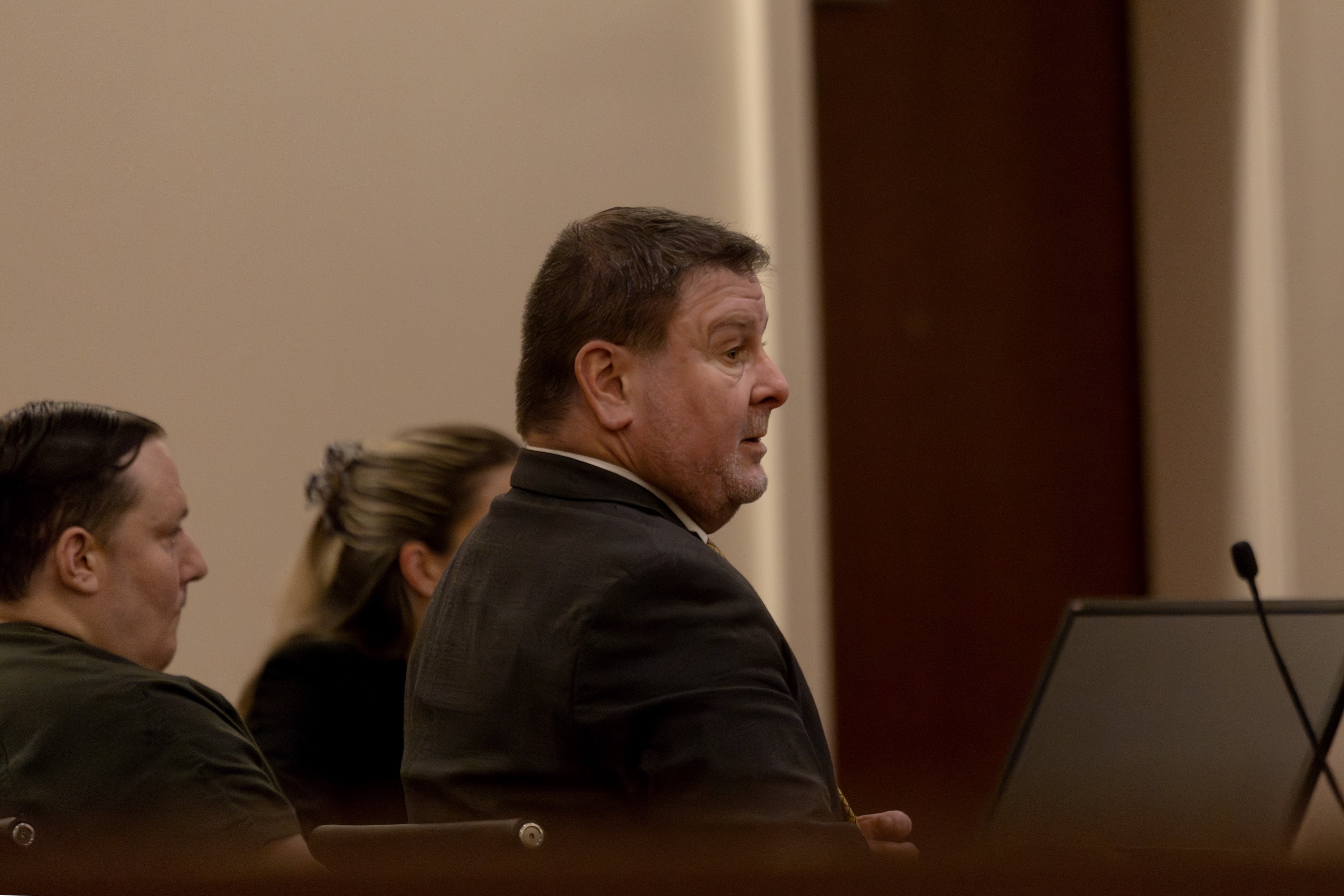
Affidavits filed in court by Detective Sgt. Mark Ferreira and investigator Christopher Roy, both of Maine State Police, say Lowrie made numerous statements to an officer while at the hospital after he had been arrested.
Lowrie’s statements included, the affidavit states, “Now that I’ve done the unspeakable, I’m never gonna (expletive) stop,” among others that appeared to describe aspects of the attack.
An autopsy by the Office of Chief Medical Examiner determined Bellows died of sharp force injuries, with his manner of death listed as homicide.
Verne Paradie Jr., who is representing Lowrie, argued at the Capital Judicial Center hearing that because of Lowrie’s mental health condition , he was not able to voluntarily and knowingly waive his right to remain silent. In filings arguing the evidence should be suppressed, Paradie says a confession is admissible only if it was given knowingly, understandably and voluntarily, and that the defendant knowingly and intelligently waived his privilege against self-incrimination.
Paradie also contended that Lowrie didn’t clearly answer affirmatively when asked by police whether he understood his Miranda rights, after which they continued to ask him questions.
Waterville police Detective Dwayne Cloutier testified that Lowrie seemed to be able to answer his questions fine and did not seem to have any problem communicating when he and Roy interviewed him twice, reading him his Miranda rights both times.
However, Cloutier also acknowledged Lowrie told him he needed to go to sleep, had been on drugs for days, and couldn’t tell what was real.
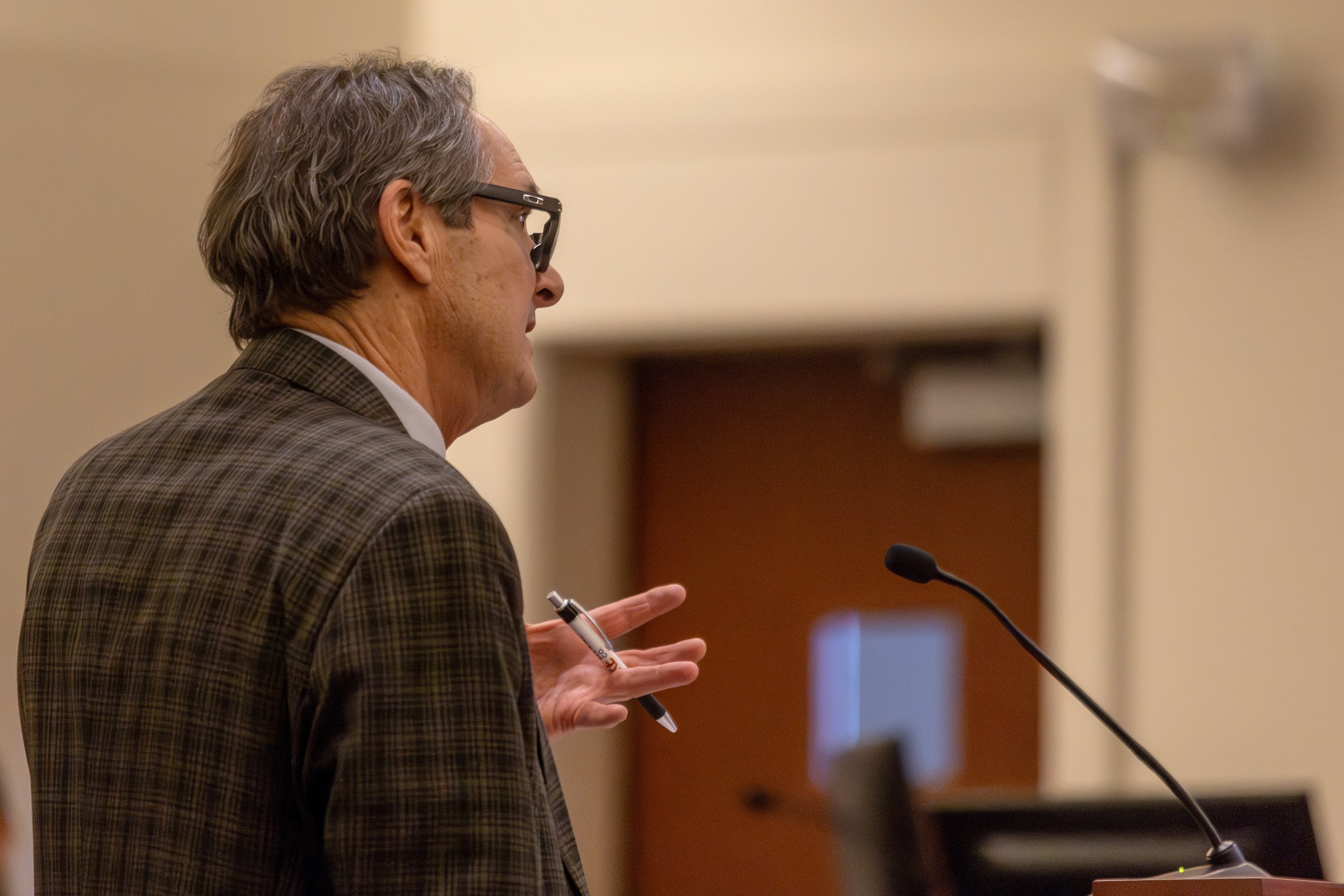
A mental health evaluation of Lowrie was ordered in August 2024 to help determine his competency and his mental state at the time of the killing .
Dr. Robert Riley, the forensic psychologist who evaluated Lowrie, indicated he did not find anything that would make Lowrie unable to proceed with his case. He testified that Lowrie’s substance use disorder was his main diagnosis of his mental health.
Superior Court Justice Michaela Murphy took the case under advisement, and lawyers for both sides will file their closing arguments in writing. Jury selection for Lowrie’s trial on a charge of intentional or knowing or depraved indifference murder in the death of Bellows is tentatively set to start Feb. 5.
Lowrie is being held without bail at Kennebec County jail in Augusta.
