

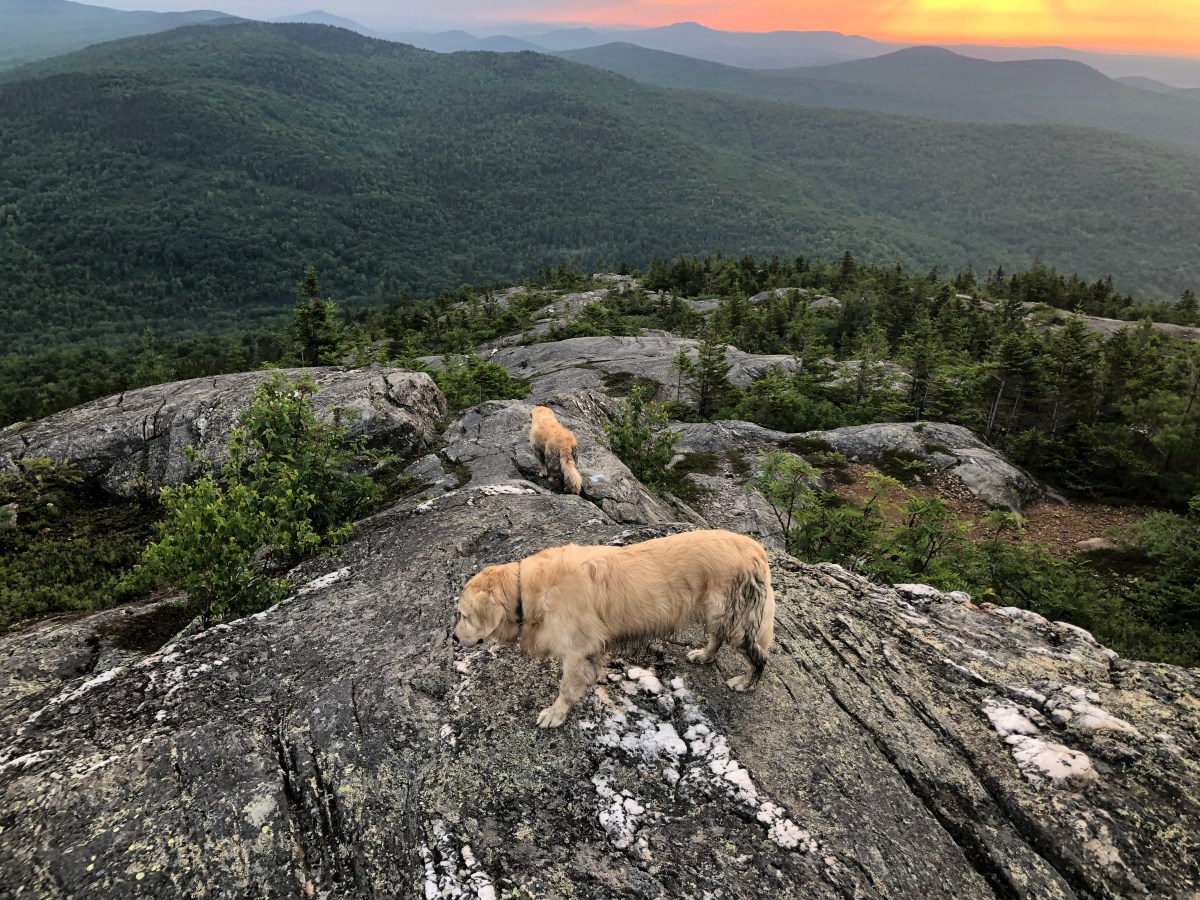
As winter settles in and spring edges closer, many Maine residents continue to head outdoors with a four-legged companion at their side. Dogs can be ideal hiking partners — eager, adaptable and happy to be outside — but colder temperatures, changing trail conditions and shared-use paths mean hikers need to plan carefully.
In Franklin County and the Rangeley region, winter foot traffic often increases as residents look for ways to stay active outdoors between storms, while early spring brings icy edges, open water and muddy trails. Local trail networks and town paths see a mix of walkers, skiers and dog owners, making shared etiquette and seasonal awareness especially important.
From quiet river walks in Franklin County to mountain trails in the Rangeley area and beyond, a little preparation helps keep outings safe for dogs, owners and fellow trail users.
PRE-HIKE CHECK
Before stepping onto the trail, take one minute to check the basics:
• Inspect paws and nails for cracks, ice buildup or soreness.
• Check collar or harness fit and leash clip.
• Pack waste bags, water and a small snack.
• Note weather conditions and available daylight.
That quick check can prevent most common problems before they start.
Know the rules before you go. Not all public lands allow dogs, and many require leashes or have seasonal restrictions. Winter rules can differ from summer use, especially on groomed trails or ski areas. Always check posted signs and respect local regulations before heading out.
Leashes and trail courtesy. Keeping dogs on a leash helps everyone feel comfortable on the trail. It prevents wildlife harassment, limits habitat damage and reduces the risk of dogs running off after a scent. Even friendly, well-trained dogs can behave unpredictably when surprised by wildlife, skiers or other dogs.
Trail users should assume not everyone they meet is comfortable around dogs. Keeping dogs close, yielding when appropriate and stepping aside during busy moments helps maintain positive shared use of local trails.
DOG WASTE CLEANUP
Cleaning up after dogs is part of responsible trail use, but it does not have to be unpleasant.
• Leash-mounted waste bag holders keep hands free.
• Double-bagging helps on longer outings.
• A small roll-top dry bag dedicated to waste seals in odor and keeps it away from food and gear.
• Hand wipes or sanitizer make cleanup at the trailhead easier.
Dog waste can contaminate soil and water, so proper disposal protects both people and wildlife.
GO-TO GEAR
Water and bowls: Dogs can dehydrate even in cold weather. Bring water and a collapsible bowl rather than relying on snow or streams.
Snacks: Small treats or measured kibble portions help maintain energy and are useful for calming moments or rewarding good behavior.
Leashes: A standard 4- to 6-foot leash provides the most control. Hands-free waist leashes can work on easy terrain. Retractable leashes are best avoided on narrow or busy trails.
Carriers for small dogs: Backpack or front carriers are helpful for very small dogs, seniors or dogs that tire quickly, especially on icy or uneven ground.
USE CAUTION
Dogs do not always pace themselves well. Watch for slowing down, heavy panting, frequent stopping, limping, paw licking or reluctance to continue. When these signs appear, stop early, offer water and be ready to turn around.
Planning shorter routes and conservative turnarounds reduces risk.
A human hiking companion adds an extra layer of safety. If hiking alone with a dog, always tell someone where you are going and when you expect to return. Dogs cannot call for help if something goes wrong.
Cold-weather hiking adds challenges:
• Paw protection: Ice, crusted snow and road salt can cut or burn pads.
• Cold stress: Small, short-haired or older dogs get cold faster and may shiver or hunch.
• Ice and open water: Dogs may run onto unsafe ice near shorelines and streams.
• Short daylight: Darkness arrives quickly in winter woods.
• Ticks: Mild winter days and early thaws can still bring tick activity.
DOG-FRIENDLY TRAILS

Franklin County and Rangeley region
• Rangeley Lakes Trails Center (select winter trails allow leashed dogs).
• Saddleback area trails (leash required on Appalachian Trail sections).
• Kingfield trail system (leashes required).
• Kineowatha Park, Wilton.
• Wilson Pond and Coubers Brook trails, Wilton.
• Powder House Hill and Bonney Woods, Farmington.
• French Falls River Walk and Jay Recreation Area trails, Jay (leashes highly recommended due to ATV traffic).
• Foundry Trail, Livermore Falls.
Multi-use corridors with ATVs require extra caution and close leash control.
Southern Maine
• Bradbury Mountain State Park, North Yarmouth.
• Wolfe’s Neck Woods State Park, Freeport.
• Vaughan Woods, South Berwick.
• Mount Agamenticus trail network, York.
Auburn and Augusta area
• Mount Apatite Park, Auburn.
• Androscoggin Riverlands State Park, Turner/Auburn/Leeds.
• Bond Brook Recreation Area, Augusta.
• Viles Arboretum, Augusta (leashes required).
Some dogs are built for, and thrive on, steeper terrain. In western Maine, routes such as Bald Mountain in Weld are popular with hikers whose dogs are conditioned for sustained climbs and descents. These hikes require extra attention to leash control, footing and weather conditions, but can be a good fit for dogs accustomed to longer, more strenuous outings.
Choosing trails that match current conditions, flatter routes on icy days, firmer surfaces during spring mud season and shorter outings in deep winter, helps protect dogs, trails and fellow hikers.
With thoughtful preparation and shared courtesy, hiking with dogs can remain a rewarding way to enjoy Maine’s outdoors year-round.

We invite you to add your comments. We encourage a thoughtful exchange of ideas and information on this website. By joining the conversation, you are agreeing to our commenting policy and terms of use. More information is found on our FAQs. You can update your screen name on the member's center.
Comments are managed by our staff during regular business hours Monday through Friday as well as limited hours on Saturday and Sunday. Comments held for moderation outside of those hours may take longer to approve.
Join the Conversation
Please sign into your CentralMaine.com account to participate in conversations below. If you do not have an account, you can register or subscribe. Questions? Please see our FAQs.