


RANGELEY — Historic Rangeley is using archaeology to tell one of the oldest human stories in Maine, spotlighting evidence that people lived and traveled through the western mountains nearly 13,000 years ago.
The nonprofit’s mission is “to preserve the Rangeley region’s history and engage the public through its museums, collections, programs, exhibits and events” according to Michelle Landry, executive director of Historic Rangeley. The organization operates the Rangeley History Museum in downtown Rangeley and the Outdoor Heritage Museum in Oquossoc Village.
“Our goal is to explore the story of humans in this remote and wild place since the last major ice age, nearly 13,000 years ago up through the present,” Landry said.
One of the most significant exhibits focuses on the Vail Site, a Paleoamerican archaeological site near Aziscohos Lake that documents the earliest known human presence in this part of Maine. Excavated in the early 1980s, the site is notable for its elevation.
“It is the highest altitude Paleoindian site in the eastern U.S.,” Landry said.
Archaeological evidence from the Vail Site dates to around 10,700 BCE, when glaciers were retreating and Paleoamerican people hunted caribou across the newly exposed post-glacial tundra. Thousands of artifacts recovered from the site include stone spear points, tools, hearths and stone meat storage structures known as caches.
“These artifacts reveal to us the sophisticated hunting methods and way of life of these ancient people,” Landry said, noting archaeologists believe they were likely nomadic hunters who understood herd migration routes and used natural features, including river corridors and terrain depressions, to their advantage.
Some tools were made from stone sourced hundreds of miles away, including materials from the Hudson River Valley and the Lake Champlain lowlands, indicating either long-distance travel or trade networks.
Landry said the Vail Site is one of only a few of Paleoamerican sites identified in Maine and helps place the Rangeley region within the broader story of early human survival in northern New England.
“They were the first humans to exist in current day Maine and are the ancestors of today’s Wabanaki people,” she said, referring to the Penobscot, Maliseet, Mi’kmaq and Passamaquoddy tribes.
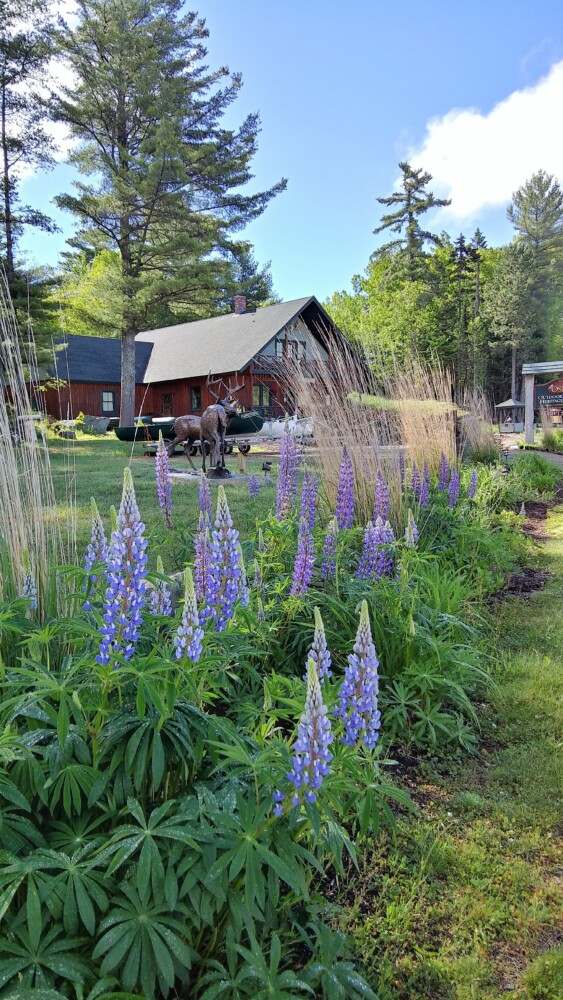
She encouraged the public to learn more about Maine’s Indigenous history through Wabanaki Alliance and to visit the Vail Site exhibit in person at the Outdoor Heritage Museum.
Landry said understanding that people lived in the Rangeley region for millennia offers important perspective for residents today.
“Even today its distance from major cities, lack of public transport connection, high altitude and dicey winter roads can make it feel incredibly remote,” she said. “Yet for thousands of years, hearty human beings have climbed the peaks, plied the waters, forged their way through forests, hunted large beasts and sustained extreme weather to secure sustenance and shelter.”
Historic Rangeley also emphasizes ethical stewardship when interpreting archaeology for the public. Landry said the organization does not share exact site locations and discourages “arrowhead hunting,” noting it is illegal to disturb archaeological sites on public land or those listed on the National Register of Historic Places.
“Scientific and methodical excavation of archaeological sites is the only way to best preserve them for future study,” she said. Members of the public who believe they may have encountered artifacts are encouraged to contact the Maine Archaeological Society or the Maine Historic Preservation Commission.
Beyond exhibits, Historic Rangeley offers educational programs for schools and the public, summer walking tours in Rangeley and Oquossoc, and partnerships that connect cultural and natural history. A recent collaboration with the Rangeley Lakes Heritage Trust resulted in an Indigenous regional map created by Penobscot artist and historian James Eric Francis Sr., showing traditional place names, canoe routes and sites significant to Wabanaki history.
Although the museums are closed for the season, Landry said staff continue research, collections work, exhibit development and fundraising during the winter months.
The Outdoor Heritage Museum will open for the 2026 season on May 20 and will also offer special winter hours during school vacation week, Feb. 17-21. More information is available at historicrangeley.org.

We invite you to add your comments. We encourage a thoughtful exchange of ideas and information on this website. By joining the conversation, you are agreeing to our commenting policy and terms of use. More information is found on our FAQs. You can update your screen name on the member's center.
Comments are managed by our staff during regular business hours Monday through Friday as well as limited hours on Saturday and Sunday. Comments held for moderation outside of those hours may take longer to approve.
Join the Conversation
Please sign into your CentralMaine.com account to participate in conversations below. If you do not have an account, you can register or subscribe. Questions? Please see our FAQs.