

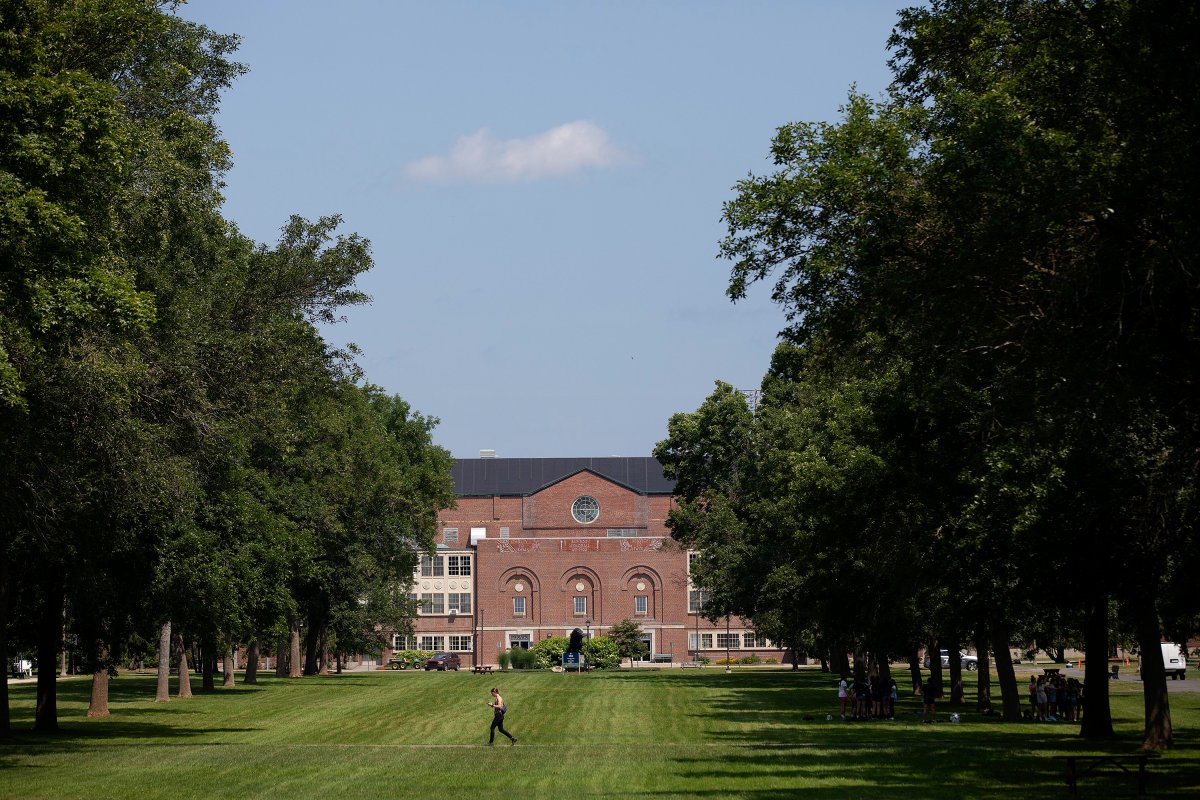
The University of Maine will receive a $45 million congressional appropriation to build a new health and life sciences complex at its Orono campus, Sen. Susan Collins announced Tuesday.
The complex will bring health and life science-related academic and research programs together into one building, with the goal of improving UMaine’s ability to address the rural physician shortage in the state, President Joan Ferrini-Mundy said in an interview.
“We have been trying to lift up our focus in the life sciences and the health sciences for several years, and part of doing that well will be to have a building and a complex where many areas can come together and converge, to help find the very best solutions to our rural health care challenges in Maine,” Ferrini-Mundy said.
Collins, a Republican and the chair of the Senate Committee on Appropriations, said the funding is the single largest item of congressionally designated spending in the state’s history. It was approved as part of the Fiscal Year 2026 Commerce, Justice and Science Appropriations bill.
“This funding will be a catalyst for UMaine and for the future of health care in our state,” Collins said in a statement. “The new health and life sciences complex will help educate aspiring nurses, doctors, and other health care professionals here in Maine, preparing the next generation to meet the complex needs of our state.”
The announcement comes not long after a report commissioned by the university found building a public medical school at UMaine is not currently feasible due to high costs.
That report estimated a potential med school at about $250 million, but said the university can “strengthen its statewide health and biomedical infrastructure over the next five years, positioning the state for the potential addition of a (medical doctor) program in the future.”
In the shorter term, the report said, the construction of the health science complex “would anchor a broader health sciences district on the flagship campus” and, along with other developments, help create the conditions to support a medical school in the future.
“The life and health sciences complex becomes a very important piece of building more and broader pathways for students who are interested in the health sciences field,” Ferrini-Mundy said, noting that it could be a way for more students to complete pre-medical studies or figure out whether they want to pursue fields in medicine.
According to the report, the complex would be an estimated 75,000 to 80,000 square feet and include the school of nursing, other health disciplines, biomedical and life science research programs and a health facility that would provide both community care and student clinical training.
Ferrini-Mundy said the location, timeline and design of the building are all still under discussion. Now that the congressional funding has come through, she said, the university will look to formalize those plans. The university also will need to do additional fundraising to support the full project.

We invite you to add your comments. We encourage a thoughtful exchange of ideas and information on this website. By joining the conversation, you are agreeing to our commenting policy and terms of use. More information is found on our FAQs. You can update your screen name on the member's center.
Comments are managed by our staff during regular business hours Monday through Friday as well as limited hours on Saturday and Sunday. Comments held for moderation outside of those hours may take longer to approve.
Join the Conversation
Please sign into your CentralMaine.com account to participate in conversations below. If you do not have an account, you can register or subscribe. Questions? Please see our FAQs.