

Drastically decreased attendance, fearful parents and possible remote learning: K-12 education in Maine has been feeling the impact of a U.S. Immigration and Customs Enforcement operation.

Since the crackdown began Jan. 20, more than 200 people have been arrested, according to the Department of Homeland Security. Federal agents, often clad in tactical vests and face coverings, have been spotted in the state’s largest metro areas of Portland and Lewiston, leading to fear among immigrant communities and the across the region broadly.
The Press Herald has not confirmed any cases of Maine K-12 students detained by ICE, but a Portland Public Schools parent and employee, Micheline Ntumba, was detained after dropping off one of her children at Portland High School last Wednesday.
“Her detention has hurt our community and left her children with no head of household,” Portland Superintendent Ryan Scallon said.
Federal officials have said they are targeting the “worst of the worst,” but those detained so far include many with no criminal backgrounds who are in the country as asylum seekers or were verified to work in the U.S.
The impact on public schools, which began when ICE’s operation was still a rumor, has been stark: districts in some of the cities targeted by enforcement say they have seen notable drops in attendance and widespread fear among immigrant families about sending their children to school.
More than 1,100 students in the state’s largest district, Portland, were absent on Friday. That number was higher for certain racial groups, and included almost half of the multilingual student population. Westbrook, South Portland and Biddeford have also reported attendance drops.
Now, Portland is considering a remote school option, which it discussed at Tuesday night’s school board meeting.
In Minnesota, where ICE operations have been the most aggressive and agents killed two people this month, school districts have already adopted that strategy.
Two weeks ago, Minneapolis’s school system began offering remote learning because of concerns that students were afraid to travel to school, and other cities, including St. Paul, have extended the same option. In the Twin Cities metro area, school district leaders have reported absentee rates as high as 40%

Maine Commissioner of Education Pender Makin spoke with her counterpart in Minnesota, Commissioner Willie Jett, this month to “gain an understanding of the scenarios that schools in that state have been observing, as it pertains to the presence of ICE,” a Department of Education spokesperson said Tuesday.
Makin shared advice, based on that conversation, with Maine superintendents from communities where ICE activity has been high. That included encouraging superintendents to update policies around interacting with immigration enforcement agents and communicate protocols with staff, and telling them to prepare for possible staffing interruptions and potential student protest walkouts.
Student walkouts are planned in Lewiston and some Midcoast schools over the next two weeks. A Portland walkout was planned for Tuesday, but postponed because of safety concerns, organizers said.

The Department of Education has also extended the deadline for its English language proficiency assessments for multilingual learners, as districts reported concerns about a drop in student participation rates.
REMOTE LEARNING RETURNS
Scallon, the Portland superintendent, announced in a Saturday letter that the district would not fully shift to remote learning “unless necessary for safety reasons,” but said that with absences on the rise, Portland was looking at a plan to offer limited remote learning options for students.
He called it a tense time for the community and said, “I don’t know how long this reality will last for us, but I know that we will need to continue to rely on each other in this time.”
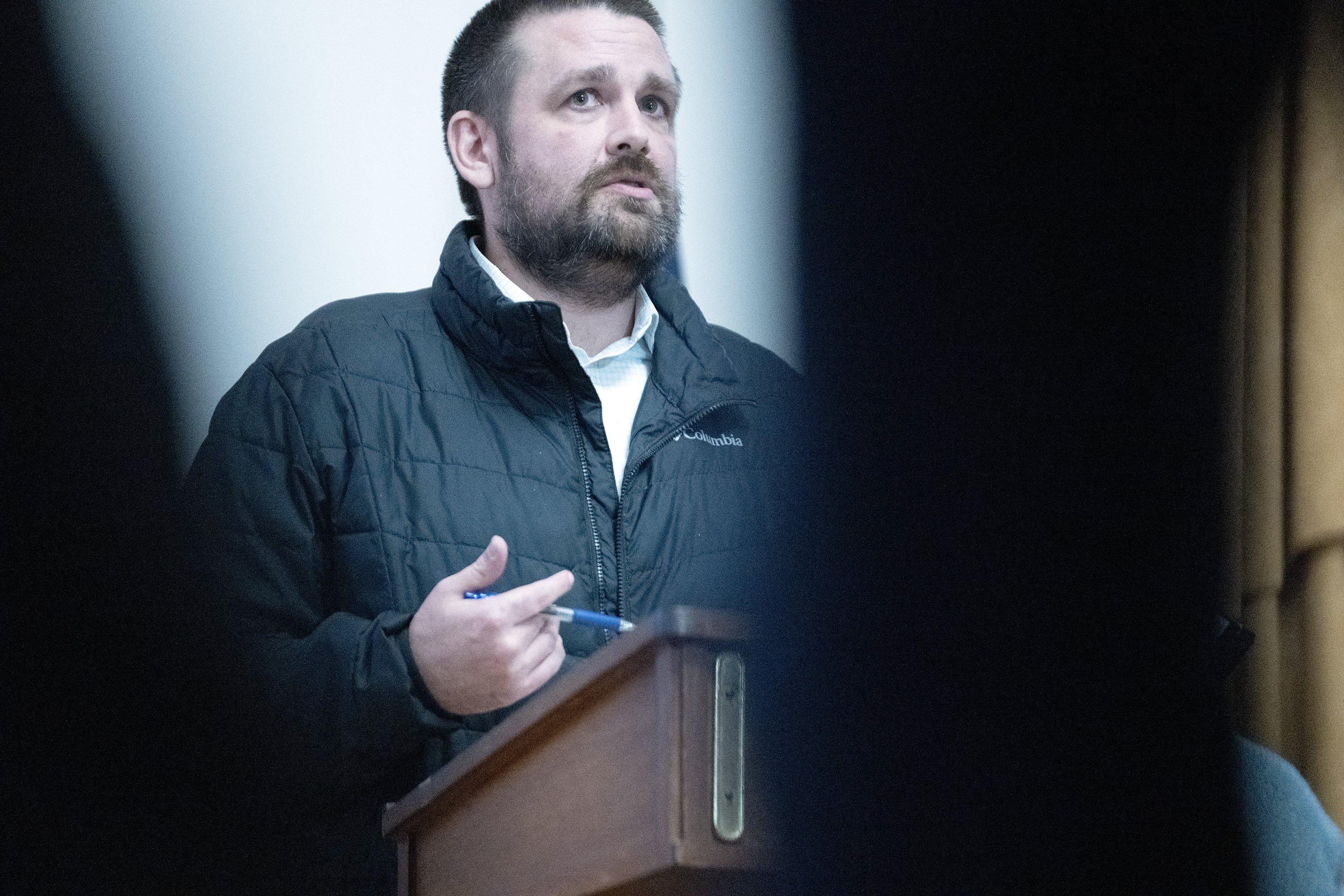
On Tuesday night, administrators presented potential emergency remote learning plans for both elementary and secondary schools to the Portland Board of Public Education.
At the secondary level, where students already have school-issued laptops, students would remain a part of their regular classes remotely while accessing materials via Google Classroom under the proposed plan. At the elementary level, the goal is to identify how many students will not be attending school — even with barriers like transportation removed — and potentially develop “emergency remote learning cohorts” for those students.
Chair Sarah Lentz said the board would need to consult first with its attorneys on the proposals, and made tentative plans to hold an emergency meeting later this week for a vote.
Portland High School Principal Sheila Jepson said school leaders were ready to adopt a remote option.
“Our students are asking what can be done.” Jepson said. “How can I be part of my class?”
In South Portland, Superintendent George Entwistle said the district is formulating a plan to continue learning options for students who miss school.
“We are starting by ensuring that students who are to receive services have the technology capacity to do so,” he said. “Our strategy, at least at this time, will focus on providing academic work for students but not moving to formal remote or hybrid learning.”
Board Chair Rosemarie De Angelis said the first step has been to make sure students are equipped with iPads or laptops, and preparing educators, so the district can be ready to make a move if needed. She said families have been fearful to bring their children to school, and to attend board meetings and workshops in person.
“How can we get as many kids to school as possible?” De Angelis said.
ATTENDANCE IMPACTS
As of last Friday, the districtwide absence rate in Portland was 10 percentage points higher than the rate for the first half of the month, and several schools had rates of more than 20 percentage points higher than average. One elementary school had as many as 32% of its students absent last week.
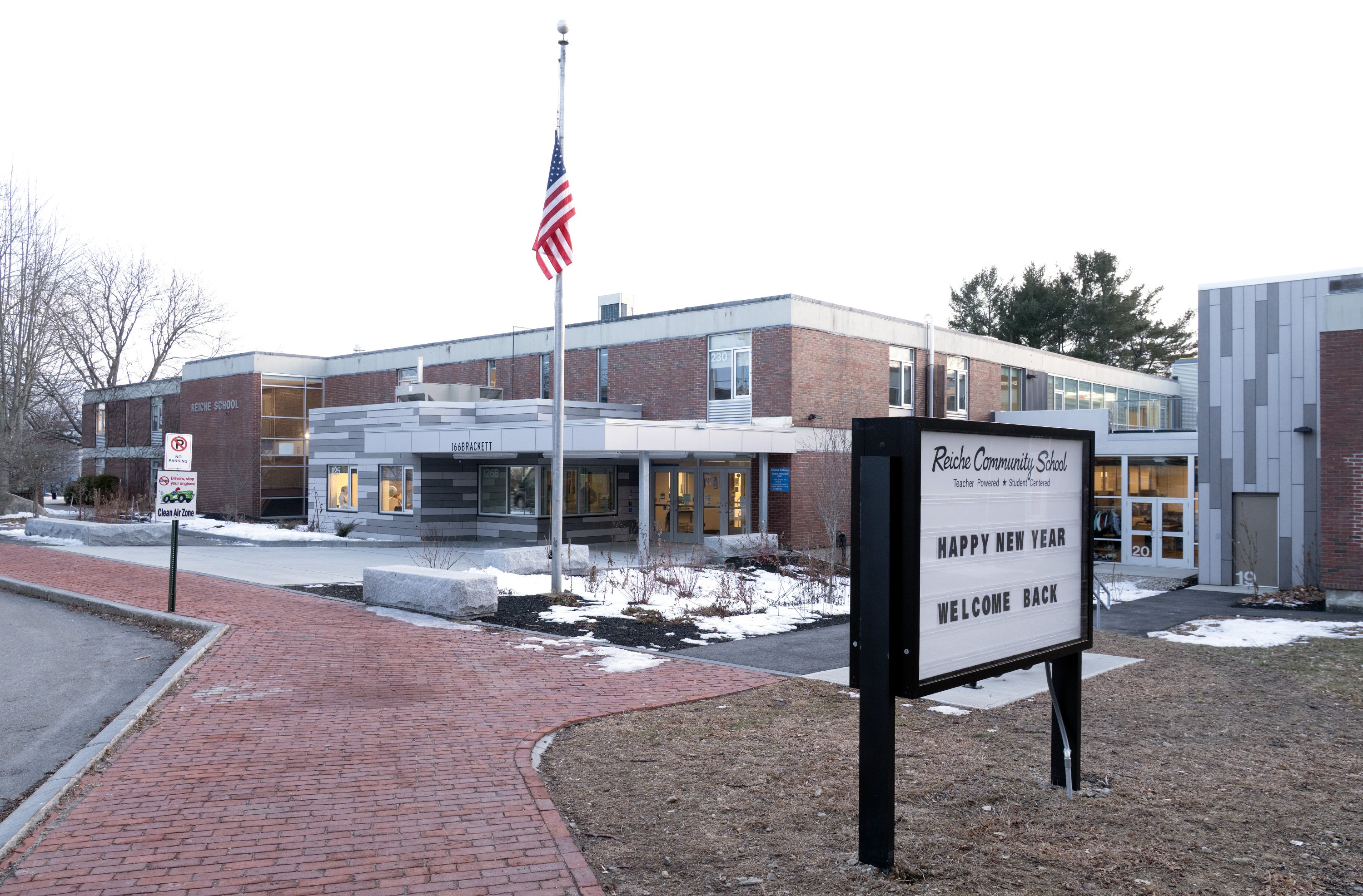
Westbrook Superintendent Peter Lancia said Monday that average daily attendance is down about 5% since the beginning of January, and that many parents have communicated with schools that they are afraid for their children to leave their homes.
In South Portland, Entwistle said last Thursday that absences “appear to have remained higher than what is typical,” but did not provide specific numbers.
In Lewiston and Biddeford, other communities where by ICE enforcement has been documented, superintendents did not respond to questions about attendance.
Impacts have extended to sports games. At a track meet Saturday, which included teams from Portland, Deering and South Portland High School, a number of competitors were missing. Athletes whose families immigrated to the United States make up a significant portion of the rosters on those teams.
“I was happy to film this race for my friend, who was too scared to come see her daughter compete, even though their family is here legally,” parent Andy Schmidt said.
Staff Writers Kendra Caruso, Salomé Cloteaux, Joe Lawlor and Emily Allen contributed to this story.

Comments are not available on this story. Read more about why we allow commenting on some stories and not on others.
We believe it's important to offer commenting on certain stories as a benefit to our readers. At its best, our comments sections can be a productive platform for readers to engage with our journalism, offer thoughts on coverage and issues, and drive conversation in a respectful, solutions-based way. It's a form of open discourse that can be useful to our community, public officials, journalists and others.
We do not enable comments on everything — exceptions include most crime stories, and coverage involving personal tragedy or sensitive issues that invite personal attacks instead of thoughtful discussion.
You can read more here about our commenting policy and terms of use. More information is also found on our FAQs.
Show less