

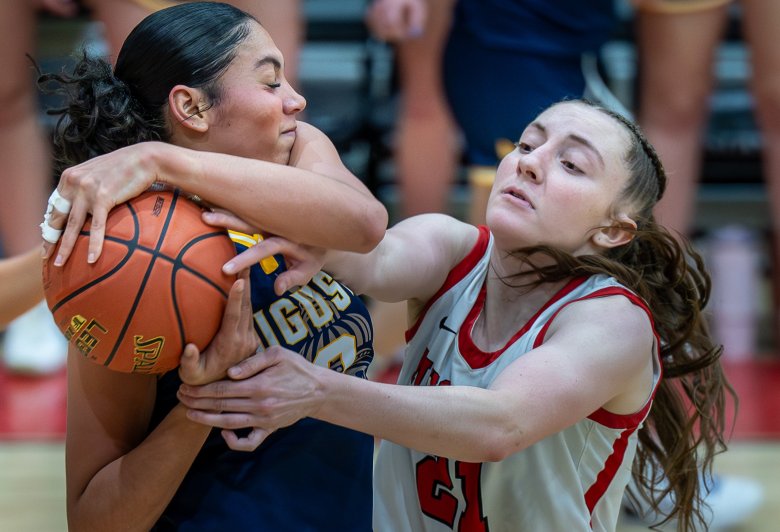
AUBURN — Two Maine college women’s basketball programs located a mere 36 miles apart have developed a rivalry that extends beyond the state’s borders.
Central Maine Community College and the University of Maine at Augusta are Division II members of the United States Collegiate Athletic Association, playing in the Yankee Small College Conference. CMCC is the lone women’s basketball program in the state to have captured a national title, winning the USCAA DII crown in 2017, 2019 and 2022.
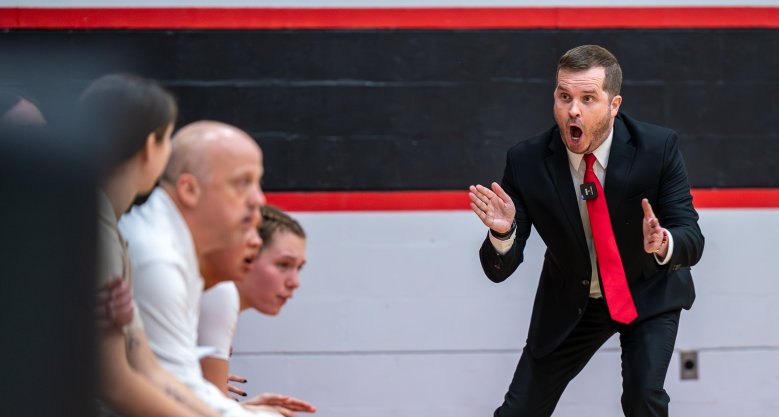
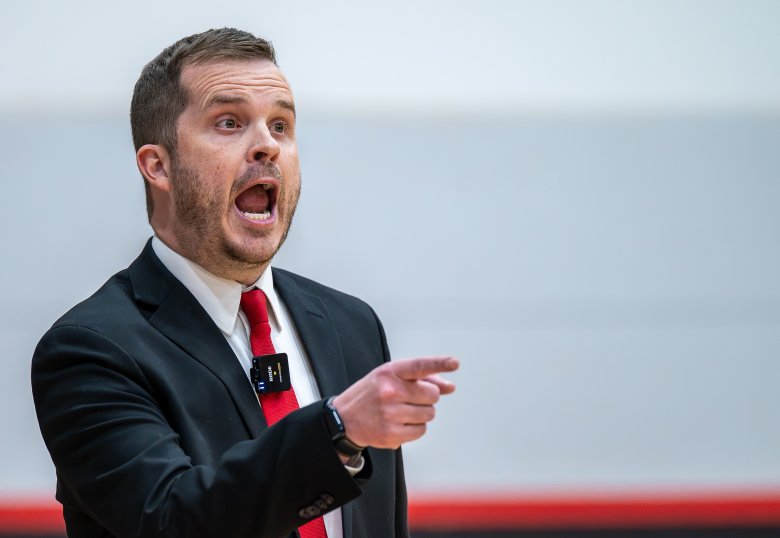
“No one has the runs, consistently, that we do,” said CMCC coach Andrew Morong. “There’s really no comparison to us in the state of Maine, either on the men’s or women’s side. That happens because we recruit amazing young women. It doesn’t matter how good of a coach you are, if you don’t have the right people in your program, you’re not going to be successful.”
UMA has yet to win a national championship but has reached the national tournament in Virginia four years in a row under coach Heath Cowan. The Moose are well are their way to a fifth straight trip.
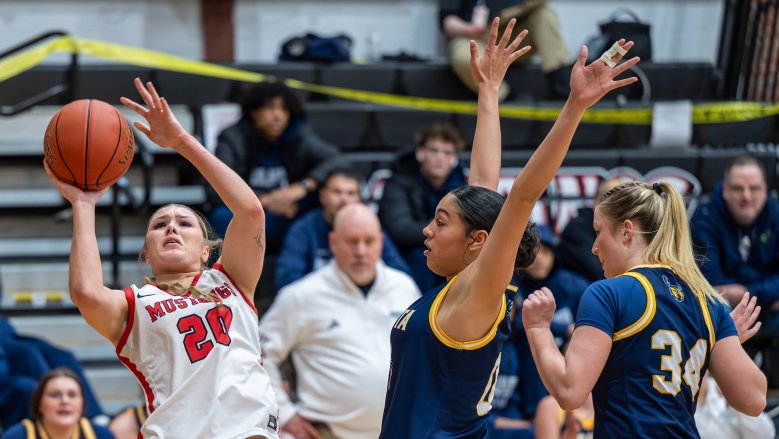
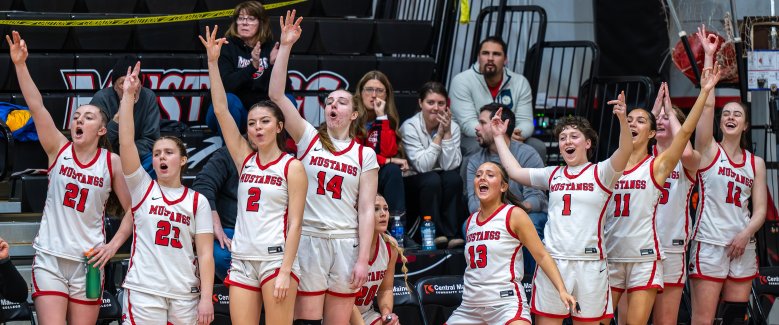
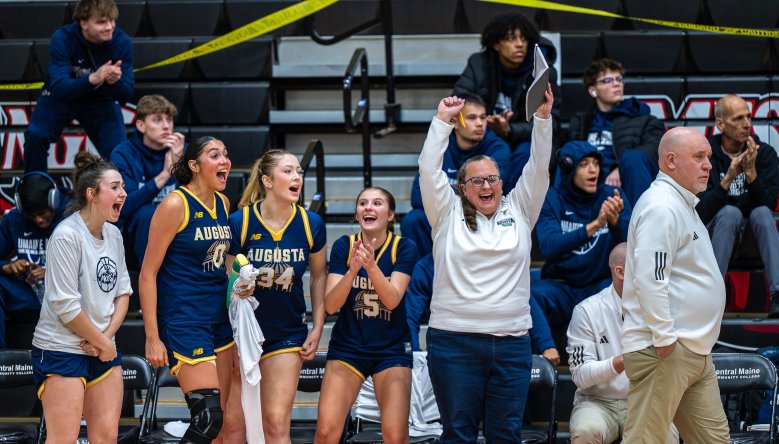
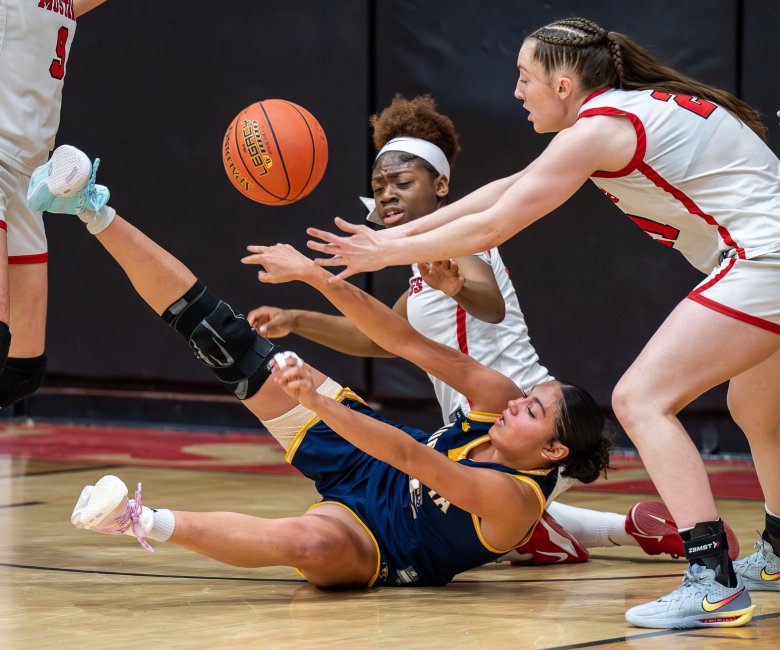
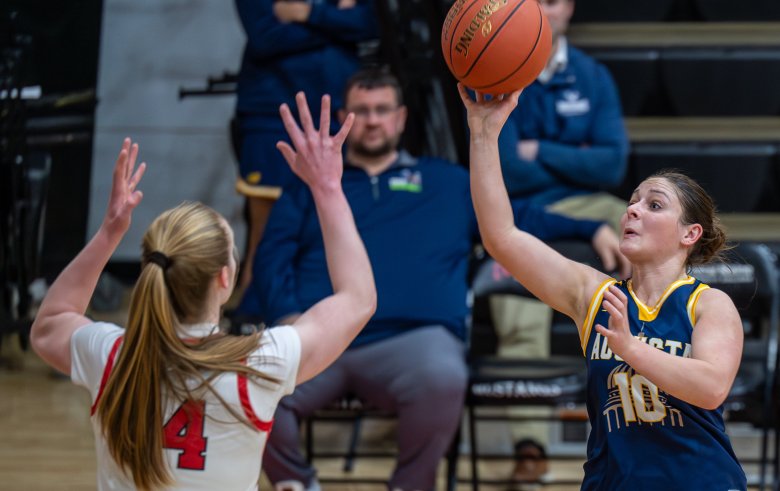
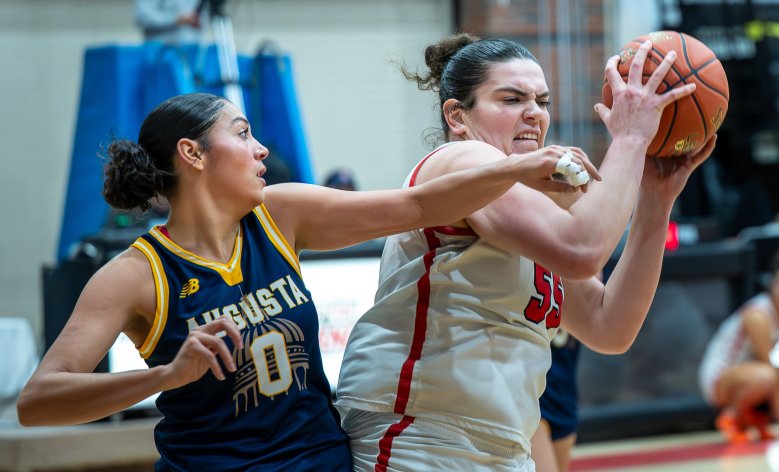
Entering the week, both teams were ranked among the top 10 in the nation in the USCAA DII poll, with CMCC (19-1) holding the No. 1 position, while UMA (15-4) was at No. 2. Those spots may change, however, as the Moose beat the Mustangs 75-73 on Wednesday night at CMCC’s Kirk Hall Gymnasium in Auburn.
“We feel like CMCC is the most competitive team we have in the conference,” said UMA junior guard Sage Fortin, a Cony High alum. “We look forward to seeing them at nationals each year and the championship for the YSCC. … It’s kind of funny that we’re so close but travel so far to play each other (at the national tournament).”
While both programs have found success in the same conference, how they’re run are somewhat different. CMCC is a two-year institution, which means the roster is continuously changing. It requires Morong and his staff to constantly recruit.
“Even if we are more talented, we lack game experience,” Morong said. “In our minds, it doesn’t matter who we’re playing, we may have the upper hand on the talent side of things, but I always feel like we’re the underdog, in some sense, because most of our opponents are four-year schools. We constantly have to teach our offensive systems to at least seven or eight kids every single year, if not 10 or 11 at times.”
The Mustangs carry 18 players on their current roster, and while 10 are from Maine, the program has been able to find players outside the United States. Three players (Josie Friend, Zoe Bedford, Breanna Dwyer) are from Australia and two (Keilani Horne, Cassie Ririnui) are from New Zealand. Anaïs Balla Zambo, a first-year forward, is from Switzerland.
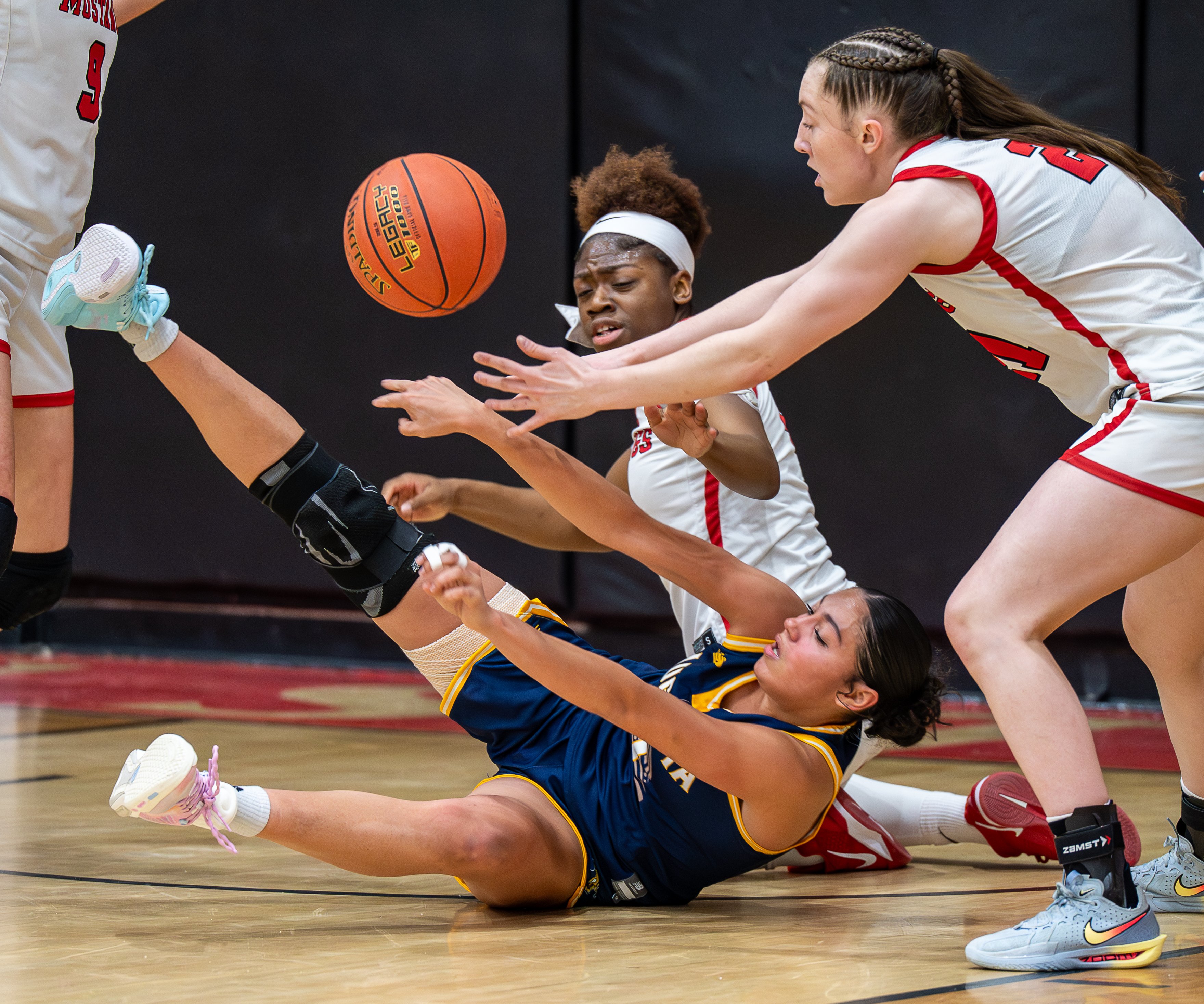
“We work way harder than any other team in our conference,” said first-year guard Hunter Hartsgrove, a Katahdin High graduate. “Every day is a grind for us, and we don’t take anything for granted.”
In addition to its winning tradition, CMCC lures recruits with its athletic facilities. There’s a large video board above the scorer’s table, and a light show during player introductions — a presentation not often seen among Maine’s NCAA Division III schools, even in the New England Small College Athletic Conference.
“We’re very lucky that our administration — President (Dr. Betsy) Libby, former President (Scott) Knapp — they’ve really invested a lot in our facilities and the technology,” Morong said. “It really makes a huge difference.”
Morong has had several players move on from his program to have success at other levels. Emily Strachan, a former Lewiston High standout, played at CMCC from 2021-23 and was a USCAA DII All-American before playing two years at Cal State Fullerton, an NCAA Division I program. Cony girls basketball coach Alex Bessey is a CMCC alum who had success at the University of Maine at Farmington.
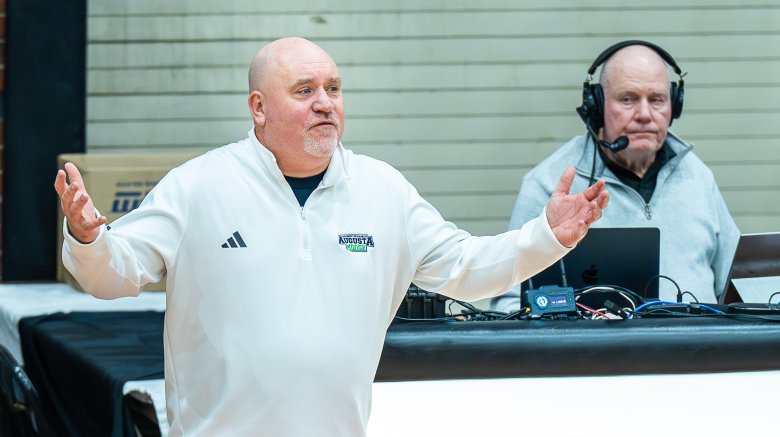
Cowan, a former high school girls coach who led Skowhegan to an Eastern Class A title in 2010, was hired as UMA’s head coach during the 2021-22 season. His 12-player roster includes two from out of state (Bella Petrocci of New York and Yvonne Roberge of Vermont), but the program is heavy on Maine-grown talent, particularly from central Maine.
“The quality of kids (matter),” Cowan said. “They all stay together on the bench, they all support each other. … I think (Morong) recruits pretty well. I think we do a pretty good job.”
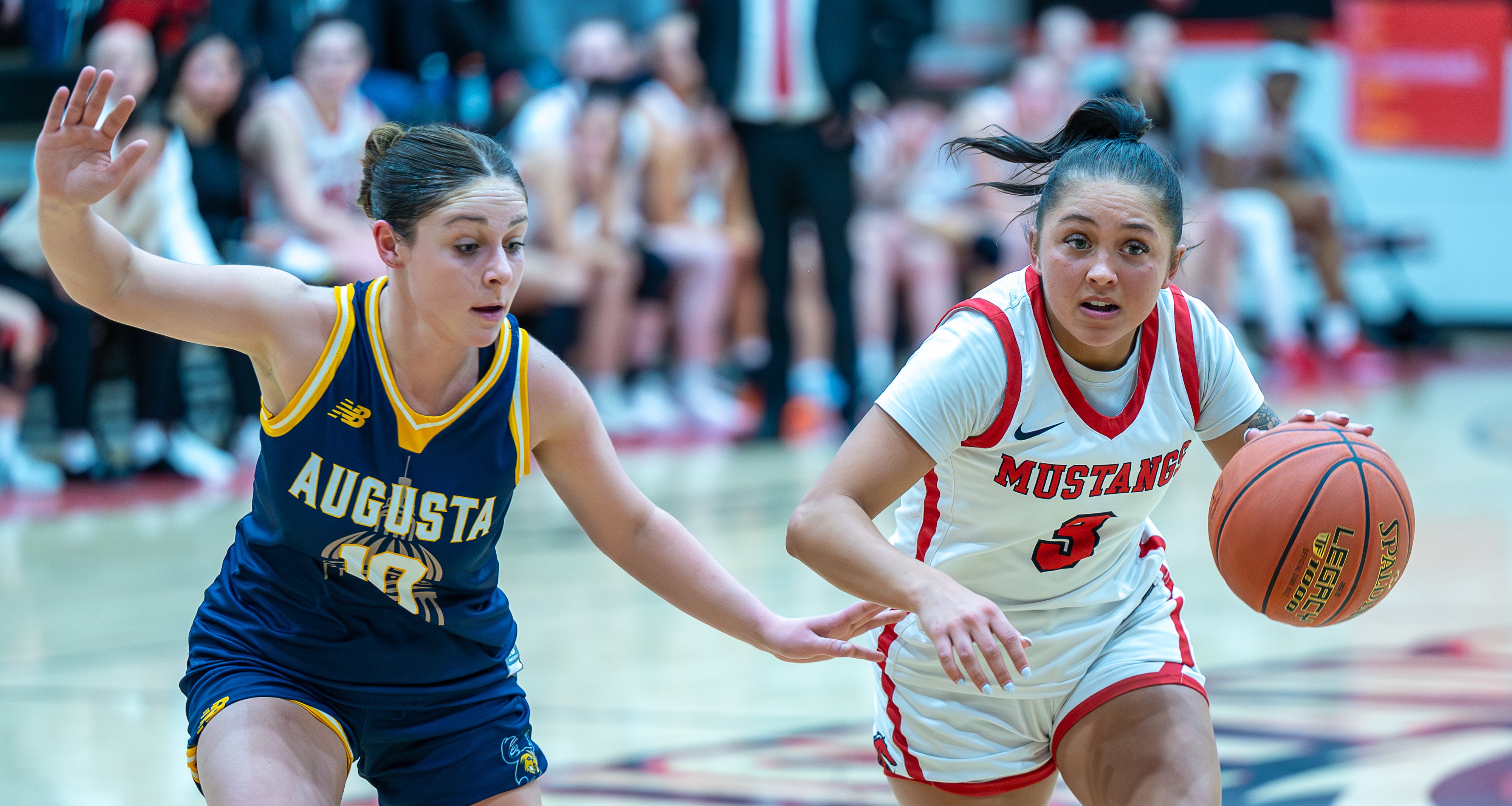
UMA is a four-year school, allowing for players to develop longer within the program.
The school is petitioning the NCAA to join Division III, with the goal of becoming a member of the North Atlantic Conference within the next two years. In the meantime, Cowan said the team will stay on a USCAA schedule, mixing in games against Division III teams.
“I think, from a recruiting standpoint, it’ll be a little easier for us,” Cowan said. “To go against (teams like) Husson, Maine Maritime and Thomas every day, that’ll make us better for the national tournament (in the next two years).”
In the meantime, the rivalry between CMCC and UMA continues.
“We’d love to play (CMCC) for a (YSCC) championship,” Cowan said. “We’d also like to see them for a national championship. There’s an opportunity here that two Maine teams could do that. … It’s not, ‘We hope to get to the tournament.’ It’s, ‘We expect to get to the tournament each year.’ And the goal is to win a national championship. That’s been the goal since we started.”
“We absolutely need (the competition),” Morong said, “and it’s unfortunate the other schools in our conference really haven’t figured it out. That hurts us, because we should have (competitive) games, but we don’t. When we have opportunities like (playing UMA), we need to take advantage of them, because it gets us ready for March.”
“We have a saying here: You don’t come to CM to play in November, December or January,” Morong continued. “You come here to play March basketball. … We need these games for the real reason these women come here, and that’s to play elite basketball when it counts.”




We invite you to add your comments. We encourage a thoughtful exchange of ideas and information on this website. By joining the conversation, you are agreeing to our commenting policy and terms of use. More information is found on our FAQs. You can update your screen name on the member's center.
Comments are managed by our staff during regular business hours Monday through Friday as well as limited hours on Saturday and Sunday. Comments held for moderation outside of those hours may take longer to approve.
Join the Conversation
Please sign into your CentralMaine.com account to participate in conversations below. If you do not have an account, you can register or subscribe. Questions? Please see our FAQs.