

AUGUSTA — A bill that would protect certain areas of schools and hospitals from being accessed by federal immigration officers drew overwhelming support from the public during a hearing Thursday, though some school officials raised concerns about how the proposal would work.
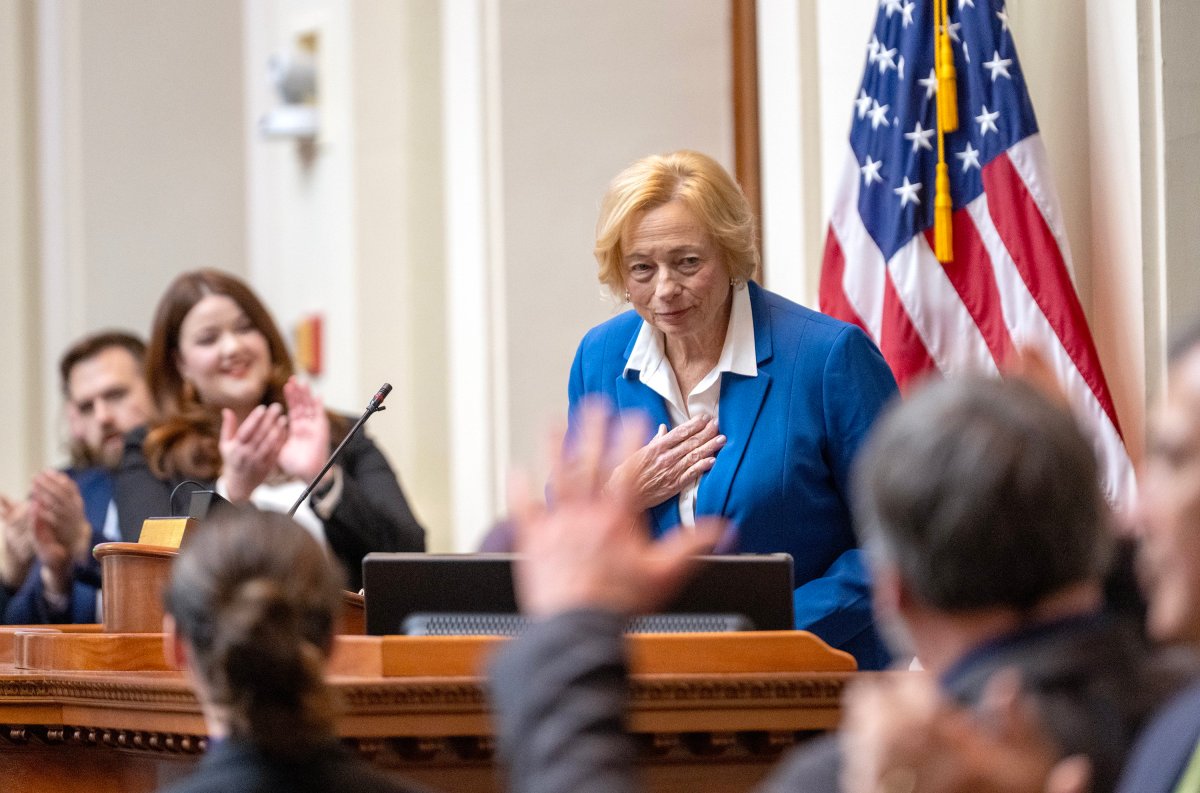
Among those who testified in favor of the bill was a critical supporter — Gov. Janet Mills.
“I strongly support a change to state law prohibiting any federal agents who do not have a valid judicial warrant from entering private areas of our public schools, institutions of higher education, health care and child care facilities or public libraries,” Mills said in written testimony.
The measure, sponsored by Rep. Ellie Sato, D-Gorham, would prohibit people acting on behalf of public schools and colleges, health care and child care facilities and libraries from voluntarily allowing federal immigration officers to enter nonpublic areas of those spaces.
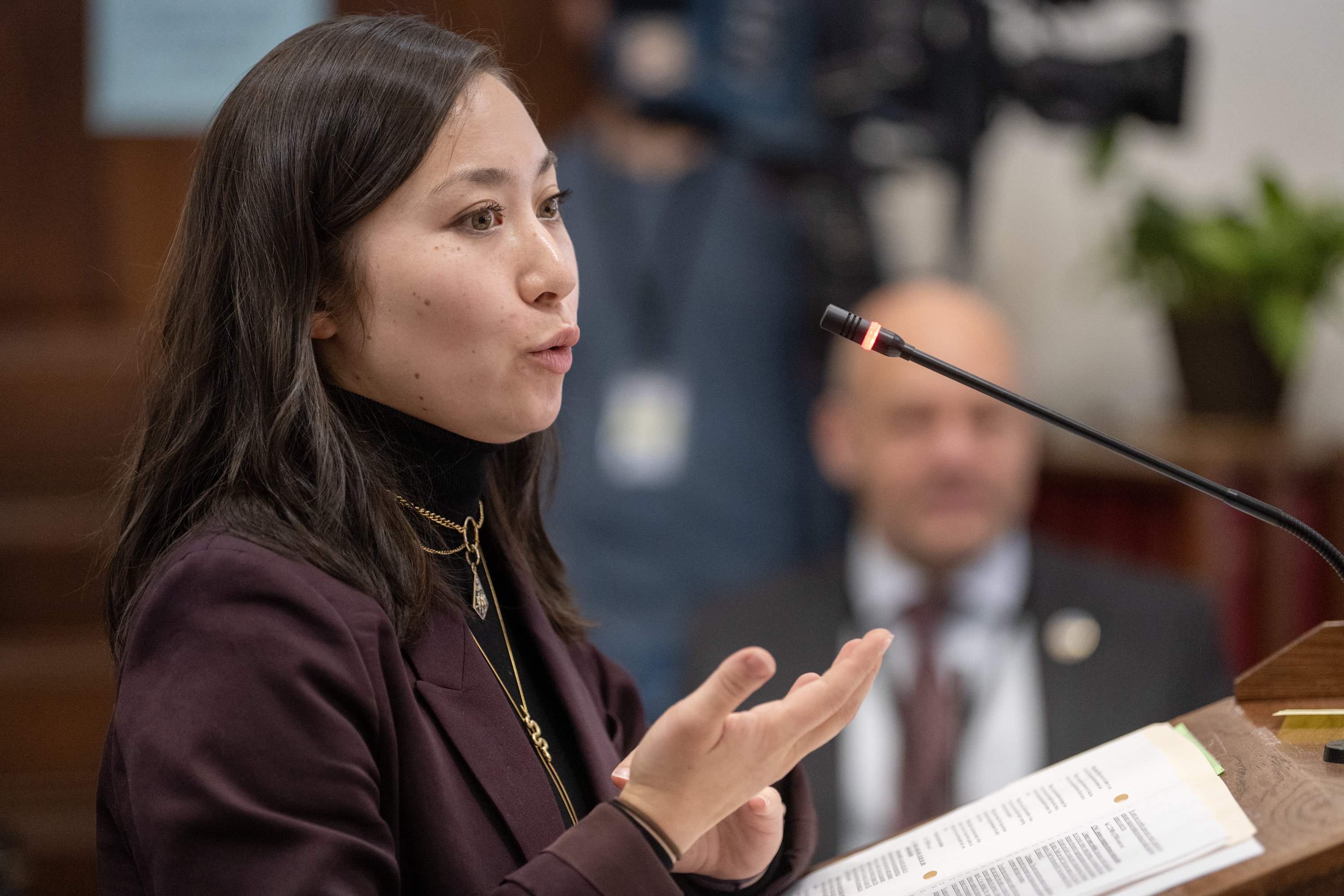
LD 2106, also would keep federal immigration officers from accessing student, patient and library records without a judicial warrant.
“The heart of this legislation is the intent to reduce violence in these community hubs and public facilities where the most vulnerable in our state seek services,” Sato said during a public hearing before the Legislature’s Judiciary Committee.
Sato’s bill was introduced before the recent surge in U.S. Immigration and Customs Enforcement activity in Maine, which federal authorities said Thursday has resulted in more than 200 arrests in the last two weeks. U.S. Sen. Susan Collins announced Thursday that she had been told the enhanced operations in Maine are ending, though ICE has not confirmed that.
The recent arrests in Maine were frequently invoked by those who support the bill during Thursday’s hearing, which lasted more than five hours. Only a handful of people testified against the bill during that time, though some additional concerns were raised in written testimony submitted in advance, including from Maine schools.
SCHOOLS RAISE QUESTIONS
The University of Maine System, which would be impacted by the bill, did not say in written testimony that it either supports or opposes it. System officials said campuses have several “restricted-access spaces,” such as residence halls and research labs, that are designated only for authorized students, employees and visitors, and are not generally open to the public.
Law enforcement officials already are not typically allowed access to those restricted spaces without a warrant, or unless they’re accompanied by authorized personnel, the system said.
“Our system is concerned that, as currently drafted, LD 2106 could create a conflict between state law and federal law enforcement, placing our employees and students in the middle and potentially at risk,” UMaine System spokesperson Sam Warren wrote, adding that several terms in the law are undefined and could lead to confusion.
The Maine School Superintendents Association said superintendents also have concerns regarding about how the bill would be implemented, and testified neither for nor against.
Jake Langlais, superintendent in Lewiston, submitted testimony on behalf of the association’s legislative committee, saying superintendents generally appreciate that the bill could help districts strengthen and standardize their policies for responding to immigration enforcement.
“The biggest question we have regarding this bill is implementation — and whether the bill could conceivably jeopardize the safety of school staff,” Langlais wrote. He asked whether staff could be considered to be obstructing law enforcement by blocking them from certain areas.
Supporters of the bill, including advocates for immigrants, health care providers and educators, noted the recent enforcement, saying it has been broad and indiscriminate. They argue something must be done to ensure people can feel safe going to places like schools and hospitals.
Sato, the first Japanese American to serve in the Maine Legislature, said the recent operation in Maine is impacting all people of color, not just new immigrants.
“We are all living in fear of being disappeared by ICE, including those who were born here, like myself,” said Sato, adding that she now carries her passport at all times.
She said she has heard that schools and hospitals are reporting that people are afraid to visit them. Schools in cities around Maine have said they’ve seen notable drops in attendance and widespread fear among immigrant families in the last two weeks.
TENSIONS OVER ICE ARISE
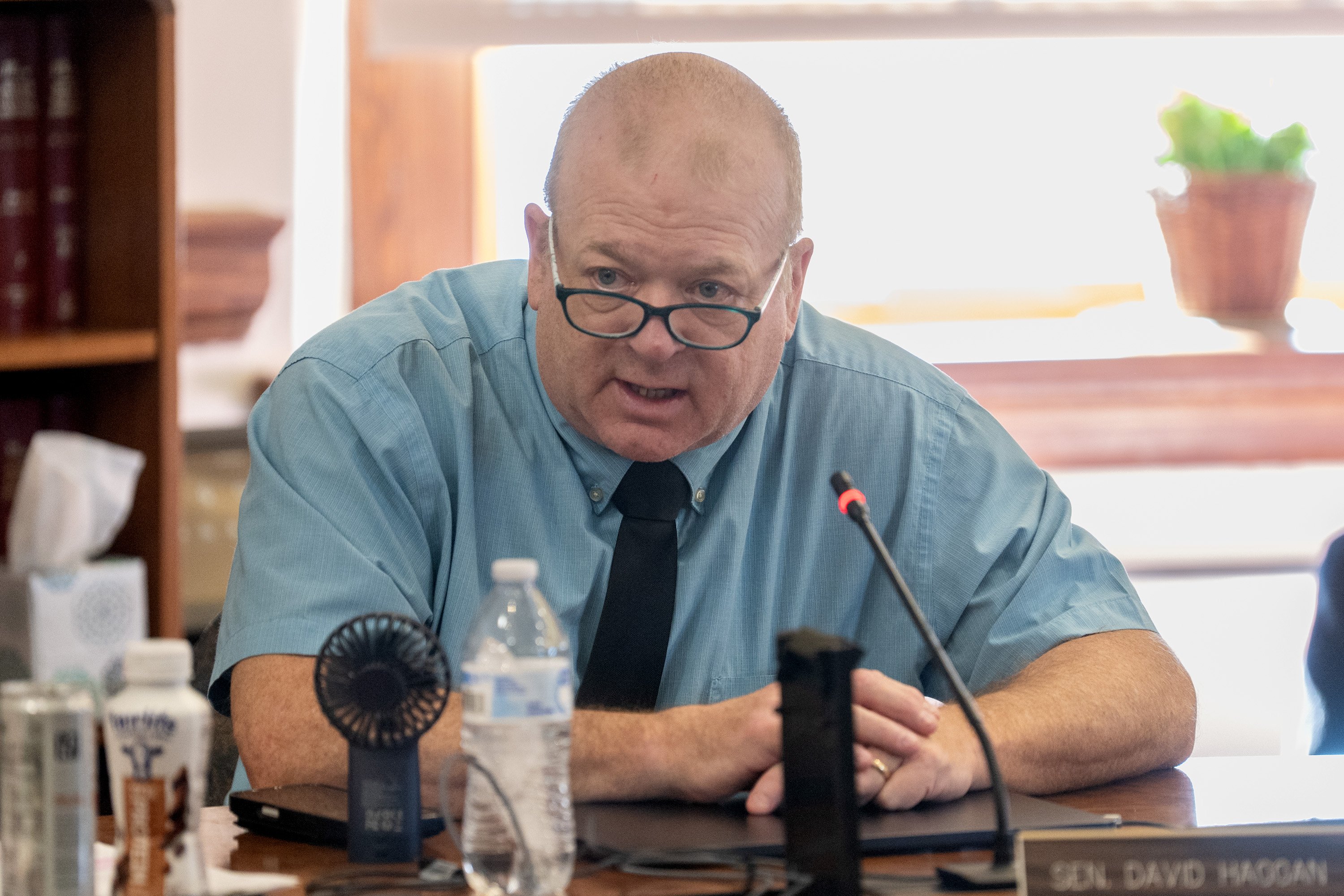
Tensions over the recent ICE operations could be felt Thursday in the committee room, where Sen. David Haggan, R-Hampden, sparred with members of the public who used the term “fascism” to describe ICE’s recent activities.
“The term fascism is an extremely offensive term and I do not believe it is germane,” Haggan said, interrupting the testimony of a Maine Medical Center nurse who described how a fellow nurse and immigrant co-worker were recently harassed by ICE agents when they stopped to document a raid they drove past on their way to work.
Haggan then interrupted a second nurse who also used the word “fascist” in her testimony, and the committee broke for a brief recess.
