

AUGUSTA — The Wabanaki Alliance is ramping up its push for Maine to fully recognize tribal sovereignty — and it’s looking beyond the end of Gov. Janet Mills’ administration.
The alliance, composed of representatives from the four Indigenous nations in Maine as well as non-native allies, is pushing a slate of bills this session that would reshape the legal framework under which tribes in Maine operate into something that more closely resembles the other 571 federally recognized tribes nationwide. It’s also pushing initiatives to support Wabanaki studies curriculum development for public schools and lay the groundwork for certain kinds of land return.
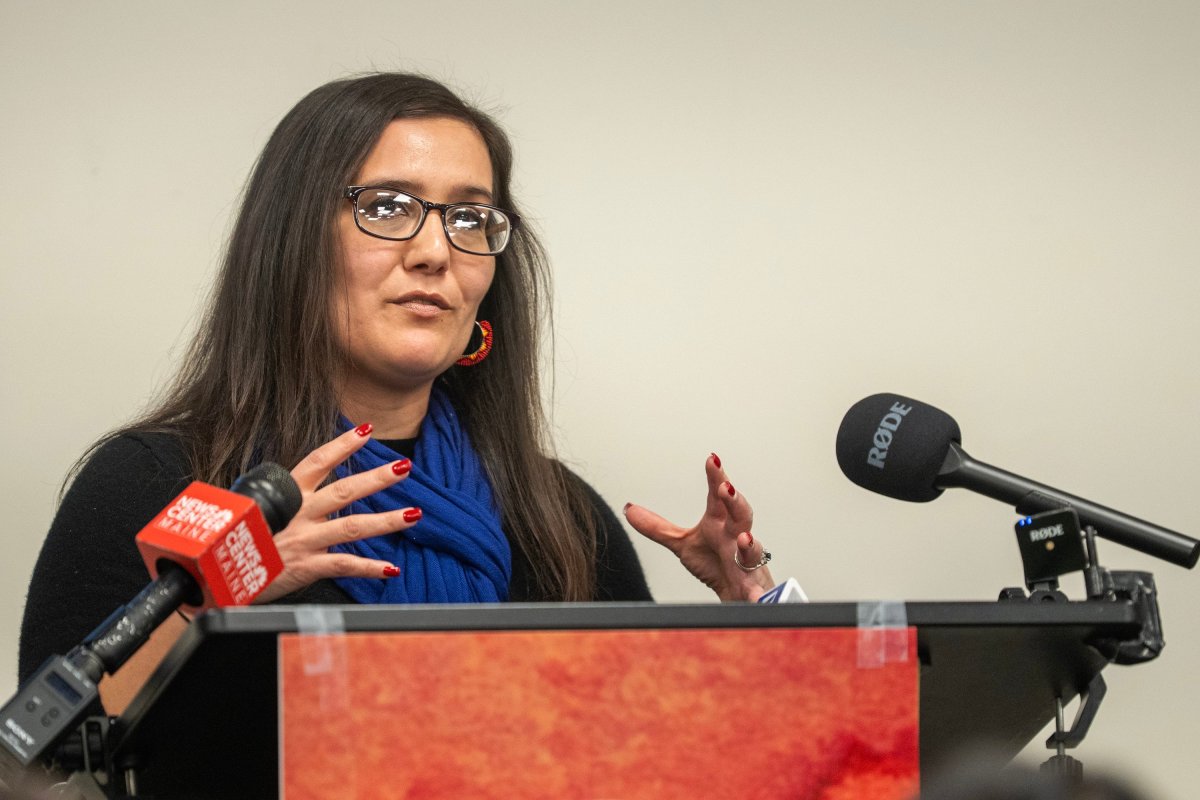
Wabanaki Alliance Executive Director Maulian Bryant said at a Tuesday news conference at the State House that she is hoping the bills receive a hearing this month. Given Gov. Janet Mills’ past resistance to sweeping tribal sovereignty measures, it’s unclear whether the bipartisan bills have a viable pathway this session to becoming law.
Instead, Bryant seems to have an eye on the horizon.
She said the Wabanaki Alliance is working to “keep this issue very visible” as the 2026 gubernatorial race gets underway and they look to secure “some real commitments from folks running for office.”
A pair of bills sponsored by Sen. Rachel Talbot Ross, a Portland Democrat, propose changing the 1980 land claims settlement implementing act to restore tribal access to federal Indian law. The proposals carve out potential exceptions for gaming and some environmental regulation, which would remain subject to state jurisdiction.
One bill, LD 785, would implement the remaining changes to the settlement act first recommended in 2020 by a task force of lawmakers and tribal leaders.
Another, LD 395, offers tribal members a pathway to the same federal benefits available to tribes in other states with language that mirrors legislation vetoed by Mills, a Democrat, in 2023. Lawmakers failed to override her veto that year.

Talbot Ross, a long-fighting advocate of the tribes, doesn’t seem willing to wait for the changes. She said the coalition is “absolutely going to get it over the line in 2026” and “will not be back here again to try and move these pieces forward.”
In a critique seemingly aimed, at least in part, at Mills, Talbot Ross called upon “those of us who are involved in the political process: Stop making this a political football.”
The governor’s office didn’t say whether it supported the policy changes, nor did it respond to Talbot Ross’ critique.
“The Governor’s Office has had very productive discussions with representatives of the Wabanaki Nations related to these bills and continues to work closely with them on bill language for consideration by the Legislature,” a spokesman for Mills said in a written statement. “We deeply value the collaboration with the Tribes and share a strong commitment to working together on legislation that benefits the Wabanaki people.”
The Alliance is also looking this session to support the implementation of Maine’s 25-year-old Wabanaki Studies law.
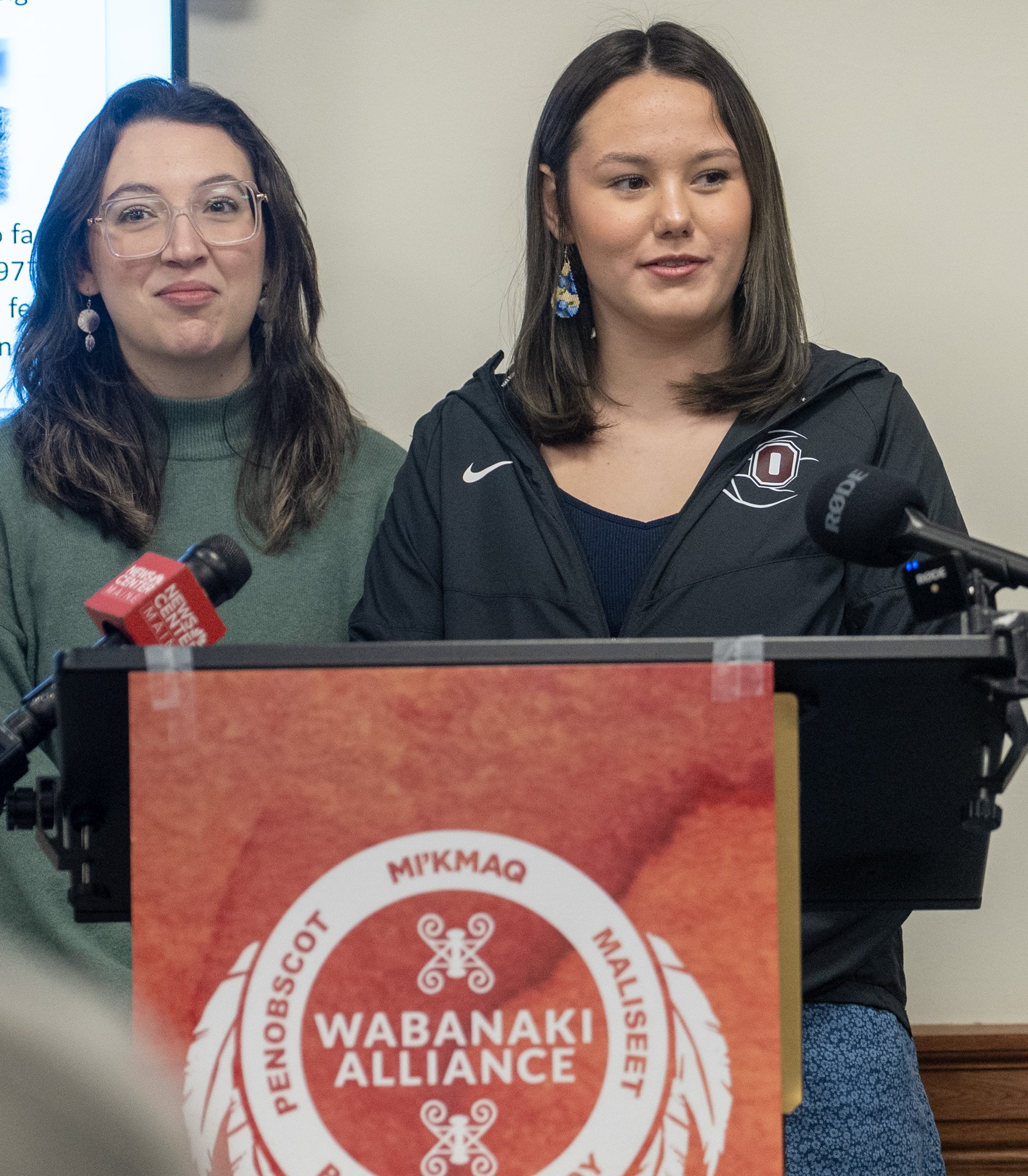
Wabanaki speakers at Tuesday’s news conference, several of whom are younger than the 2001 law, called on lawmakers to fund a bill that passed the House last session and was held over by the Senate awaiting funding.
“The passage of LD 291, the first Wabanaki studies law, was supposed to guarantee that every student in what is now called Maine received education surrounding the history and existence of the Wabanaki,” said Mak Thompson, 25-year-old citizen of the Mi’kmaq Nation. “This is not what has happened. Any education regarding the first peoples of our land has been greatly neglected.”
A bill to fund the development and incorporation of teaching materials, sponsored by Rep. Laurie Osher, D-Orono, would set aside $322,000 for the Department of Education to create Wabanaki studies curricula and help school districts incorporate Wabanaki voices into the material.
It is unclear whether lawmakers will fund the proposal.
Bryant also spoke briefly on proposed legislation that would allow federally recognized tribes to hold conservation easements in Maine.
The bill would enact one of the recommendations made by the Maine Center for Economic Policy in an October 2025 report that made the case for returning land to the Wabanaki Nations.
Reuben M. Schafir is a Report for America corps member who writes about Indigenous communities for the Portland Press Herald.

We invite you to add your comments. We encourage a thoughtful exchange of ideas and information on this website. By joining the conversation, you are agreeing to our commenting policy and terms of use. More information is found on our FAQs. You can update your screen name on the member's center.
Comments are managed by our staff during regular business hours Monday through Friday as well as limited hours on Saturday and Sunday. Comments held for moderation outside of those hours may take longer to approve.
Join the Conversation
Please sign into your CentralMaine.com account to participate in conversations below. If you do not have an account, you can register or subscribe. Questions? Please see our FAQs.