


MADISON — Some residents remain fearful of the possible impacts of a proposed addiction clinic, as town officials now are determining whether the provider’s license application has met the requirements of an ordinance voters approved in 2024.
The Select Board heard concerns from residents about Acadia Healthcare’s proposal for the clinic at 39 Business Park Drive, formerly an animal hospital, at two required public hearings. One was held Jan. 12 and the other Monday night.
Many questions asked at both sessions had been raised before in the nearly two-year process that brought Acadia and town officials to this point. Those include potential impacts on public safety and efficacy of medication-assisted treatment for opioid addiction, such as methadone.
Monday’s meeting turned contentious at times, as a handful of residents peppered Acadia representatives with questions. Town officials stated repeatedly that their obligation is solely to review whether Acadia’s application meets the criteria outlined in the current version ordinance, although they did not rule out future amendments to the regulations.
“You cannot create an ordinance at this point in time to prohibit a business from coming to town,” Town Manager Denise Ducharme told the crowd. “That ship has sailed. We had that opportunity; it did not happen. So, now, we have an ordinance in the books that states, ‘These are the conditions … that must be met before it gets approved.’”
Ducharme said the Select Board may grant just a one-year license, so the town will review annual renewal applications to ensure Acadia’s compliance with the regulations.
Acadia lawyer Brian Rayback, of Pierce Atwood in Portland, also tried to get the conversation focused back on the procedural matter before the board rather than nuts-and-bolts details such as types and dosages of medications. He said Acadia has worked to accommodate the town’s recommendations regarding its plans.
“I would ask that when you go through your analysis, please remember to go back and look at the standards that you have to apply,” he said to the board. “That’s what your town meeting passed.”
The board could have voted on whether to grant Acadia the license after the hearing Monday, but instead decided 4-1 to vote at a future meeting after considering all information and consulting with legal counsel as needed. The board has regularly scheduled meetings Monday, and then Feb. 23.
The town’s ordinance for outpatient substance use disorder treatment programs does not specify a timeline for Select Board action on the application.
Board chair Sally Dwyer, who attended remotely due to illness, was the lone vote against postponing the decision. She said ahead of the vote that Acadia has complied with the ordinance process, Madison residents need its services and people should be careful about making defamatory claims about the business.
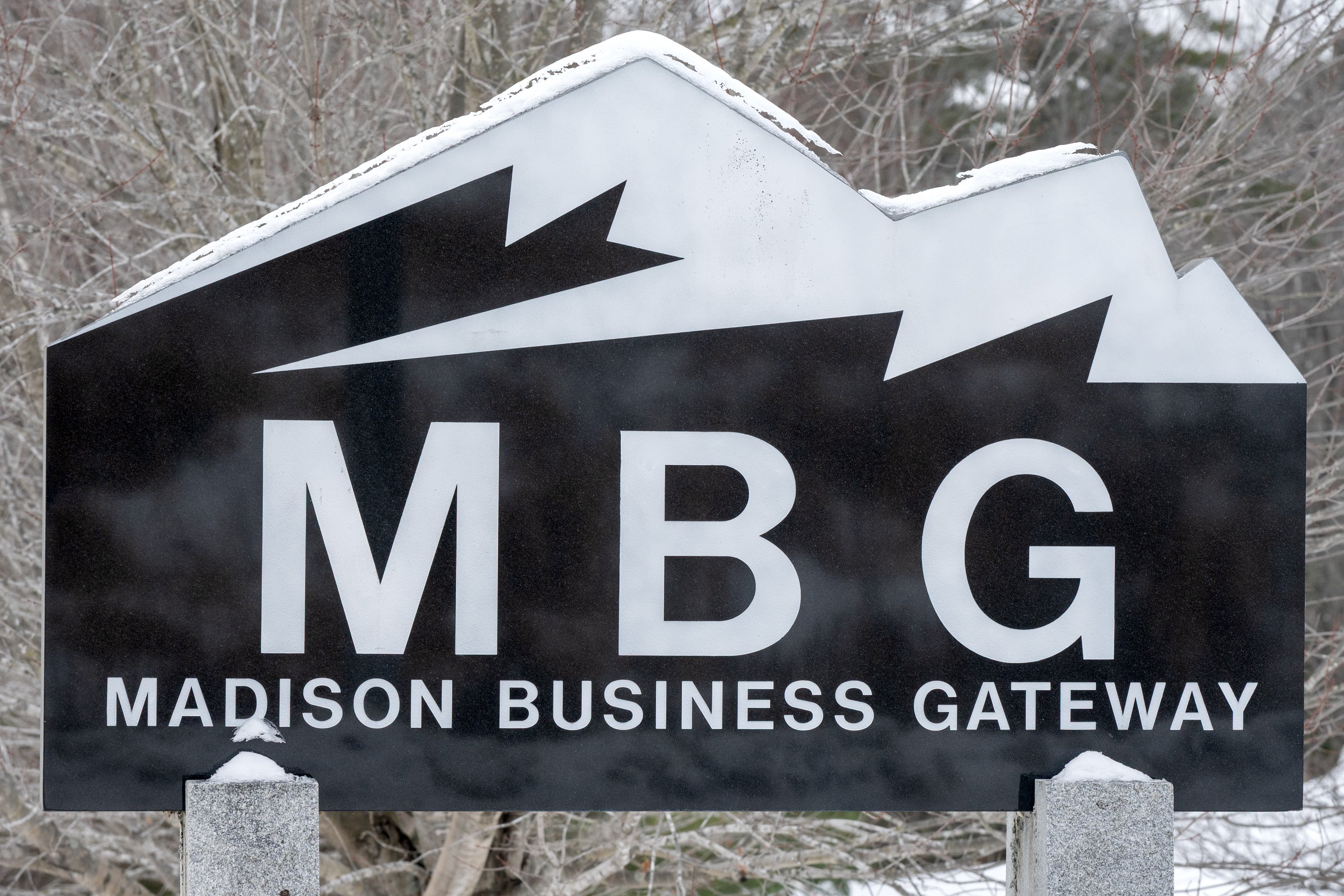
Acadia, a for-profit behavioral health care provider with headquarters in Franklin, Tennessee, and 262 facilities across 39 states, is seeking to open its facility at the Madison Business Gateway industrial park off Route 148.
Acadia executives wrote in application materials submitted in August that the planned clinic is aimed at serving patients with opioid use disorder, “with the goal of supporting long-term recovery, personal stability and reintegration into daily life.”
Services offered at the clinic would largely focus on medication-assisted treatment.
A company representative, Adrienne Sass, said at a previous meeting that treatment would include administering methadone and Suboxone, a combination medication containing buprenorphine and naloxone. Sass, however, said Monday the clinic is expected to provide only methadone, both on-site and in take-home doses.
The drugs are controlled substances used widely to treat opioid addiction in adults. Methadone is typically administered in a daily dose.
Other services for those receiving treatment would include medical evaluations and monitoring, individual and group counseling, and education programs, according to the application.
Acadia’s application also outlined planned security measures, its “Good Neighbor Policy” for patients and required compliance with both state and federal authorities, including the U.S. Drug Enforcement Administration.
Acadia would likely open in Madison in 2027, although it has no target date, a corporate spokesperson said in January.
The company runs six clinics in Maine — in Bangor, Calais, Presque Isle, Rumford, South Portland and Waterville — that are similar to what it plans to open in Madison.
Acadia representatives have said they have eyed Madison for a new clinic because 150 of its Waterville patients live in Madison; the new facility would serve them closer to home. Sass said Monday that in the first year, the Madison clinic would likely serve 50 patients at most, with more over time.
Acadia shifted its sights to the business park location after its initial plans announced in early 2024 to open the clinic at the former Taylor’s Drug Store at 2 Old Point Ave. were met with concern from some residents and town officials.
Acadia was under contract to purchase the property; town officials also considered buying the building later in 2024 but ultimately decided against pursuing the purchase after facing public scrutiny.
Those opposed to the clinic at 2 Old Point Ave. were concerned about the impacts of it being at a major intersection near schools and businesses. More than 200 residents signed a petition asking Acadia to rethink the downtown location.
At the annual town meeting in June 2024, voters, nearly unanimously, enacted a 180-day moratorium that prohibited the opening of facilities that dispense controlled substances. That gave town officials time to develop the restrictive ordinance, which was then approved at a special town meeting October 2024.
Under the approved ordinance, such facilities can be located only on the eastern side of the Madison Business Gateway and on the 2 1/2-mile stretch of U.S. Route 201 between White School House Road and the Skowhegan town line. On U.S. Route 201, the facility must be at least 500 feet from neighboring structures.
Town officials were aware Acadia was considering the business park site as an alternative when the moratorium was in place and the ordinance was developed.
Select board member John Martins, who before being elected helped lead the petition effort that led Acadia to reconsider its original plans, said Monday he sympathized with people’s concerns but the board does not have much of a choice in its decision.
“Our hands are pretty much tied by what we came up with at that time, initially,” Martins said. “I hear what you guys are saying. I’m really sorry you guys feel that way. But as a board, we have to just follow what we — you guys — put in place.”

We invite you to add your comments. We encourage a thoughtful exchange of ideas and information on this website. By joining the conversation, you are agreeing to our commenting policy and terms of use. More information is found on our FAQs. You can update your screen name on the member's center.
Comments are managed by our staff during regular business hours Monday through Friday as well as limited hours on Saturday and Sunday. Comments held for moderation outside of those hours may take longer to approve.
Join the Conversation
Please sign into your CentralMaine.com account to participate in conversations below. If you do not have an account, you can register or subscribe. Questions? Please see our FAQs.