

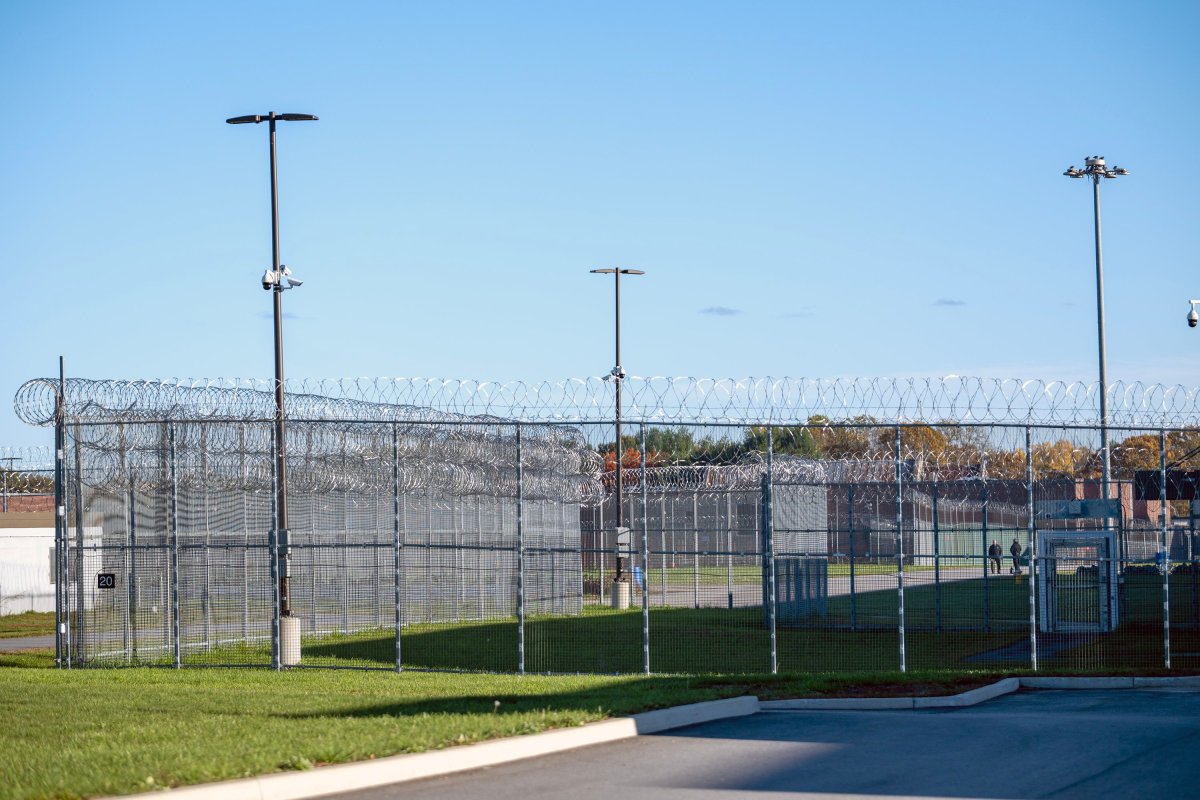
Maine is one of four states joining a national initiative to improve education and job opportunities for people with records of arrest, conviction or incarceration, a program that comes with up to $4 million in private funding.
The grant comes through Fair Chance to Advance, an effort from the national nonprofit Jobs for the Future to remove barriers to education and fair employment for the 70 million people in the United States who have a history of arrest or incarceration, and who face significant barriers to accessing education or quality jobs.
In Maine, incarcerated people are an important piece of addressing the state’s workforce challenges, said Colleen Coffey, who oversees education and advancement in a joint position between the Maine Department of Corrections and the state’s community college system. Making fair-wage jobs accessible to people who have been arrested or incarcerated is critical to improving the state’s trade worker shortages, she said, and improving the lives of people impacted by the justice system.
“It’s about helping people to recognize their full potential, which benefits all of us,” she said.
Along with Kansas, North Carolina and Oregon, Maine was selected to be in the inaugural group of states that will work over the next four years to create better ways to connect current and formerly incarcerated people to jobs and education. Coffey said that could include trades training programs inside correctional facilities, and partnerships with local employers.
The state will also have to develop a public dashboard with comprehensive data from various state agencies, including employment, incarceration and education rates.
The Fair Chance to Advance award is for $2.1 million, plus an additional $1.8 million in technological assistance to create the dashboard.
Maine’s program will be overseen by a five-member advisory board, made up entirely of people directly impacted by the justice system, and guided by eight stakeholder groups, including one composed completely of people with a history of incarceration. Coffey said she’s committed to having formerly incarcerated people across the other groups as well.
Bruce Noddin, the first-ever reentry coordinator at the Department of Corrections, said Fair Chance to Advance is an exciting opportunity for Maine agencies to collaborate and share data.
The zeal to collaborate was already demonstrated during the application process, he said, when the DOC received more than 50 letters of commitment from state agencies, lawmakers, the governor and the attorney general.
Noddin said the department is also excited about its upcoming participation in Reentry 2030, a related program through the The Council of State Governments’ Justice Center to reform how states support individuals after incarceration.
He said that initiative will be an important supplement to Maine’s efforts on education and workforce, which can only be successful when coupled with support for underlying issues like addiction or mental health problems.
“Even if folks have the best job possible and a place to live and food on the table, if we don’t address their substance use challenges, then that wonderful planning and training you’ve invested in can collapse,” Noddin said.

We invite you to add your comments. We encourage a thoughtful exchange of ideas and information on this website. By joining the conversation, you are agreeing to our commenting policy and terms of use. More information is found on our FAQs. You can update your screen name on the member's center.
Comments are managed by our staff during regular business hours Monday through Friday as well as limited hours on Saturday and Sunday. Comments held for moderation outside of those hours may take longer to approve.
Join the Conversation
Please sign into your CentralMaine.com account to participate in conversations below. If you do not have an account, you can register or subscribe. Questions? Please see our FAQs.