

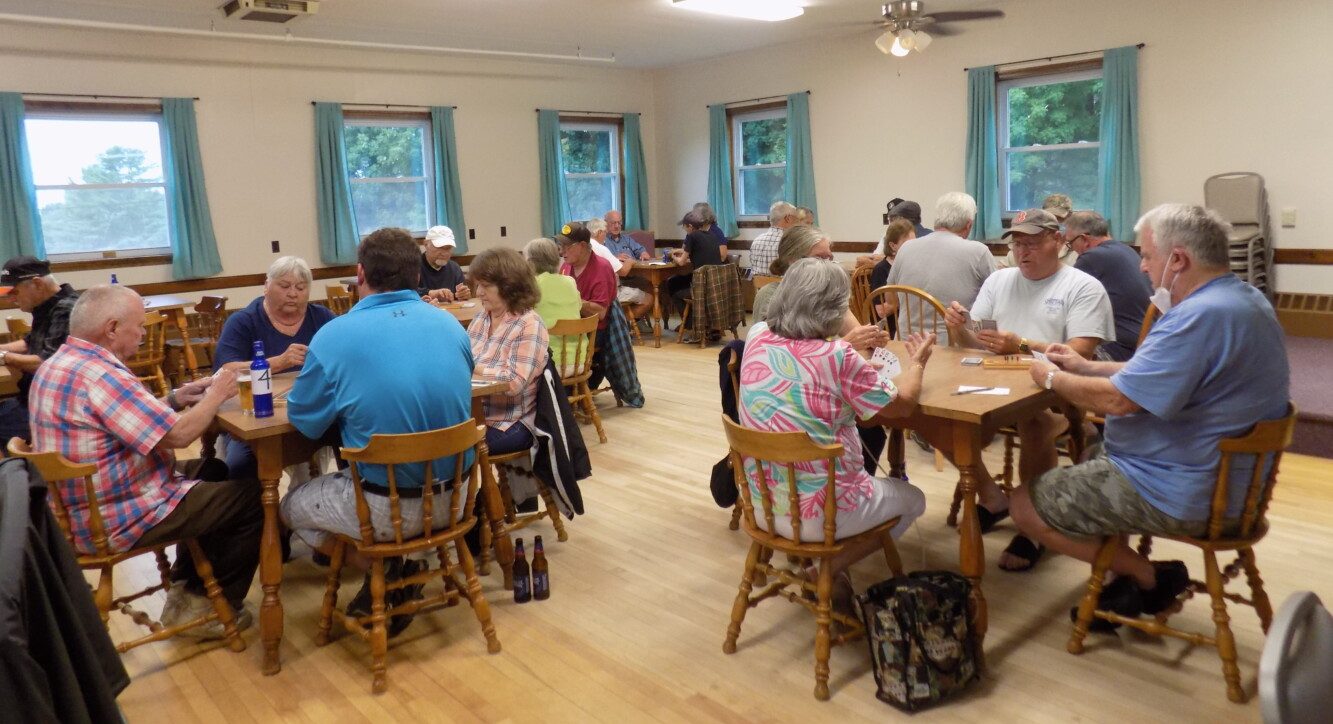
On weeknights in small-town halls, veterans’ posts and community centers, the sounds are familiar: cards being shuffled, pegs clicking into wooden boards, numbers called out over quiet conversation. Games like bingo and cribbage continue to bring people together across western and central Maine, offering simple, low-cost ways for neighbors to connect.
Both games are easy to learn, inexpensive to play and welcoming to newcomers, qualities that have helped them remain staples of community life for generations. In towns where social spaces can be limited, especially outside the summer months, these gatherings provide a dependable rhythm to the week.
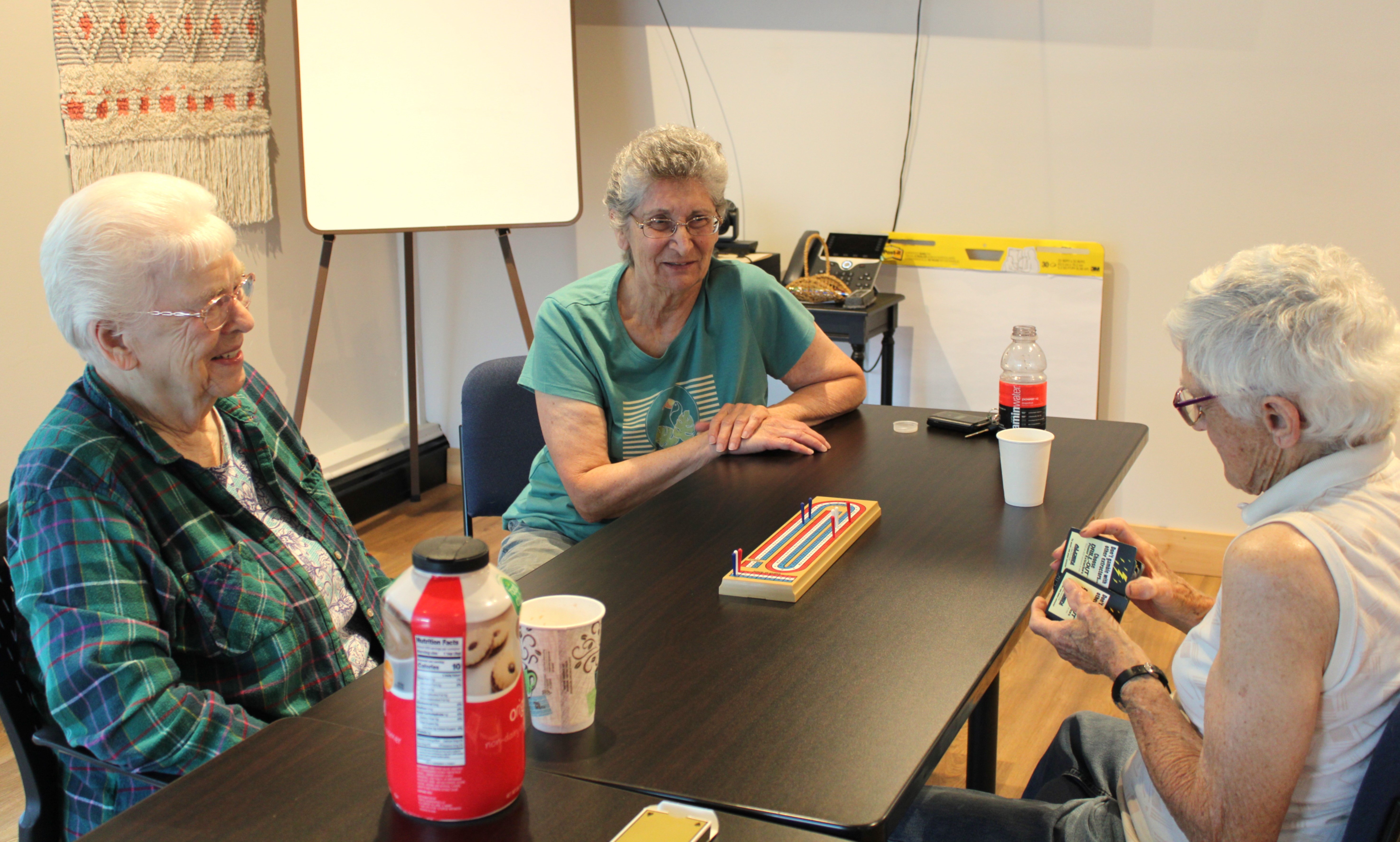
Across the region, bingo and cribbage are played regularly and seasonally in informal, community-run settings. Many are volunteer-led, with long-running traditions that quietly persist year after year.
In Jay, players gather for cribbage at VFW Post 3335 on Tuesday evenings, with games typically starting around 6 p.m. The atmosphere is casual, and new players are generally welcome.
In Farmington, the Community Center hosts weekly cribbage games following bingo, often paired with a community lunch. Bingo is also a regular draw in town, including weekly games at the Farmington Elks Lodge.
Elsewhere, bingo and cribbage nights rotate through community halls, veterans’ posts, senior centers and social clubs in towns such as Livermore Falls, Livermore, Fayette, Chesterville, Wilton, Strong, Phillips, Kingfield and Rangeley. Some games run weekly, others monthly or seasonally, depending on volunteers and attendance. Because many events are informal, schedules are often shared through town calendars, posted flyers or word of mouth.
In Fayette, Starling Hall continues to serve as a gathering place for regular community games and events. The Tri-Town Community Calendar lists a Free Family February Brunch and Bingo scheduled for Feb. 16, from 10 a.m. to 1 p.m., during school vacation week. In addition to bingo, monthly board game nights are also held at Starling Hall, offering another low-key option for residents to gather during the winter months.
For many players, finding a game is as simple as stopping by a town office bulletin board, checking a local calendar, or asking at a veterans’ post or senior center.
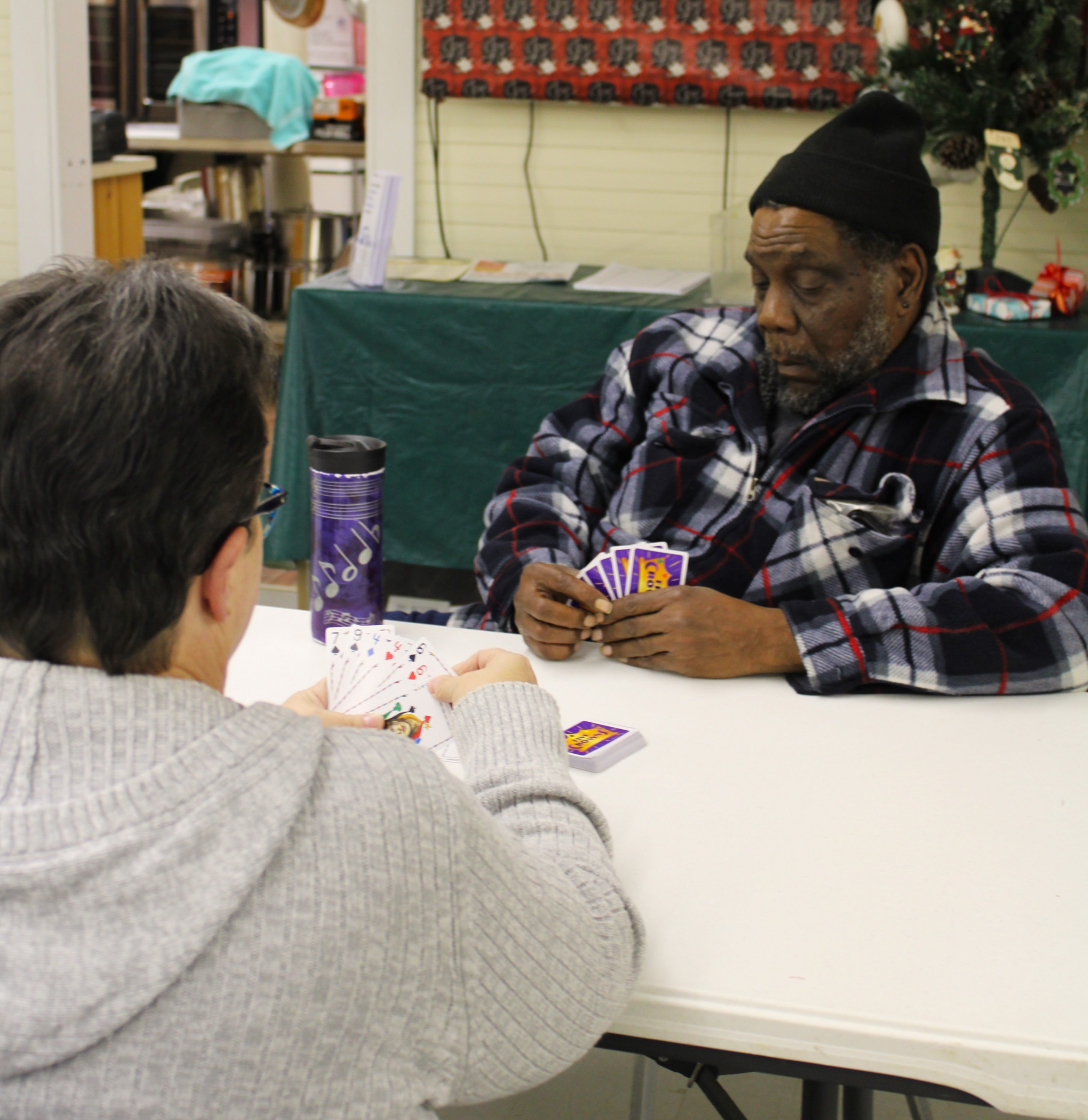
What bingo and cribbage share, beyond cards, is accessibility. Neither game requires specialized equipment or experience. People can drop in, learn quickly and participate without feeling out of place.
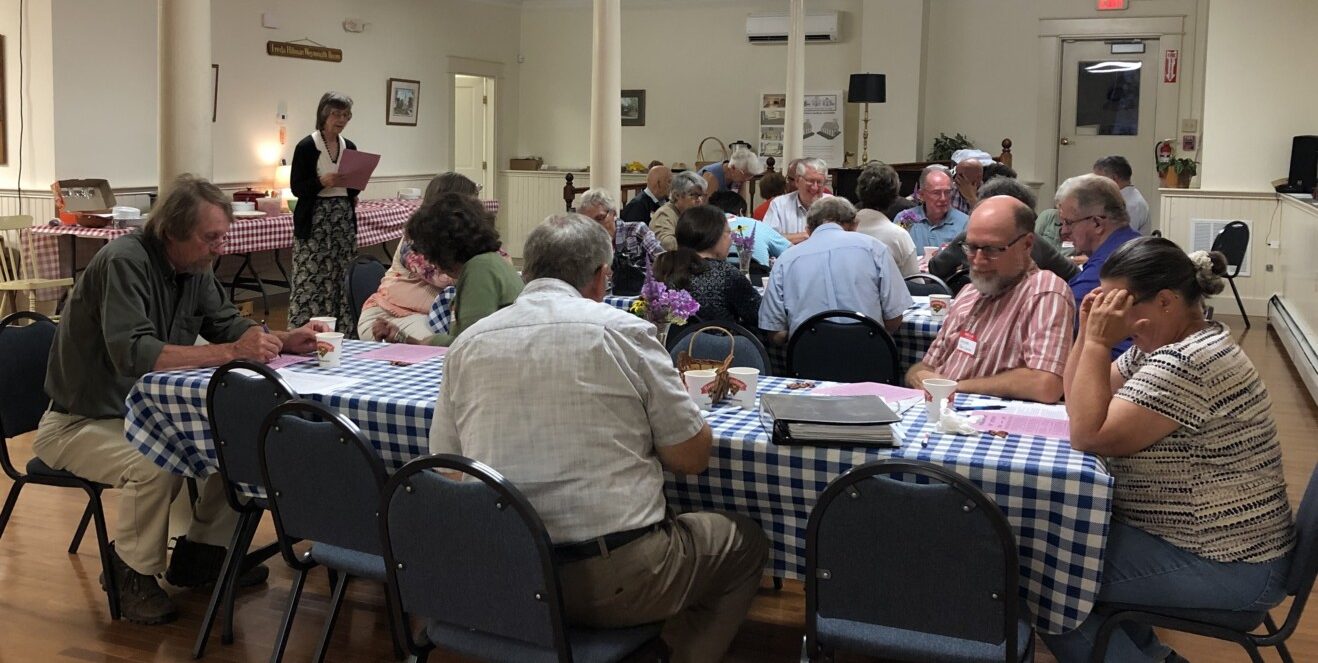
In small towns, these gatherings often fill an important social role, especially in winter. They offer routine, face-to-face interaction and a reason to leave the house, even on cold nights. Regular players often note that the games matter as much for the conversation as for the competition.
They also bridge generations. It’s not uncommon for longtime players to sit at the same tables as newcomers, with rules and scoring explained along the way. That informal mentorship helps sustain the games and keeps them open rather than exclusive.
GAMES TAKE ROOT
Bingo traces its roots to European lottery-style games dating back several centuries. The modern version became popular in the United States in the early 20th century, spreading rapidly through churches, social clubs and community organizations.
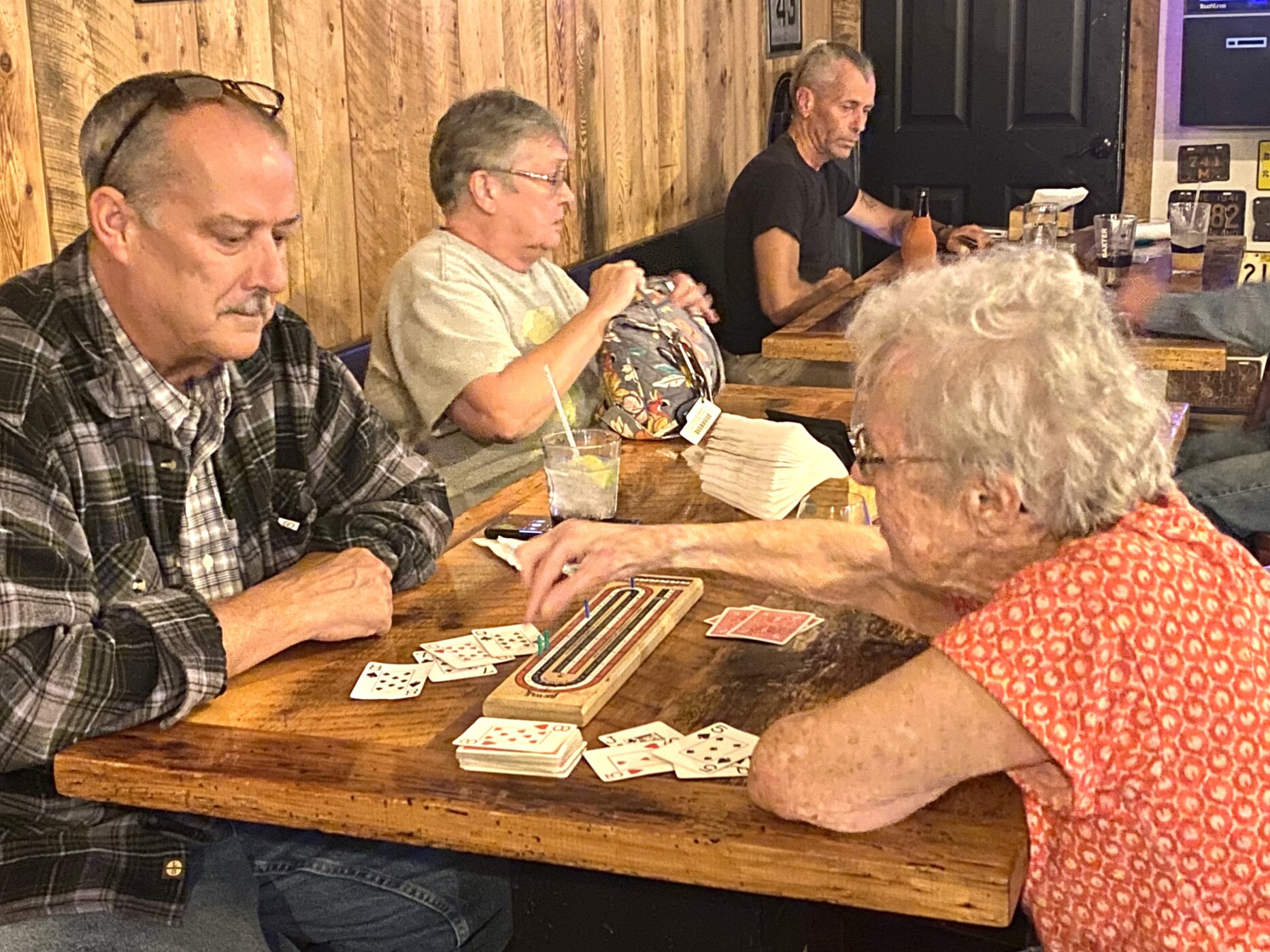
The appeal was straightforward: Bingo could raise funds, entertain large groups and require very little setup. Cards were inexpensive, rules were simple and games could be run by volunteers. That same practicality helped it become a fixture that continues today.
In many communities, bingo nights have long served a dual purpose: entertainment and fundraising, supporting everything from youth programs to veterans’ organizations.
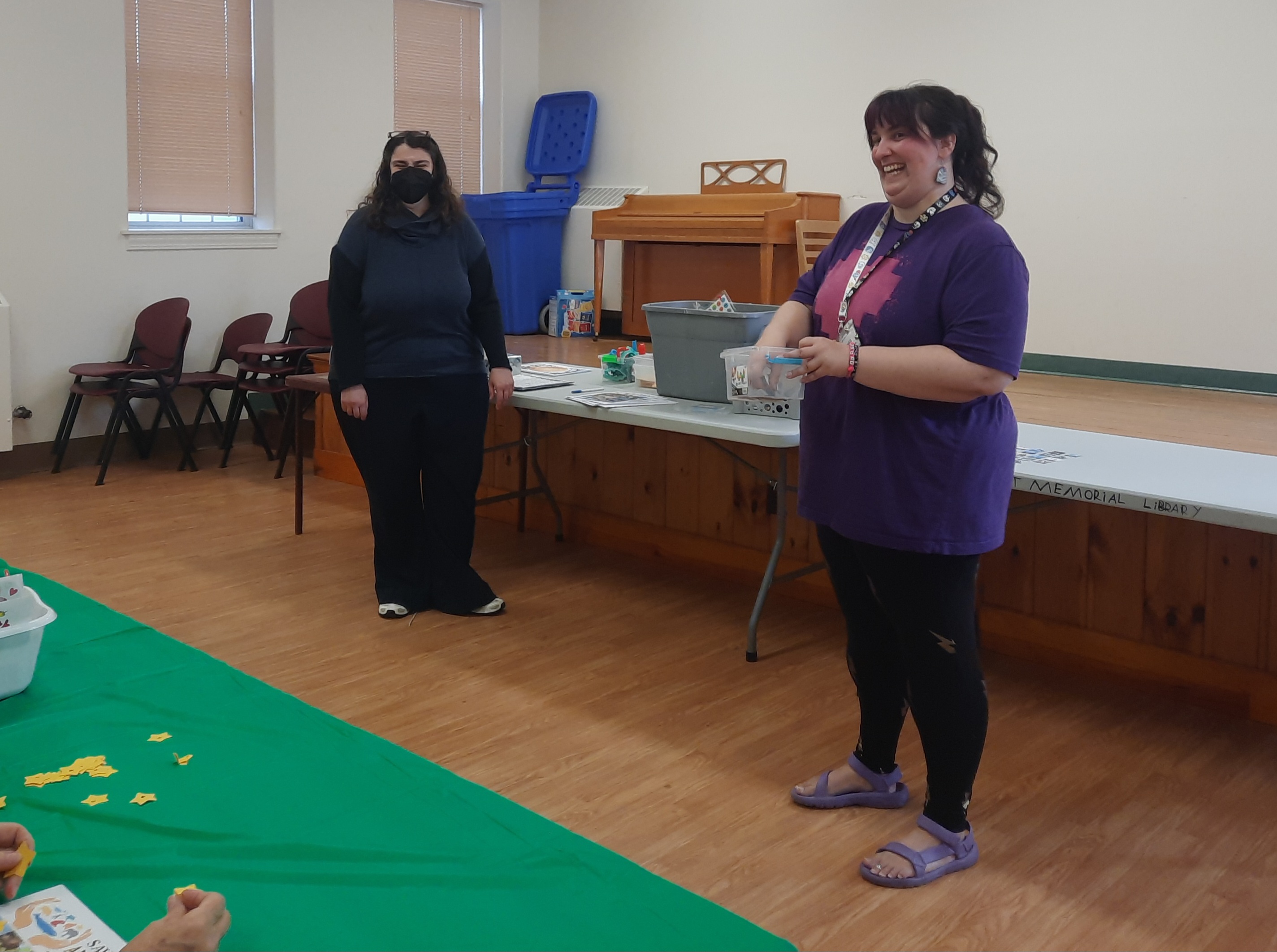
Players receive cards marked with numbers arranged in columns. A caller announces numbers at random, and players mark matching numbers on their cards. The goal is to complete a specified pattern, such as a straight line, and call out “bingo” first.
Because rounds move quickly and require little strategy, bingo works well for groups of mixed ages and experience levels. Players can join midevening, sit out a round or play several cards at once, depending on preference.
Cribbage predates bingo by centuries. The game originated in 17th-century England and is commonly credited to poet Sir John Suckling. Unlike most card games, cribbage uses a pegboard to track scores, a feature that made it practical in taverns, ships and other settings where paper score keeping was inconvenient.
The game later became closely associated with naval and military culture, contributing to its long-standing presence in veterans’ halls and fraternal organizations. That history continues to shape where cribbage is played today.
Also, cribbage’s portability and simple scorekeeping made it especially well suited to Maine’s working waterfronts, mills and veterans’ halls.
It is most often played by two people, though three- and four-player versions are common at community games. Each player is dealt six cards and discards two into a shared hand known as the “crib.” Players then take turns laying down cards, scoring points during play for combinations such as cards that add up to 15, pairs, runs or reaching exactly 31. After the pegging phase, players score their hands and the crib, advancing pegs along the board. The first player to reach 121 points wins.
While the rules are simple, strategy develops with experience, which keeps longtime players engaged and returning week after week.
Community cribbage games often adapt to turnout. Four-player games are usually played in pairs, while some groups shorten games to allow more rounds in an evening. New players are typically shown the ropes as they play rather than being expected to learn everything in advance. Etiquette tends to be informal. Players announce points as they peg, miscounts are corrected politely and teaching newcomers is considered part of the game rather than an interruption.
Central/western Maine cribbage
• Cribbage (Poland) — The A. B. Ricker Memorial Library offers cribbage, with days and times to be confirmed.
• Post 33 American Veterans (Jay) — Bingo every Sunday at 12:30 p.m.
• George Bunten Post 10 American Legion (Livermore Falls) — George Bunten Post 10 American Legion hosts cribbage, karaoke and meals. Reach out to confirm the days and times.
• Ambition Brewing (Farmington) — Ambition Brewing is bringing back Cribbage Night at 6 p.m. and hosting a Comedy Night with Ian Stuart on Feb. 28.
• SeniorsPlus (Wilton) — SeniorsPlus offers regular social game opportunities, including Coffee and Cribbage, Game Day with board and card games, and occasional trivia sessions designed to bring people together for low-key, community-based activities.
• Farmington Elks Lodge (Farmington) — Farmington Elks Lodge sometimes hosts cribbage nights. The Farmington Elks Lodge hosts bingo every Monday, with doors opening at 3:30 p.m. and games starting at 4:50 p.m.; questions can be directed to the lodge at 207-778-6761
• The Phillips Area Community Center (Phillips) — The PACC hosts community cribbage events from time to time.
Cribbage tournaments and bingo (statewide)
Augusta area
• Old Hallowell Day Cribbage Tournament (Hallowell) — Annual tournament during Old Hallowell Day, held mid-July with entries, elimination play and local prizes.
• Buker Community Center (Augusta) — The Buker Community Center in Augusta has programs that include senior cribbage along with other recreational and social activities such as wood carving, pétanque and Texas Hold’em.
• Benevolent Protective Order of Elks 964 (Augusta) — The Benevolent and Protective Order of Elks Lodge 964 hosts bingo from time to time in its banquet room and serves food throughout the evening.
Auburn/Lewiston area
• Craft Brew Underground (Auburn/Lewiston) — A fun twist on traditional play where “worst is first,” reported in regional community group calendars.
• Hopper’s (Lewiston) — Hopper’s hosts Cribbage Night, a lively weekly event that draws players and spectators alike, with plenty of food and friendly competition.
• LYAF Bingo (Lewiston) — Located at 475 Pleasant St., hosts regular bingo games for the community.
Portland and throughout Maine
• Foundation Brewing Co. (Portland) — Foundation Brewing Co. hosts Beer Bingo nights featuring games, music and pizza, with details available through the brewery at 207-370-5180.
• The Ellsworth Elks Lodge (Ellsworth) — The Ellsworth Elks Lodge hosts a cribbage tournament and learn-to-play event, with registration at noon, tournament play beginning at 1 p.m. on March 1, and proceeds benefiting Ride for a Cure.
• Portland Elks Lodge 188 (Portland) — Portland Elks Lodge hosts bingo every Tuesday, with doors opening at 9 a.m., paper sales at 10 a.m. and games beginning at noon, with lunch and snacks available.
• Friends of Community Fitness (Guilford) — Bingo Night is held on the second Tuesday of each month at 6:30 p.m. at Friends of Community Fitness with prizes and a 50/50 raffle; for more information call 207-876-4813.
Many American Legion and VFW posts across Maine hold regular bingo nights year-round, often every week in towns large and small.

We invite you to add your comments. We encourage a thoughtful exchange of ideas and information on this website. By joining the conversation, you are agreeing to our commenting policy and terms of use. More information is found on our FAQs. You can update your screen name on the member's center.
Comments are managed by our staff during regular business hours Monday through Friday as well as limited hours on Saturday and Sunday. Comments held for moderation outside of those hours may take longer to approve.
Join the Conversation
Please sign into your CentralMaine.com account to participate in conversations below. If you do not have an account, you can register or subscribe. Questions? Please see our FAQs.