

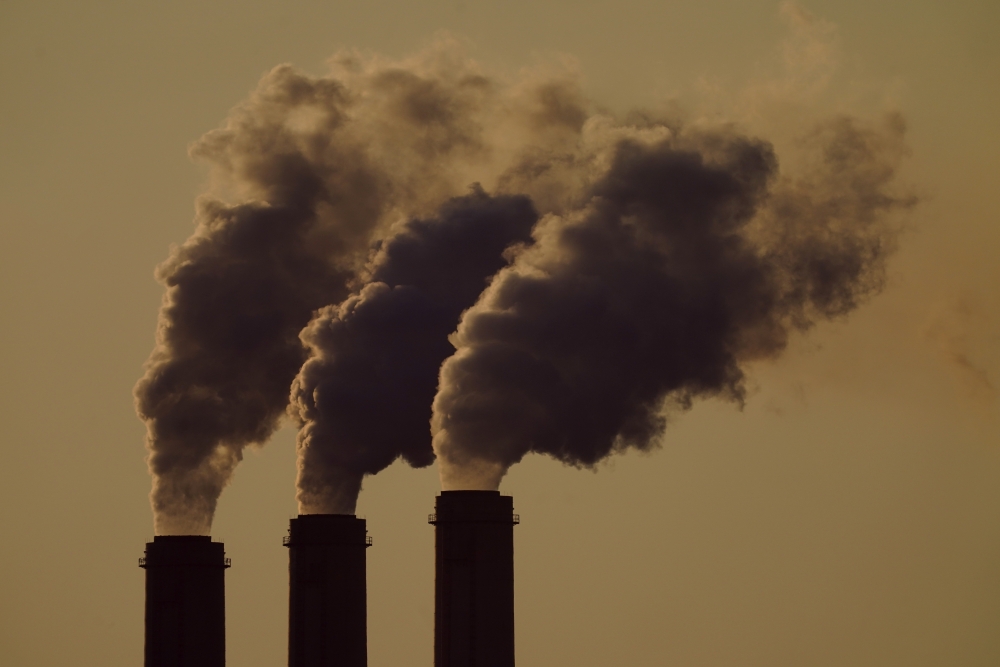
The Environmental Protection Agency’s repeal of the legal basis for federal climate protections, announced Thursday, has cleared a path for upwind industrial polluters to send a wave of toxic exhaust into Maine — a state that already grapples with one of the highest asthma rates in the nation.
Maine has strict clean air regulations and few big polluters, but the EPA’s rollback of the landmark 2009 determination that greenhouse gases threaten public health will strip the federal emission limits off upwind smokestacks and tailpipes in the deregulated Midwest and South.
“Maine is already called the ‘tailpipe’ of the nation because of the air pollution that flows from other states into our atmosphere, and this misguided action will only make it worse,” Gov. Janet Mills said in a statement Thursday responding to the EPA announcement.
The EPA’s reversal of its so-called endangerment finding neutralizes the agency’s own authority to fight climate change. Without federal “Good Neighbor” protections, Maine families will face “dirtier air, poorer health, rising temperatures and extreme weather events,” Mills said.
The stakes are particularly high for the 162,000 Maine residents with asthma — a group already vulnerable to the increased respiratory risks caused by industrial emissions, according to “Damaging Maine,” a September report from the Natural Resources Council of Maine.
The increased soot and smog will likely exacerbate those asthma risks, causing more emergency room visits, hospitalizations and premature deaths for people with asthma, allergies and other respiratory difficulties, as well as older Mainers, according to the report.
National supporters of the EPA’s decision have focused on the potential economic benefits of the rollback.
EPA Administrator Lee Zeldin framed what he called the “largest deregulatory action in American history” as a $1.3 trillion victory for the American consumer at a White House ceremony Thursday. He said it will slash the price of a new vehicle by an average of $2,400.
While the U.S. Chamber of Commerce has questioned the legal basis of the endangerment rule, calling it the “root cause of the absurdity” in overreaching environmental regulations, some of Maine’s business leaders argue that environmental protection is not an economic death sentence.
“The Maine State Chamber of Commerce strongly supports federal action to reduce greenhouse gas emissions and supports congressional action to create a long-term predictable regulatory framework that reduces these emissions across all the states,” Patrick Woodcock, executive director of the chamber, said in a written statement Friday.
Jeff Marks recalls his days as a lobbyist for the National Association of Manufacturers, where he said “doom and gloom” predictions of economic ruin were regularly used to stall environmental progress and shield or even benefit fossil fuel producers and industrial polluters.
But now, as the executive director of ClimateWork Maine, Marks says “economic success and environmental improvements go hand in hand.” A clean energy economy would be a much more reliable driver of state growth than the “junk science” coming out of Washington, he said.
The deregulation extends beyond heat-trapping gases. Critics point to the fact that the EPA has already deemed 546 polluting facilities eligible for exemptions from Clean Air Act rules, a move the Union of Concerned Scientists warns could expose millions to higher cancer risks.
In Maine, where the economy is tied to the health of forests, farms and coastal fisheries, such a “disregard for the dangers of greenhouse gas emissions defies science, law and reality,” according to Attorney General Aaron Frey, who spoke about the pending EPA ruling last summer.
A dozen Maine-based public health and environmental groups ranging from the Maine Medical Association to the Appalachian Mountain Club issued a joint statement that accused the EPA of “giving a handout to the fossil fuel companies responsible for high energy costs.”
“Instead of weakening Clean Air Act protections, we should be moving quickly to safeguard the health of people, wildlife and the environment by advancing cheaper sources of clean energy like wind and solar,” the groups said in a statement Wednesday.
The battle now moves from the Roosevelt Room of the White House to the courtroom, where an array of environmental organizations like Earthjustice and the Conservation Law Foundation are preparing to argue against the reversal.
Maine has joined past legal actions to defend the EPA’s Good Neighbor protections. But in 2024, the U.S. Supreme Court blocked the Biden-era EPA from forcing emissions-reduction standards on states that failed to come up with a plan to prevent cross-border pollution.
Though Republicans in Washington have proposed slashing federal funding for clean air programs by nearly half, Maine officials are vowing to maintain climate progress at the state level, even as the air drifting over the borders grows thicker.
“Unlike the federal government, my administration will acknowledge good science,” Mills said Thursday, “and never back down from taking action to combat climate pollution to protect our people, our environment and the future of our children.”

We invite you to add your comments. We encourage a thoughtful exchange of ideas and information on this website. By joining the conversation, you are agreeing to our commenting policy and terms of use. More information is found on our FAQs. You can update your screen name on the member's center.
Comments are managed by our staff during regular business hours Monday through Friday as well as limited hours on Saturday and Sunday. Comments held for moderation outside of those hours may take longer to approve.
Join the Conversation
Please sign into your CentralMaine.com account to participate in conversations below. If you do not have an account, you can register or subscribe. Questions? Please see our FAQs.