

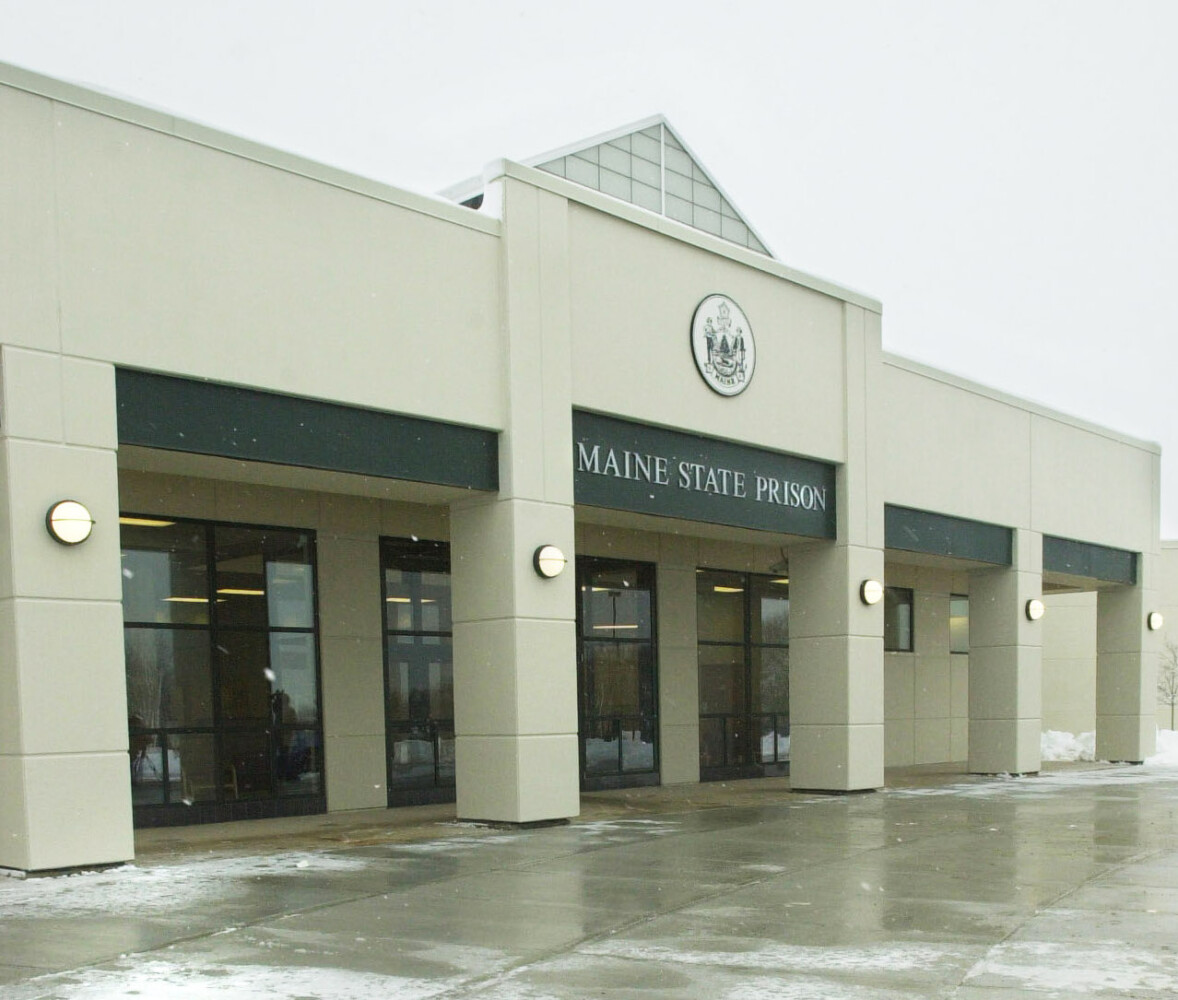
Maine’s prison system is increasingly known for progressive policies that allow incarcerated people to vote and earn degrees, and for those who meet certain criteria to work remotely and live relatively independently.
Yet Maine is also among a minority of states where people in prison cannot make a case for parole when they believe they’ve been substantially rehabilitated.
For decades advocates have tried to change that through legislation, but after their latest effort failed to gain the support of the Judiciary Committee this week, Rep. Nina Milliken is acknowledging defeat.
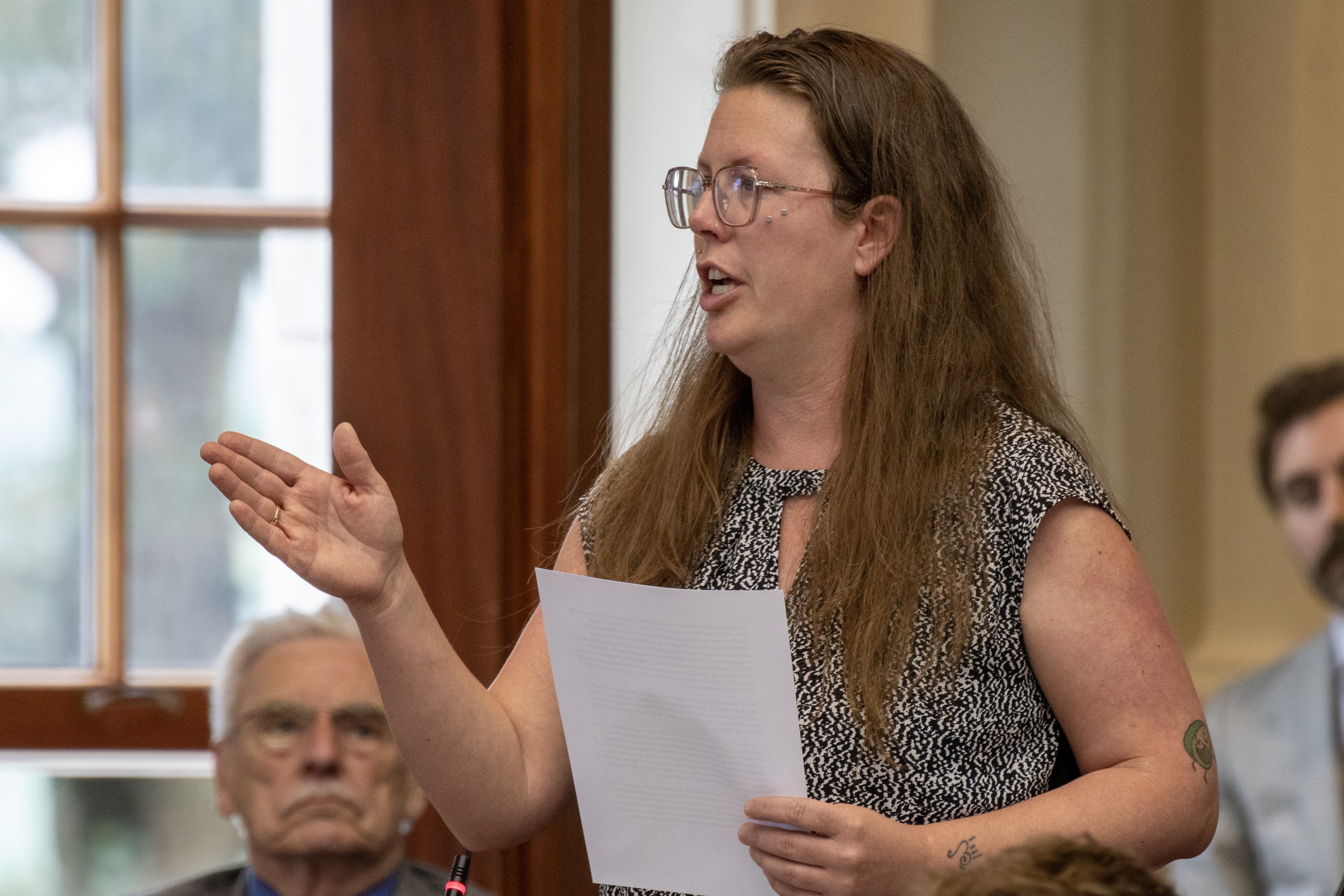
“I was disappointed that I lost so many Democrats on it,” said Milliken, D-Blue Hill, who is the main sponsor of the proposal to bring parole back to Maine.
Despite championing this effort and being a passionate advocate for it, she said she knew it wasn’t going to become law as long as Gov. Janet Mills is in office. Mills, also a Democrat, and the Department of Corrections have opposed efforts to bring back parole for several years. They said in a written statement that this year’s bill is “unnecessary” given other existing mechanisms to reduce sentences.
Milliken’s proposal will still go to the full state House and Senate for consideration, but the lawmaker is already thinking ahead about how else she could actually get parole restored in Maine. She and other advocates believe a majority of Mainers are under the false impression that parole already exists here, so she is considering ways to bring the issue directly to voters in a future election.
50 YEARS WITHOUT PAROLE
Maine eliminated parole for offenders starting in 1976 as part of a massive rewrite of the state’s criminal justice code meant to better align the length of a sentence with the severity of a crime. So-called determinate sentencing, without the possibility of parole, would put the focus on punishment.
It reflected “widening consensus among prison professionals around the nation that rehabilitation doesn’t work and that prisons must have only two functions: Confining the criminal and protecting society from his misdeeds,” according to a newspaper article at the time.
Eliminating parole did result in people serving more time and it contributed to a higher burden on the correctional system, according to a review by the U.S. Department of Justice in 1983. More recently Maine has established an alternative program that allows people to leave prison with 30 months remaining on their sentence if they meet certain criteria. It’s known as Supervised Community Confinement (SCCP).
Over 600 people have transitioned out of prison to serve the end of their sentences in the community over the past five years, according to the DOC. That’s a significant number given about 2,000 people are in Maine’s prisons at any given time.
But Brandon Brown, an advocate for parole who was formerly incarcerated and was released through SCCP, said it doesn’t allow the same lengths of time to reduce a sentence that parole would afford, and it’s governed by the Department of Corrections instead of an independent parole board that would weigh a person’s case.
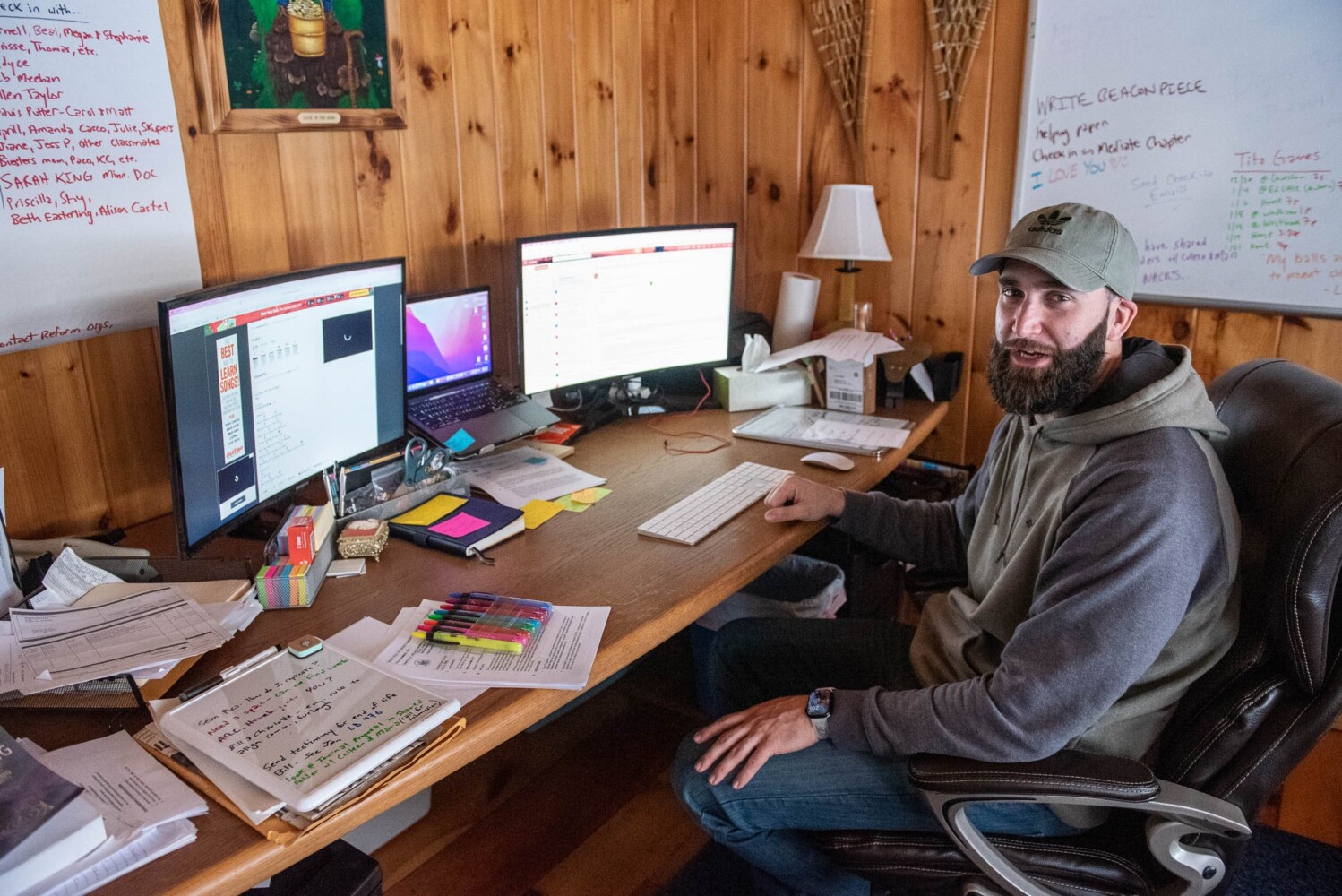
Additionally, the rules that allow prisoners to knock time off their sentences for good behavior don’t add any sort of support for people after they’re released. That’s one way a parole system helps improve public safety, according to Brown.
“You have to meet with a parole officer. You have to maintain a job. That means you need systems in place to find a job,” he said. “So there’s an accountability metric for people on parole.”
Brown estimates a small portion of current inmates would be eligible for parole right away, and not all would have their cases granted.
“The idea that establishing parole would mean the flood gates open is super silly,” he said.
OPPOSITION TO BILL OVER IMPLEMENTATION, RETROACTIVITY
On Wednesday, a majority of Judiciary Committee members voted against the bill to restore parole, including several Democrats who said they were concerned about how it would be implemented. Committee members also raised concerns about how the parole program would co-exist with probation, which is designated by a judge as part of a person’s sentence.
Milliken said she was “surprised” that the Democratic chairs of the committee, Sen. Anne Carney, D-Cape Elizabeth, and Rep. Amy Kuhn, D-Falmouth, both voted against the bill.
Both Carney and Kuhn said they still support the idea of bringing back parole, but in her remarks to the committee Carney said she would only want it to apply to new offenders, not to those who have committed crimes between 1976 and now. She declined an interview request.
All of the Republicans on the committee voted in opposition.
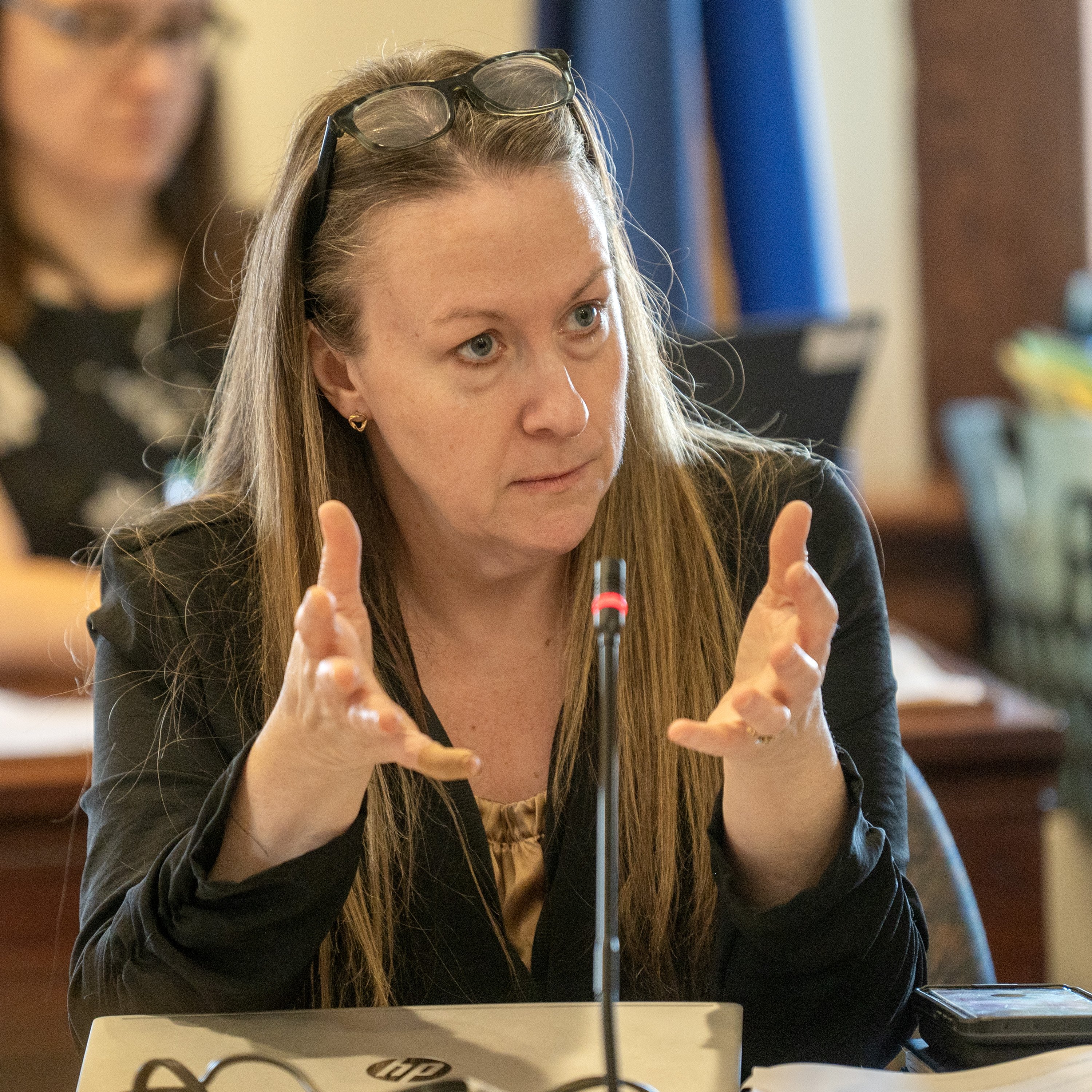
“I’ve had the opportunity to speak to victims’ families who are absolutely horrified at the thought that they may, at some point, be forced to relive what’s happened to them and their loved ones,” said Rep. Jennifer Poirier, R-Skowhegan, in casting her “no” vote.
Mills, a Democrat and longtime former prosecutor, has also been concerned about how a parole system could negatively affect crime victims.
Milliken, who talked publicly about her own experiences as a survivor of sexual violence on the House floor Wednesday, said not all victims of crime agree.
“As a victim myself, I’m the person standing and going, we should support parole,” she said.
Rep. Rachel Henderson, R-Rumford, said her vote against the bill was partly because of the cost of setting up a robust parole system and the fact that it would expand the size of state government. She didn’t have specific figures about the costs relative to the money it takes to incarcerate people for longer periods of time, particularly as they become elderly.
Henderson is also concerned about how Maine could handle substantial criminal justice reform at a time when it is already violating its duty to provide legal counsel for hundreds of cases, a number the state’s top judge said Thursday is still “unacceptably high.” Henderson sees that as a more pressing problem.
“It’s a tender time. It’s not a good time to reconsider how people are sentenced,” she said.
PAROLE ADVOCATES CONTINUE TO PUSH
As someone who was incarcerated and is in regular contact with other people in prison, Brown believes parole is the most important change Maine could make to the criminal justice system.
“At a fundamental level, parole is a way to infuse hope into a carceral setting. It incentivizes rehabilitation,” he said. “It provides a mechanism and an outlet to transform.”
Brown added that the longer someone is locked up, the harder it is to reintegrate into society when they get out. To him, “not having parole is a public safety issue, not the other way around.”
Without parole, advocates say, Maine doesn’t have a mechanism for release that recognizes long sentences given to young offenders and other fundamental biases in the criminal justice system, including what a study by a bipartisan state commission in 2022 called “staggering” disparities in the racial demographics of those who are incarcerated compared with the general population.
The bipartisan commission recommended the state “establish new mechanisms” to release people in a more timely way “who no longer pose a threat to public safety.”
Following the latest defeat at the statehouse, Milliken and Brown believe the ballot box is the best avenue to bring parole back. Though, much like the sweeping legislation that got rid of parole in Maine 50 years ago, Milliken would welcome consideration of much larger criminal justice reform now, this time in favor of rehabilitation and reintegration.
When it comes to the criminal justice system, she said, “I think everyone knows it’s deeply flawed and yet we continue to double down on it.”

We invite you to add your comments. We encourage a thoughtful exchange of ideas and information on this website. By joining the conversation, you are agreeing to our commenting policy and terms of use. More information is found on our FAQs. You can update your screen name on the member's center.
Comments are managed by our staff during regular business hours Monday through Friday as well as limited hours on Saturday and Sunday. Comments held for moderation outside of those hours may take longer to approve.
Join the Conversation
Please sign into your CentralMaine.com account to participate in conversations below. If you do not have an account, you can register or subscribe. Questions? Please see our FAQs.