

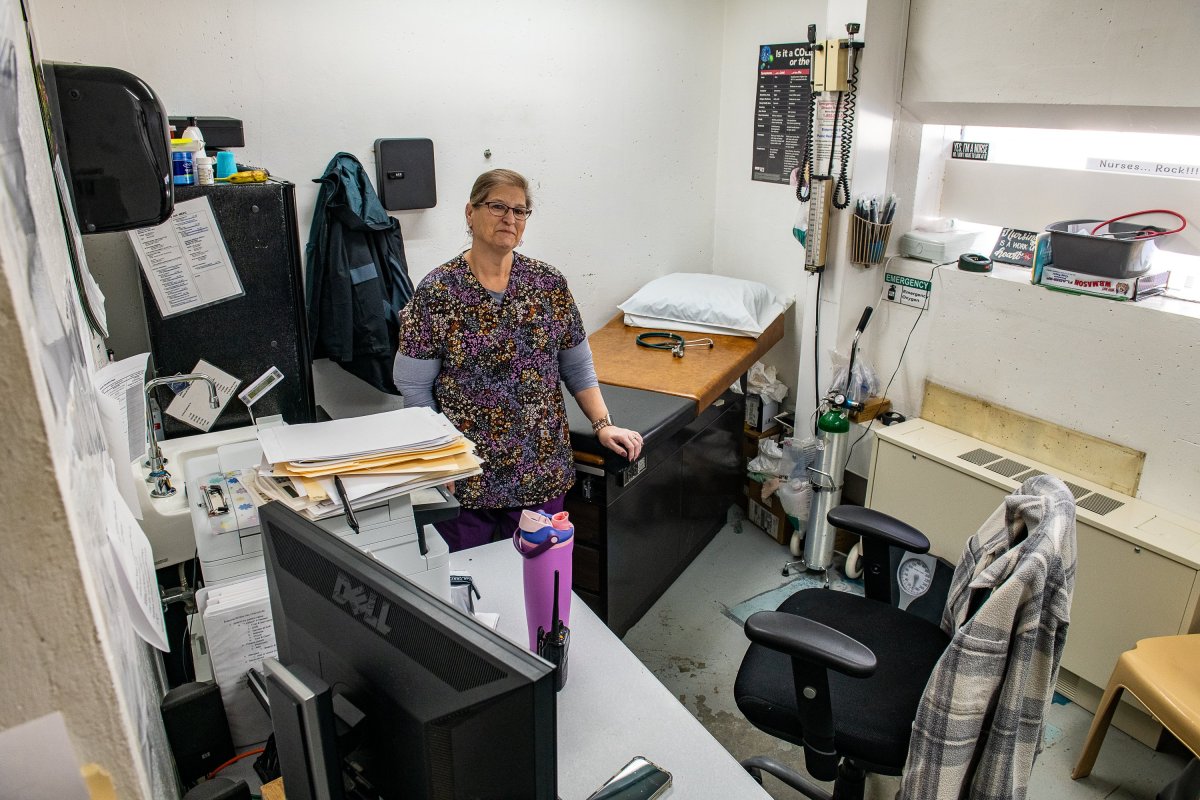
The annual Board of Visitors’ report on the Franklin County jail showed progress on improvements to infrastructure and security upgrades, as well as ongoing challenges with staffing and an aging facility.
The jail had significant upgrades over the past few years that were federally funded, including the addition of three confidential offices for case management and programming, as well as construction of a medical wing.
“2025 saw major changes at Franklin County Detention Center including administration, staffing, and funding from the Cossup grant,” board Chairperson Nancy Allen wrote in an email Wednesday. “While there is still work to be done at the detention center, the Board of Visitors is pleased with progress that has occurred this past year.”
The board’s report, which was submitted in December 2025, followed a year of active oversight, collaboration, and operational improvement at the jail. Franklin County Sheriff Scott Nichols Sr. established the jail’s first Board of Visitors in 2019, as mandated by the state for all county jails to offer feedback to jail administrators.
The board’s members, who include Kenneth Charles, Jan Collins, LeeAnna Lavoie, Ashley Perry, Emmanuel Reis and Amanda Ricci, represent a variety of professions that include medical, law enforcement, prisoner advocacy, education, drug recovery and law.
According to the report’s executive summary, the visitors board observed “measurable progress toward strengthening safety, operational effectiveness, and rehabilitative capacity, while also identifying ongoing infrastructure, staffing, and service needs that warrant continued fiscal consideration.”
Among the key successes noted were progress on long-planned infrastructure improvements. Work on the jail’s new medical wing began in June 2025 and is expected to be finished in April.
The nearly $700,000 addition will replace a space that some commissioners and jail officials described as “big as a closet.” The wing will enhance health care capacity and confidentiality, officials say.
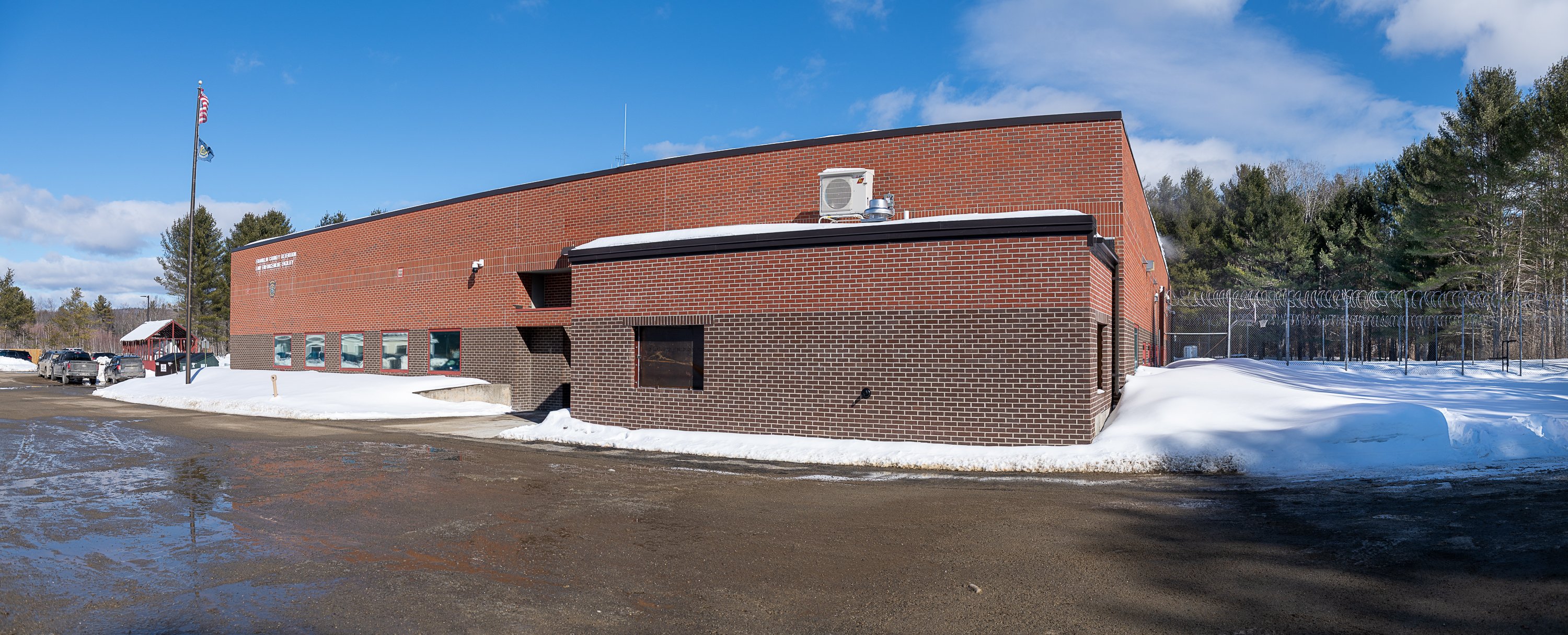
Another project, funded by a three-year $1 million federal grant, created three office and confidential meeting spaces out of a 27-foot closet, improving the jail’s functionality for programming and case management. The grant also pays for staffing to provide services that include better data collection, inmates with substance abuse disorder, and connecting inmates leaving the jail with community treatment resources.
Other upgrades included the security system at the jail, control room enhancements, a new backup generator, and updates to administrative and library spaces.
The report also highlights recruitment and retention efforts that “yielded positive results” last year to the point that jail officials anticipate “reaching full staffing levels by early 2026.”
While highlighting improvements over the year, the report also pointed out challenges at the jail, including limited recreation and visitation space, and the fact that the facility is about 43 years old.
Operational needs include increasing staffing stability, reducing overtime, and enhancing mental health and community reentry services.
“While staffing levels are improving, overtime and coverage demands remain a cost pressure,” the board report states. “Sustaining staffing levels and training investments may help stabilize schedules, reduce overtime reliance, and limit turnover-related costs.”

The board concluded that the center continues to make progress toward “safer operations, improved coordination, and more effective reentry planning.”
The board also acknowledged its awareness of the need for fiscal responsibility, and said it offered its observations in order to help budget deliberations that “balance operational needs, risk management, and long-term cost efficiency.”
Maj. Hart Daley, jail administrator and law enforcement veteran, said Thursday that he appreciates the work of the board. “I like that the Board of Visitors can make recommendations,” he said, noting the feedback gives him ideas on how to make improvements.
Daley noted that since the report was submitted in December, even more progress has been made on goals and projects. And he said he has more in mind for the future as resources become available.
Besides the improvements that have been made, he has a lot more in mind for the future but it takes money, he said, but they are making progress.
For instance, a mental health counselor comes in twice a week to work with inmates. Daley would like to increase that to three days. Even with the two days, the counseling has “created a calming effect,” Daley said, and the “inmates love him.”
Daley would like to buy a body scanner to reduce the number of strip searches required when someone in custody it taken from a secure environment through a public space back to a secure environment, he said. He is putting $20,000 to $25,000 for the scanner in the 2026-27 budget, which starts July 1.

We invite you to add your comments. We encourage a thoughtful exchange of ideas and information on this website. By joining the conversation, you are agreeing to our commenting policy and terms of use. More information is found on our FAQs. You can update your screen name on the member's center.
Comments are managed by our staff during regular business hours Monday through Friday as well as limited hours on Saturday and Sunday. Comments held for moderation outside of those hours may take longer to approve.
Join the Conversation
Please sign into your CentralMaine.com account to participate in conversations below. If you do not have an account, you can register or subscribe. Questions? Please see our FAQs.