

While colleges and universities faced unprecedented challenges in 2025 related to research funding and pressure from the Trump administration, it was a surprisingly good year for endowments, and some of the highest growth rates in the nation happened in Maine.
Endowments grew at all but one of New England’s 55 schools according to an annual analysis from the National Association of College and University Business Officers, and several based in Maine topped the list, reporting as high as 30% growth compared to a national average of about 8.4%.
Endowments are collections of donated funds that a college or university permanently invests to support specific programs or its larger mission in perpetuity. Three colleges in New England beat the roughly 16% growth in the S&P 500 (a market indicator used to determine how stocks are performing) last year, including Thomas College in Waterville, the University of New England in Biddeford and the University of Maine Foundation, which manages the endowment for UMaine in Orono.
A spokesperson for Thomas College said its nearly 40% growth rate for last year is misleading. While the school’s endowment did grow by almost 17%, the higher number included in the report was due in part to a change in data reporting that led to new accounts being included.
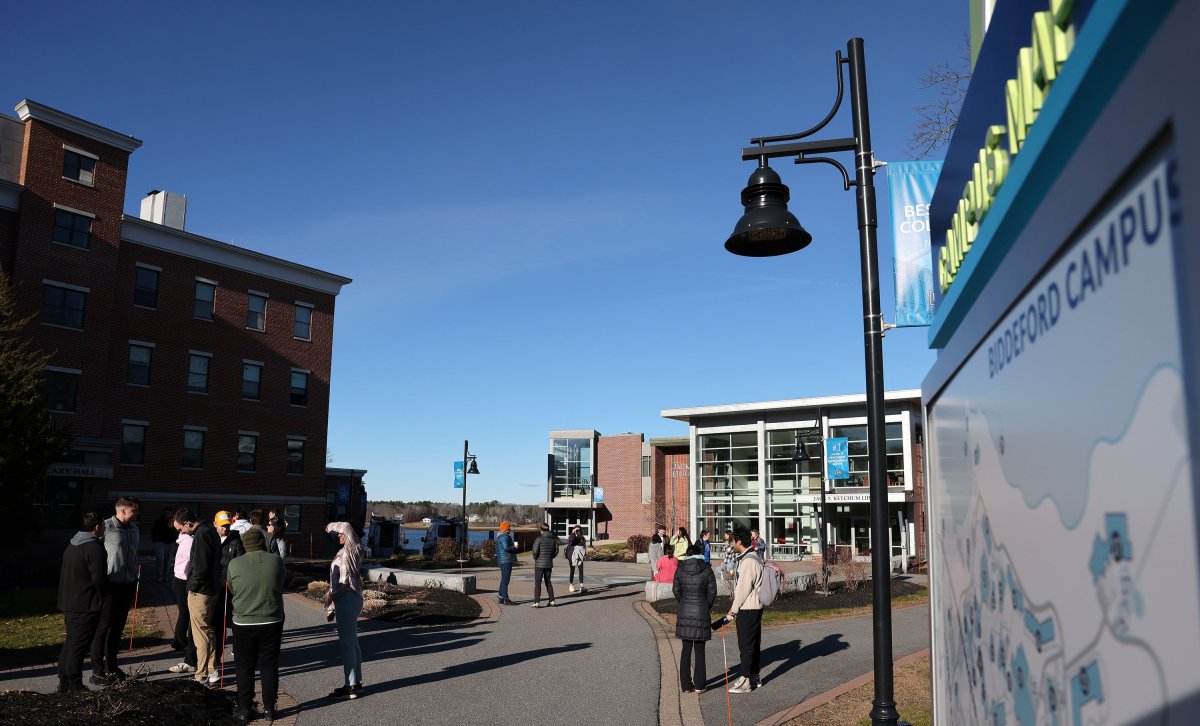
But at the private UNE and public UMaine, the state’s largest research universities and important parts of Maine’s economy and workforce ecosystem, financial leaders say good investment returns and ramped up fundraising efforts have driven significant endowment growth, which will in turn benefit students amid an otherwise tumultuous period in higher education.
“We want to make sure the university is capable of thriving in these times, and we’re doing everything we can from a financial planning perspective to make sure that that’s the case,” said Jim Irwin, UNE’s senior vice president of finance and administration.
Other Maine schools also topped the chart for the New England region: Husson University in Bangor grew its endowment nearly 14%, while Bowdoin College — which has the state’s largest endowment at nearly $3 billion — added about 13%.
While Maine schools had impressive returns on their endowments, their value lags significantly behind that of major schools. Harvard, for example, has the largest endowment of any U.S. college or university with roughly $57 billion as of June 2025.
‘THRIVING IN THESE TIMES’
Irwin gave three reasons for the more than 30% growth UNE saw in its endowment last year: a high rate of return on investment, the shifting of short-term investments into the endowment, and an increase in fundraising for scholarships and capital projects.
“The higher education landscape is so difficult at this time,” Irwin said, pointing to demographic challenges, a national questioning of the value of a college degree, inflation and other financial pressures.
“So we took an intentional approach to counter the trend and began intentionally growing the endowment, because we recognize that a larger endowment provides financial stability for the institution,” he continued. “It also provides the ability it pivot, or to establish a rainy day fund when things aren’t going well for your organization.”
Only about 15% of UNE’s endowment is earmarked for specific purposes, which sets it apart from most institutions. Irwin described the low restriction amount as allowing UNE to “play defense” against possible financial pressures, and avoid raising tuition and fees for students.
Irwin said the endowment will continue to support students, and fund endowed programs, like scholarships, professorships, the library and the art gallery. But for the most part, Irwin said UNE is taking a wait-and-see approach in anticipation of challenges in the sector.
The university — home to the state’s only medical and dental schools — is bracing for the impacts of new federal caps on student loans, part of President Donald Trump’s Big Beautiful Bill Act, which set a lifetime borrowing limit for those degrees at $200,000. That’s well below the $300,000 median cost of medical school.
Irwin said the university is working to find more favorable lenders for medical and dental students.
The University of Maine Foundation, which manages the endowment of the state’s public flagship university, reported more than 19% growth in its endowment last year. Foundation President and CEO Jeff Mills attributed it to high investment return and increased fundraising.
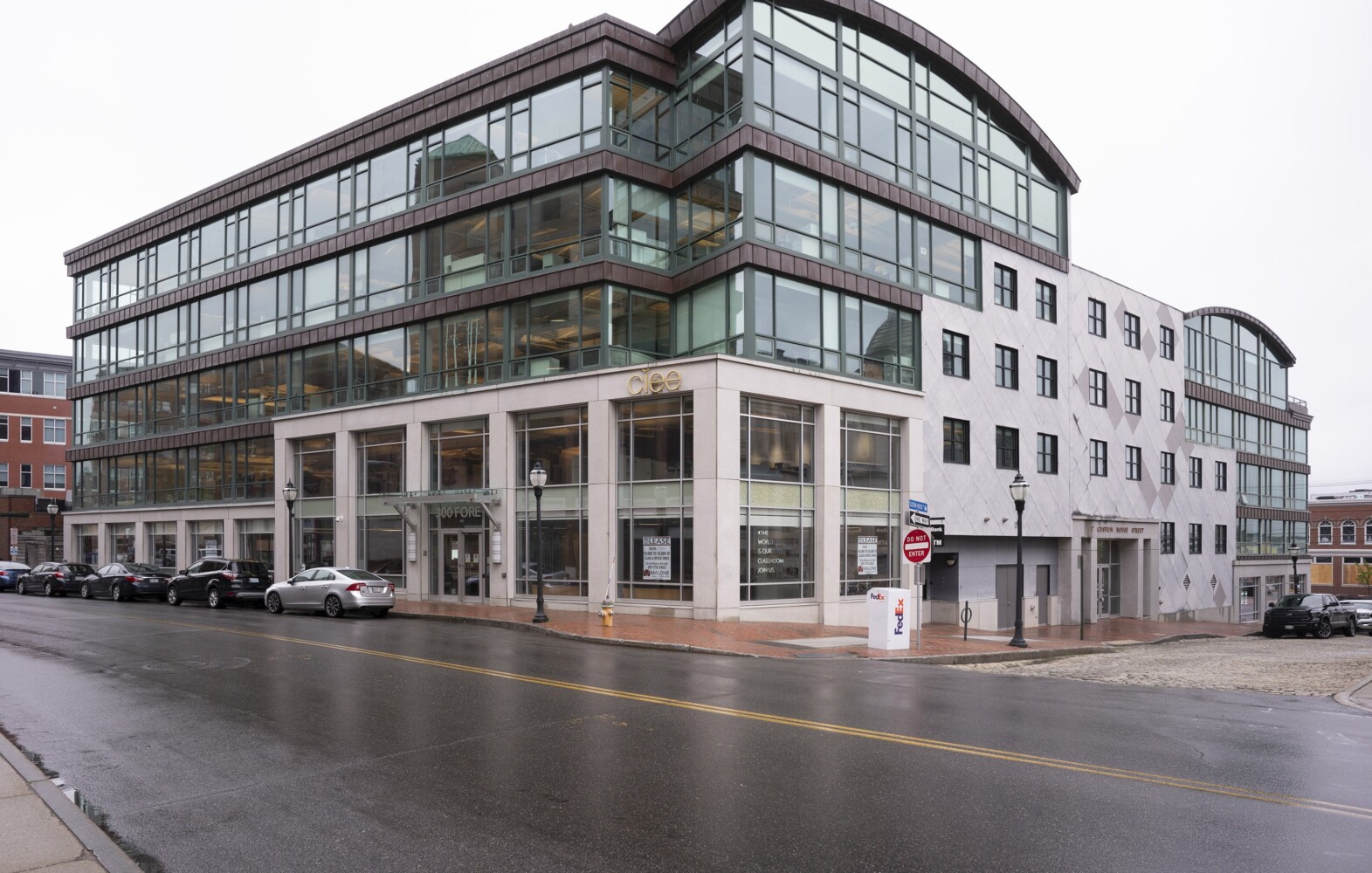
A few years ago, Mills said, the foundation switched endowment managers and began working with the Prime Buchholz out of Portsmouth, New Hampshire. He said they’ve seen outstanding returns ever since. The foundation itself also expanded, adding a second office in Portland’s Old Port.
“It’s a real team effort, from the chancellor of the system, to the president of the university, to our foundation staff, our investment committee of volunteers at the foundation, and our investment returns working with Prime Buchholz,” Mills said.
Mills said the endowment growth is beneficial to students, and the overall financial health of the university. However, unlike UNE, Mills said public university endowments are 99% earmarked for specific purposes; the foundation’s website lists more than 2,200 endowed funds, from athletic programs to department-specific positions to scholarships.
“It’s not unrestricted money that these universities just have to spend anywhere they want,” Mills said. “It’s following what the original intent of the donor was to spend that money on.”
But he said following the past year’s outstanding returns, each of those individual funds will see about 20% growth.

We invite you to add your comments. We encourage a thoughtful exchange of ideas and information on this website. By joining the conversation, you are agreeing to our commenting policy and terms of use. More information is found on our FAQs. You can update your screen name on the member's center.
Comments are managed by our staff during regular business hours Monday through Friday as well as limited hours on Saturday and Sunday. Comments held for moderation outside of those hours may take longer to approve.
Join the Conversation
Please sign into your CentralMaine.com account to participate in conversations below. If you do not have an account, you can register or subscribe. Questions? Please see our FAQs.