

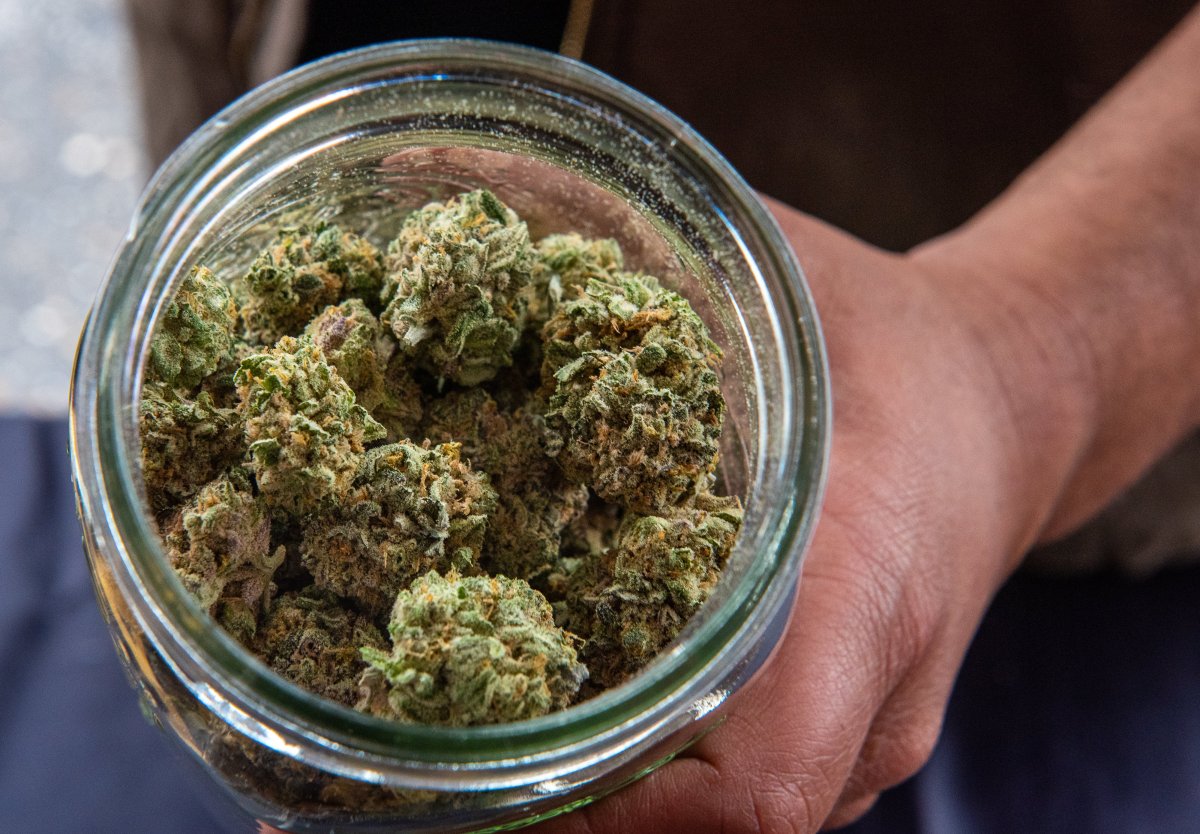
Maine is the only state in the country where legal medical cannabis is not required to be tested for chemicals, mold, heavy metals and other contaminants. Legislators could be closer than ever to changing that.
A bill proposed by Rep. Anne Graham, D-North Yarmouth, seeks to apply safeguards in Maine’s recreational cannabis industry to the state’s medical market by mandating product testing and seed-to-sale plant tracking.
Similar testing and tracking bills have been proposed and defeated in recent years. But unlike those proposals, many of which sought to entirely overhaul Maine’s medical cannabis program, Graham said her bill’s scope is smaller and was drafted with input from the industry.

“I have never in my four legislative sessions worked harder on a bill. I think I’ve amended it at least half a dozen times,” she said. “We worked really, really hard to compromise.”
The bill is still hung up in committee but is expected to be voted out in the coming weeks, setting the stage for a lively debate when it reaches the House floor.
Maine first legalized medical cannabis in 1999 and the industry has maintained a “mom and pop” reputation ever since. Barriers to entry are low and regulations are minimal. The result has been one of the few medical markets that makes more sales than its recreational counterpart.
But Maine’s approach has not been without flaws. A 2023 report from the Office of Cannabis Policy found about 45% of Maine’s medical cannabis would fail the standards set for the recreational market. And the industry has in recent years seen an influx of illicit Chinese “grow houses” seeking refuge from a law enforcement crackdown.
In addition to requiring testing, Graham’s bill, LD 1847, would direct Maine’s Office of Cannabis Policy to establish a list of contaminants that must be tested for. Proponents say the legislation would curb the presence of cheap, poor quality weed seeping into Maine’s market from less reputable growers.
“If you have an industry that’s not well regulated, where there’s a lot of gray areas, of course some bad actors are going to make their way into it,” said Matt Wellington, associate director of the Maine Public Health Association, which has endorsed the bill. “The more oversight and transparency we have, the less of a chance bad actors from the illicit market could intervene.”
Many industry advocates and some lawmakers have expressed opposition to the bill, saying additional regulations would make growing and purchasing cannabis more costly and contribute to what many see as the corporate consolidation of the state’s medical market.
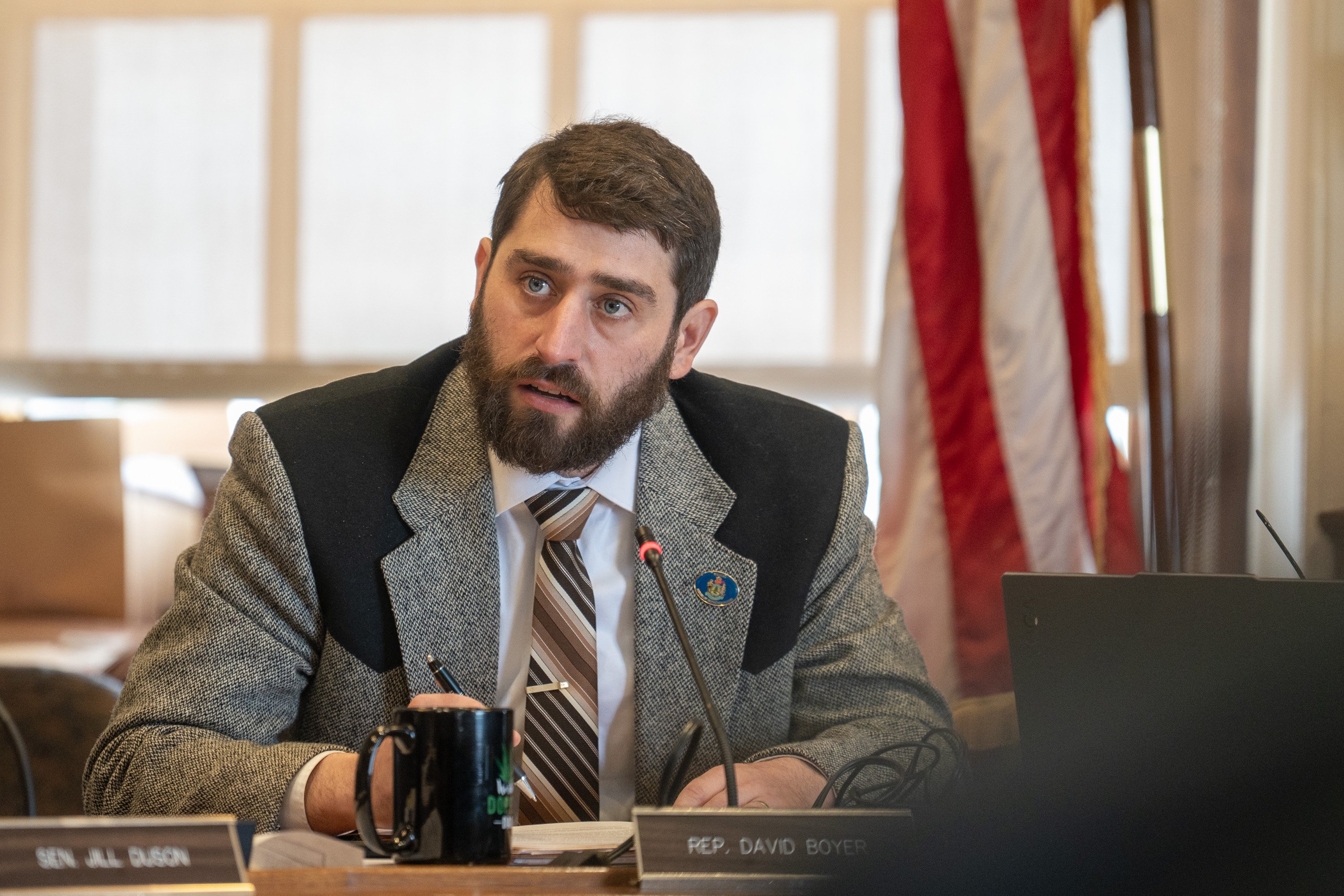
Sending cannabis for testing can cost several hundred dollars per test. Those costs will weigh heavier on smaller growers than large businesses, said Rep. David Boyer, R-Poland, a longtime cannabis activist. That, he said, could push producers and buyers alike into the black market.
“That makes the illicit market more lucrative and attractive. We know that bad guys don’t follow the law, right?” Boyer said last week. “All we’re doing is encouraging more and more people to go to the illicit market.”
LD 1847 has been the subject of fierce debate in the Veterans and Legal Affairs committee, which oversees all Maine cannabis legislation. Two work sessions on the bill last week each ran longer than eight hours as other committee members have proposed competing amendments.
While Graham’s bill would require growers to submit samples for “batch testing,” committee Chair Sen. Craig Hickman, D-Winthrop, proposed implementing “audit testing” instead, in which OCP employees would randomly select and test products already on dispensary shelves. Hickman said the adjustment was meant to reduce costs on Maine growers.
“What I’ve tried to do around this legislation, which is particularly prickly, is to continue to hold up those who are the voices who cry in the dark against the more represented voices,” he said last week.
Many Maine cannabis dispensaries and advocacy groups came out in opposition to Graham’s bill and asked their members and customers to submit testimony opposing it. Hundreds of Maine marijuana growers and customers subsequently sent emails urging the committee to vote against the bill.
Graham, however, says the bill was written with small-scale growers in mind. It creates testing exemptions for growers with fewer than 30 plants, facilities in their home or family-run operations, among others — though untested weed must be labeled as such.
“I’m not trying to push people into bankruptcy or put them out of business. The goal is to make everything safe for cannabis consumers,” Graham said.
LD 1847 has yet to be voted out of committee because lawmakers are hashing out differences between the various amendments.
But after years of rejected proposals to track and trace Maine’s medical cannabis, advocates on both sides of the debate welcome the compromises that have been made to this point.

We invite you to add your comments. We encourage a thoughtful exchange of ideas and information on this website. By joining the conversation, you are agreeing to our commenting policy and terms of use. More information is found on our FAQs. You can update your screen name on the member's center.
Comments are managed by our staff during regular business hours Monday through Friday as well as limited hours on Saturday and Sunday. Comments held for moderation outside of those hours may take longer to approve.
Join the Conversation
Please sign into your CentralMaine.com account to participate in conversations below. If you do not have an account, you can register or subscribe. Questions? Please see our FAQs.