

There’s a lot Mainers and visitors can do to help officials protect the state from invasive insect species that can damage or ravage forests, farms and communities.
Spreading awareness is key, and Maine is preparing to recognize Invasive Species Awareness Week, Feb. 23-March 1.
Early detection, public awareness and reporting remain some of the most effective tools available to protect forests and other areas, according to Allison Kanoti, Forest Health and Monitoring Division director, and Gary Fish, state horticulturist, who offered information about invasive species and the part people can play in identifying and reporting them.
While acknowledging the variety of invasive species is diverse and large, Kanoti, Fish and entomologists and horticulturalists from the Maine Department of Agriculture, Conservation and Forestry’s Forest Health and Animal and Plant Health Division identified the top five invasive species of particular concern right now for central Maine and beyond:
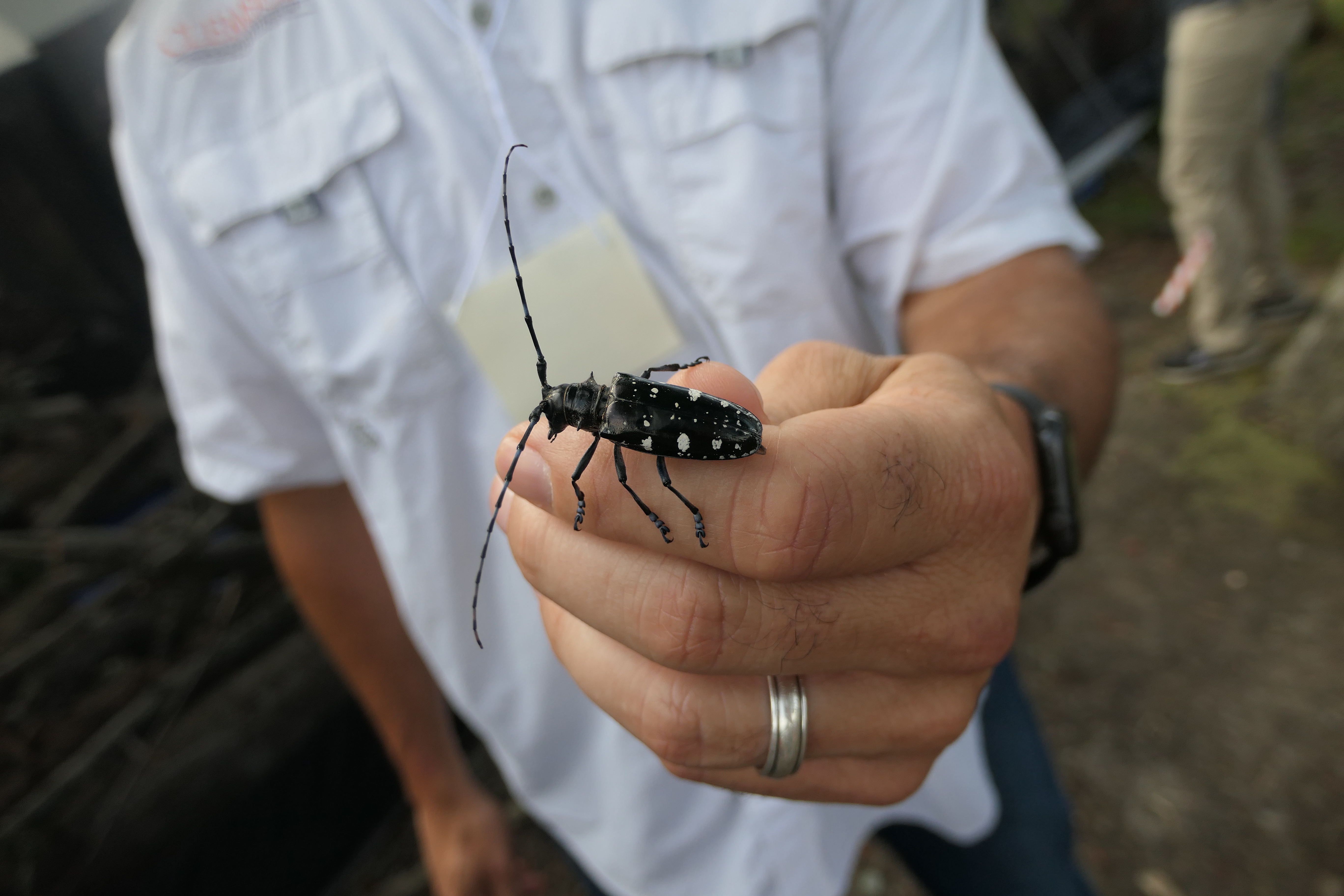
Asian longhorned beetle remains one of the most serious threats to Maine’s hardwood forests. While it has not been detected in the state, early detection is critical. Identifying it quickly can dramatically reduce response costs and improve the chances of successful eradication.

Emerald ash borer is already spreading and poses significant ecological, cultural and financial challenges, especially in communities and developed areas with large ash populations. Public reporting helps focus limited resources, such as biological controls, where they are most effective and provides critical information for those managing ash trees.
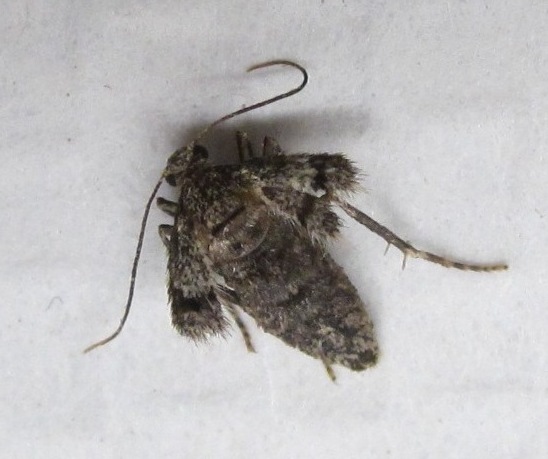
Winter moth continues to weaken and kill trees, creating risks to both public and private infrastructure. Biological control efforts are underway and show promise, but outbreaks can still cause damage until those controls become fully established. Trees attacked by winter moth become weakened, may lose large limbs, and can succumb to the attacks.
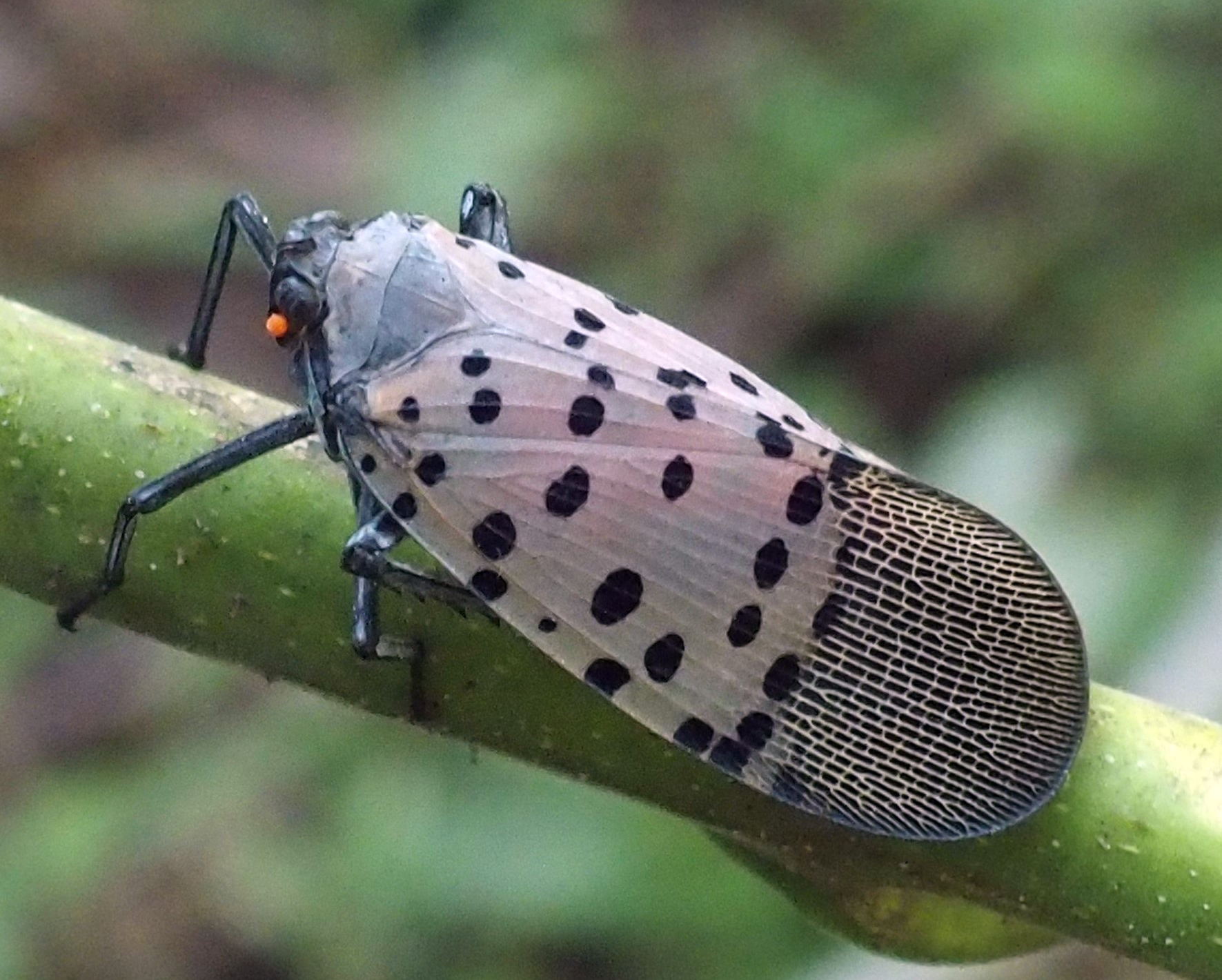
Spotted lanternfly has been detected in Maine several times but is not known to be established here. This insect threatens orchards, vineyards and forestry exports and can become a major nuisance in populated areas due to the sticky “honeydew” it produces and the resulting sooty mold.
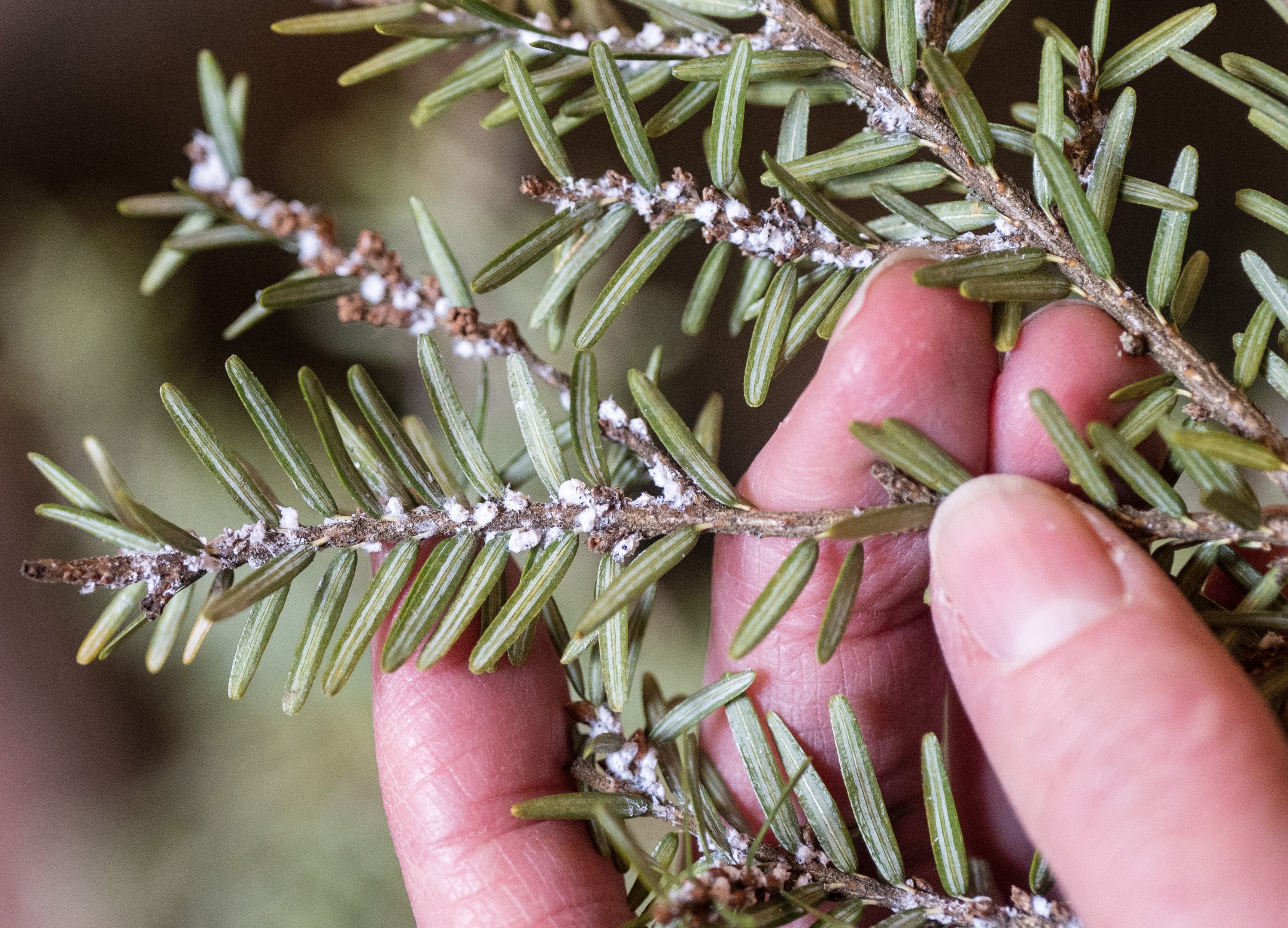
• Hemlock woolly adelgid is spreading along the coast and inland, causing declines and mortality in hemlock stands. It’s an aphid-like insect from Asia. Public awareness and reporting help officials prioritize scarce management resources and biological control efforts where needed most.
The Department of Agriculture, Conservation and Forestry encourages and welcomes the public “to take smart, practical steps to reduce the risk of spreading invasive insects,” Kanoti and Fish said in a statement. “These include not transporting firewood into or around Maine, buying firewood where it will be burned, and choosing certified heat-treated firewood when possible. Residents should avoid moving brush or tree debris after storms or trimming projects, as insects can be transported in wood materials. Awareness of state quarantine areas is also important in limiting the spread of pests.”
When people need tree or landscape work, hiring licensed arborists and working with trained, certified landscape and nursery professionals is important to help ensure best practices are followed and the risk of unintentionally spreading invasive species is reduced, according to Kanoti and Fish.
Anyone who observes signs of invasive insects is encouraged to report it on the Maine Forest Service website. Public participation plays a key role in helping Maine respond quickly and protect the state’s forests, natural resources, and working landscapes, officials say.
“Even small observations from the public can make a big difference in how effectively we respond,” they said.

We invite you to add your comments. We encourage a thoughtful exchange of ideas and information on this website. By joining the conversation, you are agreeing to our commenting policy and terms of use. More information is found on our FAQs. You can update your screen name on the member's center.
Comments are managed by our staff during regular business hours Monday through Friday as well as limited hours on Saturday and Sunday. Comments held for moderation outside of those hours may take longer to approve.
Join the Conversation
Please sign into your CentralMaine.com account to participate in conversations below. If you do not have an account, you can register or subscribe. Questions? Please see our FAQs.