


The start of Ramadan and Lent overlapped this month with Lunar New Year, a rare convergence of major religious and cultural celebrations observed by thousands of Mainers and billions across the globe.
Muslims began a month of fasting and spiritual renewal with Ramadan, which started Wednesday with the sighting of the new moon. For many Christians, a celebratory Mardi Gras was followed by Ash Wednesday and 40 days of Lent. And, on Tuesday, many Asian communities ushered in the Year of the Fire Horse with Lunar New Year celebrations.
“It’s a really wonderful moment to consider how much religious and cultural traditions overlap,” said Claire Robison, an associate professor of religion and Asian studies at Bowdoin College. “It’s a great opportunity to reflect on the similarities across different people and different cultures and religious traditions, and how that can be a catalyst to come together to support each other.”
Robison said both Ramadan and Lent “are periods of turning inwards, trying to have a simple life, and are bookended by festivals that are all about celebrating and enjoying life and building community.”
‘A THRILLING MONTH’
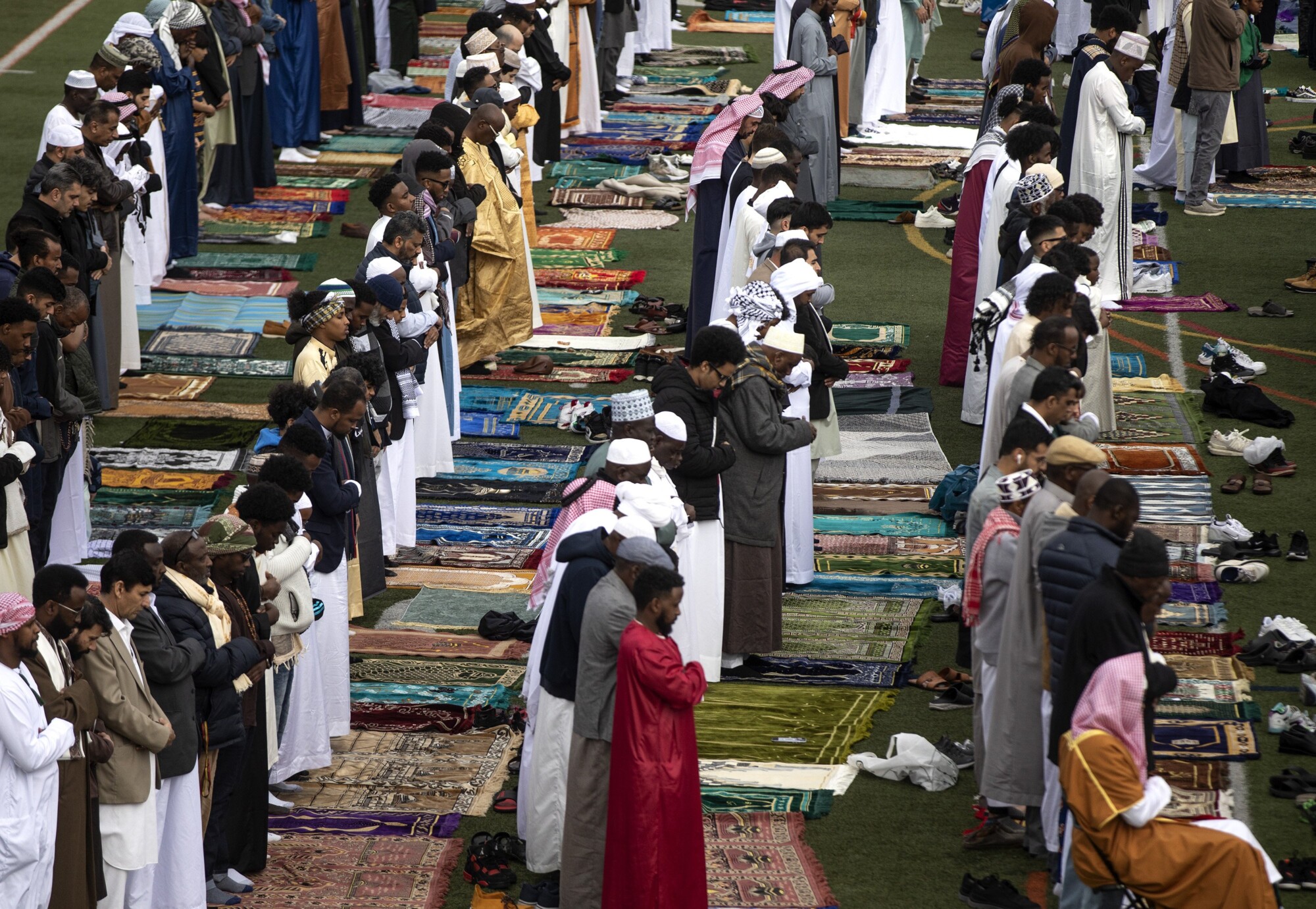
Ramadan is a sacred time of fasting, feasting, community and charity that’s meant to bring Muslims closer to God. Many observe a strict fast from dawn until sunset, then often gather for iftar, a fast-breaking dinner. Eid al-Fitr marks the end of Ramadan.
Zahir Janmohamed, an English professor at Bowdoin College who lives in Portland, said he appreciates the opportunity for community and reflection during Ramadan. He also loves the fun of it, from the food to connecting with others.
“It is hard at times, but it is truly a thrilling month,” he said.
Often, Janmohamed sees the Muslim community in Maine as small, but during Ramadan “it’s bigger than I think it is.”
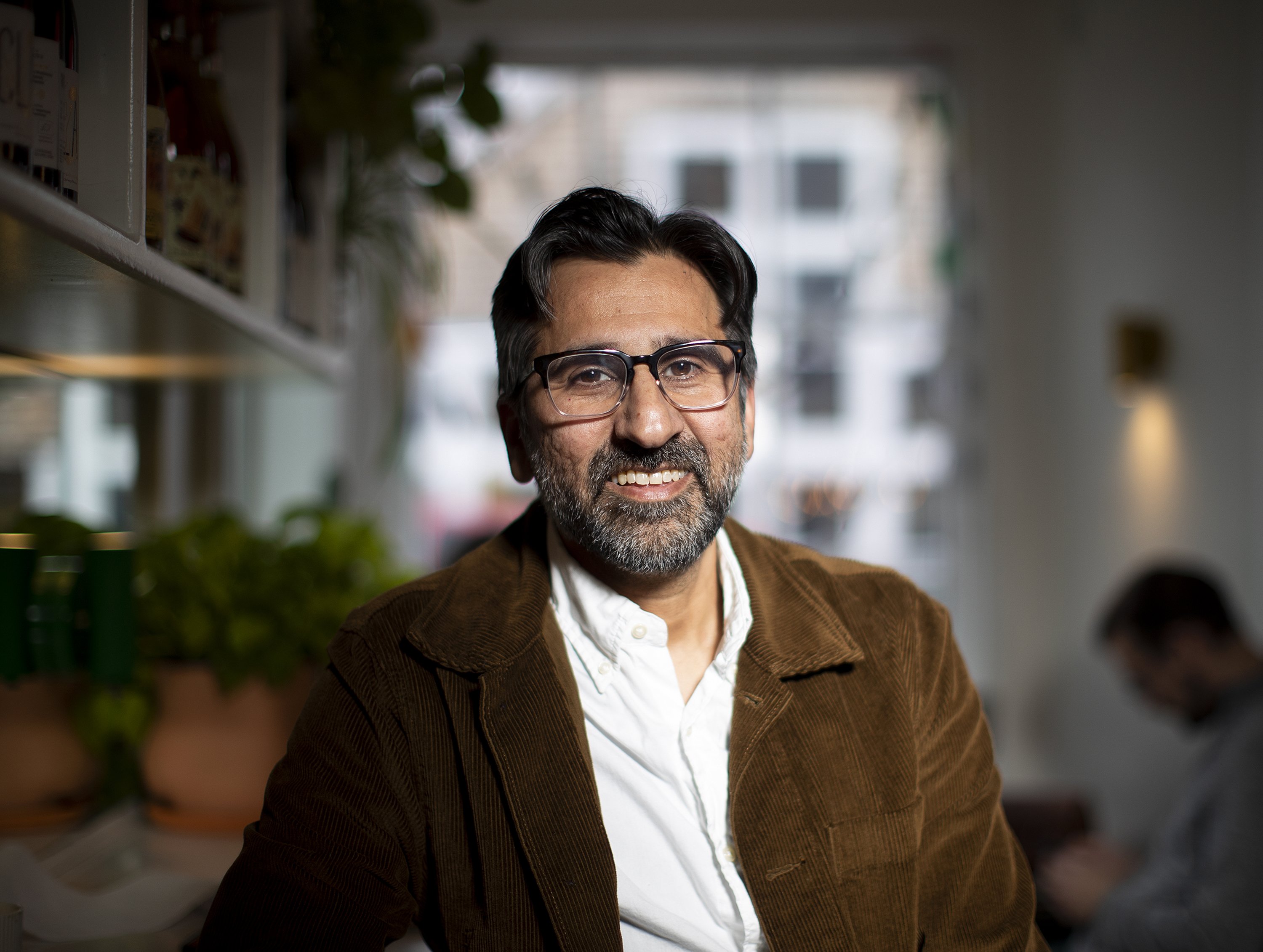
While iftars are often smaller in Maine, Janmohamed said the community is generous and can be found in many of the spots he frequents in Portland.
On Thursday, he was planning to take his son to Jaffa in Falmouth to break their fast at 5:17 p.m. and anticipated being surrounded by others doing the same. On Eid, he said, he and his son have a tradition of going to Eighty 8 Donuts.
This year, Janmohamed plans to travel to his hometown of Sacramento, California, where 50,000 people are expected to gather for Eid al-Fitr prayers at a convention center. In recent years, he has attended the Eid prayers at Fitzpatrick Stadium in Portland, where about 1,000 Muslims typically gather to mark the end of Ramadan.
“It’s really beautiful and lovely to see so many people there,” he said.
TIME OF PRAYER AND SERVICE
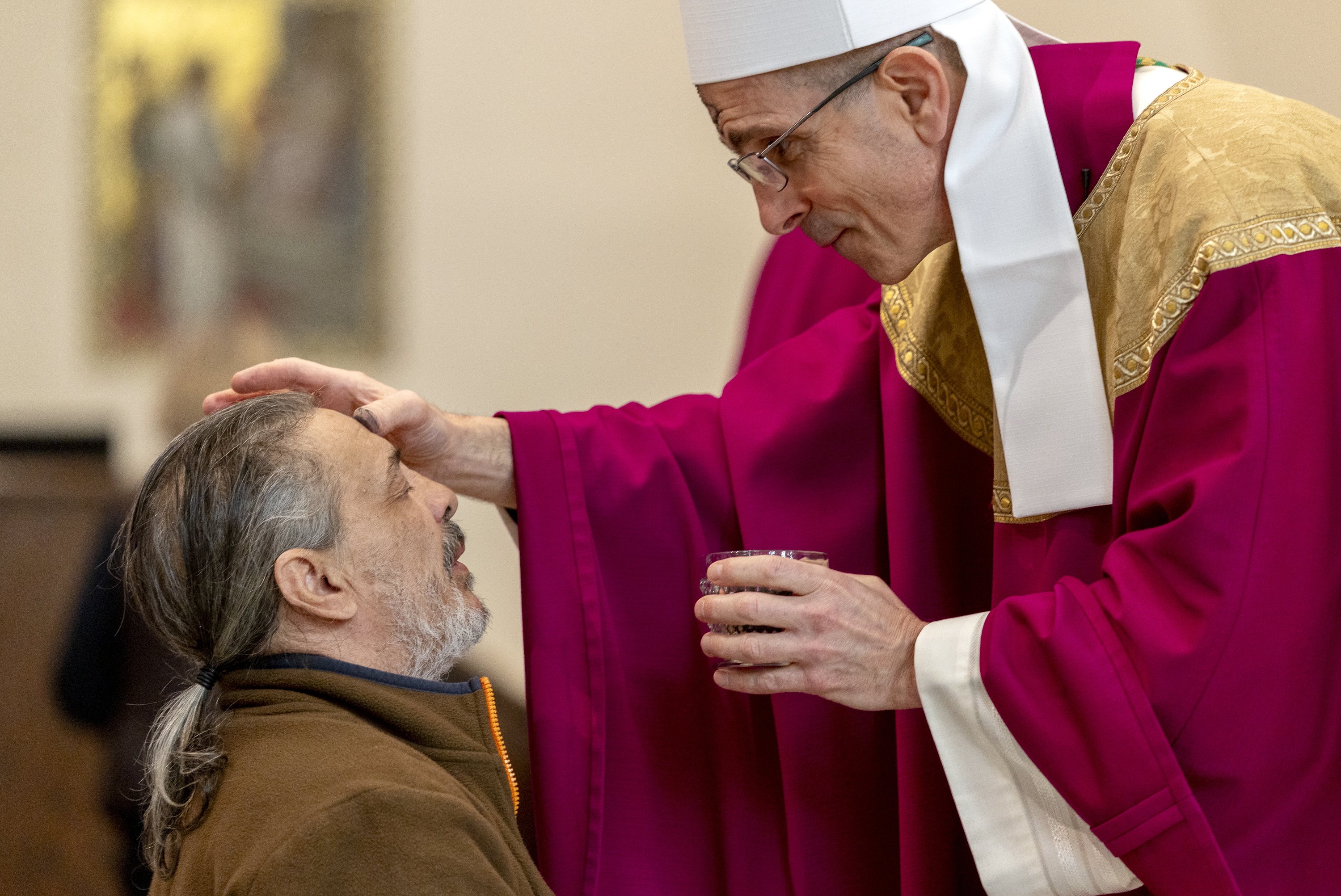
For the Rev. Kyle Doustou, vicar general of the Roman Catholic Diocese of Portland, the season of Lent is powerful on many levels.
On Ash Wednesday, people turn out in droves for Mass, where they receive ashes on their foreheads. Doustou said Lent is also a time to be intentional about prayer, fasting and almsgiving, the act of caring for the poor.
“There’s this sense that Lent really helps us get back down to basics and focus on what’s most important,” he said. “That really resonates with people.”
Lent is the 40-day period leading up to Easter. Fasting during Lent clears the mind, resets the system and allows Christians to become single-minded in their focus on the resurrection, Doustou said.
Doustou said fasting now looks different for many people and not all give up food. Instead, many people choose to give up something, like social media, that distracts them from God, prayer and a life of service.
“This is something that we really see as helping to draw us closer to the Lord and to one another,” he said. “People are encouraged to give great thought to the kinds of practices they’ll undertake during Lent.”
CELEBRATION OF SPRING
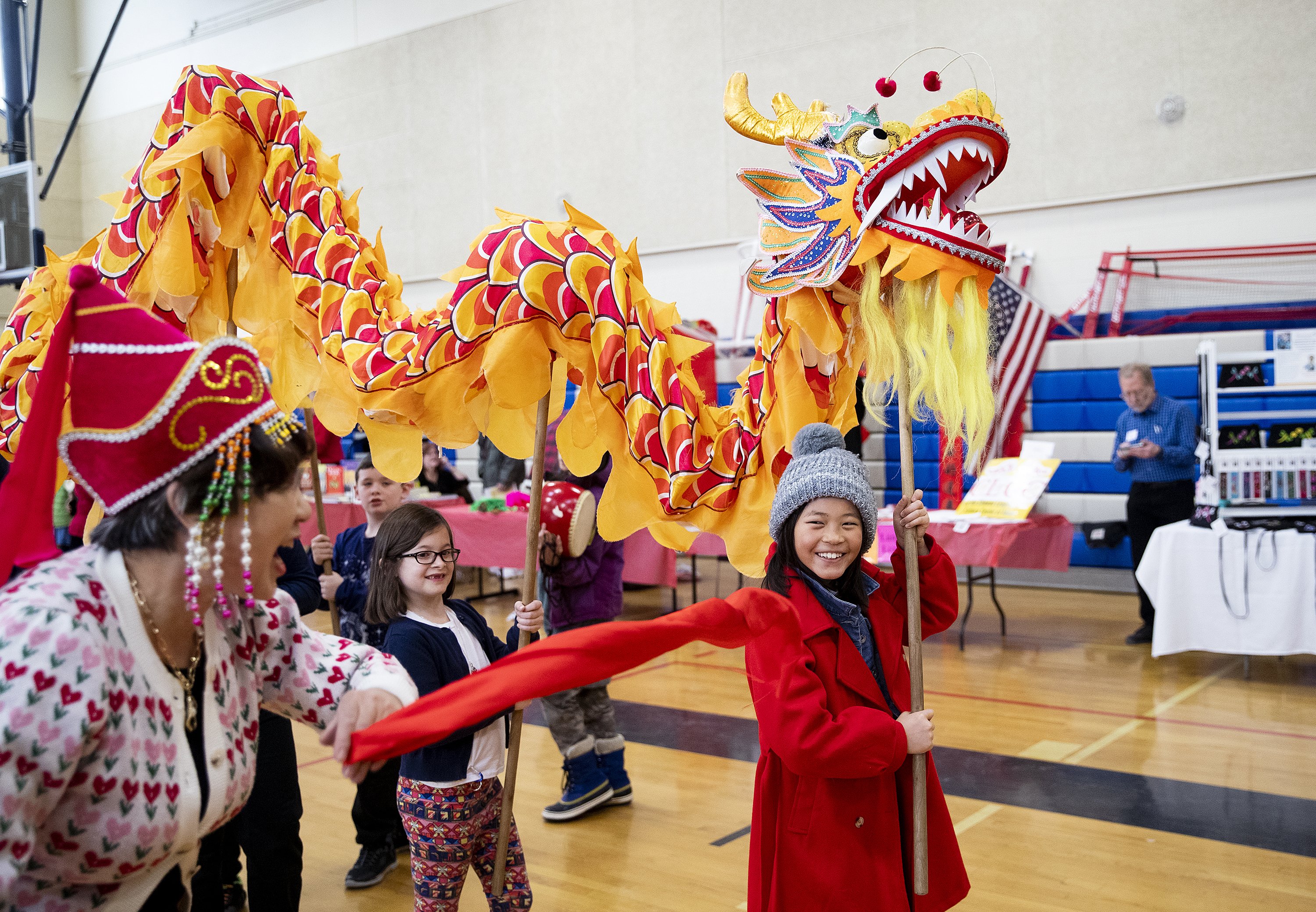
Lunar New Year is a celebration of the arrival of spring and the beginning of a new year on the lunisolar calendar. It is the most important annual holiday in China and is also widely observed in other Asian countries, including South Korea and Vietnam.
The holiday is seen as a time to honor ancestors and is celebrated with carnivals, parades, family gatherings and festivities.
“It is a big time of coming together, especially for Vietnamese and Cambodian Mainers,” Robison said. “With such a cold winter, it’s a time of looking forward to spring and hoping for brighter days ahead.”
The Lunar New Year is celebrated each year with an annual celebration hosted by the Chinese and American Friendship Association of Maine. This year, the event will be held March 1 at the Westbrook Performing Arts Center and will feature food, crafts, lectures and a performance by Chinese Folk Art Workshop.

We invite you to add your comments. We encourage a thoughtful exchange of ideas and information on this website. By joining the conversation, you are agreeing to our commenting policy and terms of use. More information is found on our FAQs. You can update your screen name on the member's center.
Comments are managed by our staff during regular business hours Monday through Friday as well as limited hours on Saturday and Sunday. Comments held for moderation outside of those hours may take longer to approve.
Join the Conversation
Please sign into your CentralMaine.com account to participate in conversations below. If you do not have an account, you can subscribe here. Questions? Please see our FAQs.