

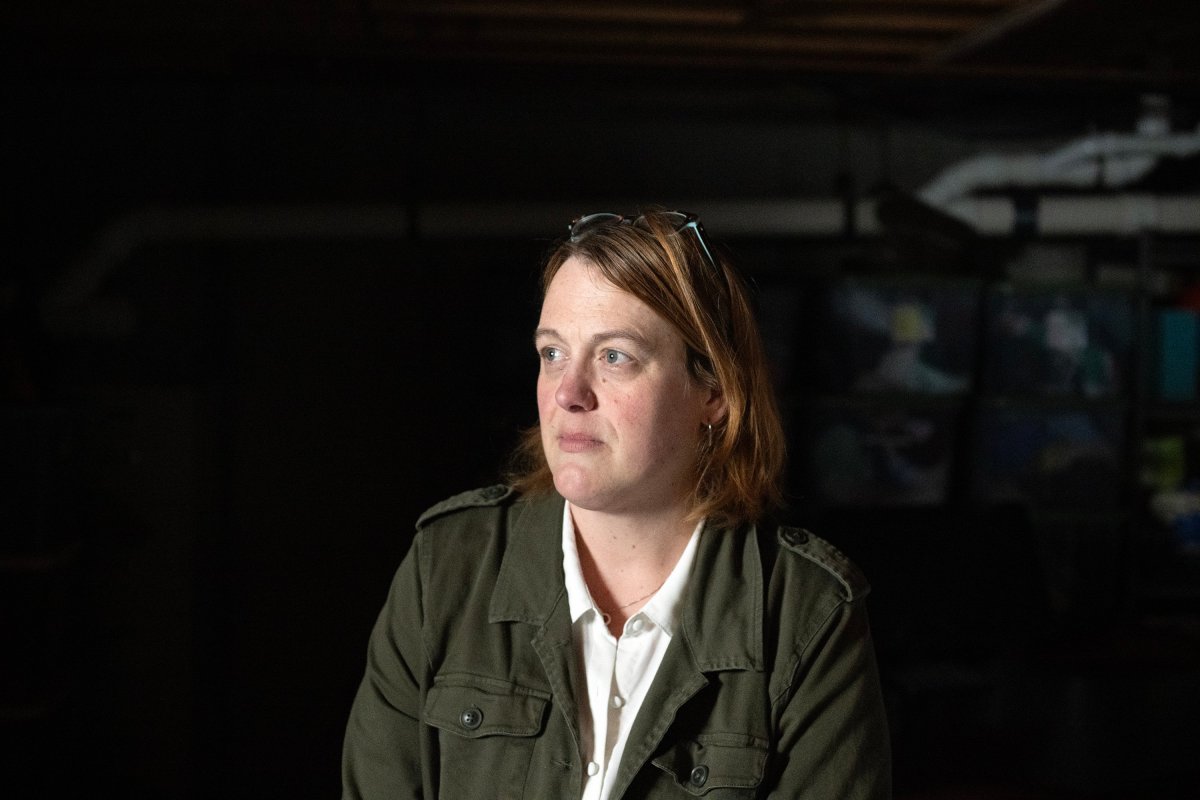
Melissa McEntee has gotten used to running Oxford County’s only homeless shelter program on the perpetual edge of closure.
Rumford Group Homes has 56 emergency beds that McEntee, the executive director, said provide a critical safety net for families in the rural county. Last year, the program ran a $75,000 deficit.
The widening gap between the state subsidy the program gets and the actual cost to run it is increasing the chance that it will be forced to close, McEntee said.
It has already happened in Alfred, where York County’s only shelter shut down last year.
“This year, who will it be?” McEntee said. “Once we lose a shelter bed, it doesn’t come back.”
Shelter directors across the state are pushing the Maine Legislature to use a portion of the real estate transfer tax funds to increase the subsidy, which currently covers about 7% of the cost of operating a bed. Without more sustainable funding, they said programs in Oxford and Aroostook counties could close and others across the state will continue to teeter on the brink.
The proposed legislation is the latest attempt to increase shelter operations funding, which has remained flat at $2.5 million since 2016. It follows a one-time boost of $4.47 million approved by lawmakers last year.
Rep. Drew Gattine, D-Westbrook, the bill’s sponsor, said the Legislature has talked for years about creating a sustainable source of revenue for shelters, but has only “put a Band-Aid on a problem that has evolved into a crisis.”
The proposed bill would reduce the amount of the real estate transfer tax retained by counties after a property sale from 9.2% to 8.2%. That 1% would instead go to MaineHousing’s shelter operating subsidy program, generating about $1.2 million in the first year.
The proposal has drawn opposition from county governments and registers of deeds, who say it will shift much-needed money away from counties and put more pressure on property taxpayers. Gattine said it would not reduce funding that counties have historically received. Instead, counties would not get some of the extra funds from an increased transfer tax on the sale of high-end homes that went into effect in November, he said.
“We’re not against the funding of emergency shelters,” Oxford County Register of Deeds Cherri Crockett said while testifying in opposition to the bill earlier this month. “In fact, we agree that the shelters do require a funding source, but not at the expense of further burdening our property owners.”
BUDGET GAPS
There are 37 shelters in Maine, spread out across 11 counties, that receive money from MaineHousing’s Emergency Shelter and Housing Assistance Program, which helps pay for operational costs and housing navigation services.
Those shelters offer 1,209 beds, most of which are typically full. Last year, they served more than 4,300 people, said Molly Feeney, executive director of Homeworthy, which has shelters that serve three Midcoast counties.
“This is a moment in time when our shelter beds are maxed because we’re on the front line of a housing crisis,” she said.
Shelter directors said they are serving more people while grappling with rising costs of everything from staffing to heating.
A 2024 MaineHousing study found the average cost to operate a single shelter bed for one night is $102. The state subsidy covers $7.16, Gattine said. That means shelters rely heavily on outside funding — including philanthropic donations, grants and often limited municipal contributions — to piece together enough money to cover the bills.
Rumford Group Homes has four family shelters in Oxford and Androscoggin counties that served about 200 people last year. The program also provides help finding housing, jobs and medical care. It relies heavily on state funding, but it’s not enough to cover the cost to keep the doors open, McEntee said.
The limited grants available to shelters are hard to get, McEntee said, and, in a region where U.S. census data shows more than 11% of people live in poverty, it is hard to ask the community to cover the difference through donations.
The program has run at a deficit for the past three years and is relying on savings and extra donations to get by. If another year passes with rising costs and no additional state funding, its board of directors may vote to close, McEntee said.
“That would leave a big gap in the system,” she said.
Rosalani Moore, the executive director of H.O.M.E. Inc., an Orland-based program with a shelter that serves Hancock and Washington counties, said it costs $1.5 million a year to run her program. And the organization must cover about 93% of that through fundraising. It’s a challenge, she said, and the organization is lucky to have money set aside from benefactors to help cover the gap.
She said she knows that safety net won’t last, putting the future of the only program of its kind in the region at risk of closing.
In Aroostook County, the only emergency homeless shelter in the county has 72 beds and is only guaranteed $137,000 a year for operations. Their total budget is nearly $700,000, Executive Director Kari Bradstreet said. Last year, she sent funding requests to towns, but said she received less than $42,000 of the $160,000 she had requested.
A CRITICAL RESOURCE

Dean Libby, 53, has been staying at a Rumford Group Homes shelter for four months with his three children. He said the program has been a “lifesaver” that has allowed him to stay with his kids while he works toward getting his own place.
Libby said he worries about the shelter closing and what that would mean for families like his.
“It helps families get stable and get back to living,” he said.
Samantha Carpenter, a resident at the Mid-Maine Homeless Shelter in Waterville, told lawmakers this month that the shelter is the only place where homeless people are “treated like a human being.”
“I know what it’s like to walk the streets of Waterville in February when your feet are so numb you can’t feel them hitting the ground and your entire world shrinks to one question: Where can I go that won’t kick you out?” she said during a Feb. 10 public hearing.
Carpenter said she sees the pressure the shelter staff is under every day and lives with a “constant gnawing fear that the lifeboat you’re sitting on is about to sink.”
“It’s like asking someone to put out a forest fire with a glass of water and acting surprised when the woods burn down,” Carpenter said.
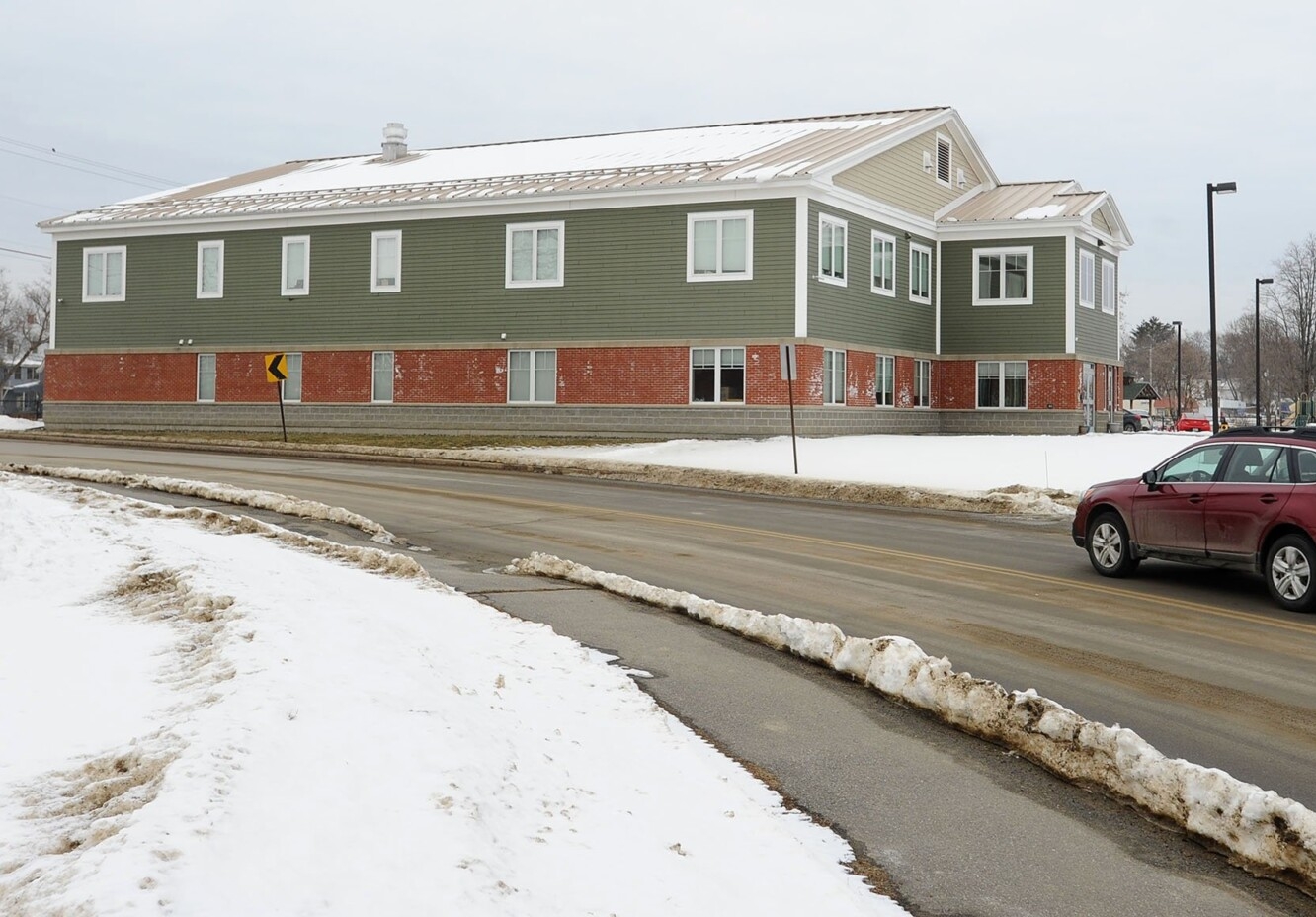
Moore, the director in Orland, knows firsthand how important shelters are for people who need help. She relied on one after her mother died and she had to care for her younger siblings.
“We were lucky a shelter was there when we needed it most,” she said. “A shelter gave us the ability, safety and support we needed to move out of crisis toward stability at a very critical moment.”
If those spaces close, people are left with few alternatives.
“People don’t move down the street to another program. They sleep in cars, the woods or unheated campers,” Moore said. “Or they end up in more costly systems like hospitals and jails.”
There is no backstop, said Bradstreet, the Aroostook director. That will mean vulnerable community members “will face heartbreaking decisions” between driving hours to a shelter that may be full, staying outdoors or living in unsafe situations, she said.
FUNDING PROPOSAL
The proposal to use property transfer tax fees would bring about $1.2 million more a year to MaineHousing’s shelter operating subsidy program, said Erik Jorgensen, the agency’s senior director of government relations and communication.
He said the agency is “enthusiastic” about the proposal because it would provide a predictable funding stream.
After a brief work session on the bill Tuesday, the Housing and Economic Development Committee voted to table it to allow more time to answer questions from members about the impact.
The additional money would make a difference for Homeless Services of Aroostook, according to Bradstreet. The next-nearest shelter is 3.5 hours away.
“I wouldn’t have to go month to month wondering if I have to close our doors,” Bradstreet said.
The proposal has garnered support from leaders of some of Maine’s largest cities, but county officials are pushing back. Registers of deeds and other local officials say the extra money is needed by cash-strapped counties that collect the transfer tax on behalf of the state.
“While the goal of funding emergency shelters is important, this bill utilizes a funding mechanism that undermines the fiscal stability of Maine’s counties and increases the burden on local property taxpayers,” Cumberland County Manager James Gailey said in written testimony to the committee.
Gailey said the change would reduce county revenues by over $193,000. In York County, it would result in an annual revenue loss of $244,000, according to testimony submitted by county commissioners.
“If the expectation is that this proposal will result in a meaningful funding increase for emergency shelters, the reality is quite different,” the York County commissioners wrote. “The amounts involved are relatively small when considering emergency shelter costs. In practice, this proposal simply shifts limited funds from one unit of government to another without creating new resources.”

We invite you to add your comments. We encourage a thoughtful exchange of ideas and information on this website. By joining the conversation, you are agreeing to our commenting policy and terms of use. More information is found on our FAQs. You can update your screen name on the member's center.
Comments are managed by our staff during regular business hours Monday through Friday as well as limited hours on Saturday and Sunday. Comments held for moderation outside of those hours may take longer to approve.
Join the Conversation
Please sign into your CentralMaine.com account to participate in conversations below. If you do not have an account, you can register or subscribe. Questions? Please see our FAQs.