


Against the backdrop of a hard winter, Maine’s private snowplow drivers are staring into empty bins and scouring dry depots as a national rock salt shortage strips them of their primary tool for taming icy parking lots and sidewalks.
Joe Doherty, a snowplow driver for Greencare Landscaping of Scarborough, said he no longer has enough salt to treat business and apartment parking lots in Portland’s Old Port before a snow storm to discourage snow and ice from bonding to the pavement.
“We’re scraping the bottom of the salt shed,” Doherty said. “We have to conserve.”
That means more snow for Doherty to plow after the storm. On Wednesday morning, as the sun rose over Baxter Place on Commercial Street, he spread a thin layer of sand over the just-scraped parking lot. In a few hours, the sand and sun would melt the snow into slush.
The 40-year-old driver said he hadn’t slept in two days but hoped for a nap before Wednesday’s storm.
The shortage stems from disruptions to traditional winter weather patterns and supply chains.
Severe weather has hammered parts of the country unaccustomed to heavy snow, leading major suppliers like Morton Salt to suspend commercial accounts to prioritize fulfillment of city, state and federal contracts, according to Dave Perron, Greencare’s CEO.
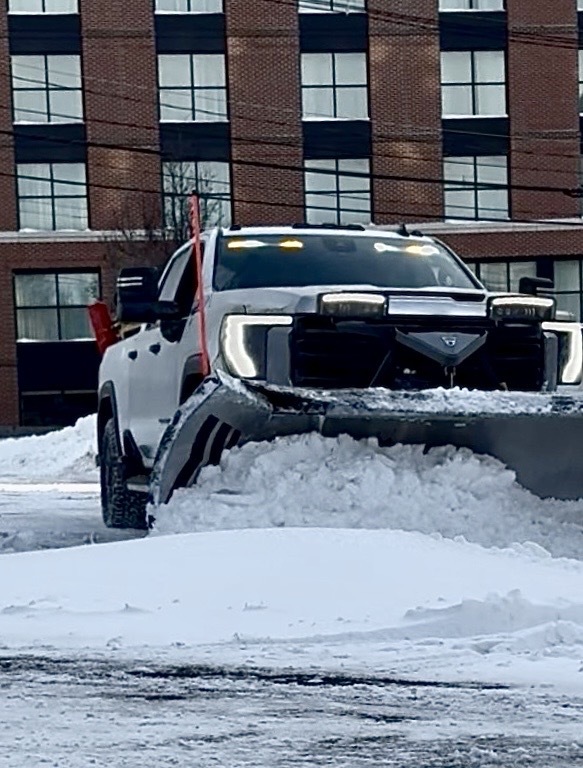
Perron has been forced to hunt for rock salt on the secondary market, where the $200 per ton retail price is nearly double the $110 per ton wholesale price, but even that market is drying up. The shortage is forcing Greencare to save its salt for high-priority areas, like handicapped ramps, he said. The company serves more than 60 clients in Cumberland and northern York counties.
The main alternative to salt — sand — is a poor substitute for many clients, Perron said. While sand provides traction, it does not melt ice, and Perron warns it is “incredibly messy,” tracking into buildings, scarring floors and more than doubling the cost of spring cleanups.
That is why the fleet of private contractors who plow commercial lots — where plant workers, apartment dwellers and retail customers must navigate icy conditions — remain on the hunt for any source of rock salt they can find.
“One pile runs out and everyone runs to the next,” said Ryan McPike, the owner of Maine Salt Company in Hermon, a wholesale distributor. The industry is practically holding its breath for the next boatload of salt to arrive in Portland or Eastport from Egypt, Morocco or Chile, he said.
McPike has seen shortages before, but this season is different. “I’ve fielded calls from 43 of the 50 states,” McPike said, but he’s had to turn them down. Maine is in a “much better place” than states like Ohio, New York or Connecticut, he said, but the pressure is mounting.
Rock salt works by creating a brine — a saltwater layer that stays liquid well below freezing — to break the bond between ice and pavement. Once that grip is severed, the frozen mass turns into a loose slush that plows can easily scrape away.
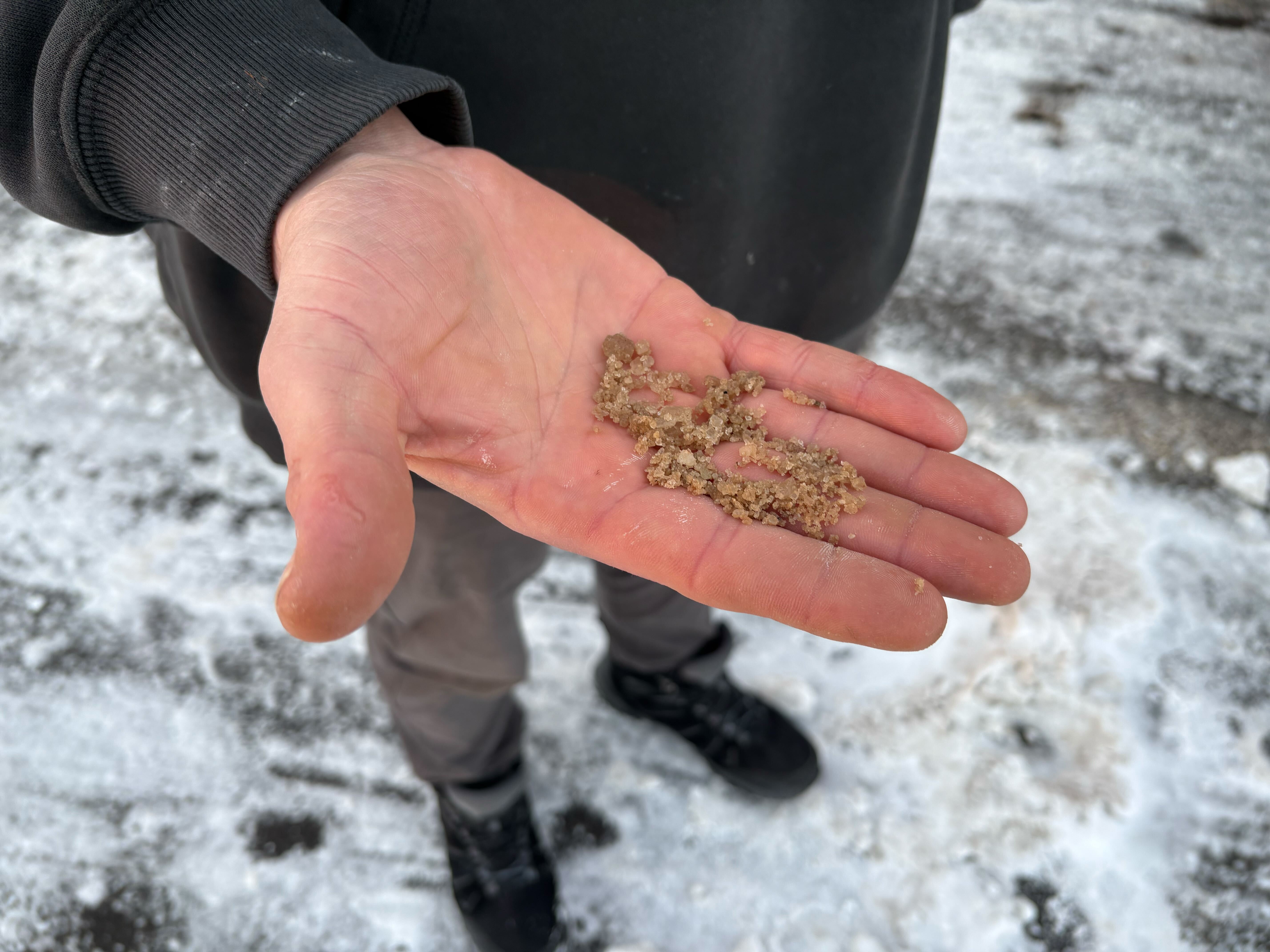
The state still has plenty of salt on hand. According to a Maine Department of Transportation spokesman, the state has used just 67,000 tons of its 125,000-ton supply. Municipalities are feeling more anxiety, with some running low, though they are higher on the priority list for deliveries.
In Portland, Public Works Director Mike Murray reported that the city has exhausted about 85% of its $570,000 salt budget. “Only time will tell if we have enough salt on hand,” Murray said, noting that even “minor” storms with low snow totals require the same amount of salt to ensure safety.
In Lewiston, Highway Operations Manager Reggie Poussard is leaning on 30 years of experience to manage the “balancing act.” He orders his salt months in advance. Despite a 500-ton reserve, the extreme cold this season has required heavier salting and nearly 400,000 gallons of brine.
For now, suppliers like McPike are doing what they can to protect local interests. “I had to tell my contractors that I was going to ration my salt. … I had to stop taking any new customers,” he said. It is a survival strategy, ensuring the 150 trucks he supplies can keep Maine moving until the thaw.

We invite you to add your comments. We encourage a thoughtful exchange of ideas and information on this website. By joining the conversation, you are agreeing to our commenting policy and terms of use. More information is found on our FAQs. You can update your screen name on the member's center.
Comments are managed by our staff during regular business hours Monday through Friday as well as limited hours on Saturday and Sunday. Comments held for moderation outside of those hours may take longer to approve.
Join the Conversation
Please sign into your CentralMaine.com account to participate in conversations below. If you do not have an account, you can register or subscribe. Questions? Please see our FAQs.