

A paramedic. A blueberry farmer. A high school teacher.
At the end of a workday, these Mainers don’t put up their feet.
They climb on the sled.
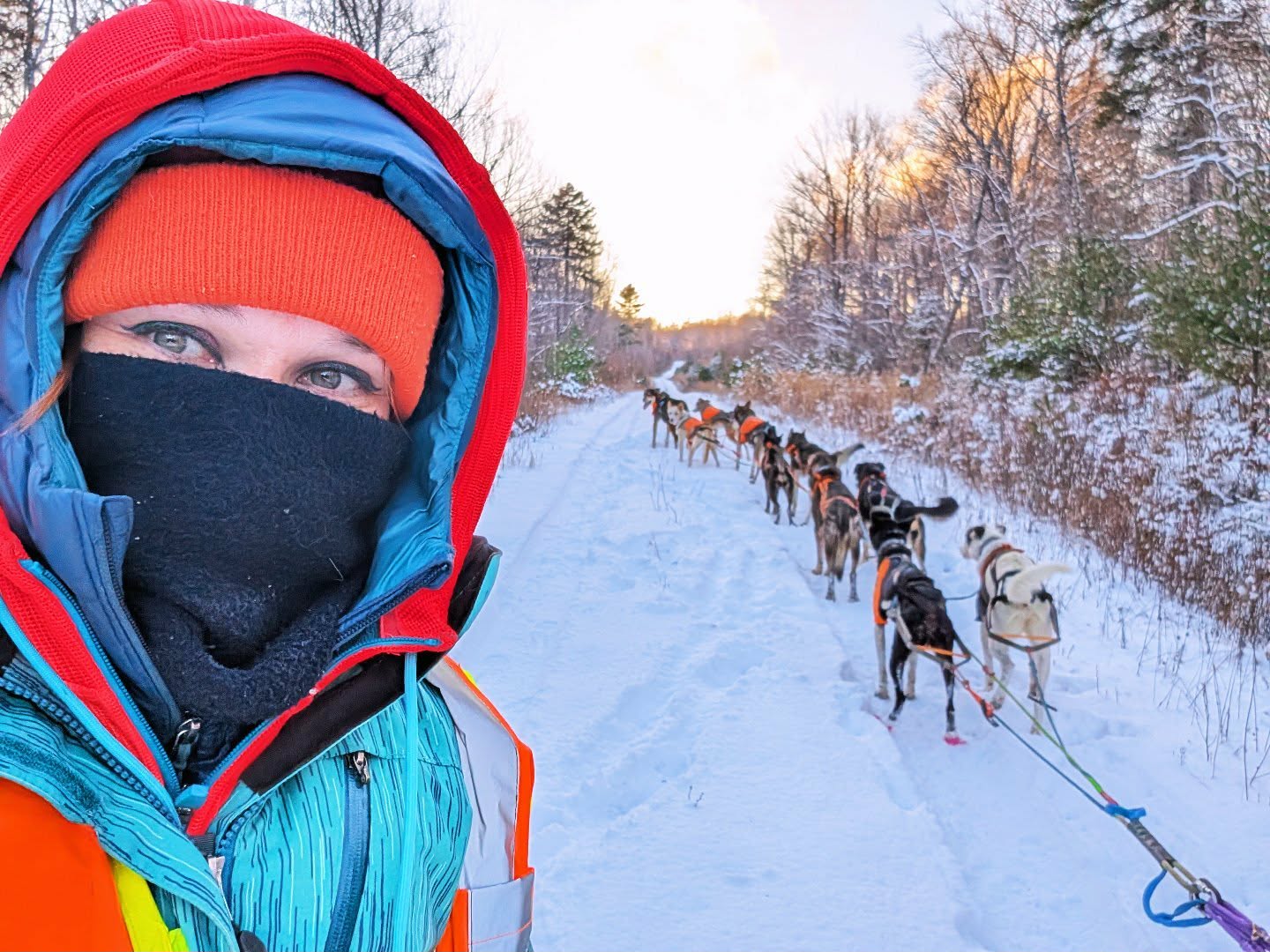
“Having sled dogs has pretty much driven our life choices and direction,” Julia Klaucke, 38, said. “I do work full time, but it revolves around the dogs.”
Klaucke, of Medford, is one of at least 10 mushers from Maine planning to compete in the Can-Am Crown International Sled Dog Races this weekend in Fort Kent. As of Thursday, 50 teams from as far away as Minnesota were signed up to mush 30, 100 or 250 miles through the woods of Aroostook County.
Thousands of spectators will line Main Street to cheer as the dogs start pulling. What they don’t see at the raucous start is the quiet training in the dark hours of the morning and the dead of night, the hours feeding and watering a dozen or more dogs and the financial sacrifices of the sport.
“This race is like the Super Bowl for us,” said Becki Tucker, who plans to race the 100-miler.
READY TO RUN
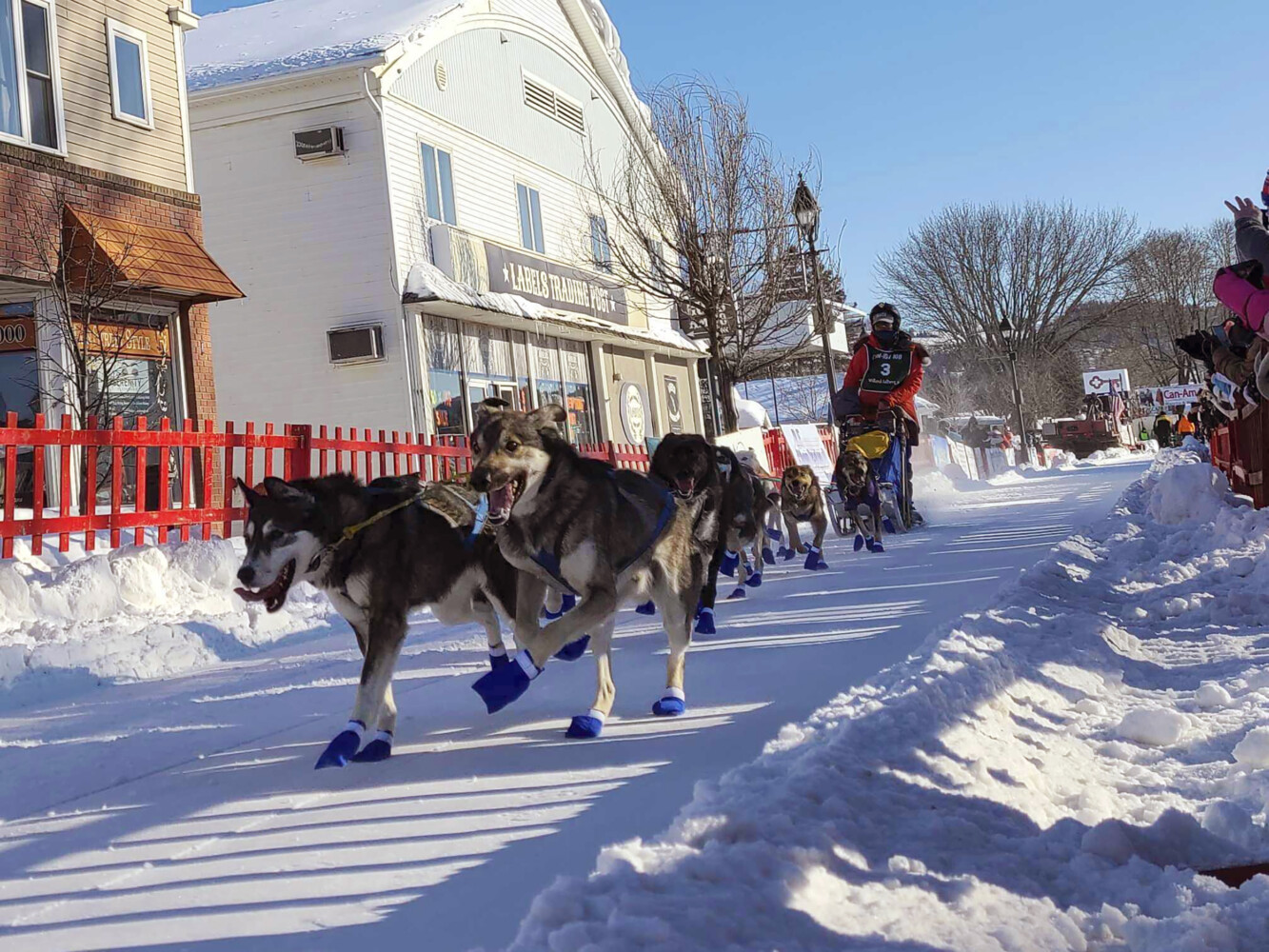
The teams that will speed into the woods on Saturday started their training well before the first flakes fell this winter.
The dogs spend the spring and summer playing in the yard. When the temperatures cool in the fall, they start running in earnest. The mushers have the teams pull ATVs until they have enough snow for sleds. The mileage increases and the muscles build.
Mushers often train their dogs not just to run, but also to rest.
The two longer distances have checkpoints where teams are required to take breaks. Jonathan Hayes, of Saint David, said he prepared for the 250-miler by taking the dogs out for 25 or 30 miles and then camping for two hours before making the return trip.
“It’s about building into the psyche of the dog that when we park on the side of the trail, and he pulls out the straw, we need to shut down and rest,” Hayes, 50, said. “Otherwise, they’re just going to continue slamming into their harnesses, wanting to go, wanting to run.”
The work doesn’t stop at the end of a training run. The mushers are constantly trying to get the dogs enough calories, usually feeding them a combination of raw meat and kibble. A water bowl would freeze in an outdoor kennel in the winter, so they also might make nutritious soups to keep the dogs hydrated.
In the days before the race, the mushers said they spend hours packing. The Can-Am is unsupported, which means the teams must be self-sufficient on the trail. They are required to carry emergency supplies on their sleds, including a one-day supply of food for themselves and their dogs, a cold-weather sleeping bag, snowshoes and headlamps. They can also stash gear, tools and food at checkpoints.
The two shorter races will likely finish on Saturday, but the 250-miler likely won’t end until Monday or even Tuesday.
Klaucke said her dogs often sense when race preparations are underway. When the time comes to load into the trailer, they start howling with excitement.
“They’re vibrating,” she said.
‘THEY’RE FEARLESS’
Alex Gurka didn’t expect to become a musher.
When she adopted an Alaskan husky from a shelter in 2019, she was just looking for a running partner. They started with a simple harness and her running shoes. He loved to pull, so she hooked up him to her bike. It wasn’t long before she started thinking about a sled.
“It’s the slippery slope,” Gurka said with a laugh.
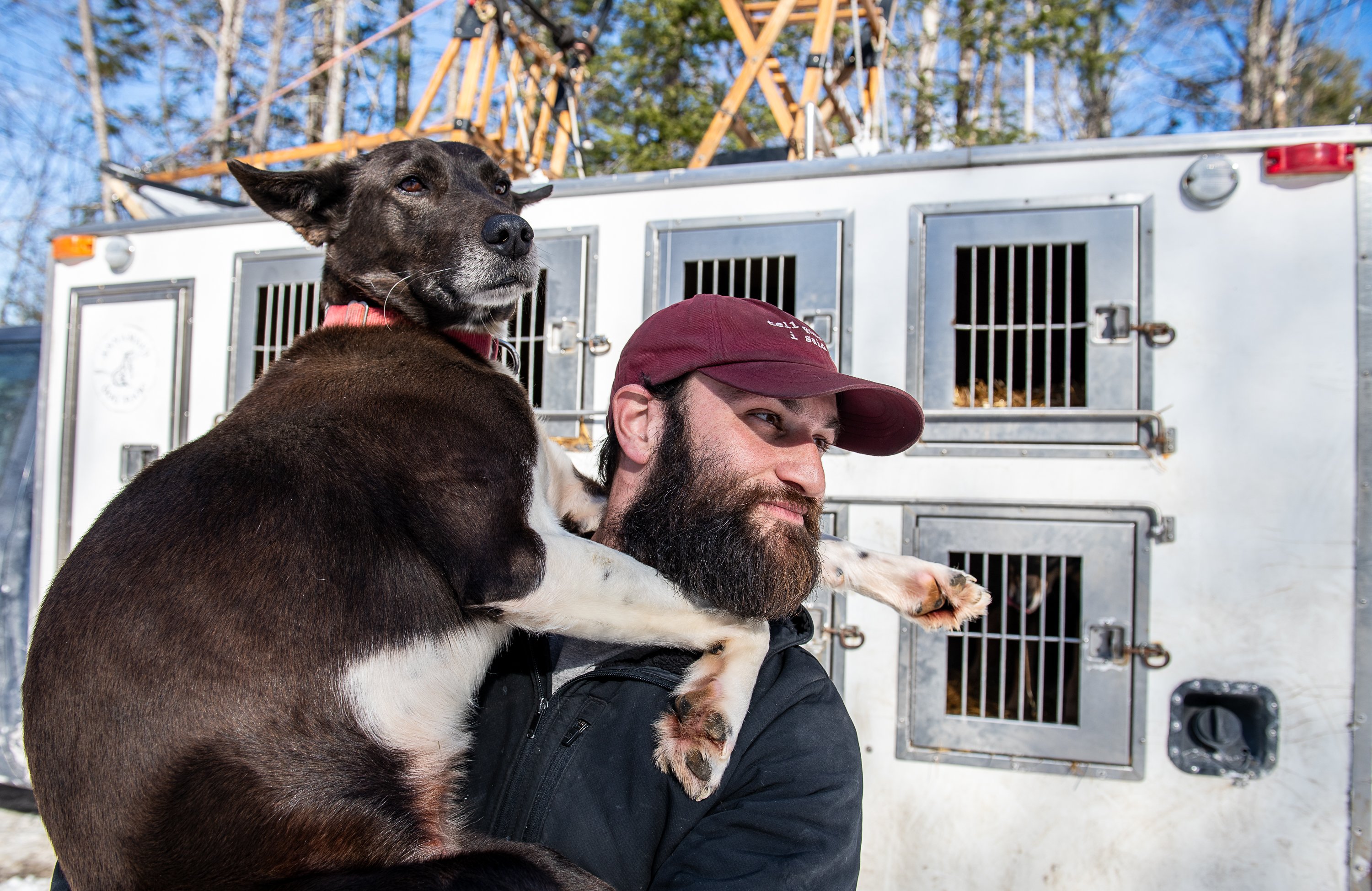
Now, she has 19 huskies, plus a Boston terrier who bosses the bigger dogs around their yard in Winn. She affectionately calls her team “The Misfits” because she often adopts dogs who have bounced from kennel to kennel. Some, but not all, race.
They’re planning to do 100 miles at the Can-Am races.
“I consider my dogs pets first, working dogs second,” Gurka, 34, said.
Many mushers described their entry into the sport in the same way. One dog became two, then became a full kennel. Their love for their animals — their athletes — drives them on the trails.
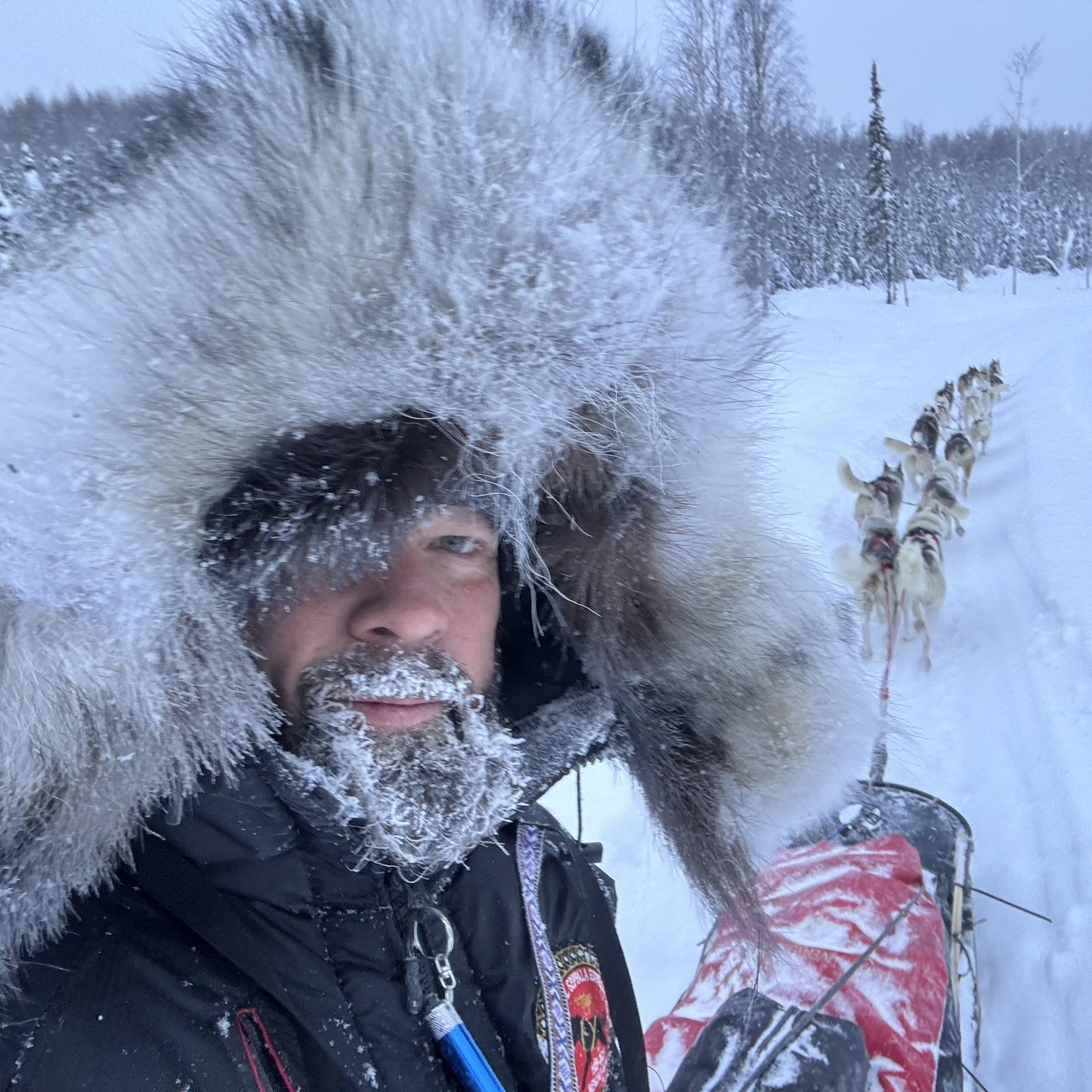
Hayes grew up in Tennessee. In search of a winter hobby when he moved to Maine, he checked out books on mushing from the Lewiston Public Library.
Thirty years later, he is a champion of the Seppala Siberian Sleddog, which was named the official state dog of Maine in 2025. The breed is named for the musher who played a pivotal role in delivering medicine to children in Nome, Alaska, a lifesaving mission that inspired the Iditarod. Hayes has competed in the Can-Am before, but this year will be the first that he is racing a team of Seppalas in the 250-miler.
“They’re fearless,” Hayes said. “The tougher the trails, the more cold, the more extreme environment, the more they come alive.”
Alex Therriault, 33, has been racing sled dogs since he was a toddler. His dad won the 60-mile race in the 1990s and plans to compete in the 100-miler this year. The 60-mile event became the 100-miler in 2016.
Therriault said he likes the 30-mile distance, which he plans to race this year, and has finished second or third in past years.
“I’ve always wanted to have two generations winning,” Therriault said.
He runs Ultimate Dog Sledding Experience in Canton, where he balances race training and tours for his kennel of more than 90 dogs.
“All my dogs have a 9-to-5 job,” he said.
‘THIS IS HOME’
For many, living in northern Maine is key. Some local mushers have been here their entire lives. Amy Dionne volunteered at the Can-Am when she was in high school and now lives in Madawaska, 3 miles from where she grew up.
“I always knew I wanted to race it,” Dionne, 36, said.
Dionne, who plans to race the 250-miler this year, has competed at Can-Am many times. Her friends and neighbors cheered her on at the starting line and followed her progress over three-plus days on GPS.
Dionne joked that they don’t always realize that she competes in other events, too. Earlier this month, she and her dogs traveled to Michigan’s Upper Peninsula for a 200-mile race.
But the Can-Am always has a hometown feel.
“It’s nice to see our little sport takes precedence in the community,” Dionne said.
It can also be hard to live in a city or even a suburb when you have six-plus huskies. Klaucke, who is registered for the 100-miler, lived in Connecticut when she started in the sport.
“Everybody knew me,” she said. “Because I had all the Siberians.”
These Mainers have found careers that allow them to pursue this sport — or they have just gotten used to 3 a.m. training runs before an 8 a.m. shift.
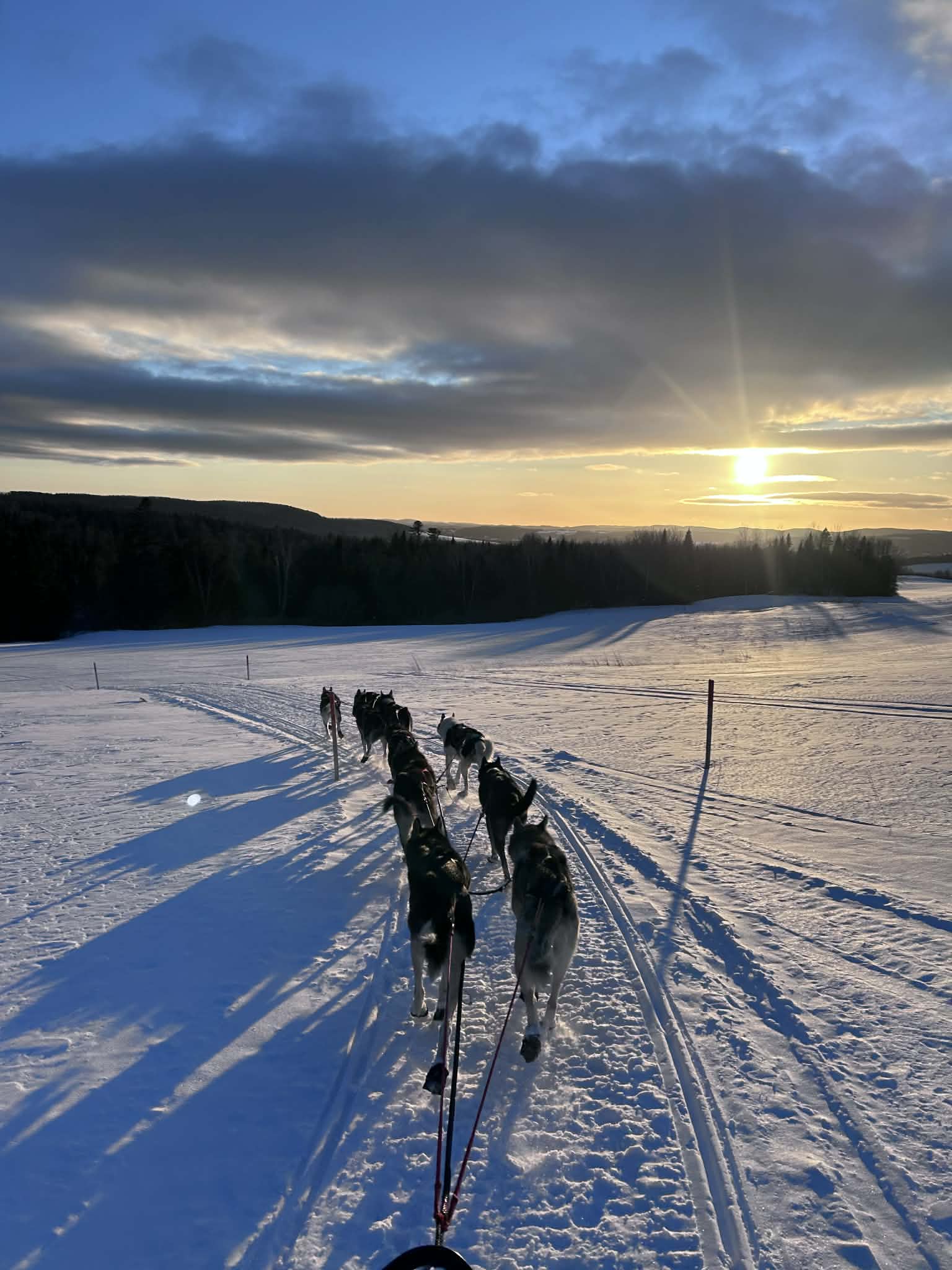
Hayes is a life sciences teacher at a local high school and a minister. Dionne is a paramedic. Klaucke works overnight shifts at an emergency veterinary clinic. Gurka works remotely as scientist for a pharmaceutical company and has a farm where she grows blueberries and raises chickens.
Tucker works for the Hope and Justice Project, the domestic violence resource center in Aroostook County. Originally from Rhode Island, she adopted her first husky in Connecticut. Tucker always looked forward to her weekend in northern Maine.
“Every year, when I would leave the Can-Am, I would cry,” Tucker, 49, said.
She said the race volunteers and officials saw her tears and told her: “This is home. You should be here.”
Tucker moved to Maine at the start of the COVID-19 pandemic. She took a couple of years off racing and moved back to Connecticut, but returned to Fort Kent in 2025. She plans to race the 100-miler this weekend.
“To hit the starting line with my dogs and the life I created,” she said, “it’s like a homecoming.”

We invite you to add your comments. We encourage a thoughtful exchange of ideas and information on this website. By joining the conversation, you are agreeing to our commenting policy and terms of use. More information is found on our FAQs. You can update your screen name on the member's center.
Comments are managed by our staff during regular business hours Monday through Friday as well as limited hours on Saturday and Sunday. Comments held for moderation outside of those hours may take longer to approve.
Join the Conversation
Please sign into your CentralMaine.com account to participate in conversations below. If you do not have an account, you can subscribe here. Questions? Please see our FAQs.