

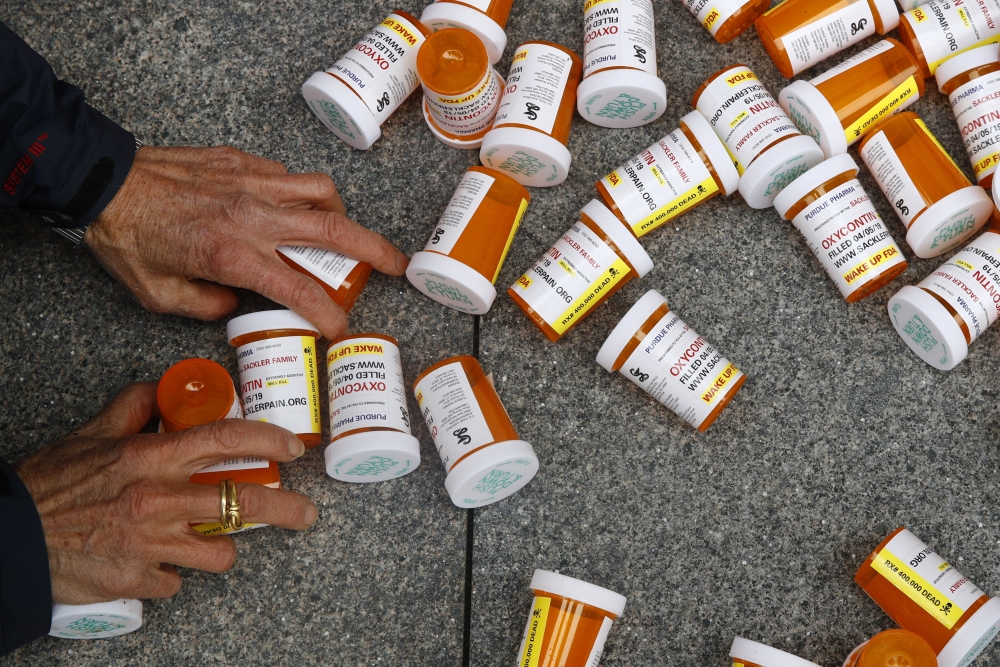
AUGUSTA — Over the next dozen years, Maine is slated to receive an additional $200 million from pharmaceutical companies, drug manufacturers and pharmacies for their role in the opioid epidemic. Thirty percent of that will be steered toward local governments to use how they wish.
But of the $22 million received by municipalities and counties throughout the state since 2022, only $3 million has been spent, and 10 communities haven’t spent anything at all, according to a report presented Wednesday to lawmakers.
Still, officials and recovery advocates leading Maine’s opioid response say the work communities have done so far has been effective.
“We want the money to be used in the most efficacious way and we want it to align with community needs,” said Mary Lindsey Smith, director of the Maine Opioid Settlement Support Center at the University of Southern Maine, which was created to oversee tracking of how money is spent. “Sometimes faster isn’t better.”
Maine overdose deaths have been steadily falling for several years. New recovery centers have opened across the state. And many local governments that haven’t yet spent their money have created plans on how to allocate it in the future.
But the fact that so much has yet to be spent raises questions.
The original settlement agreement, which ended years of litigation brought by states and other plaintiffs against major pharmaceutical companies like Purdue Pharma, outlined how Maine would divvy up the estimated $230 million it’s expected to receive through 2038.
The biggest share, 50%, is managed by the Maine Recovery Fund for statewide distribution in the form of grants. The Maine Office of the Attorney General will receive 20%, and the remaining 30% is distributed to roughly three dozen cities, towns and counties that were parties to the lawsuit.
Since the money started flowing to the state, there has been limited oversight of how municipalities are spending it. Advocates who had been critical of officials for moving too slowly or not being transparent about the process pushed for changes, and last year the state passed a law that required them to submit reports, which were then compiled into a comprehensive overview, the first of its kind.
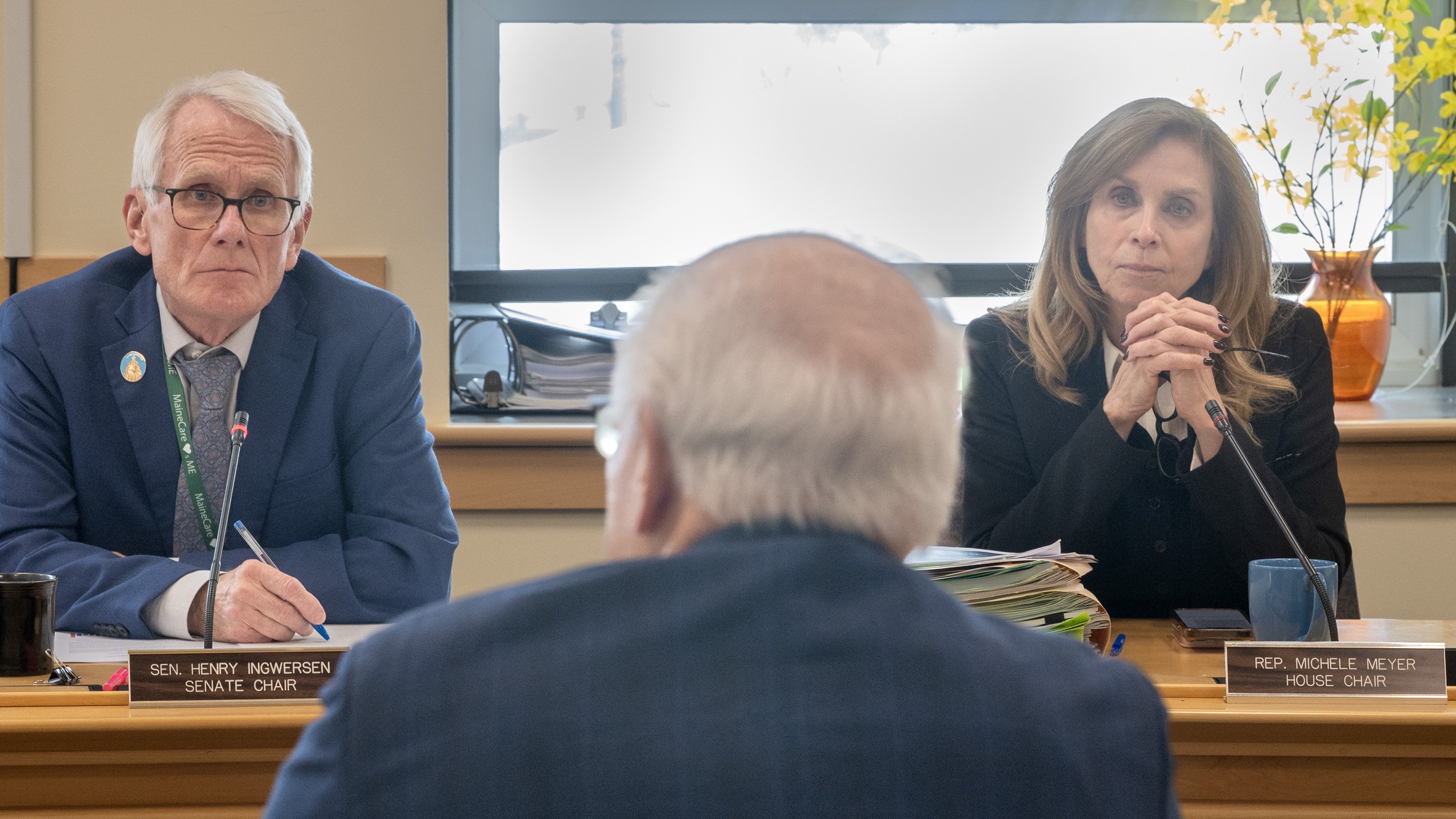
That was completed in February and presented Wednesday to the state’s Committee on Health and Human Services.
Each project funded through the settlement is guided by one of four principles, according to Gordon Smith, director of the state’s opioid response: harm reduction, treatment, recovery and support.
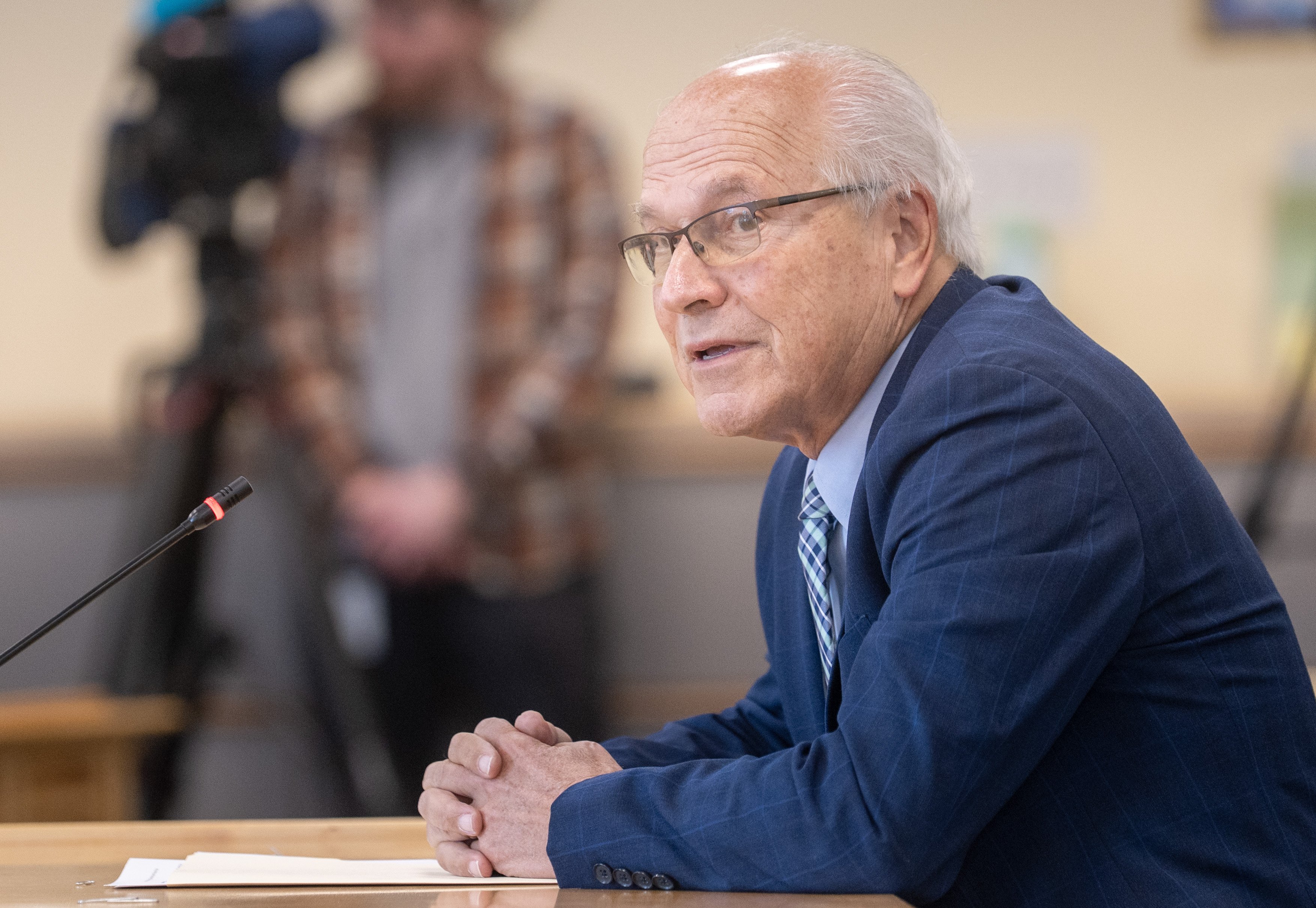
“We want to do the best we can and give people an opportunity to get well and have more treatment available,” he told lawmakers Wednesday. “I think we’re making progress … And I think this progress will hopefully continue.”
Towns and counties are largely deciding for themselves how to spend the funds, and the report shows they’re putting that money toward a wide array of projects, ranging from recovery centers to needle exchange programs to addiction treatment in jails.
With the majority of the money unspent, advocates hope local governments will take community input and lived experiences into account. This week’s report indicates most decisions on how to spend the settlement funds are being made by town councils or county commissioners — only 13% of local governments have created task forces or committees dedicated to settlement funding.
“I would encourage those communities to find people in your community that have lived through this crisis. They’re going to be able to say what they wish that they had when they were going through it,” said Tess Parks, policy director for the Maine Recovery Action Project.
In addition to the millions unspent so far, there are millions more yet to be divvied up between local governments that are owed a share, according to Lindsey Smith, director of the Maine Opioid Settlement Support Center. All of that money will be disbursed over the course of two decades.
While the settlement funds were technically made available in 2022, most communities didn’t receive or spend any of that money until the past two years.
Auburn, Falmouth, Saco, Wells, Windham and York, as well as Piscataquis and Waldo counties, all reported spending nothing to date.
Part of that delay is because those governments must initiate their requests for settlement funds, she said. And many smaller, more rural communities don’t have the resources to study what their needs are and how best to address them.
“They are coming to us with what their problem is and we’re working collaboratively to solve that. And sometimes the process takes longer (than we’d like),” Lindsey Smith said. “I’m not here to drive their bus. I’m here to support that bus getting where it needs to go.”
While there is still much work to be done, officials say Maine’s response has been effective so far. Fatal overdoses fell more than 20% in the state last year. And as settlement money continues being allocated and spent, many are hopeful that trend will continue.
“We know that it’s going to take some time, and of course, we’re not doing it perfectly. I don’t think that there is a perfect way to try to heal from the gravity of this crisis,” Parks said. “But I know there are so many people and community groups in Maine trying to make sure that these funds can help people.”

We invite you to add your comments. We encourage a thoughtful exchange of ideas and information on this website. By joining the conversation, you are agreeing to our commenting policy and terms of use. More information is found on our FAQs. You can update your screen name on the member's center.
Comments are managed by our staff during regular business hours Monday through Friday as well as limited hours on Saturday and Sunday. Comments held for moderation outside of those hours may take longer to approve.
Join the Conversation
Please sign into your CentralMaine.com account to participate in conversations below. If you do not have an account, you can register or subscribe. Questions? Please see our FAQs.