

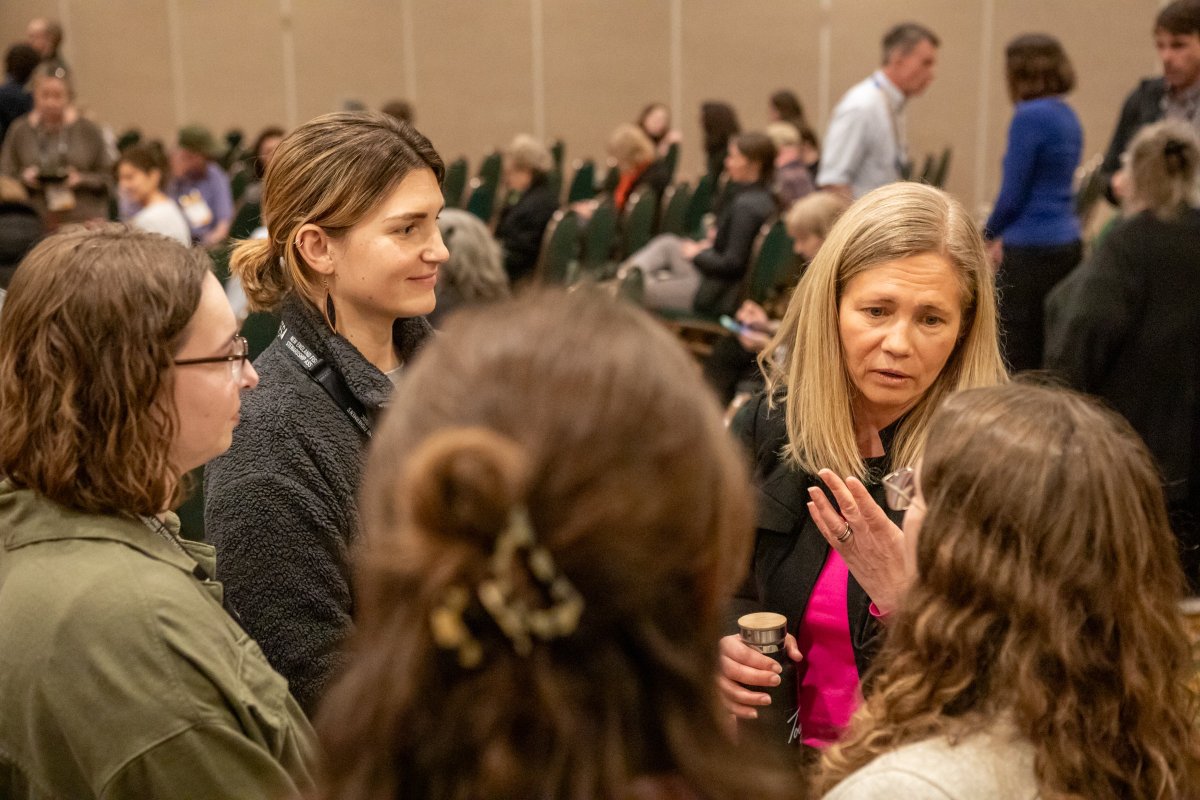
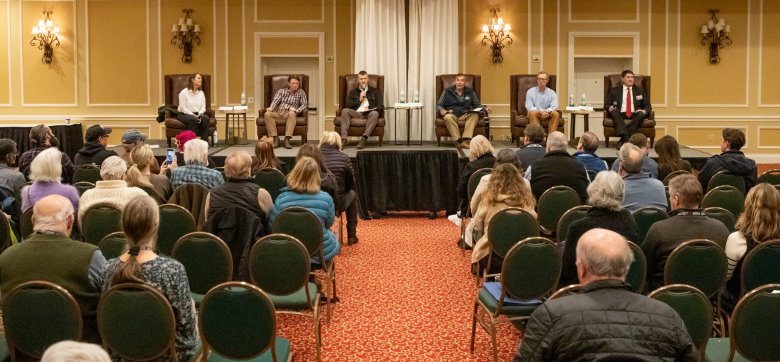
ROCKPORT — A dozen candidates for Maine governor met Saturday at the Maine Fishermen’s Forum to discuss the latest trends and topics impacting the state’s commercial fishing industry.
During a three-hour seminar, the candidates weighed in on aquaculture regulations, balancing lobstering with off-shore wind development, and whale interactions with fishing gear.
Commercial fishing is a legacy industry in Maine. In 2025, harvesters brought in more than $600 million in earnings, according to newly released preliminary data from the Department of Marine Resources, although the state’s lobster haul was down 10% from 2024.
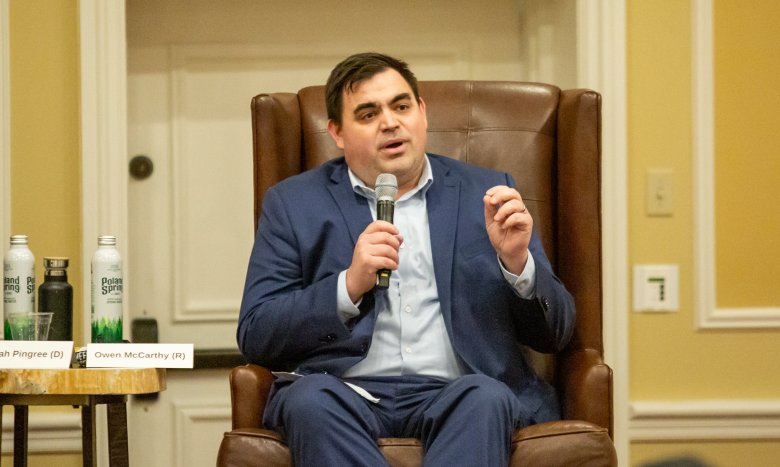
Candidates who participated in Saturday’s seminar included: Owen McCarthy, Hannah Pingree, Ed Crockett, Robert Wessels, Nirav Shah, Troy Jackson, Shenna Bellows, Jonathan Bush, Ben Midgley, Rick Bennett, Angus King and Jim Libby. They were split into two groups and given questions similar to a panel discussion, rather than a debate.
All are vying to replace Democratic Gov. Janet Mills, who is term-limited and is running for U.S. Senate.
Here’s what the candidates had to say about the most pressing challenges facing fisheries and the people that work in them in Maine.
1. Maine’s next governor wants industry input
Candidates from both parties agreed that they would defer to those who have worked in the industry on key decisions, including who will be the next leader of the Department of Marine Resources, a Cabinet-level post that the next governor will appoint.
Troy Jackson, a Democrat and former Maine Senate President, said his experience working as a logger in the Maine woods gave him an appreciation for leaders who understand Maine’s key industries and the experience of working people. “If I’m governor, I’m going to go to the industry to find out who would be best to be the commissioner,” Jackson said.
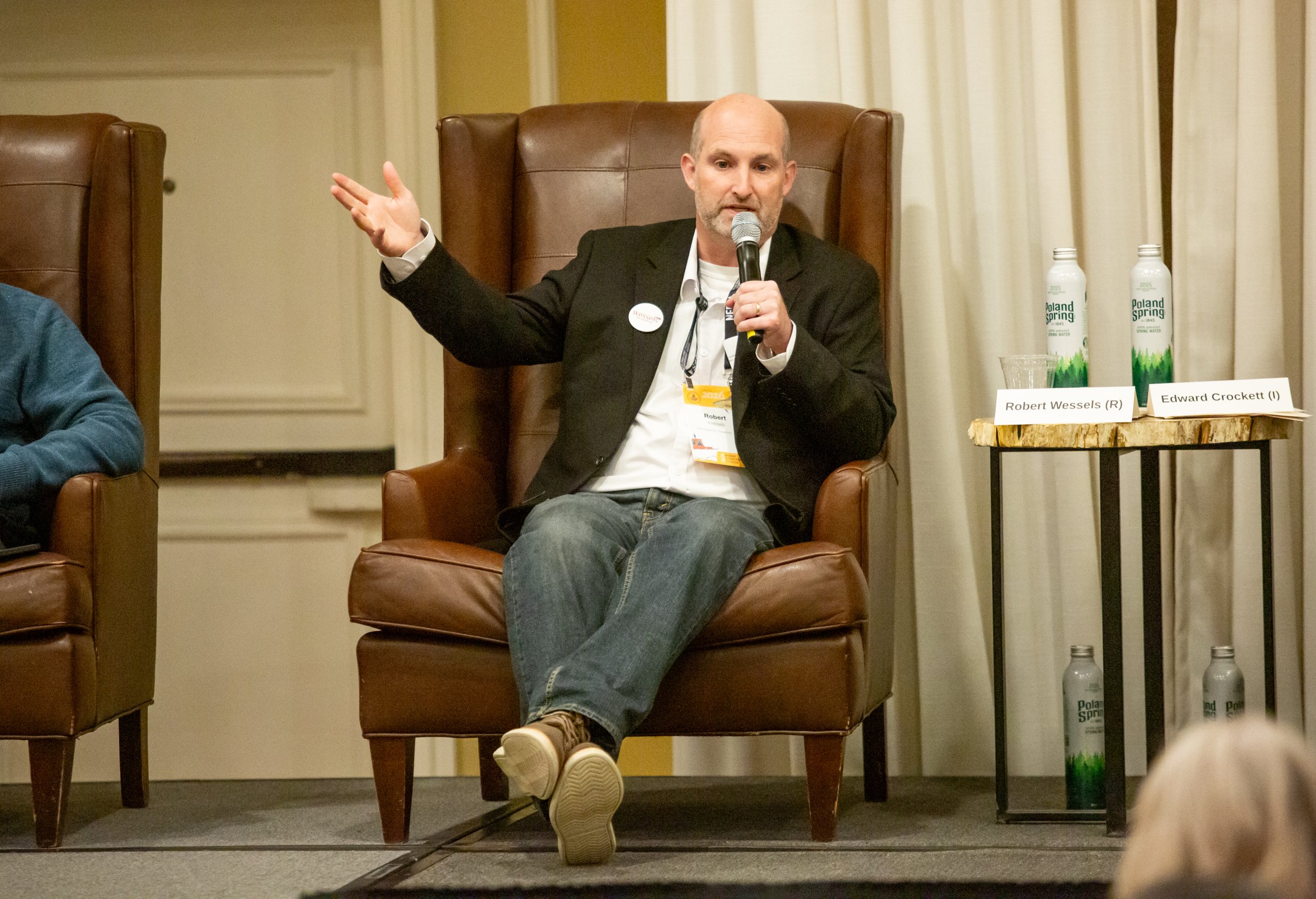
Robert Wessels, a Republican, similarly said he wants someone with “real lived experience.”
“I’ll be first one to tell you I don’t know everything about the lobster industry,” said Wessels, a political newcomer with a background in retail management. “As a leader, you have to surround yourself with people who do know.”
2. There is broad support for further delaying whale-related restrictions on lobster gear
All six of the candidates that had to answer a question about whether they support a 2022 federal spending provision that delayed new whale-related restrictions on lobstering gear said they do and would advocate for an extension when the current measure expires in 2028.
Angus King III, a Democrat and businessman, said the regulations were proposed on short-notice without enough science to back them up and they were “incredibly burdensome.”
“There’s no question the clause was the right answer,” said King, son of U.S. Sen. Angus King.
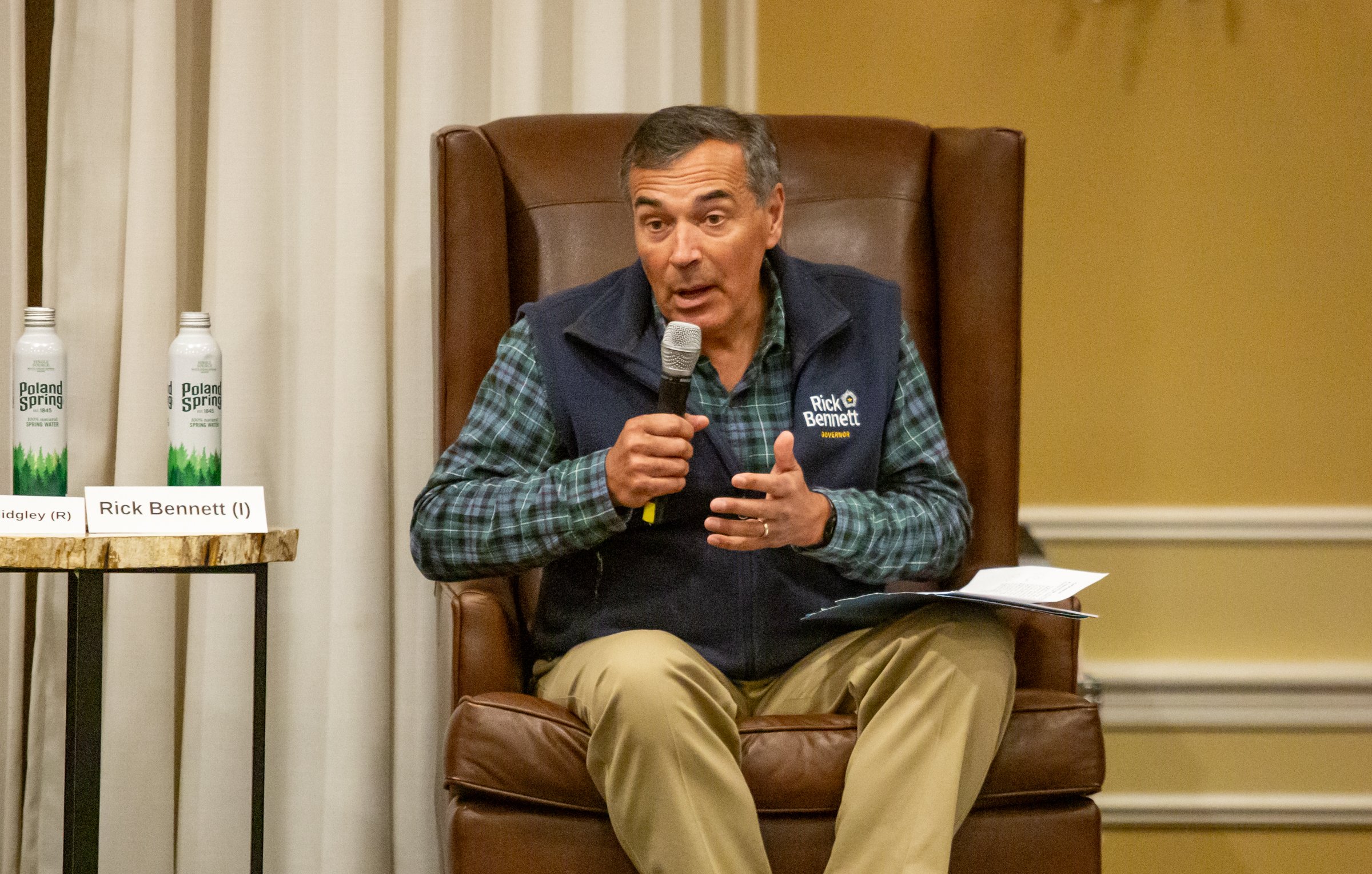
“Federal restrictions on fishing gear cannot be built on the backs of Maine fishermen,” said Rick Bennett, an independent and state senator from Oxford, adding that Maine fishermen have a long history of being responsible stewards of marine resources and more research is needed before new regulations are to be implemented.
Jim Libby, a Republican state senator, agreed. “We’re asking people to change what they’re doing and use technology that is not proven, and we want you to pay for it,” Libby said. “We’re not ready for that, so I absolutely would support the extension.”
3. Maine’s fishing industry is facing the same problems as the rest of the state
While Saturday’s forum was focused on the fishing industry, candidates also had a chance to talk about broader issues as they fielded questions about housing, health care and the opioid crisis.
On a question about improving access to health insurance, Democrat Shenna Bellows said she would work on improving the collective buying power of fishermen to make insurance more accessible, negotiate down drug prices and invest in rural health infrastructure as first steps. Bellows, who is currently Secretary of State, also said she supports universal health care.
Republican Jonathan Bush said he would make it easier for more providers to open in Maine, while fellow Republican Ben Midgley called for more regional health care centers, especially in Maine’s 2nd District, and reforming MaineCare.
Candidates from both parties stressed that people who work on Maine’s coast should not be priced out of living there.
Democrat Nirav Shah, Maine’s former CDC director, called for investments in workforce housing, zoning reforms and said the state could explore a “deeded access or land trust model” to ensure housing access in waterfront communities.
On the opioid crisis, Democrat Hannah Pingree, a former speaker of the Maine House and daughter of U.S. Rep. Chellie Pingree, noted that while the number of deaths from opioid overdoses had recently declined, investments are still needed and health insurance access is critical while independent Ed Crockett, a state representative from Portland, called for education and access to affordable recovery services.





We invite you to add your comments. We encourage a thoughtful exchange of ideas and information on this website. By joining the conversation, you are agreeing to our commenting policy and terms of use. More information is found on our FAQs. You can update your screen name on the member's center.
Comments are managed by our staff during regular business hours Monday through Friday as well as limited hours on Saturday and Sunday. Comments held for moderation outside of those hours may take longer to approve.
Join the Conversation
Please sign into your CentralMaine.com account to participate in conversations below. If you do not have an account, you can register or subscribe. Questions? Please see our FAQs.