

New community paramedicine standards have sprung Maine’s providers into action, with some eager to take the time and training to level up their licenses.
Others say they won’t be able to meet the requirements, leaving fewer people to provide care for vulnerable residents.
Since 2012, Maine has allowed people with EMS licenses to practice community paramedicine, an innovative preventive health field that sends paramedics to patient’s homes to provide wellness checks, blood draws and other nonemergent support. Programs popped up across the state, relying on national standards and a patchwork of state training centers and grants.
But in December, for the first time, Maine EMS began requiring community paramedics to have their own licenses, with the goal of formalizing educational standards and opening the door to reimbursement opportunities. Some worry it will cripple programs already struggling with staffing and funding.
In Waterville, two-thirds of the city’s 20 community paramedics dropped off, citing the new requirements.
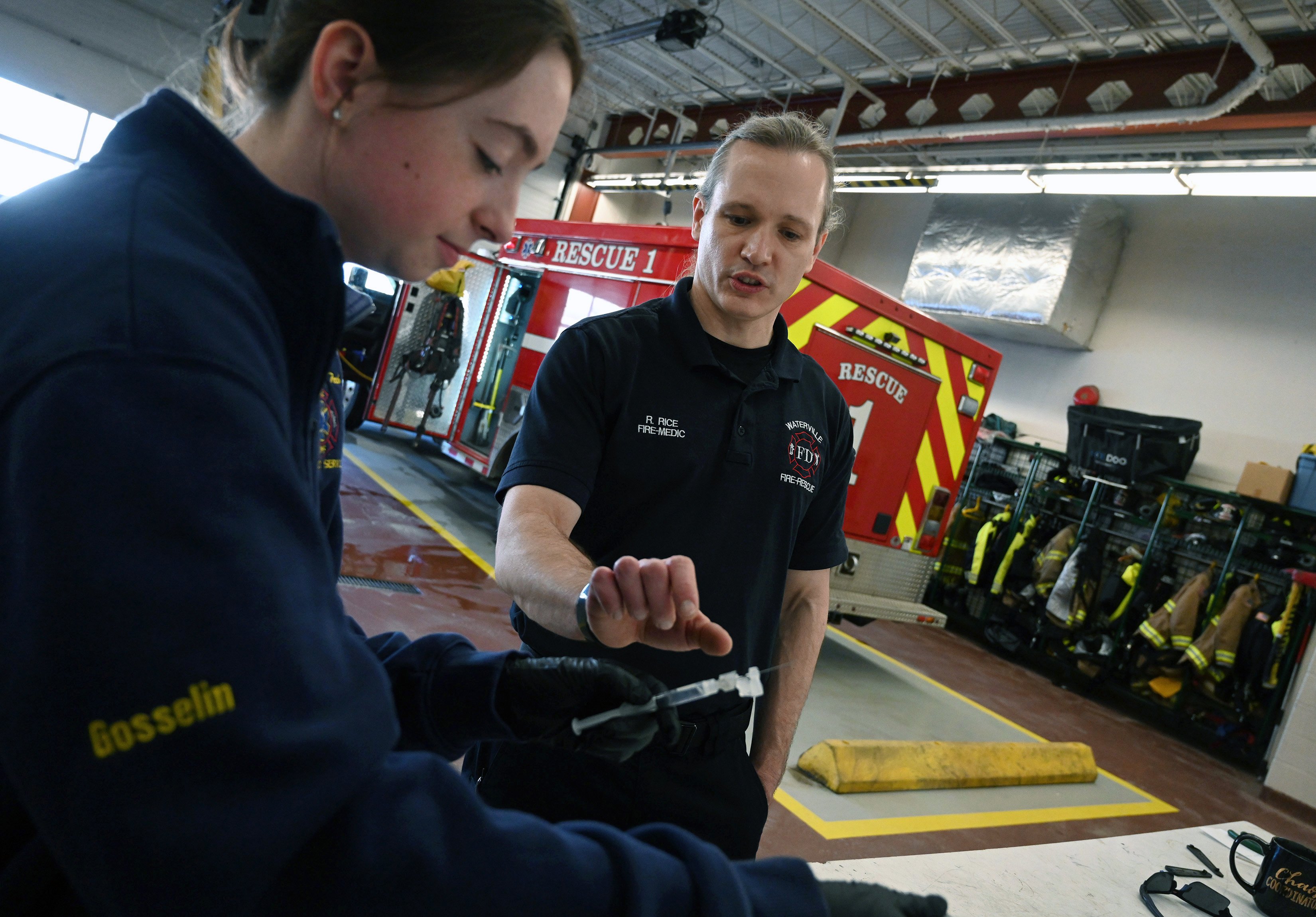
“I’m not going to be able to get that much education in a year,” Robby Rice, a former Waterville community paramedic, said. “The education is very limited right now. I have priorities, and I have a family, too, so I don’t want to spend all my time here.”
THE DROP OFF
There are 17 licensed community paramedicine programs in Maine, but now every community paramedic also needs a license, including the six remaining in Waterville. That means putting in between 40 and 1,800 hours of training, depending on the level of license, plus 50 hours of continuing education every two years.
According to Maine EMS, the new standards promote statewide “consistency, competency, and accountability.” They can help tailor training programs, serve as a basis for professional standards and ultimately lead to formal recognition of community paramedicine initiatives, which could inform reimbursement and billing down the road.
Soliana Harnish, community paramedicine coordinator for Maine EMS, said many community paramedics are easing the transition with conditional licenses, which allow them to continue practicing within their scope of licensure — paramedic, EMT or AEMT — as long as they complete education requirements and apply for a community paramedic license within the year.
There are three levels of community paramedic licenses: affiliate, technician and clinician. Maine has courses only for the first two, and the classes cost between $1,500 and $3,000, plus hours of classroom and clinical training that Rice, who juggles a second job, doesn’t have.
Patients have also felt the drop off, said Lisa Szczepaniak, who receives weekly wound care from Waterville’s community paramedics.
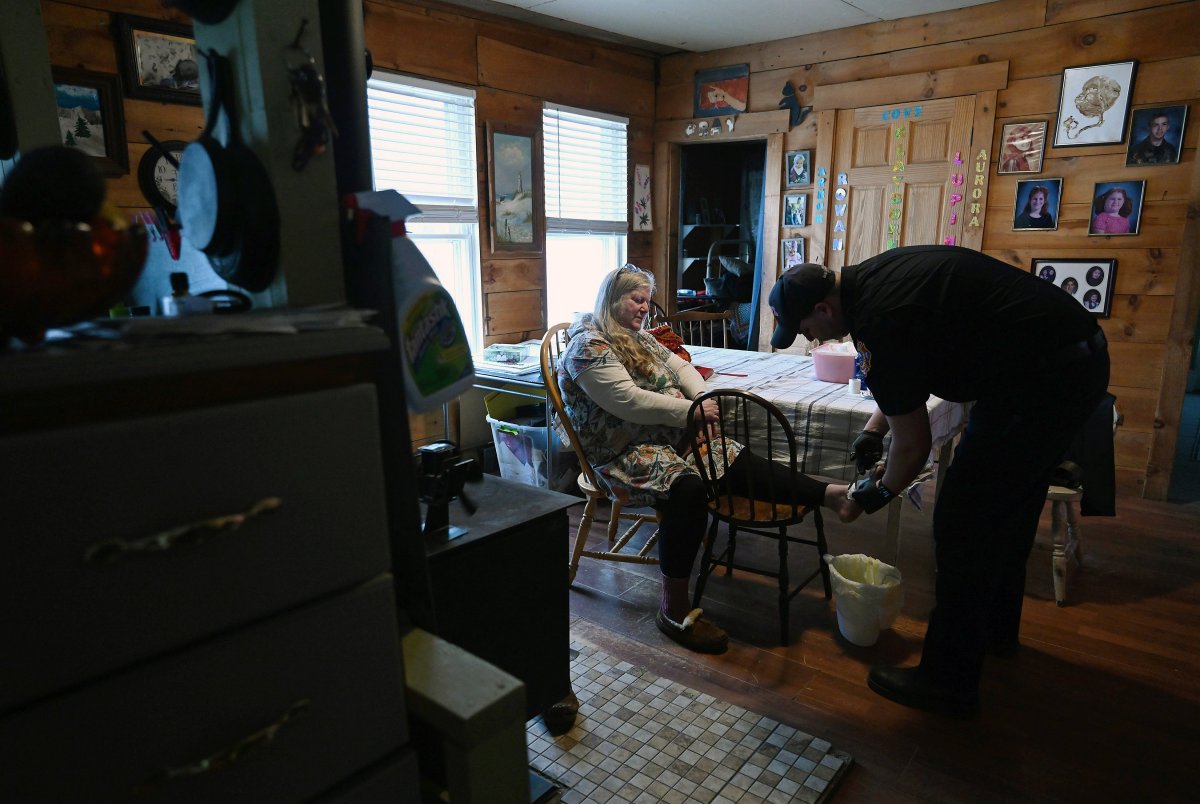
After two toes were amputated late last year, the 63-year-old said she did not have insurance or cash to cover wound therapy in the hospital. She said “they kicked me out,” but not before a physician referred her to Waterville’s community paramedicine program.
“They have saved my foot,” Szczepaniak said. “It’s almost totally healed. It’s taken five months, and they have never missed a time, they have made sure that I was doing what I needed to do to heal.”
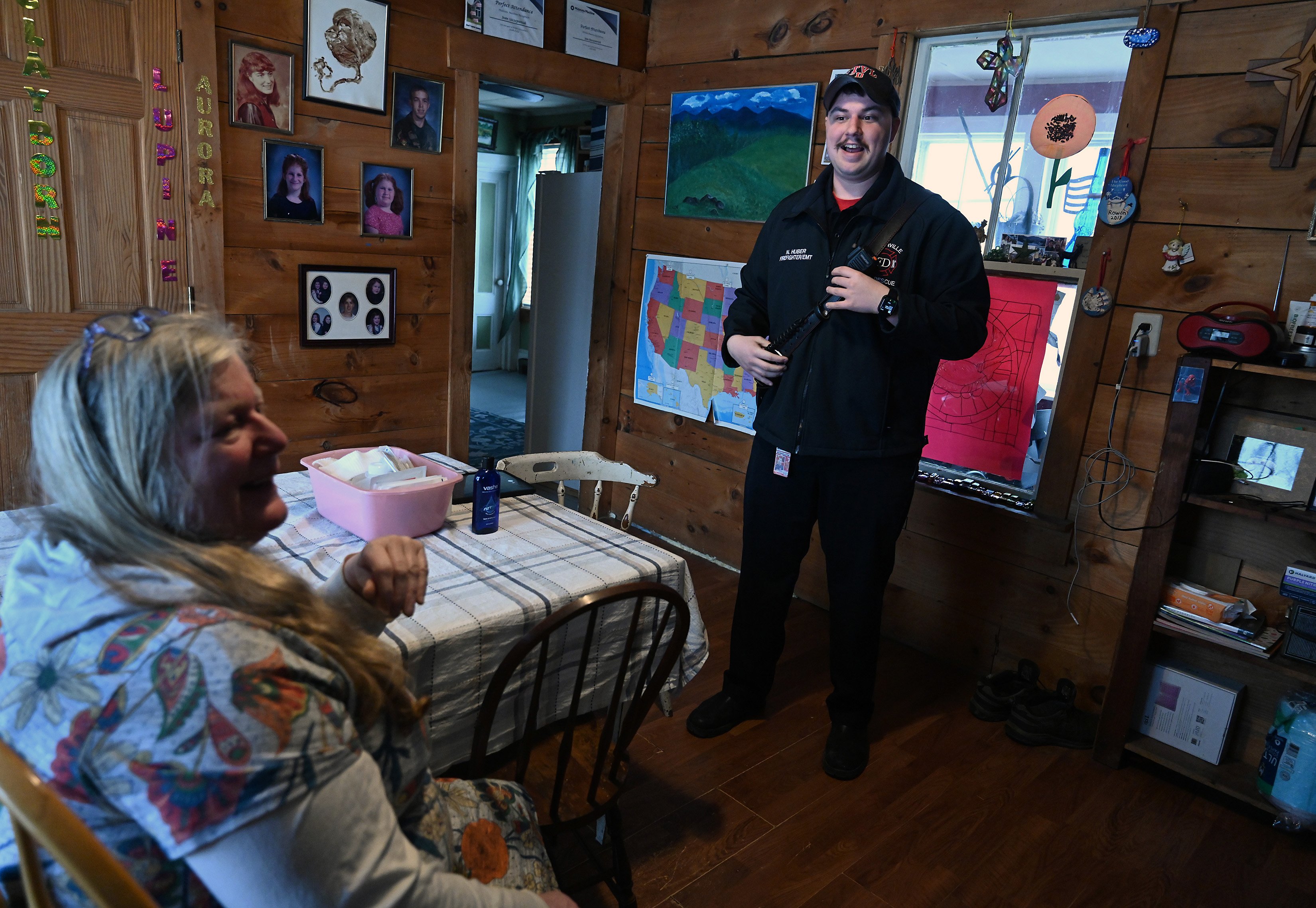
Community paramedicine visits keep patients from calling 911, which improves patient outcomes and lowers the burden on hospital systems. Waterville’s paramedics still visit Szczepaniak at her home in Benton three times a week to take her blood pressure, check her blood sugar and treat her wounds.
Kaylee Brown, a community paramedic and firefighter paramedic, said the loss of the other community paramedics makes it harder for Waterville’s remaining crew to cover shifts.
“When there are days that we may have appointments scheduled but no provider has picked up the shift, we juggle,” Brown said. “And either our deputy chief will go out and do them, or we’ll try to free up someone on shift.”
LAYING THE GROUNDWORK
Six community paramedics requested this month that the Maine EMS Board waive their training requirements, arguing they had already taken community paramedicine courses that should satisfy the new standards.
One was Dennis Russell, a community paramedic who teaches the technician course at United Training Center in Lewiston. He said granting the waiver “would avert significant injustice” and that “requiring repetition of substantially equivalent education would not enhance patient safety.”
Board members decided Wednesday to table the waiver requests until next month. They had concerns about the timeline and shortage of training courses but said they needed further analysis of each applicant’s education.
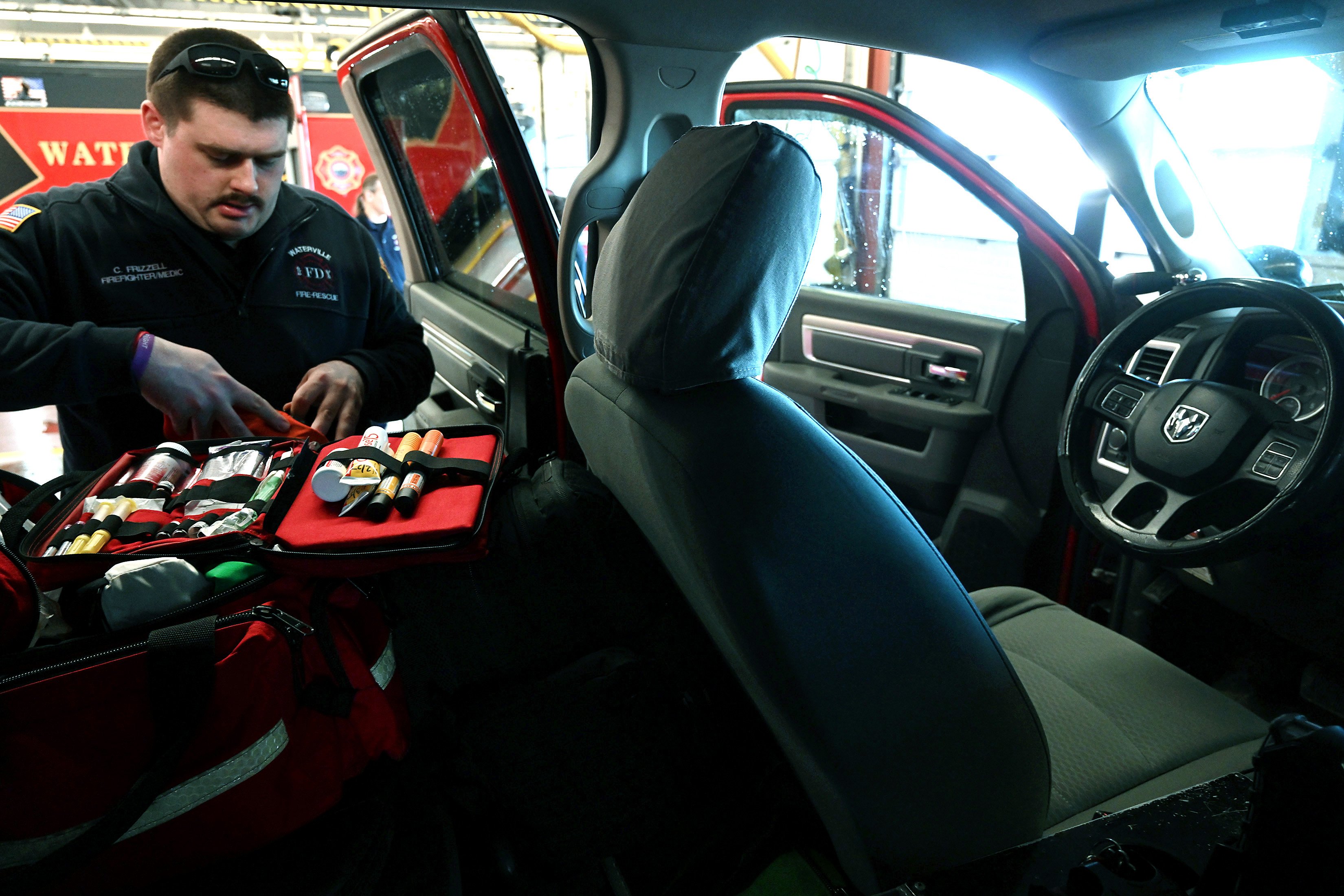
The price of the courses is another obstacle. Unlike ambulance and hospital services, paramedicine is not reimbursed by insurers. Most of Maine’s programs are funded by grants, including one that was temporarily frozen by the U.S. Department of Health and Human Services last March.
Brown said Waterville can’t afford to send six people to the training course, “both in cost of the class, but also the cost to backfill the overtime.”
There are about 22 students in the technician course and 20 in the affiliate course. Russell said United is working on rolling out a clinician course.
The goal is to have several more, Harnish said. Maine requested more than $30 million for community paramedicine educational initiatives from the Rural Health Transformation Fund, a federal program to strengthen rural health care.
“The hope would be that those funds can help support more training centers and building the infrastructure to provide (community paramedicine ) education,” Harnish said. “And then once it’s in place after a couple of years, students pay for courses, so it can help self-sustain, as long as they have that initial groundwork laid.”
EVERY COMMUNITY NEEDS
The new licenses also caused the number of community paramedicine programs in Maine to decrease from 22 to 17. Harnish said that isn’t necessarily a bad thing.
“We had some agencies that were not active and hadn’t really been active for a couple years,” Harnish said. “So I think the 17 agencies really shows us more of who is either currently practicing or really working to set up the infrastructure to provide that service.”
New programs, like Stockton Springs Ambulance Service, are still popping up, while others are adjusting to their community’s needs.
Topsham’s program, which funds a full-time community paramedic in its annual budget, helps residents age safely at home. Portland has a large unhoused population, which means figuring out how to get referrals for patients who don’t have doctors.

Waterville treats a variety of patients in the city and surrounding towns. Rice, one of the first community paramedics on board when the program started in February 2024, said he hopes to rejoin the crew once Maine offers more educational options.
“Once they figure out what it is, I’m going to do it again,” Rice said. “I really enjoyed doing it for the time I did.”
Szczepaniak is coming up on her last appointment for wound care. She says she will miss seeing her “family” every week.
When insurance companies, hospitals, ambulance bills and other systems fail patients, she said, they should know there’s another option for care.
“For me, it was mainly wound care and coming in and checking on me and making sure that I was all right,” Szczepaniak said. “But there are so many people out there that just need a little guidance. And when they have the knowledge, they can help.”

We invite you to add your comments. We encourage a thoughtful exchange of ideas and information on this website. By joining the conversation, you are agreeing to our commenting policy and terms of use. More information is found on our FAQs. You can update your screen name on the member's center.
Comments are managed by our staff during regular business hours Monday through Friday as well as limited hours on Saturday and Sunday. Comments held for moderation outside of those hours may take longer to approve.
Join the Conversation
Please sign into your CentralMaine.com account to participate in conversations below. If you do not have an account, you can register or subscribe. Questions? Please see our FAQs.