
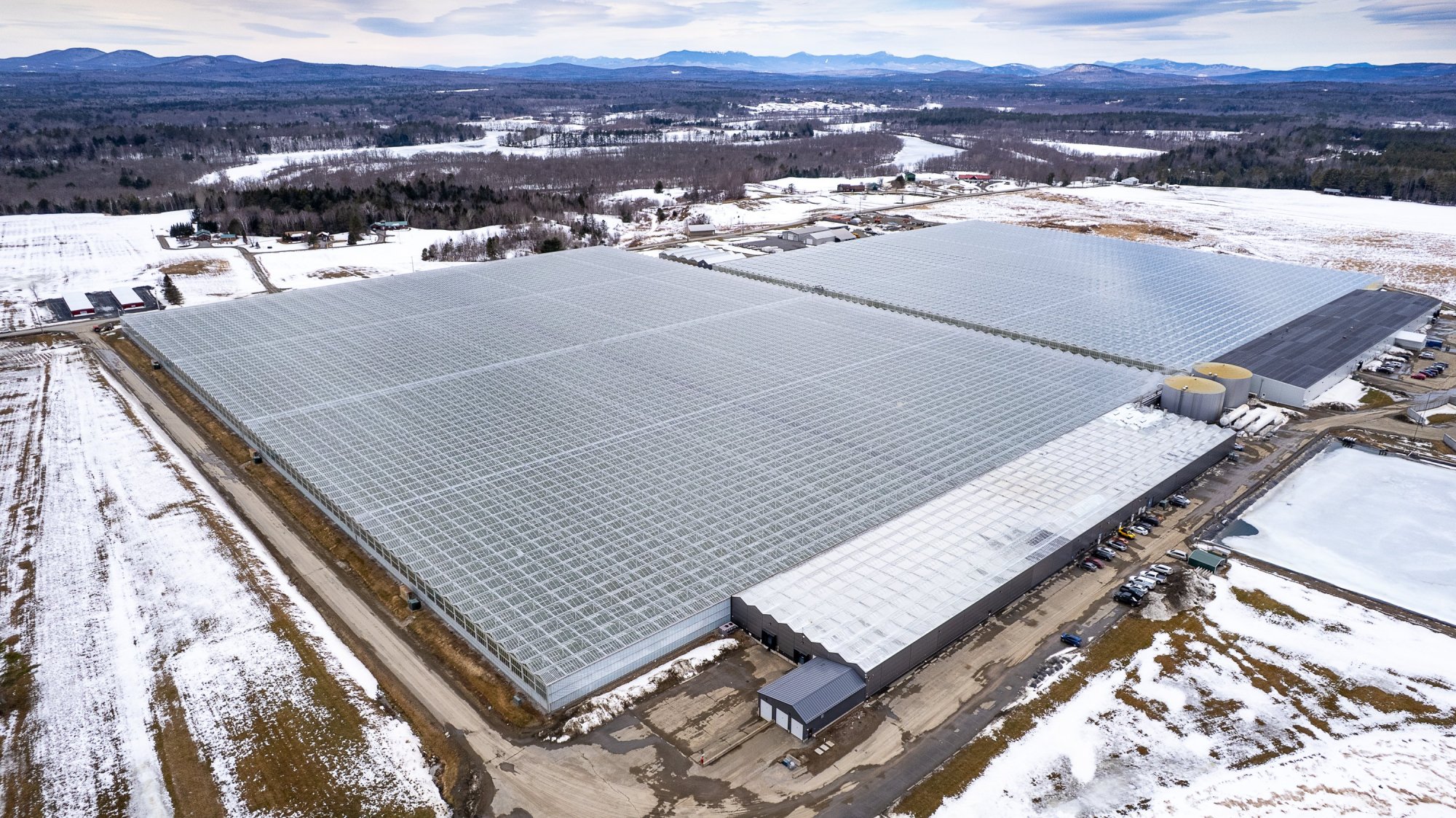

MADISON — Tim Curtis recalls the meeting about eight years ago when executives from a local tomato producer told area officials of plans to supplement their workforce with temporary, migrant workers.
“You could kind of see the mixed reaction in the group,” said Curtis, who then was Madison’s town manager.
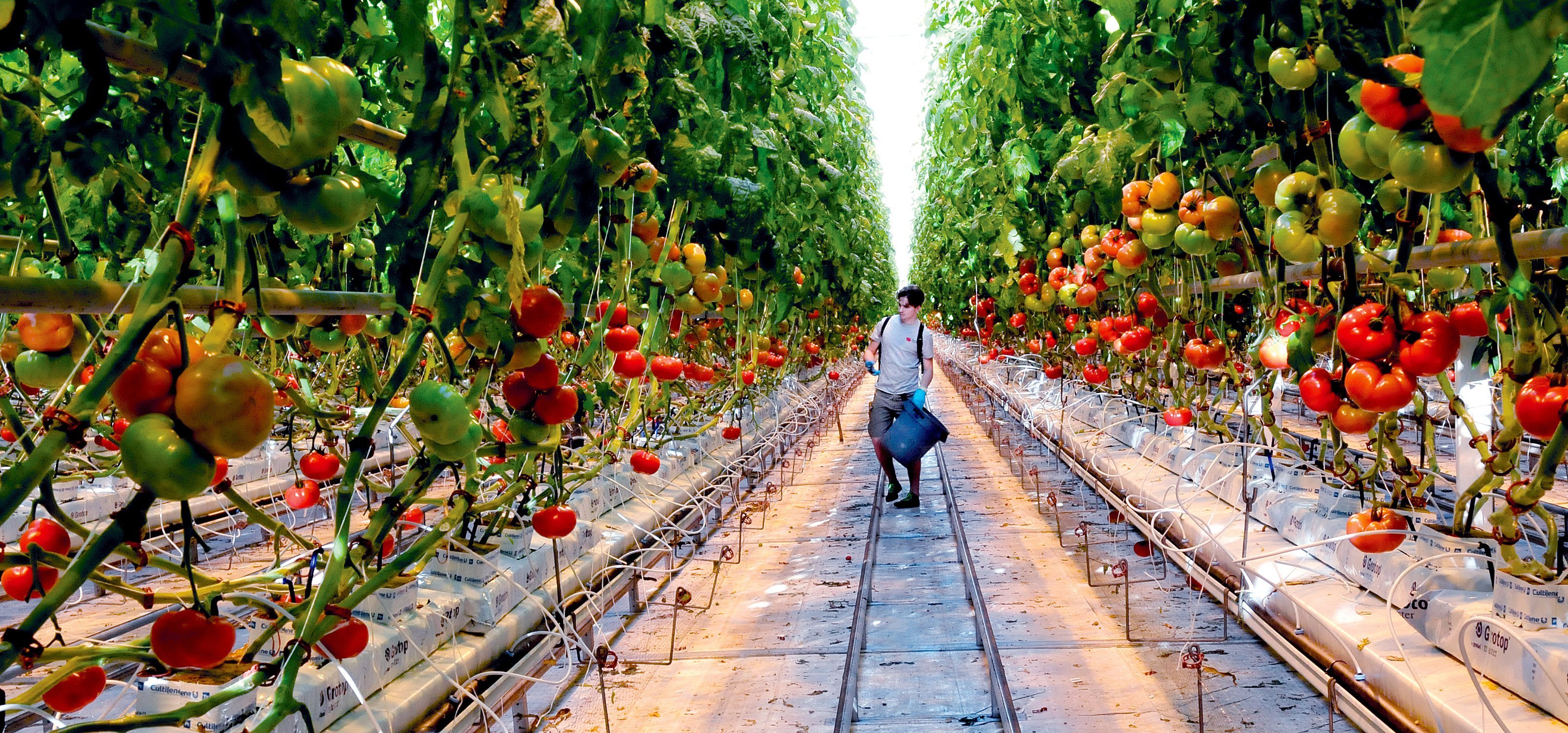
The founders of Backyard Farms, which harvested its first tomato in 2007, had been drawn to the Somerset County town in part due to what they saw as industrious local workers.
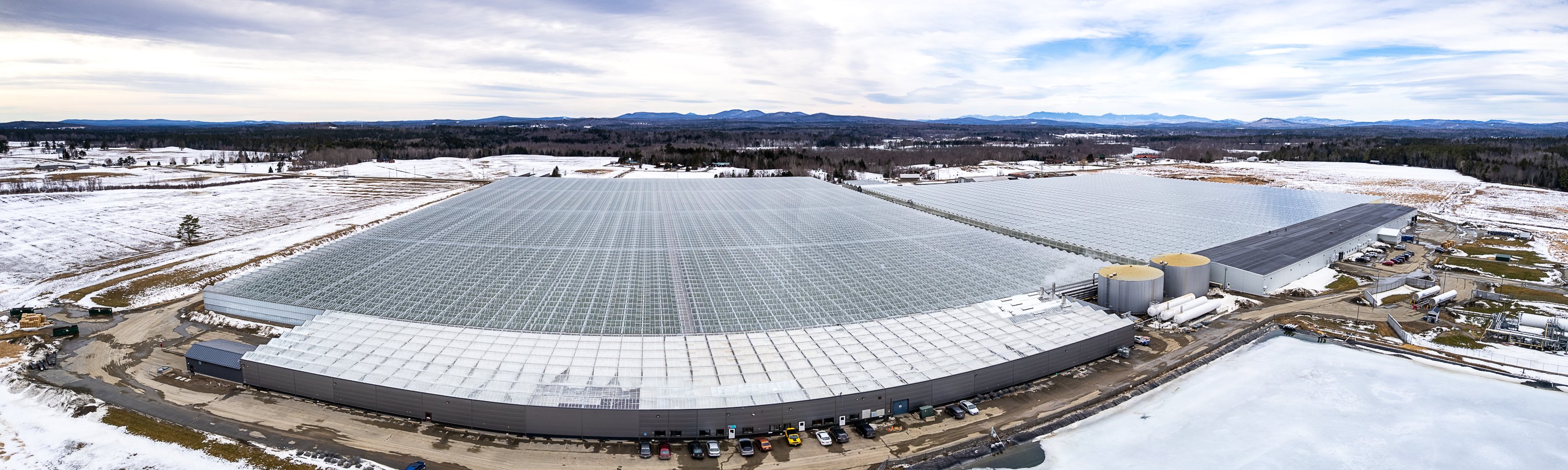
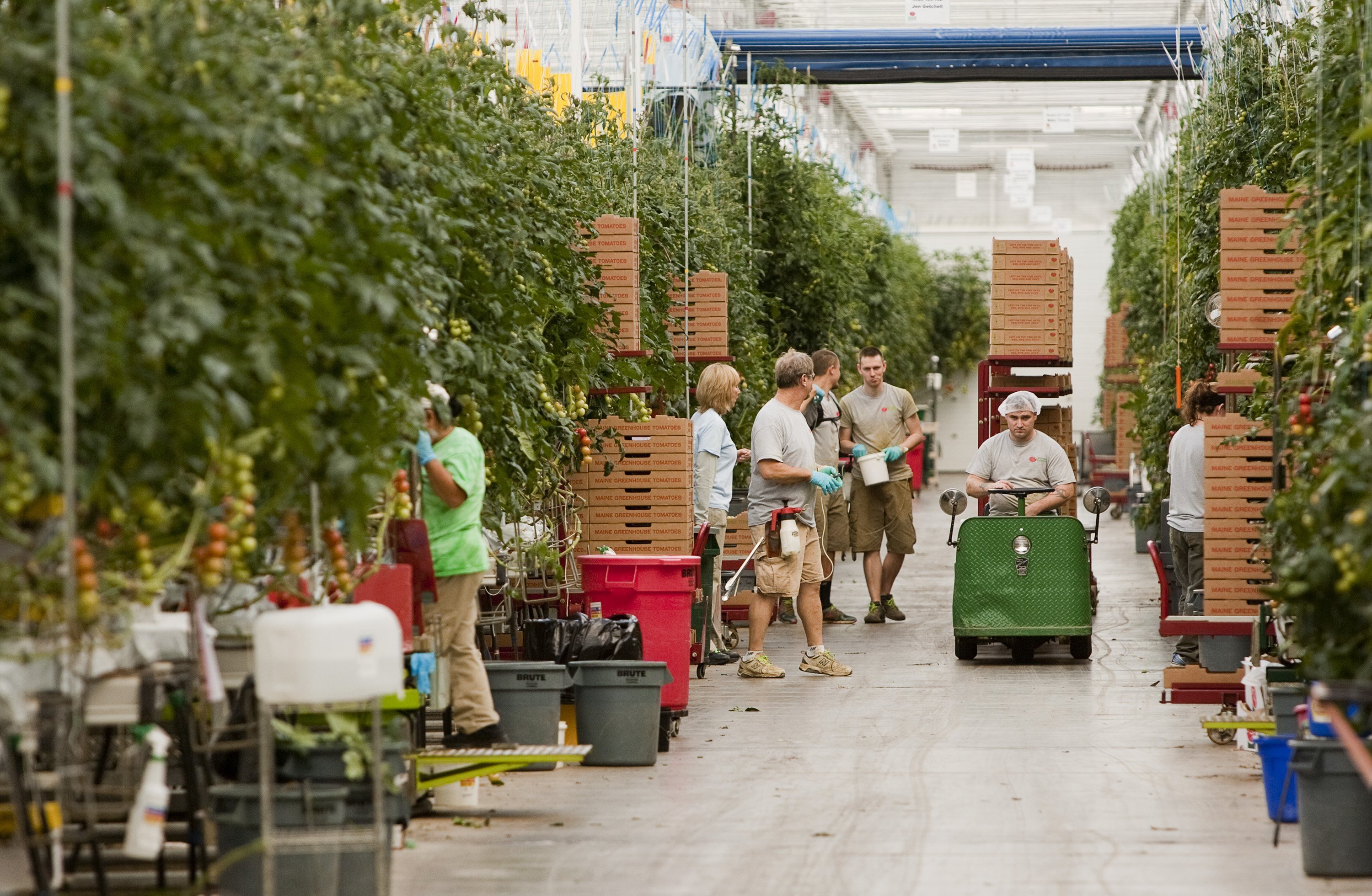
In the first 10 years, the greenhouses on River Road grew into one of Madison’s largest private employers, behind only the paper mill in the heart of town that shut down in 2016. In 2017, when the Canadian company Mastronardi Produce bought the two-greenhouse, 42-acre operation, Backyard Farms employed about 200 workers.
Mastronardi’s decision to bring in foreign workers through the H-2A visa program marked a significant shift, said Curtis, now Somerset County’s administrator.
And it landed Backyard Farms in trouble. Federal labor regulators found the company, between 2017 and 2019, dismissed domestic workers employed by temporary staffing agencies to make room for incoming foreign workers with H-2A visas. The company had to pay a total of $350,000 in civil penalties and back wages.
In recent weeks, Backyard Farms’ employment practices have grabbed headlines again. Two immigration enforcement operations resulted in large-scale detentions of the greenhouses’ workers, who Mastronardi said were employed by a contractor.
Why U.S. Customs and Border Protection appeared to have targeted the workers remains unclear. But the detentions came amid President Donald Trump’s efforts to crack down on illegal immigration and just weeks after the U.S. Department of Homeland Security, which includes CBP, upped its enforcement in Maine through “Operation Catch of the Day.”
The operations have put the spotlight on an agricultural industry in Maine that most agree has come to rely heavily on migrant labor amid changes in economic conditions and an aging workforce.
“The immigrant population has been a solution to Maine’s population issues,” said Erin Benson, executive director of the nonprofit Central Western Maine Workforce Development Board.
WORKERS DETAINED
In the Customs and Border Protections operations Feb. 10 and 25, agents stopped vehicles transporting workers to the Madison facility from a former motel on West Front Street in Skowhegan, now used as housing for Backyard Farms workers, according to witnesses, immigrant advocates and legal filings.
CBP has not released information about the raids. A regional spokesperson for the agency, Ryan Brissette, has said multiple times that he needed approval from more senior officials before providing any details. CBP and DHS have not responded to several emailed requests for information.
The office of U.S. Sen. Susan Collins, a Republican, said DHS officials said after the Feb. 10 bust that it was a “targeted operation” unrelated to the enhanced immigration enforcement in January, which Collins previously announced had ended.
The work authorization status of those detained is not known. Of the handful of workers who filed petitions in federal court challenging their detentions — most of whom judges ordered released pending bond hearings in immigration court — none have indicated they had H-2A visas.
Most were described as Venezuelan asylum seekers awaiting immigration court proceedings. One indicated in federal court filings he had authorization to work.
Backyard Farms has declined to answer most questions about the workers and did not respond to requests for an interview about the history of the company and its workforce. Mastronardi, which has several brands and facilities across North America, has said only that several workers did not arrive at the Madison greenhouses the days of the CBP operations and it was investigating.
“As a company, Backyard Farms takes employment compliance very seriously,” Mastronardi said in a statement.
Donn Poland, who owns the Skowhegan-based bus service transporting the workers detained Feb. 10, said he has worked for years with both Backyard Farms and a Michigan-based contractor, Martinez and Sons, that provides workers for the Madison plant.
The Backyard Farms workers, he said, have H-2A visas and work here for about 10 months. A group of them went back home around the end of 2025, Poland said.
He was unsure what kind of employment status the Martinez and Sons workers had but said his agreements with that company are shorter-term. Efforts to reach the contractor in recent weeks have been unsuccessful.
Backyard Farms had 50 certified H-2A greenhouse worker positions in Madison running from March 2025 to Jan. 2, according to a database from the U.S. Department of Labor’s Office of Foreign Labor Certification. The positions were for 45 hours per week at $18.83 per hour, records show. The company listed housing for up to 50 at the West Front Street property.
DEMAND FOR LABOR
The H-2A program has exploded in use in the last two decades — which analysts attribute to a tightening labor market, since a key criteria to make jobs eligible for the program is demonstrating there are not enough U.S. workers to fill them.
Nationwide, the Department of Labor reported certifying about 398,000 H-2A jobs during the federal government’s October 2024 to September 2025 fiscal year. Approximately 1,400 were in Maine.
About 80% of certified jobs across the country result in visas issued, the Economic Research Service of the U.S. Department of Agriculture says.
Meanwhile, federal data show about 40% of farmworkers — not counting H-2A visa holders — lack legal immigration status, according to the Economic Research Service. The agency notes that figure is difficult to determine.
James Myall, an analyst with the nonprofit Maine Center for Economic Policy, said immigrants tend to make up a larger percentage of the workforce in traditionally lower-wage industries, agriculture included.
In Maine, there has been great demand for workers, and pay in other sectors like retail and hospitality has outpaced inflation, Myall said.
“I think that means for some of these low-wage industries, like agriculture, they have a harder time hiring local folks, partly because people have more options for work,” Myall said.
Benson, of the regional workforce board, said she has no direct knowledge of Backyard Farms’ operations. But she said in any industry, businesses turn to migrant workers because they struggle to find help otherwise.
It is unclear exactly how many people Backyard Farms employs today in Madison, and of that total, how many are migrant workers.
Curtis, the county administrator, estimated the plant has fewer than 100 workers. Madison Town Manager Denise Ducharme said she had no recent information from the company and believed the total was fewer than a figure of about 200 she heard a few years ago.
Christian Savage, executive director of the quasi-governmental Somerset Economic Development Corp., also said he did not know. Backyard Farms is one of the few major businesses in the county his organization has little communication with, Savage said.
“It’s been a good project,” Savage said. “It’s been unfortunate to see what’s happened with their workers.”
‘THE EMPLOYER OF CHOICE’
Two decades ago, Backyard Farms opened to great fanfare.
Gov. John E. Baldacci, a Democrat, had the honor of being the first to pick a tomato grown there. The town and a local business park development group took out a full page advertisement in the Morning Sentinel, congratulating the business on its first harvest. Editorial boards, multiple times throughout 2007, praised the new produce grower.
There were good reasons to celebrate, beyond just the apparent miracle of farming tomatoes in the dead of a New England winter.
The company behind the project, originally known as U.S. Functional Foods, an offshoot of the Massachusetts-based financial giant Fidelity Investments, boasted state-of-the-art technology, environmentally friendly processes and a knowledgeable group of experts at its helm.
They touted long-term, tentative goals, including investing up to $210 million in various phases and creating up to 515 jobs, according to the town’s application for a tax increment financing district approved in 2006.
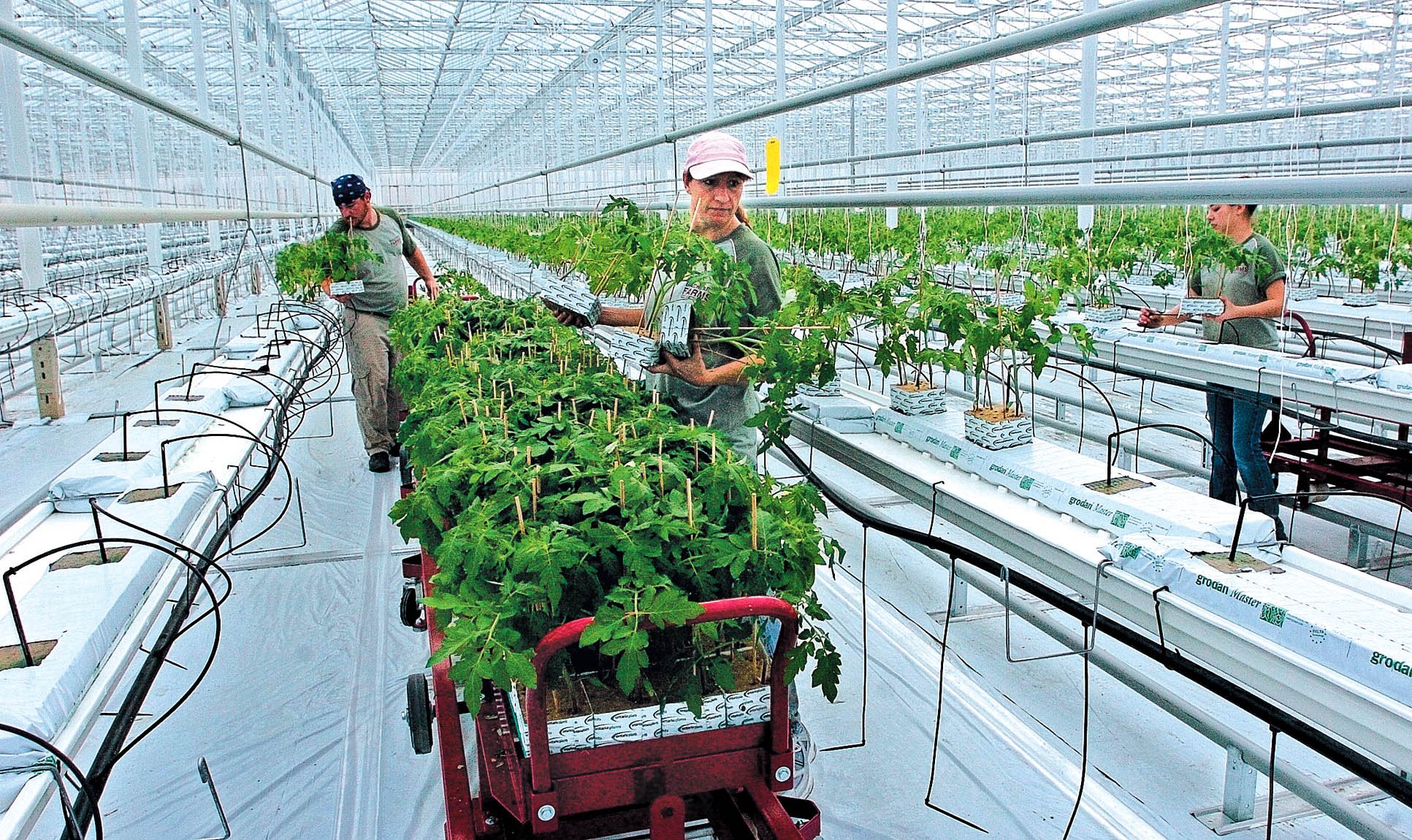
Madison, according to public records and newspaper archives, offered the business affordable land, low rates from the quasi-municipal utility Madison Electric Works and a local workforce ready to get the job done.
But the labor Backyard Farms needed to grow had been in question since its beginning.
When Backyard Farms told town officials six months after the first harvest of a three- to five-year plan to build four additional greenhouses and employ more than 300, then-chair of the Board of Selectmen Al Veneziano asked if that was feasible.
Dana Berry, then the company’s head of human resources and later Madison’s town manager, quickly answered yes, per the Morning Sentinel’s account of the meeting.
“Our goal is to make Backyard Farms the employer of choice in central Maine,” Berry told the selectmen.
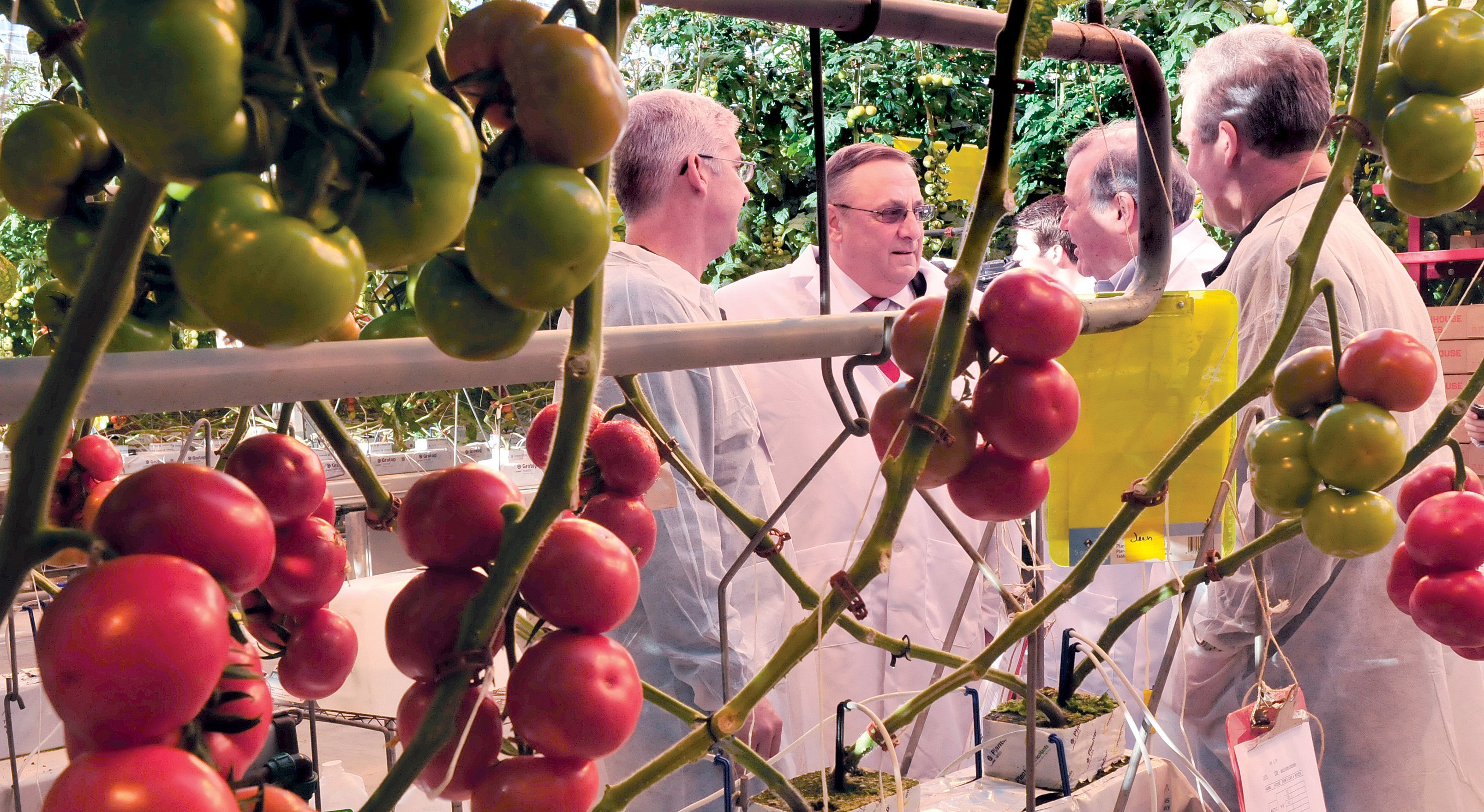
The second greenhouse was finished a couple of years later, and with it, the good news of more jobs with attractive benefits. Executives said they still had no interest in hiring migrant workers and that nearly all employees at the time lived within a 15-mile radius.
Plans for the additional greenhouses beyond the two never came to fruition. Ducharme and Curtis both said Backyard Farms has never come close to an employment incentive in the tax increment financing, or TIF, package, which would have increased the company’s tax credit if it hit 350 workers.
The TIF agreement is designed to be a financial win-win for the town and the company.
It sets an original assessed value of Backyard Farms’ parcels at about $350,000, which is taxed like any other property.
Taxes on any increase in real estate valuation get split: 70% goes back to Backyard Farms and the town keeps 30% for a list of approved special projects. The breakdown as part of the credit enhancement agreement would shift to 75-25 if the company hit the 350-worker mark.
The TIF also contains a unique provision that the town capture 100% reimbursement of certain tax-exempt business property within the district, which the state would otherwise reimburse at 50%, and there is a lot of it.
In 2025, for example, Backyard Farms was given a tax bill of about $767,000 for its overall property valuation increase of about $53.7 million, according to figures Ducharme provided. The town retained $443,000, plus about $5,000 in taxes on the original assessed value, while Backyard Farms got back $324,000.
The massive increase in valuation is sheltered from the state valuation used to calculate school district and county assessments, which generally works out to be a net benefit to town taxpayers.
The TIF runs for 30 years, but the credit enhancement agreement ends this year, Ducharme said.
Backyard Farms has been a good investment for Madison, Curtis said. But he is also concerned that greenhouses are said to have a lifespan of about 20 years, and Mastronardi has not shown much appetite — at least publicly — to invest and expand.
“And my experience is, with Madison Paper, that when they stop investing in the facility,” Curtis said, “that’s not a good sign.”

We invite you to add your comments. We encourage a thoughtful exchange of ideas and information on this website. By joining the conversation, you are agreeing to our commenting policy and terms of use. More information is found on our FAQs. You can update your screen name on the member's center.
Comments are managed by our staff during regular business hours Monday through Friday as well as limited hours on Saturday and Sunday. Comments held for moderation outside of those hours may take longer to approve.
Join the Conversation
Please sign into your CentralMaine.com account to participate in conversations below. If you do not have an account, you can register or subscribe. Questions? Please see our FAQs.