

Maine’s largest affordable housing developers are at a loss.
Ten projects that would add more than 400 sorely-needed units to the state’s low-income housing stock are fully permitted and ready to go.
But none can break ground because of a new federal rule designed to boost American manufacturing.
The Build America Buy America Act, signed by President Joe Biden in late 2021 as part of the Infrastructure Investment and Jobs Act, requires all building projects using certain government funds to source 95% of their construction materials from the United States.
Developers say the rule was created with a noble aim, but in practice, it has brought the affordable housing industry to its knees.
The U.S. Department of Housing and Urban Development postponed many of the BABA requirements into last year, but the law is now in effect and Maine is on the front lines of implementing a program that developers here say doesn’t just add a mountain of paperwork and hundreds of thousands of dollars onto a project’s bottom line, it makes construction nearly impossible.
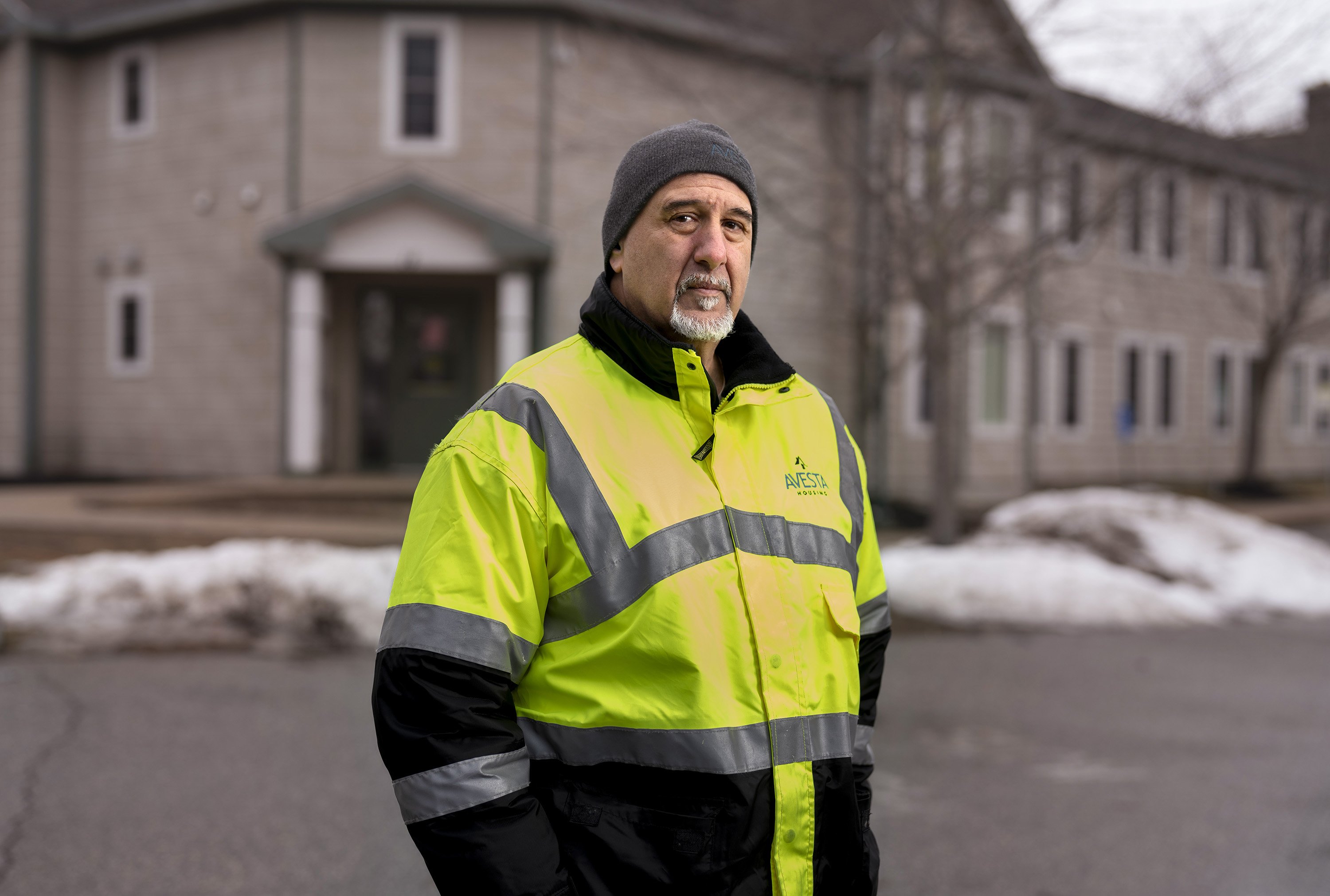
“They took a program that was designed for infrastructure, roads, bridges and a ton of large construction, and they just basically rubber-stamped it to say, ‘Well, now we’ll just push it on affordable housing as well,'” said Todd Rothstein, director of construction services for the Portland-based nonprofit Avesta Housing.
But where bridges and roads might have hundreds of components, affordable housing projects have thousands, he said. Each component might have dozens of options. And some products — including many heating, ventilation and air conditioning systems (like heat pumps) or their components – are not even available from American manufacturers.
So developers have to request a waiver from the Department of Housing and Urban Development that will take at least six months to process.
For some projects, that’s too long.
“We don’t know exactly when we’re going to get the waiver, we don’t know exactly when we can start construction, but we have all of these expenses that are going out the door,” said Laura Reading, director of affordable housing for Developers Collaborative in Portland.

DELAYED WAIVERS THREATEN PROJECTS
Not all affordable housing projects receive federal funding, but many do, relying on programs like the HOME Investment Partnerships Program and the National Housing Trust Fund, which are often used in concert with federal low-income housing tax credits. The latter program does not automatically trigger BABA because it is funded by the U.S. Treasury.
There are 10 Maine projects currently subject to Build America Buy America requirements. And the groups behind them — Developers Collaborative, Community Housing of Maine, and Avesta Housing — and other affordable housing heavy-hitters in Maine say they have been stymied.
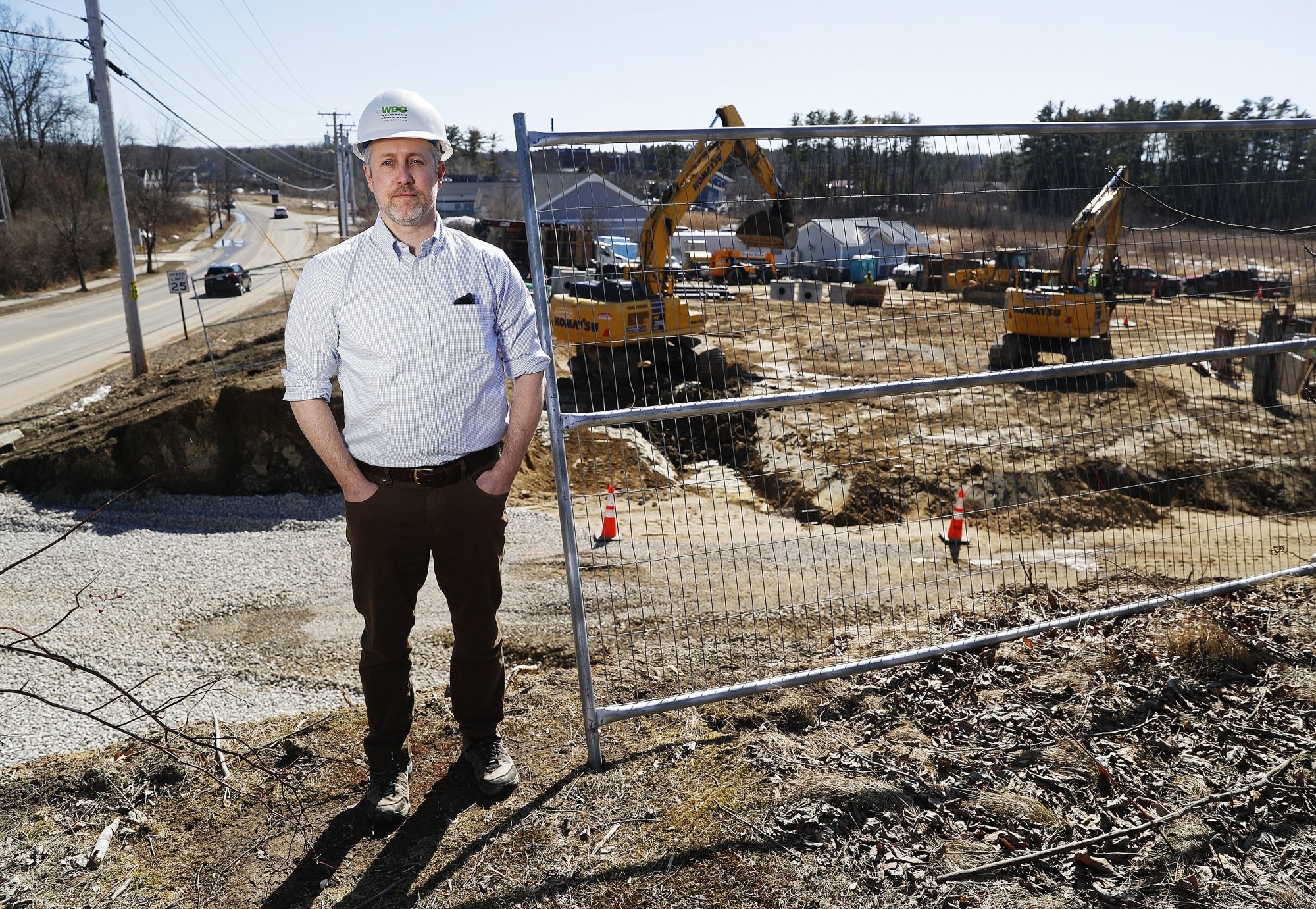
Tyler Norod, Westbrook Development Corporation’s director of development, said none of Maine’s developers have come across anyone in the country that has been able to get a BABA-funded project across the finish line.
Three Maine projects are awaiting a decision on a waiver:
- 47 apartments for low-income, older adults in Bath. The project is ready to start construction this spring.
- A child care center for Youth and Family Development with 110 spots and a housing development with 60 units in Portland.
- Pettingill Pines development in Windham, which will include 48 apartments also for low-income, older adults.
All of these projects are held up by the need for HVAC systems, which developers have repeatedly said are not fully manufactured in the United States, and are not expected to be any time soon.
None of them have been processed by HUD.
After this story was published online Thursday, U.S. Rep. Chellie Pingree, D-1st District, called on HUD Secretary Scott Turner to expedite the waiver review process.
“These delays directly affect low-income households, seniors, and families who are already waiting months or years for safe, stable, and affordable homes,” she said.
A months-long waiver delay isn’t just an inconvenience, it could cause the whole project to fall apart.
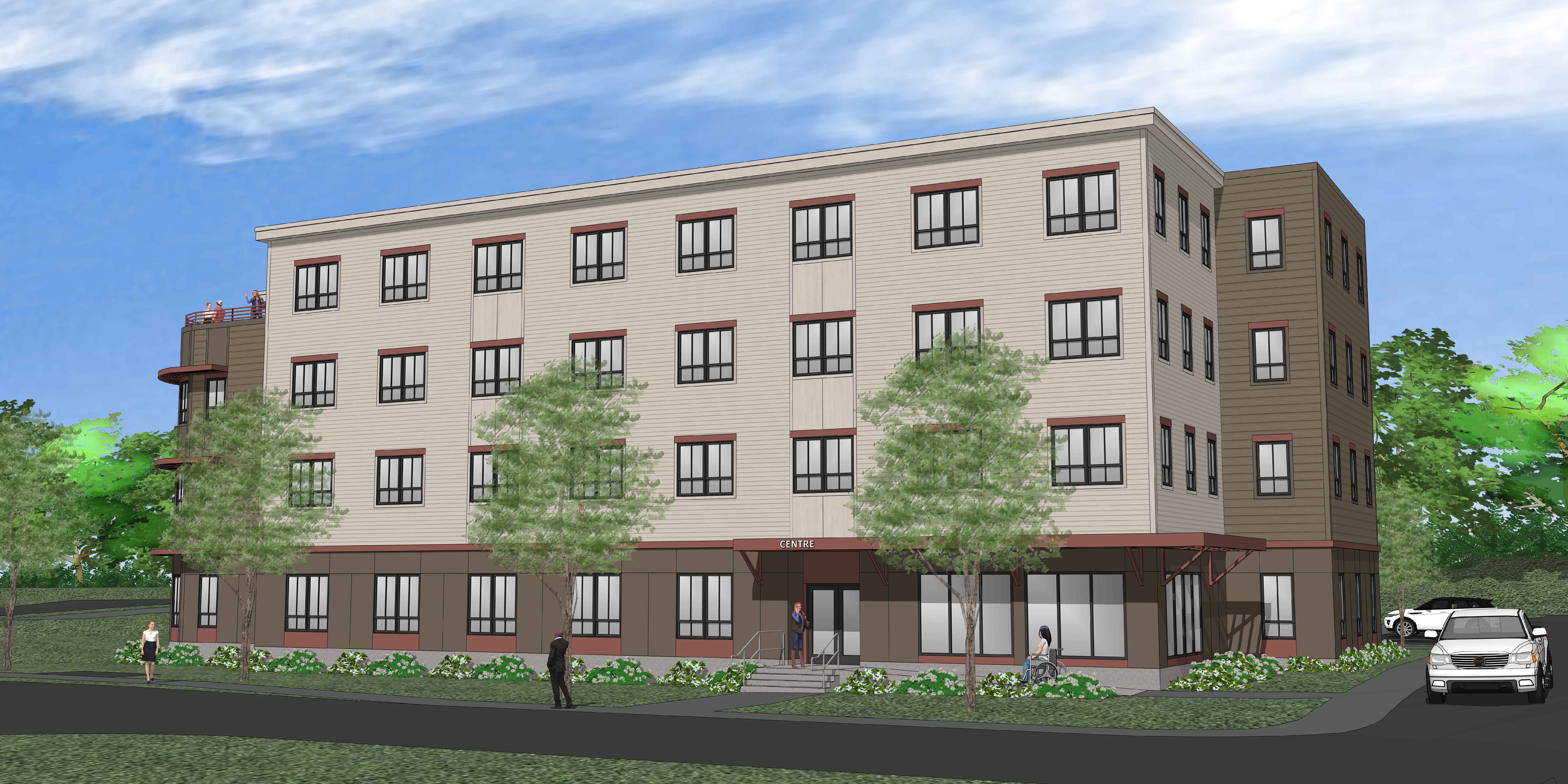
Recipients of the 9% Low Income Housing Tax Credits – which include both the Pettingill Pines and Anchorage South projects, among others in Maine − only have two years to complete their projects or lose their funding.
Reading said it’s unclear why the department is taking so long to process the waivers when other federal agencies have moved through them at a faster clip. Developers Collaborative’s two waivers were submitted in October and November.
She has seen waivers submitted in August that haven’t received an answer.
HUD also hasn’t explained the timeline and did not respond to questions about the delay. Rothstein believes it’s a staffing issue.
“HUD has been decimated,” he said. The Trump administration previously announced plans to cut the department’s numbers by at least 40%, though confirmed statistics were not available. A list of 84 of the department’s most senior positions included 48 vacancies.
Working with the government, and the inevitable delays that come with it, is part of the deal with affordable housing development, but Kevin Bunker, founder of Developers Collaborative, said the current situation is “notably worse.”
“If we’re waiting nine months for a BABA waiver,” Bunker said, “that’s nine months that on the other end, people are waiting to get into affordable housing.”
Meanwhile, there’s a “big risk of price increases while we sit here and wait for this decision,” Reading said.
NEEDED HOUSING
Norod said the requirements have created “an unofficial moratorium” while officials work on a solution.
It’s the worst time for affordable housing production in the state to slow down.
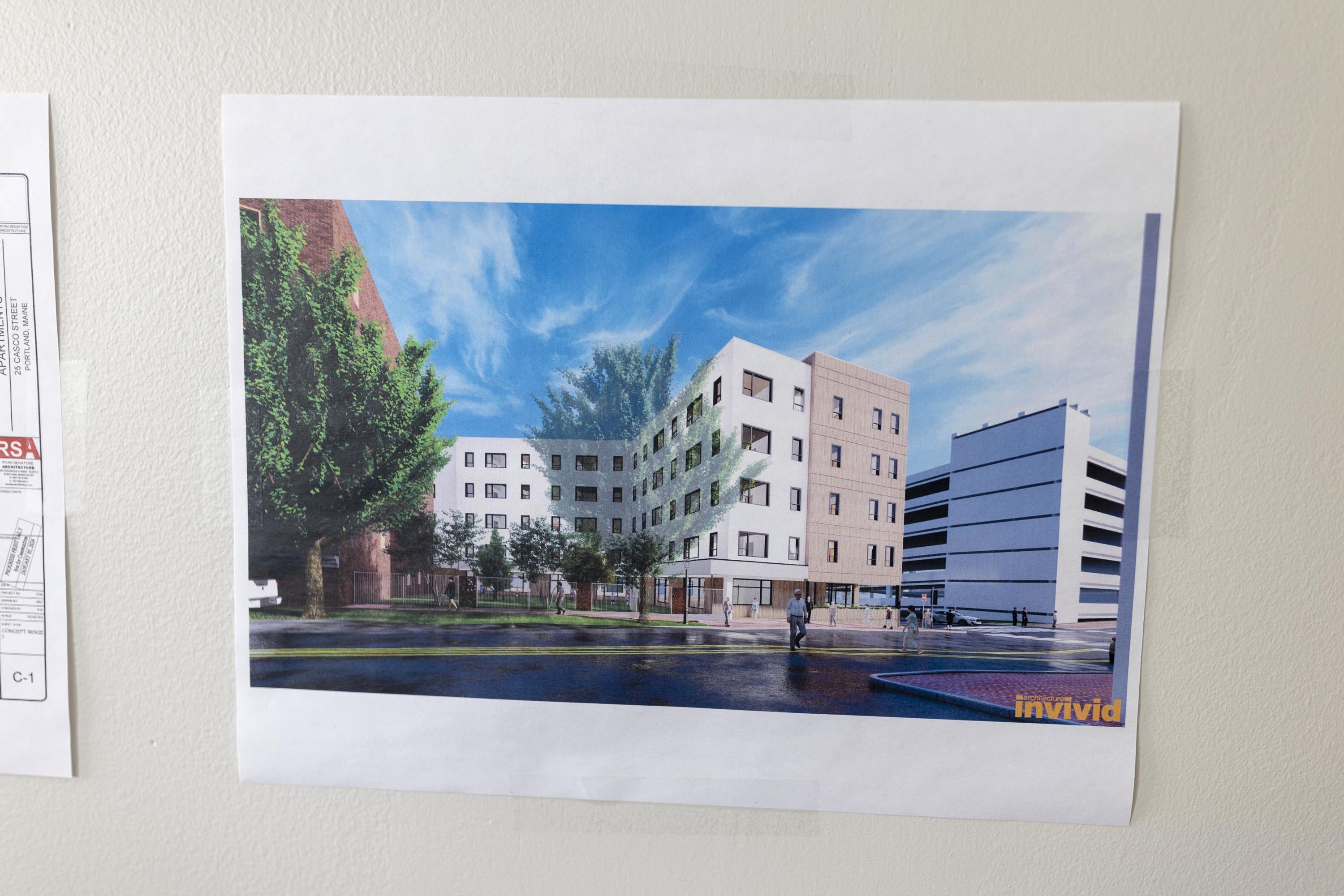
Maine has repeatedly stressed the need to build 84,000 new homes by 2030, and only a small fraction of that need has been met since officials sounded the alarm in late 2023.
Meanwhile, home sale prices and rents are the highest they’ve ever been and continue to climb.
A Harvard University report last June found that for the first time, more than half of Portland renters are considered cost-burdened, meaning they spend more than 30% of their income on housing.
The need for housing is so acute that it has become one of few bipartisan issues in an increasingly partisan Congress.
“It’s like the one thing that they’re not fighting about,” Bunker said.

‘BABA-INFECTED FUNDS’
Overall, federal funding is usually a small chunk of a project’s overall budget — maybe 5%. But in an industry with tight margins, it’s still an important piece of the equation, according to developers.
Of the four projects that received 2025 federal funding, only one has broken ground — and that was only after the developer, Westbrook Development Corporation, accessed a different funding source, rejecting what some in the industry are calling “BABA-infected funds.”
“Why does 5% of the money contaminate 100% of the project?” Rothstein said.
Avesta and other developers are now looking for alternative ways to make the numbers work.
The agency’s 40-unit project in North Conway, New Hampshire, was supposed to be a slam-dunk. It’s the second phase of a multi-part project. The land has already been clear-cut, all the electrical and plumbing is “stubbed up,” and the approvals are in place.
But it’s been on hold for more than a year.
“We would have already had people living in the apartments,” Rothstein said. “If we don’t get this thing approved soon, we might just lose everything … We had a perfect scenario (go) to a worst case scenario.”
Rothstein said the experience in New Hampshire doesn’t bode well for Avesta’s other upcoming projects in Maine.
The regional affordable housing agency is supposed to start work soon on The Rochambeau, a 46-unit development for older adults in Biddeford and is now weighing its options.
Avesta has never considered spurning money from the government but now is pondering that question.
“How do we not take this money that has too many strings attached to it?” Rothstein said.
Developers Collaborative is wrestling with a similar question. The firm planned to apply for a $500,000 Community Development Block Grant to close the gap on an upcoming project in Rockland.
“We are looking at that and thinking that it might actually be worse if we got the money than if we didn’t,” Bunker said.
A ONE-TIME HELPING HAND
It hasn’t been easy for Norod to get Thatcher Brook, a roughly $30 million 76-unit affordable housing development in Biddeford, off the ground.
The Westbrook Development Corporation project, originally intended for Cumberland, stirred controversy within that community when it was proposed three years ago and kicked off a contentious debate about the town’s role in addressing affordable housing.
Ultimately, the question was posed to voters and defeated by a two-thirds majority.
But then Biddeford officials stepped up and embraced the project, the first phase of which broke ground in January. It almost didn’t happen.
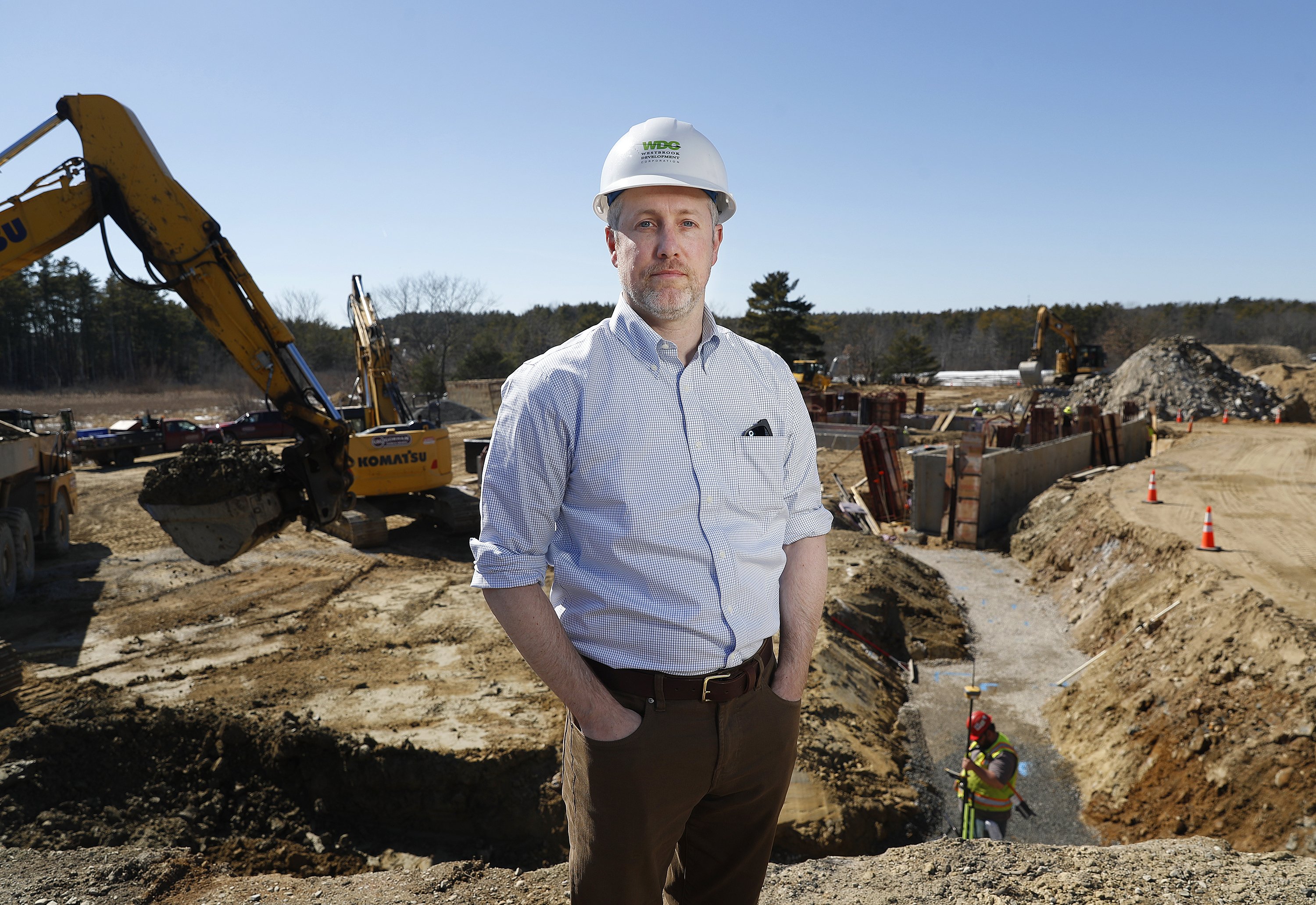
The project, funded largely with affordable housing tax credits, was the first in Maine to come up against the Build America Buy America requirements, and the costs started piling up fast.
The first 40 units were expected to cost around $17 million. BABA requirements added another million, between the additional paperwork and the premium cost for American-made materials, Norod said.
To help them avoid the need for federal funding, which would have required a waiver for HVAC and delayed the project by months, MaineHousing pulled about $2 million in unused federal HOME funds from a previous year that did not trigger BABA requirements.
It was enough to replace the other federal funds, but it was a one-time helping hand.
The first phase of the project is expected to be completed in summer 2027, and it remains to be seen what will happen with the second phase of 36 units, or the other two projects that Westbrook Development Corporation has in the pipeline.
“We are working through things now trying to figure out if there is a path forward,” Norod said.
‘WHERE’S THE SWEET SPOT?’
Maine is one of the first states to feel the law’s full impacts because the state moves quickly to distribute federal funds, said Dan Brennan, executive director of MaineHousing.
Developers worry the situation will need to reach crisis-level across the country before it gets adequate attention from federal lawmakers.
“When you’re little old Maine on the national stage, trying to raise a hand that you have a problem… it’ll absolutely capture the attention of our congressional delegation, but maybe not Congress as a whole just yet,” Brennan said.
Developers say they’ve been communicating with Sen. Angus King’s office about the issue and are hopeful they’ll see a solution soon, though any efforts to amend BABA have so far been blocked.
While they wait for a reprieve from the federal government that may or may not be coming, the state’s affordable housing agencies say they are working together in a way they haven’t before, meeting once, even twice a week to discuss possible solutions.
They all have ideas for how to fix it, but they’re all federal solutions.
One suggested raising the allowable percentage of foreign materials from 5% to 10%, while another suggested creating a blanket waiver for HVAC systems. Or perhaps they could postpone the affordable housing requirements for a few years to give American manufacturing time to catch up.
“We’re not saying get rid of it … we’re not saying we don’t believe in America,” Rothstein said. “We all live in America and we’re building houses for Americans … So, where’s the sweet spot so we can still do the right thing for our country, and still do the right thing to have this industry be viable?”
Editor’s note: This story was updated March 18 to clarify which specific federal funding sources are subject to requirements of the Build America, Buy America Act.

We invite you to add your comments. We encourage a thoughtful exchange of ideas and information on this website. By joining the conversation, you are agreeing to our commenting policy and terms of use. More information is found on our FAQs. You can update your screen name on the member's center.
Comments are managed by our staff during regular business hours Monday through Friday as well as limited hours on Saturday and Sunday. Comments held for moderation outside of those hours may take longer to approve.
Join the Conversation
Please sign into your CentralMaine.com account to participate in conversations below. If you do not have an account, you can register or subscribe. Questions? Please see our FAQs.