
As I write this, it has hit 70 degrees for the first time in Maine this year, but it is March and there’s also snow in the forecast. This combination of highs and lows can make this one of the more challenging months to get out and enjoy nature. While these warm days are nice, it is still winter for many animals. There are a few early signs of spring that you can be on the lookout for, and we’ve had exciting reports come in from all corners.
First off, piping plovers are here. These endangered beach-nesting shorebirds migrate back earlier than most other shorebirds that just pass through the state, but we typically expect them in the third or fourth week of March. Amazingly, this year saw a record for their earliest arrivals, with a pair being reported at Ogunquit Beach on March 8. I especially want to mention this because while most towns have rules in place limiting the times dogs can be on beaches during the nesting season, these record-breaking plovers are too early for those rules to be in effect. These restrictions are there for the benefit of the birds, but also the pet owners who are liable if their pets harass or kill of an endangered animal. So if you are bringing your pets to a beach on one of these warm March days, please bring a leash and keep your distance from these birds.
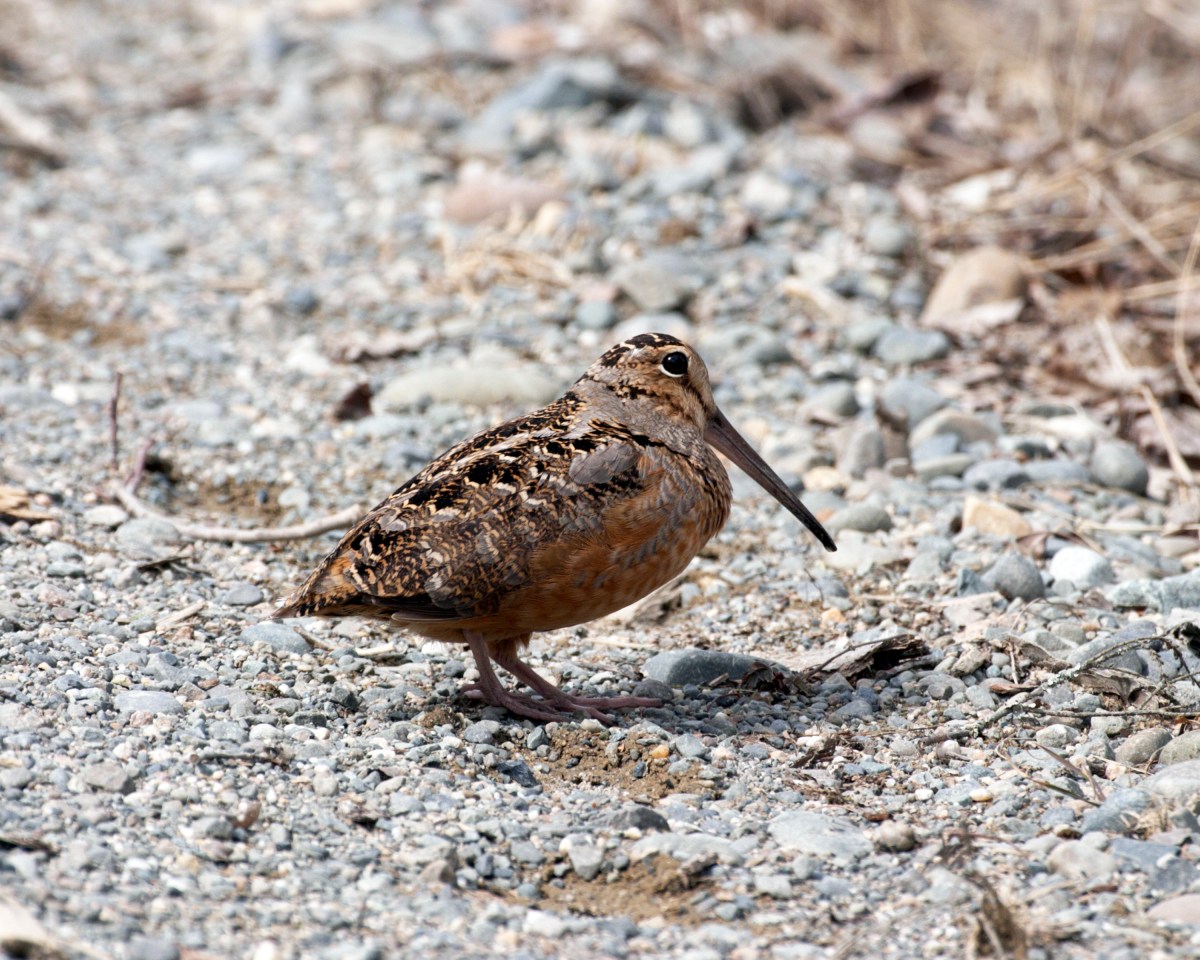
Another shorebird worth mentioning is one that doesn’t live by the shore, the American woodcock. Also known as the timberdoodle – among many other silly colloquial names – these well-camouflaged plump birds are very hard to detect during the day, but in the evenings can be heard doing their songs and flight displays near most wet fields edged by woods. The first reports I heard this year were on the evening of March 9, mostly from York County, and barring any major freezes we are likely to hear them most evenings through the spring.
You can find a spot to listen for their nasal “peent” calls given from the ground before they fly up and make a unique twittering noise, a mechanical noise from air passing through specially modified outer primaries (flight feathers) as they spiral through the air. Or join us at Gilsland Farm in Falmouth for free guided “Timberdoodle Thursdays” beginning on March 19, or at Fields Pond in Holden beginning April 2. Check maineaudubon.org for exact times.
The groundhogs are also here. I had nearly perfect timing with my last article running on March 1, when I said groundhogs would be emerging “any day now.” Well, that was the day the first groundhog at Gilsland Farm managed to tunnel through the remaining snow and poke its head out. I’m going to guess that individual didn’t see its shadow, because 10 days later, almost all the snow had melted from Gilsland. And the nesting season sure has ramped up for the gray squirrels; despite my best dissuasion, including multiple baffles on the side of our house, the squirrels are far from baffled and continue to try to build a nest under our solar panels.
Across Facebook, I’ve seen a few reports of early salamanders – mostly yellow-spotted salamanders – on the move, but it will probably be a couple more weeks before any true “big nights” where frogs and salamanders will move en masse. That said, keep your ears open in the evenings for early wood frogs or spring peepers.
In 2010, a documentary was put out by the BBC called “Twitchers: A Very British Obsession” that follows a few hardcore birders around the UK in their pursuit of birds. The term “twitcher” is typically used to describe the kind of birder that will drop everything to go chase a rare bird report; apparently this originated from a birder who would get so excited when a report of a rare bird came out that he would start twitching. This is all to mention one of my favorite lines from the documentary, which I think sums up March nicely. Brett Richards, standing next to his wife, tells the camera: “We got married in March because it was the least likely month we’d have to postpone the wedding to chase a rare bird.”
I hope this gives you some motivation to get outside and look for these and other early signs of spring this March. Join us for Timberdoodle Thursdays or go get married, because before you know, it spring migration will really be ramping up.
Have you got a nature or wildlife question? It doesn’t have to be about birds! Email questions to [email protected] visitmaineaudubon.orgto learn more about birding, native plants, and programs and events focusing on Maine wildlife and habitat. Maine Audubon Staff Naturalist Doug Hitchcox and other naturalists lead free bird walks on Thursday mornings starting at 8 am, at Maine Audubon’s Gilsland Farm Audubon Sanctuary in Falmouth.
We invite you to add your comments. We encourage a thoughtful exchange of ideas and information on this website. By joining the conversation, you are agreeing to our commenting policy and terms of use. More information is found on our FAQs. You can update your screen name on the member's center.
Comments are managed by our staff during regular business hours Monday through Friday as well as limited hours on Saturday and Sunday. Comments held for moderation outside of those hours may take longer to approve.
Join the Conversation
Please sign into your CentralMaine.com account to participate in conversations below. If you do not have an account, you can register or subscribe. Questions? Please see our FAQs.