

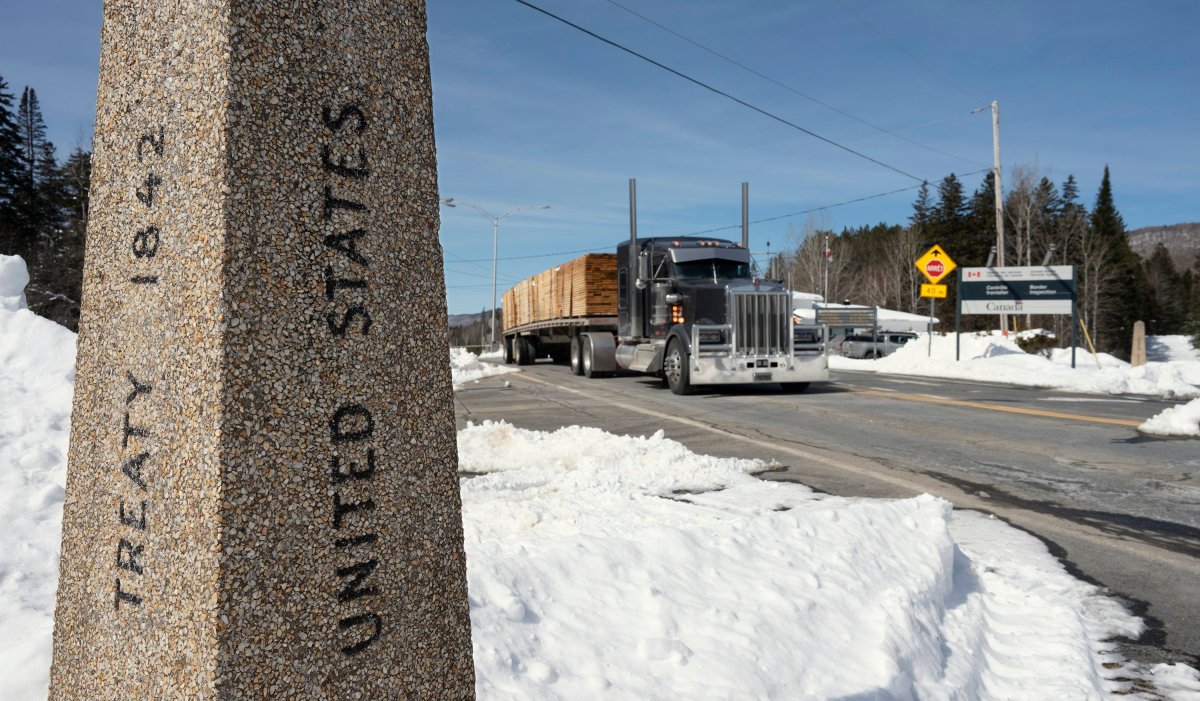
The proposed $95 million expansion and modernization of the Coburn Gore border station will have no significant impact on the natural or human environment, clearing the way for construction to begin in the summer of 2028, a federal study said.
The assessment, which can be found at www.gsa.gov/couburngore, was conducted by the U.S. General Services Administration. The U.S. Customs and Border Protection station processes privately owned vehicles, permitted commercial vehicles, nonmotorized traffic and pedestrians.
Built in 1932, the border station in Coburn Gore Township connects with the Canadian port of entry at Saint-Augustin-de-Woburn in Quebec.
“The proposed project is needed to increase processing efficiency and capacity for all traffic types, reduce traffic queues and travel delays, minimize conflict points, and improve line-of-sight to inbound traffic and between the U.S. and Canadian ports of entry,” the GSA said in a press release.
The assessment analyzed several environmental and socioeconomic factors, determining that most impacts would be “minor,” “short-term,” or even “beneficial” in the long run, the study said.
The project is designed to be a highly energy efficient “Net Zero Ready” facility that will feature a geothermal heat pump system and on-site renewable energy to significantly reduce greenhouse gas emissions.
The area may host species like the Roaring Brook mayfly and various bats (including the Northern long-eared bat), the study said. However, the GSA determined that with standard best management practices like washing equipment to prevent invasive species and limiting in-stream work, there would be no significant impact on these population.
The project involves acquiring about 15.27 acres. Based on community feedback, the administration relocated the proposed Customs and Border Protection housing building to the north side of the Arnold Trail, also known as Route 27, to address local concerns regarding traffic and placement.
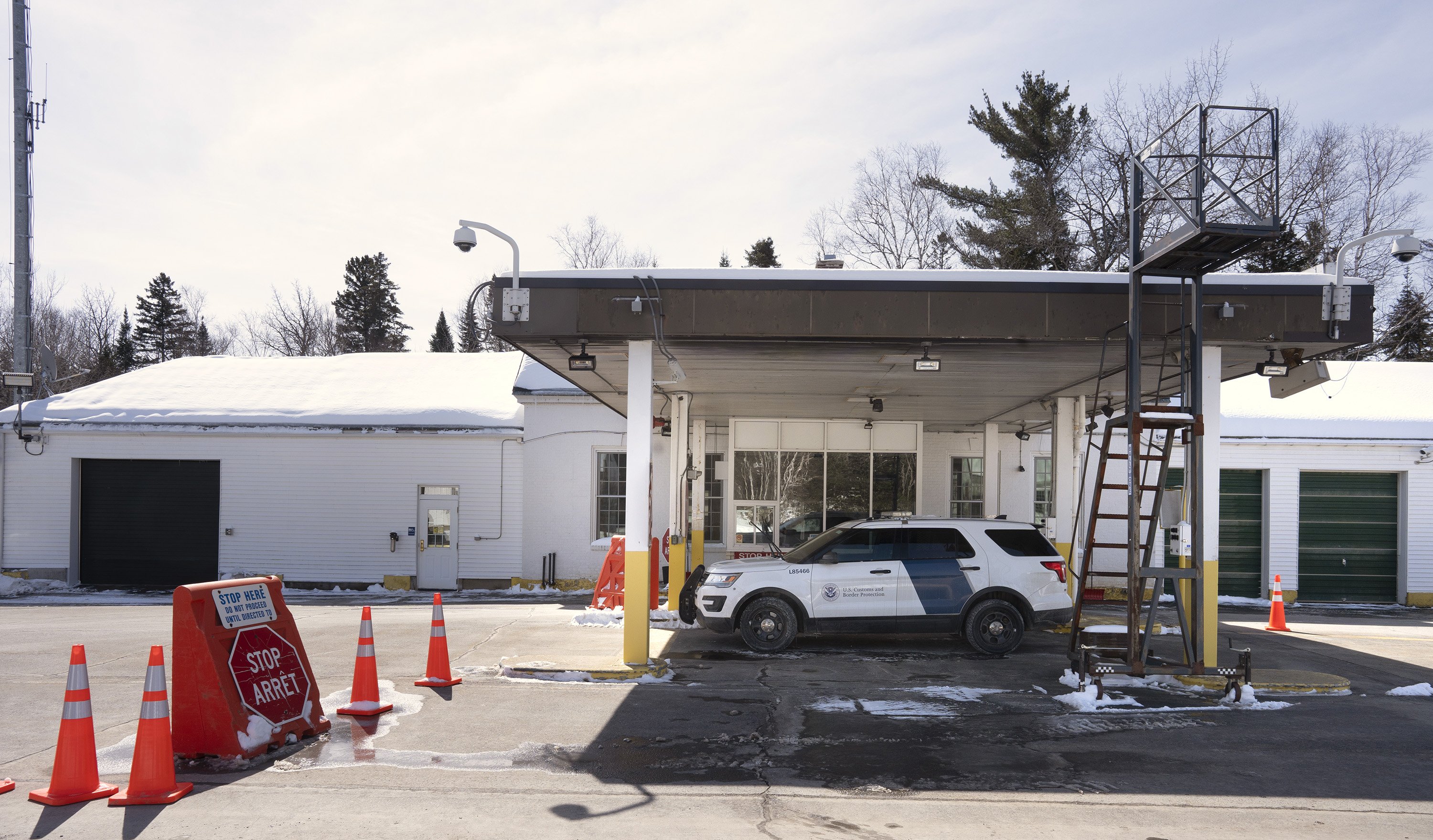
The study found modernization will provide a long-term beneficial effect on the local electric supply through improved capacity and geothermal energy, reducing the overall demand per square foot compared to the 1932 facility.
The project aims to modernize the port while preserving the historic character of the main port building and original housing, maintaining the site’s cultural heritage, according to Dattner Architects’ new design proposal.
To ensure the project’s no significant impact status, the GSA committed to several mitigation strategies, including using sound-dampening technology on machinery and limiting construction to daylight hours.
The project will implement stormwater management, including sediment traps and riprap, to prevent erosion into nearby headwater streams.
The plan also calls for using “dark-sky” compliant fixtures to reduce artificial light pollution in the rural area.
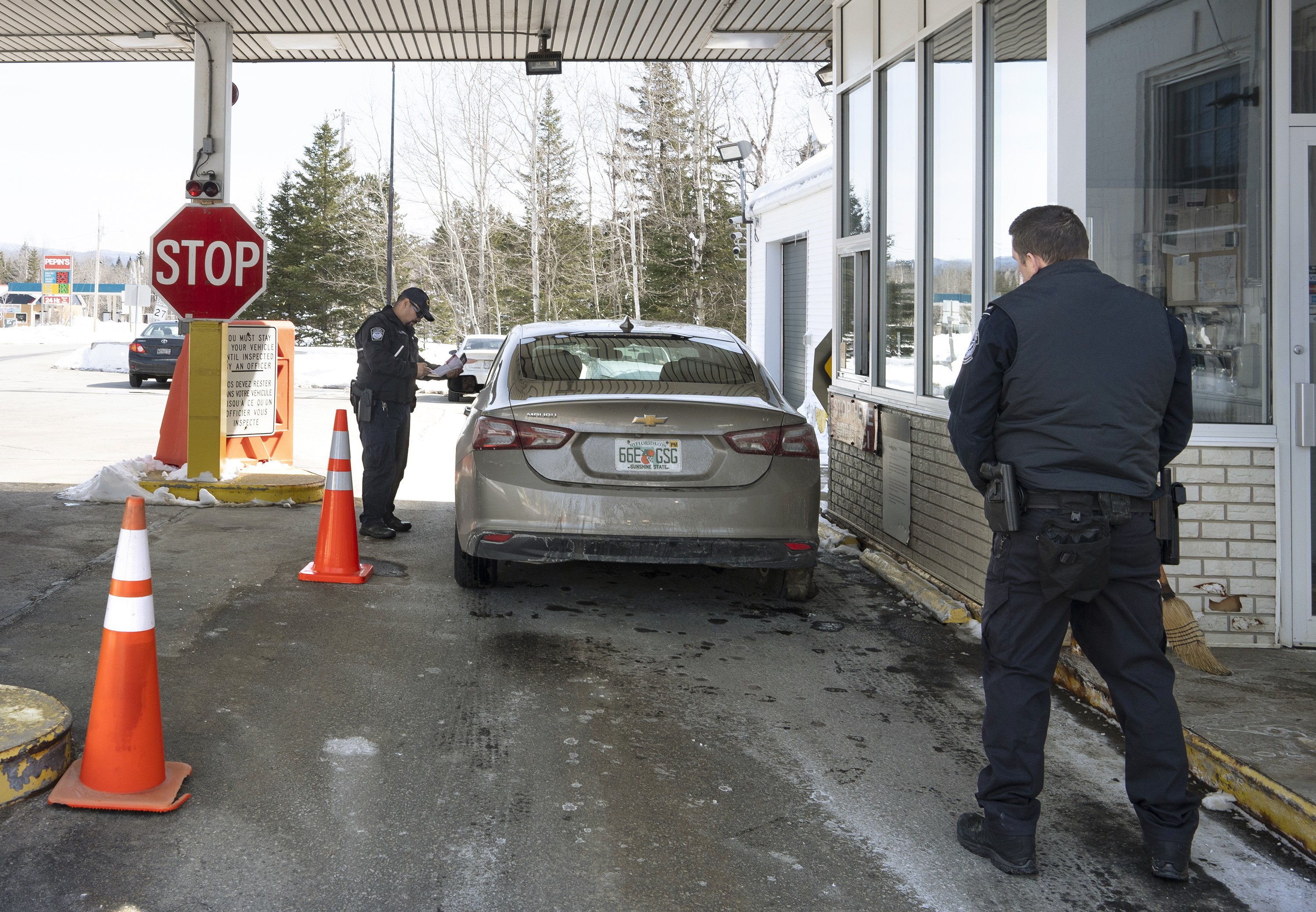
The project is moving into the final design and contract awarding phase with the construction manager as constructor this summer.
The entry point is in an isolated setting about 20 miles northwest of Eustis. The port has a main building and two residences that are listed on the National Register of Historic Places, according to the administration’s website.
The new facility, funded by the Bipartisan Infrastructure Law passed in 2021, is to strengthen supply chains, improve operational capabilities and facility infrastructure, spur economic growth and bolster the country’s security, Paul Hughes, an administration media spokesman for the independent agency, previously said.

We invite you to add your comments. We encourage a thoughtful exchange of ideas and information on this website. By joining the conversation, you are agreeing to our commenting policy and terms of use. More information is found on our FAQs. You can update your screen name on the member's center.
Comments are managed by our staff during regular business hours Monday through Friday as well as limited hours on Saturday and Sunday. Comments held for moderation outside of those hours may take longer to approve.
Join the Conversation
Please sign into your CentralMaine.com account to participate in conversations below. If you do not have an account, you can register or subscribe. Questions? Please see our FAQs.