

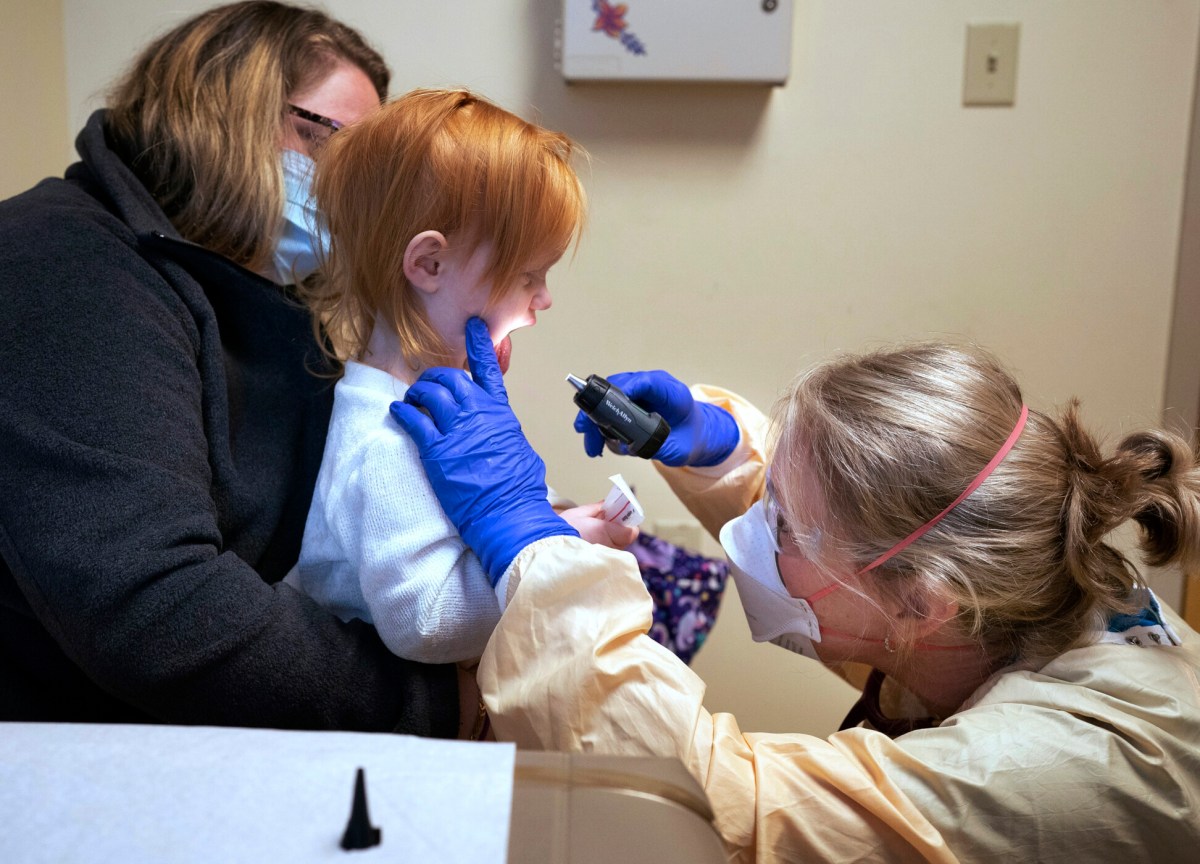
As hospitalizations for respiratory syncytial virus keep climbing, the Maine Center for Disease Control and Prevention advised clinicians to provide vaccines to infants for an extra month this season.
RSV is a respiratory virus that causes cold-like symptoms and can lead to severe infections, especially in infants and older adults. Most children have been infected by the virus by age 2.
There were 22 hospitalizations in Maine from RSV between March 8 and 14, which is double the week prior. While the number of cases is not higher than in past seasons, the state says RSV activity is peaking later and lasting longer this year.
Officials recommended Wednesday that clinicians extend their vaccination window from March 30 to April 30, granting more time for infants to receive long-acting protection against the virus through RSV antibodies, which are recommended for babies younger than 8 months and older babies at risk for severe RSV.
Antibodies provide protection against RSV for five to six months, or one season. That keeps more patients out of pediatric offices, emergency rooms and hospitals, said Dr. Rebecca Brakeley, chief of pediatrics at Central Maine Healthcare, which owns a hospital in Lewiston and facilities across western Maine.
“We’re giving that medicine daily in our newborn nursery,” Brakeley said Thursday. “Because it’s a later, widely circulated season, I think it’s great that we’re offering that extended protection, especially because it’s rampant in day cares, and siblings bring it home to their baby siblings.”
Infants are at higher risk for severe disease and hospitalization from RSV because their narrow airways are more easily obstructed by inflammation and mucus, in addition to having less immune system protection. The virus can also be dangerous for older adults, especially those with asthma or underlying medical conditions.
Adults 75 and older are recommended to get a one-time RSV vaccine.
This month at MaineHealth Barbara Bush Children’s Hospital in Portland, pediatricians saw 18 patients with RSV between their emergency department and in-patient hospital. They saw five in January.
The state recommends that babies receive RSV antibodies one week after birth, unless the mother has received a maternal RSV vaccine, which passes antibodies to the baby during pregnancy. Brakeley said the majority of patients who receive pediatric care at Central Maine Healthcare are protected by one or the other.
The health system ordered more RSV antibody products from the state Thursday to ensure the supply lasts through April. Antibodies have a longer shelf life than typical vaccines, so Brakeley said any extras can be used next season.
Maine had a severe RSV season in 2022, with high numbers of hospitalizations, before long-acting antibodies became available for the first time in 2023. Cases have stayed down each season since. Influenza and COVID-19, which have earlier peaks, currently account for more emergency visits but have relatively lower activity.
Brakeley said it’s a “hopeful time” for RSV response in Maine.
“We’re more prepared than we’ve ever been,” Brakeley said. “We have more public health options for preventing severe RSV disease.”

We invite you to add your comments. We encourage a thoughtful exchange of ideas and information on this website. By joining the conversation, you are agreeing to our commenting policy and terms of use. More information is found on our FAQs. You can update your screen name on the member's center.
Comments are managed by our staff during regular business hours Monday through Friday as well as limited hours on Saturday and Sunday. Comments held for moderation outside of those hours may take longer to approve.
Join the Conversation
Please sign into your CentralMaine.com account to participate in conversations below. If you do not have an account, you can register or subscribe. Questions? Please see our FAQs.