
I’ve been a nurse practitioner for 20 years, and I own and operate a medical aesthetics practice here in Maine. Every week, I sit across from patients overwhelmed by what they think they should be doing for their skin – and they are always thinking “more.”
More products. More steps. More treatments. More urgency.
So, let’s simplify it.
Skin is the largest organ in the body. It regulates temperature, protects against infection, prevents water loss, houses immune cells and reflects what is happening internally. It is adaptive, protective and biologically intelligent.
Caring for it is not a trend.
Yet culturally, we treat skincare like one. One year it’s glass skin. The next it’s aggressive exfoliation. Then it’s a 12-step routine. Marketing thrives on insecurity and immediacy. Skin responds to consistency and physiology.
Healthy skin is built over years, not weekends.
Skin health vs. skin hype
The outermost layer of your skin, the stratum corneum, is your barrier. When intact, it keeps moisture in and irritants out. When disrupted by over-exfoliation, harsh active ingredients or constantly switching products, inflammation can increase. Chronic inflammation accelerates aging.
Living in Maine adds another layer to the care conversation.
We ski on snow. We boat on water. We garden. We sit outside on cool summer days and don’t think we’re getting much sun. However, ultraviolet radiation reflects off snow and water. Wind and cold compromise the barrier. Many of the pigment changes and texture issues I treat are the result of decades of cumulative exposure, not intentional tanning.
Sun protection and barrier support are not cosmetic preferences here. They are foundational.
Current skincare trends: what holds up and what doesn’t
Some trends align with physiology. Others are simply well marketed.
Barrier-first skincare makes sense. Supporting the skin with ceramides, cholesterol, fatty acids and humectants like glycerin helps maintain structural integrity. They keep moisture in and environmental oxidants out.
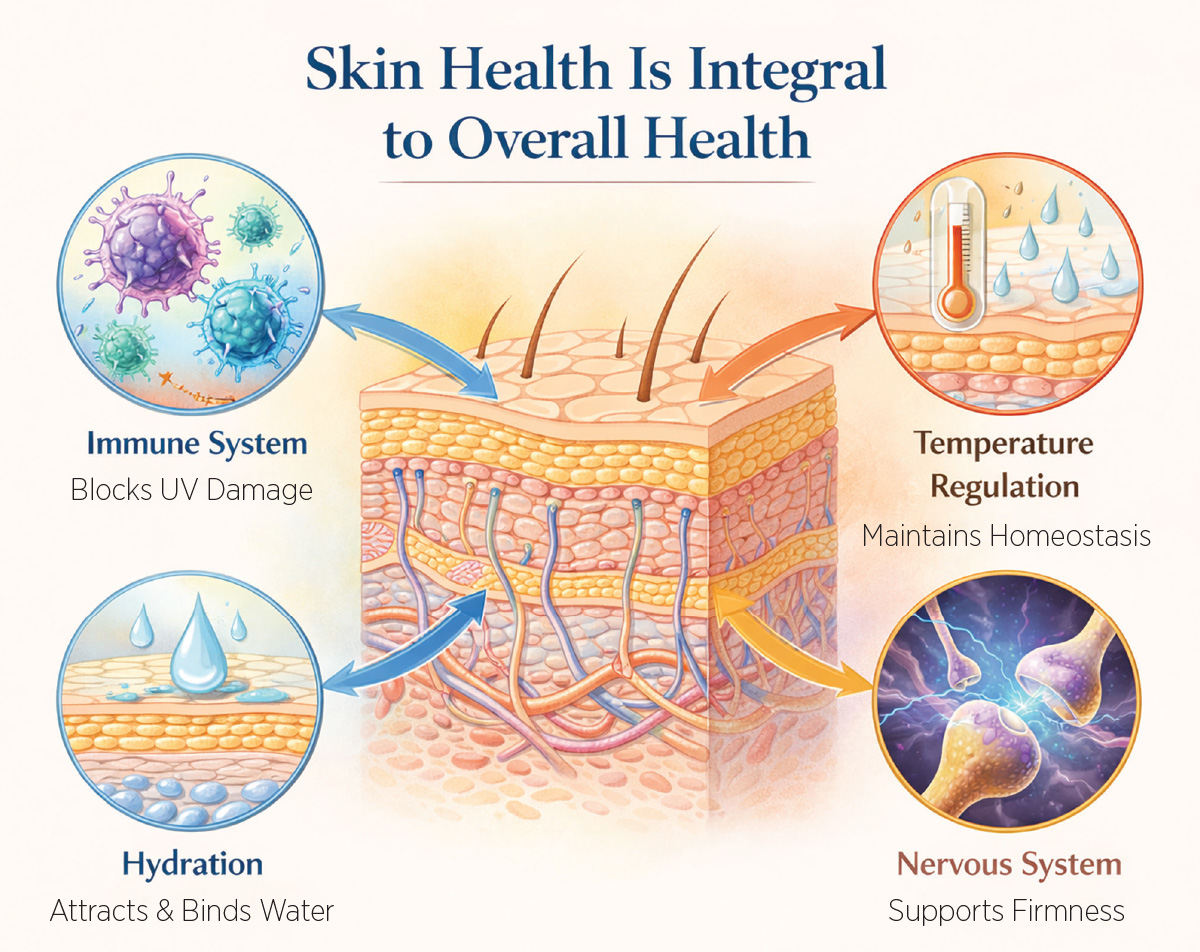
Daily broad-spectrum SPF 30+ is the single most effective anti-aging and skin cancer prevention tool we have. Apply daily and reapply when needed.
Evidence-based antioxidants and peptides can be helpful. Stabilized vitamin C protects against oxidative stress. There is evidence that GHK-Cu, a naturally occurring copper-binding tripeptide, supports collagen signaling and repair when properly formulated.
LED therapy has legitimate data behind red and near-infrared wavelengths for inflammation reduction and collagen support.
But not every popular practice deserves automatic endorsement.
Oral collagen supplements
Collagen supplements are broken down into amino acids during digestion. Some studies suggest certain hydrolyzed collagen peptides may modestly improve skin elasticity or hydration. The data is promising but not definitive.
If someone wants to take collagen and they tolerate it well, I don’t discourage it, but I do not present it as a substitute for sun protection, retinoids, or collagen-stimulating treatments. At best, it is supportive, not transformative. The market is worth about $5 billion globally.
Home dermaplaning and at-home procedures
If you are creating controlled injury in the skin, that deserves professional oversight.
Light, occasional dermaplaning at home can be safe for some people. But aggressive or frequent scraping disrupts the barrier and can worsen sensitivity or acne. It can also cause darker pigmentation from repeated friction.
At-home microneedling is different. Depth and sterility matter. I treat preventable complications from improper use more often than people realize.
Toner: Do you actually need it?
Most people don’t need toner.
Historically, toners were alcohol-based and used to remove residue from harsh cleansers and normalize the pH of the skin. Modern cleansers do not require that step.
Today’s toners fall into three categories: hydrating, exfoliating or soothing. Hydrating toners are essentially lightweight moisturizers. Exfoliating toners often contain acids that many people are already overusing.
If you are cleansing gently and moisturizing appropriately, toner is optional. In Maine’s colder, windier months especially, overusing exfoliating toners can contribute to barrier breakdown.
Cleanse. Moisturize. Protect. That is the foundation.
What you can do with over-the-counter products
Healthy skin does not require a luxury budget; it requires consistency. Professional treatments build on a foundation. They do not replace it.
A simple, effective routine for most people includes:
– Gentle cleanser that does not leave your skin tight. Wash in the morning and, most importantly, at night.
– Barrier-supporting moisturizer with ceramides and lipids.
– Broad-spectrum SPF 30 or higher every day.
– A retinoid or retinol when appropriate. Your teens and tweens should not be using retinol unless directed by a skincare provider.
– Replace your pillowcase at least weekly. Silk pillowcases help prevent lines and lessen oil and breakouts.
– Good sleep and low stress matter. Not smoking tobacco matters. Up to 80% of visible skin aging is linked to ultraviolet exposure. Prevention consistently outperforms correction.
The future of injectables: biorejuvenation over volume
There are two common types of injectables associated with medical aesthetics. Neuromodulators, often known as Botox, relax targeted muscles to soften dynamic lines. Hyaluronic acid fillers, often known as Juvederm or Restylane, restore contour when structural loss is present.
The future is not anti-filler. It is strategic filler use combined with collagen stimulation and long-term planning. The negative reputation injectables have developed stems largely from overuse and trend-driven decisions. Injectables are medical procedures. They require anatomical knowledge and restraint. Sometimes the most responsible choice is to wait or to do less.
Filler has a role when used conservatively and with strong anatomical understanding. But aging is not simply volume loss. It includes collagen depletion, ligament laxity, fat pad descent and bone remodeling. Patients increasingly tell me they want to look like themselves, only healthier and rested.
So, the field is shifting toward biorejuvenation. Instead of replacing volume, we are stimulating collagen. Treatments such as Sculptra encourage gradual structural rebuilding. RF microneedling and fractional lasers stimulate new collagen formation at specific depths.
The result is progressive improvement in skin thickness and elasticity instead of distortion or dramatic overnight change.
What about men?
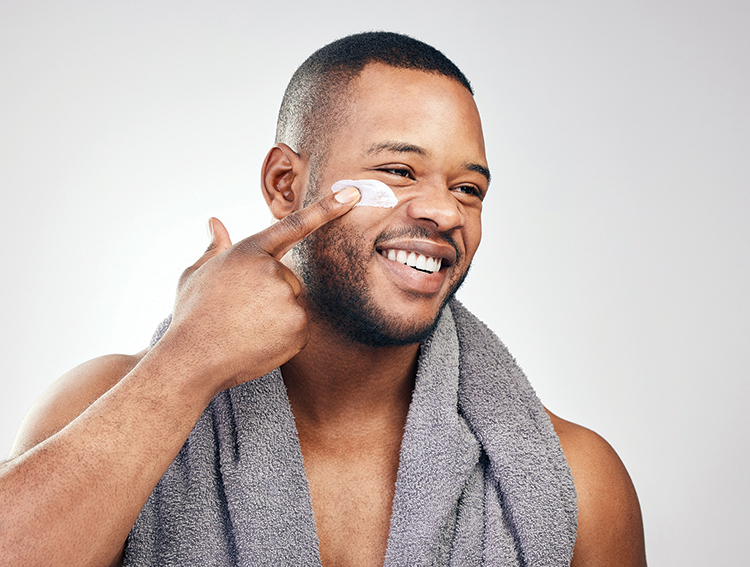
Men’s skin is biologically different, and that changes how it should be cared for. Many men are dealing with daily barrier disruption without realizing it. Higher testosterone levels mean thicker skin and, often, higher collagen density, but also more oil production and larger pores. Add regular shaving into the mix – razor irritation, ingrown hairs – and inflammation becomes common.
The fundamentals remain simple: gentle cleansing, a moisturizer that supports the skin barrier and daily sunscreen. Most men don’t need complicated routines; they need consistent ones. When aesthetic treatments are considered, the goal is not to soften defining features or make someone look “done,” but to maintain healthy skin and a natural, rested appearance.
Closing thoughts
Owning a medical aesthetics practice does not mean I believe everyone needs injectables or aggressive treatment. I believe everyone deserves accurate information. Skin is resilient when supported properly. It responds to protection, consistency, and thoughtful intervention.
Heather Mateja, NP, has over 20 years of nursing experience, starting her career in medical-surgical nursing at Mercy Hospital, then moving to Maine Medical Center, to work in the NICU then to PICU/ SCU. She has worked with patients of every age – from premature infants to centenarians. After earning her FNP in 2011, Mateja has worked as a hospitalist, in urgent care, and orthopedics before opening her medi-spa Atlantic Aesthetics Maine in 2022.
Comments are not available on this story. Read more about why we allow commenting on some stories and not on others.
We believe it's important to offer commenting on certain stories as a benefit to our readers. At its best, our comments sections can be a productive platform for readers to engage with our journalism, offer thoughts on coverage and issues, and drive conversation in a respectful, solutions-based way. It's a form of open discourse that can be useful to our community, public officials, journalists and others.
We do not enable comments on everything — exceptions include most crime stories, and coverage involving personal tragedy or sensitive issues that invite personal attacks instead of thoughtful discussion.
You can read more here about our commenting policy and terms of use. More information is also found on our FAQs.
Show less